

Little Tree: SSA Choral Octavo
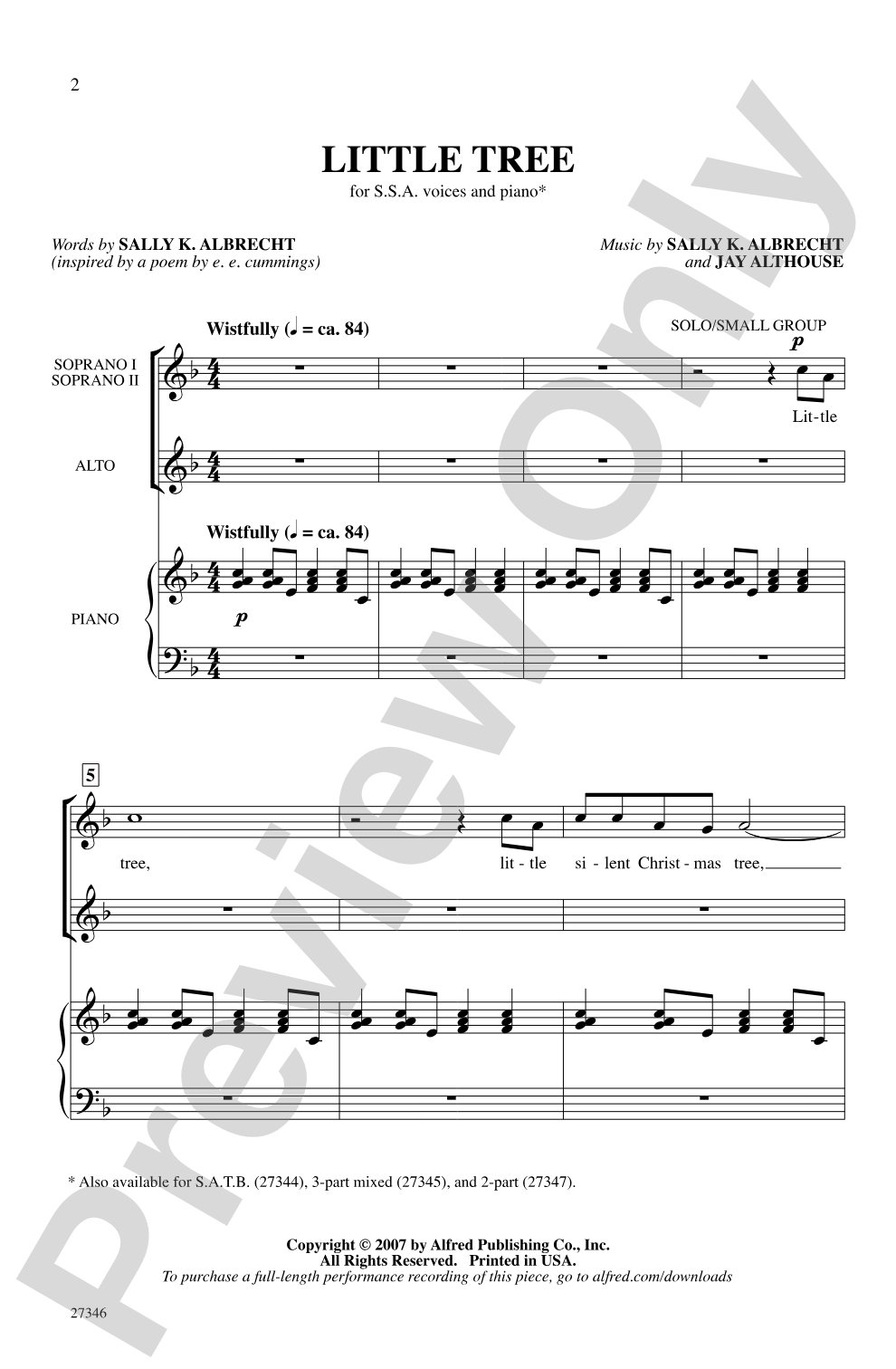
Inspired by a poem by e. e. cummings. Words by Sally K. Albrecht, music by Sally K. Albrecht and Jay Althouse
Item: 00-PO-0000382
$1.75
Minimum order quantity: 20 copies
Pickup currently not available
Related Items
Little Tree: SATB Choral Octavo |
$1.75
|
View | |
Little Tree: 3-Part Mixed Choral Octavo |
$1.75
|
View | |
Little Tree: 2-Part Choral Octavo |
$1.75
|
View | |
Little Tree: SATB Choral Octavo |
$1.75
|
View | |
Little Tree: 3-Part Mixed Choral Octavo |
$1.75
|
View | |
Little Tree: SSA Choral Octavo |
$1.75
|
View | |
Little Tree: 2-Part Choral Octavo |
$1.75
|
View |
Description
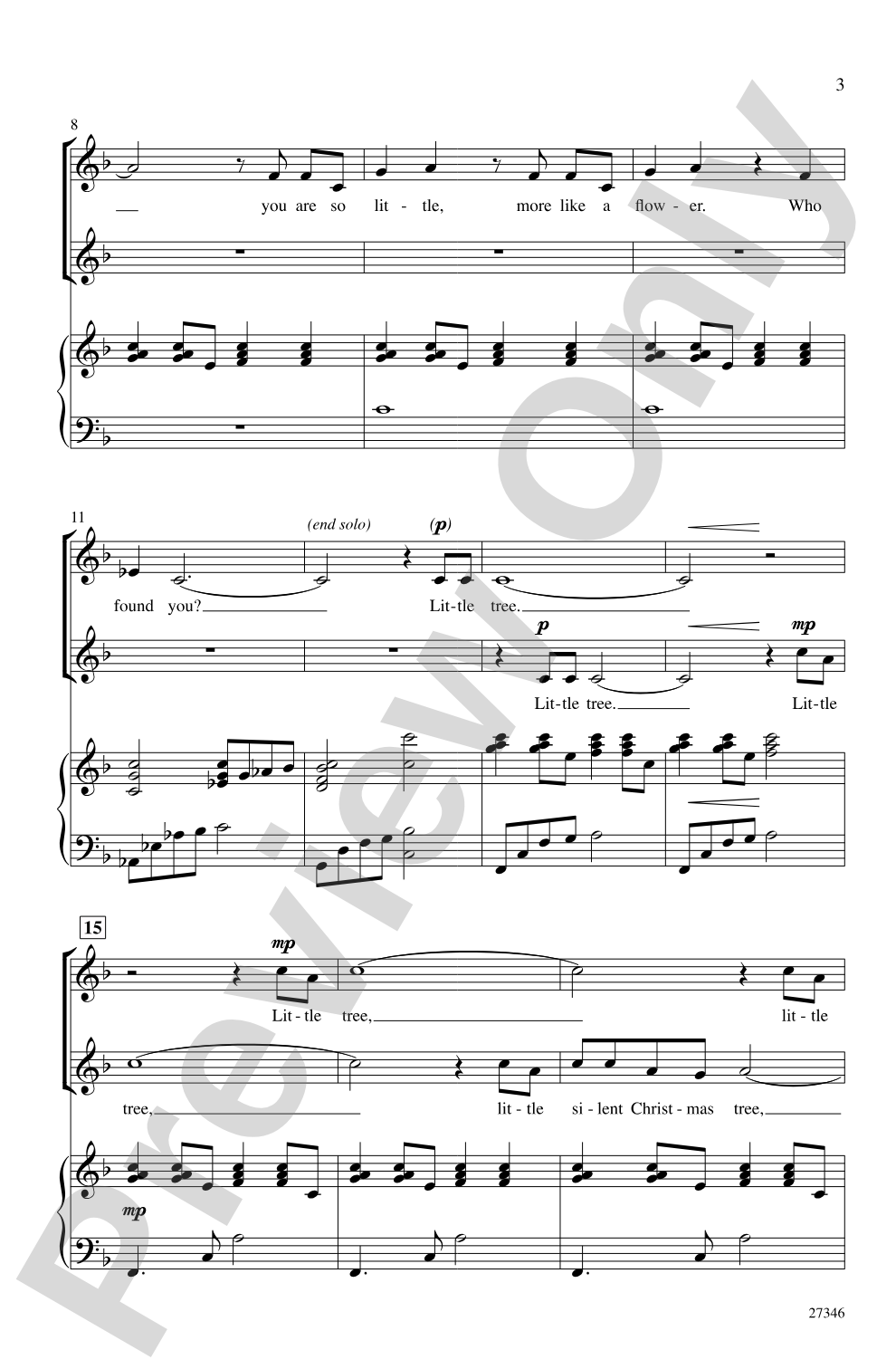
A charming and unique Christmas piece with lyrics inspired by a famous e. e. cummings poem. "Little silent Christmas tree, were you sorry to leave the forest?" The music, taking its cue from the text, is beautiful in its simplicity. An elegant change of pace for your holiday concerts. Features an optional solo or small group section.


Little Tree: SSA Choral Octavo isn't in MakeMusic Cloud just yet...but it could be. Let us know you'd like to see it, and you'll help shape what comes next. In the meantime, start a free trial and dive into thousands of interactive titles your students can play along with today.
Request This Title
Tell us you want it.
Start Your Free Trial
Explore everything that's ready to play right now.
Sample Audio
1
Audio File
--:--
0:00
0:00
Sample Video
No sample videos found.
Additional Details
Series:
Alfred Choral Designs
Publisher:
Alfred Music
Page Count:
8
SKU:
00-PO-0000382
More about this title
About the Composer: Sally K. Albrecht
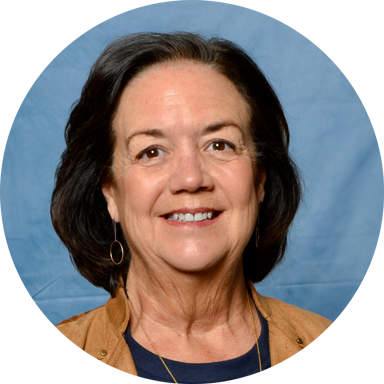
Sally K. Albrecht has shaped American choral music for over three decades as both a composer and publisher, earning ASCAP recognition annually since 1987 with more than 600 published choral works to her name. Her tenure directing school choral publications at major educational music houses gave her deep insight into what teachers and singers actually need, and she has brought that expertise to podiums across the country, conducting honor choirs at Lincoln Center, Carnegie Hall, and The Kennedy Center.
Educated at Rollins College (B.A. in Music and Theater, 1976) and the University of Miami (M.A. in Drama, M.M. in Accompanying), Albrecht combines theatrical sensibility with musical sophistication. She has taught at Oakland University, Jersey City State College, and Meredith College, and now lives in North Carolina with her husband, composer and arranger Jay Althouse. Her 2021 Distinguished Alumna Awards from both Rollins and the University of Miami recognize a lifetime of contributions to music education and leadership.
Why we love this
The text here draws directly from e.e. cummings without pretension, and Albrecht's music honors that restraint. Rather than layering complexity onto the poem, she lets the words breathe and the harmonies support their gentle meditation on displacement and loss, making this an intellectually satisfying choice for singers and audiences tired of standard holiday fare.
What to expect
Quiet and reflective, almost intimate despite being written for ensemble voices. The piece inhabits a space of gentle questioning, its simplicity allowing the vulnerability of the cummings text to resonate without distraction.
Who it's for
Directors programming holiday concerts who want to step beyond traditional Christmas sentimentality and offer singers meaningful artistic work. This octavo suits SSA ensembles of any level from middle school through adult choirs seeking an accessible yet sophisticated seasonal offering.
How to get the most out of it
- Shape the optional solo or small group section to create genuine contrast; let those voices emerge from rather than dominate the texture of the full SSA voicing.
- Attend to the simplicity deliberately, resisting the urge to add vibrato or over-romanticize the phrasing. The elegance lies in clarity and restraint.
- Work with your singers on text awareness, especially the contemplative quality of the cummings language. This piece rewards thoughtful diction and emotional authenticity rather than technical display.
How to use it
Place this between more energetic holiday selections to reset the emotional temperature of your concert, or open a set with it as a grounding moment before moving into brighter material. Its festival-ready quality and modest page count make it an excellent pairing with longer secular winter works.
Skills your students will build
- Singing with clarity and restraint in supported voicing (SSA/SSAA blend)
- Interpreting text with emotional nuance and intent
- Blending voices in a light, unforced texture
- Understanding how compositional simplicity serves textual depth