Kuna Karamu Cover Image

Kuna Karamu: Choral Octavo SoundTrax CD

$22.95 USD
Sale price  $22.95 USD Regular price 
Skip to product information
Kuna Karamu Cover Image

Kuna Karamu: Choral Octavo SoundTrax CD

(Let's Celebrate --Swahili)

By Sally K. Albrecht / inst. arr. Tim Hayden

Item: 00-24068

$22.95
Shipped

One moment…

Description
"Kuna Karamu" means "let's celebrate" in Swahili. The African rhythms add excitement, and the combination English/Swahili text is a celebration of the beauty of life. Add your choice of rhythm instruments, or use the lively SoundTrax CD.

Kuna Karamu: Choral Octavo SoundTrax CD isn't in MakeMusic Cloud just yet...but it could be. Let us know you'd like to see it, and you'll help shape what comes next. In the meantime, start a free trial and dive into thousands of interactive titles your students can play along with today.

Sample Pages

No sample pages found.

Sample Audio
0:00
0:00
Sample Video
Additional Details
Series: Alfred Choral Designs
Publisher: Alfred Music
UPC: 038081261768
SKU: 00-24068

More about this title

About the Composer: Sally K. Albrecht
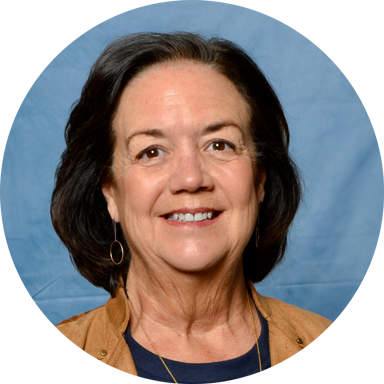
Sally K. Albrecht

Sally K. Albrecht has spent over thirty years as a choral composer and clinician, building a catalog of more than 600 published works alongside 75 larger musicals and songbooks. As a former Director of School Choral, Vocal, and Elementary Publications at Alfred Music, she shaped choral literature for countless school programs while earning consistent ASCAP Special Music Awards since 1987. She has guest-conducted honor choirs at venues including Lincoln Center, Carnegie Hall, and The Kennedy Center, and her work reflects a distinctive integration of movement with vocal music.

Albrecht holds degrees from Rollins College (B.A. in Music and Theater, 1976) and the University of Miami (M.A. in Drama, 1977; M.M. in Accompanying, 1979). She has taught at Oakland University, Jersey City State College, and Meredith College. In 2021, she received Distinguished Alumna Awards from both her undergraduate and graduate institutions. She currently resides in North Carolina with her husband, composer and arranger Jay Althouse.

Why we love this

Albrecht's gift for pairing accessible melodies with genuine cultural authenticity shines here. The bilingual text and embedded African rhythms create an energizing piece that feels celebratory without relying on oversimplification, and the SoundTrax accompaniment frees you from accompanist coordination while keeping the drive and groove front and center.

What to expect

Bright, propulsive, and joyful. The African-influenced rhythmic foundation gives the piece kinetic energy that carries even simple melodies forward with momentum. Singing Swahili text alongside English creates a moment of genuine cultural presence, not an exotic detour; the piece genuinely feels like a shared celebration rather than a performance about celebration.

Who it's for

Middle school and high school choirs seeking repertoire that energizes concerts and celebrates cultural diversity. This octavo works equally well for directors who have a percussionist or rhythm section available and those who prefer the simplicity and consistency of a prerecorded track.

How to get the most out of it

  • Lean into the rhythm: the groove only comes alive when your singers feel the pulse confidently, not just sing over it. Have the choir clap the fundamental beat before each rehearsal run-through until it becomes muscle memory.
  • Layer in percussion gradually. Start with the SoundTrax CD alone to lock the ensemble sound, then introduce hand drums or shakers section by section so the added color enhances rather than muddles the arrangement.
  • Shape the Swahili phrases with intentional articulation. These words carry their own musicality, and clarity of diction makes the bilingual character of the piece land with impact.
  • Use the recorded accompaniment to anchor tempo during early rehearsals, but encourage singers to connect with each other rather than the speakers. The goal is rhythmic independence within the ensemble, not dependence on the track.

How to use it

Program this early in a concert to set an uplifted, inclusive tone, or use it as an encore that leaves your audience energized and smiling. It pairs well with spirituals, world music repertoire, or contemporary multicultural pieces, and it works beautifully on spring concerts, assembly performances, or any program aiming to reflect the full range of your singers' voices and experiences.

Skills your students will build

  • Rhythmic precision in syncopated African-influenced meters
  • Pronunciation and phrasing of Swahili text
  • Blending vocal tone while maintaining individual rhythmic clarity
  • Following a recorded accompaniment without losing ensemble independence
  • Stylistic understanding of world music idioms and their authentic presentation

You May Also Like