Kuna Karamu Cover Image

Kuna Karamu: 3-Part Mixed Choral Octavo

$1.65 USD
Sale price  $1.65 USD Regular price 
Skip to product information
Kuna Karamu Cover Image

Kuna Karamu: 3-Part Mixed Choral Octavo

(Let's Celebrate --Swahili)

By Sally K. Albrecht

Item: 00-24066

makemusic Cloud badge
$1.65
Shipped

One moment…

Description
"Kuna Karamu" means "let's celebrate" in Swahili. The African rhythms add excitement, and the combination English/Swahili text is a celebration of the beauty of life. Add your choice of rhythm instruments, or use the lively SoundTrax CD.

Don't just read it, hear it, play along with it, and watch your students grow with it. In MakeMusic Cloud, Kuna Karamu: 3-Part Mixed Choral Octavo comes alive with professional accompaniment, adjustable tempo, and built-in practice tools that turn solo practice into real progress.

Sample Pages

Sample Audio
0:00
0:00
Sample Video
Additional Details
Series: Alfred Choral Designs
Publisher: Alfred Music
Page Count: 12
UPC: 038081261744
SKU: 00-24066

More about this title

About the Composer: Sally K. Albrecht
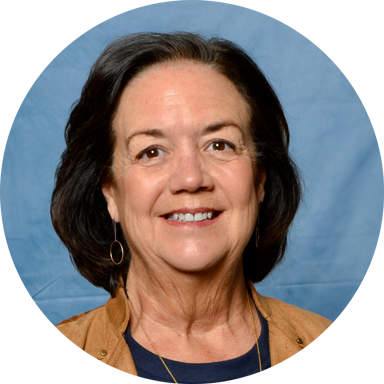
Sally K. Albrecht

Sally K. Albrecht has built a career as one of the most prolific choral composers in American music education, with over 600 published works and numerous larger-scale musicals in circulation. Since 1987, she has received the ASCAP Special Music Award annually, and she spent more than thirty years developing choral and vocal resources as Director of School Publications at Alfred Music. Her work with choral movement and her conducting at major festival venues including Lincoln Center, Carnegie Hall, and The Kennedy Center has shaped her understanding of what works in rehearsal and on stage.

Albrecht holds degrees from Rollins College (B.A. in Music and Theater, 1976), the University of Miami (M.A. in Drama, 1977; M.M. in Accompanying, 1979), and has taught at Oakland University, Jersey City State College, and Meredith College. She serves as an educational clinician and continues to write music that reflects her deep knowledge of what young singers need to engage with repertoire that matters. A native of Cleveland, she currently resides in North Carolina with her husband, composer and arranger Jay Althouse.

Why we love this

Albrecht writes choral music that actually excites students, and this piece proves why. The blend of English and Swahili text removes any sense of tokenism; instead, it creates a genuine cultural celebration with rhythmic drive that holds young singers' attention through the entire performance. The optional rhythm instruments give you flexibility to scale the arrangement to your program's needs.

What to expect

Kuna Karamu radiates warmth and infectious joy. The African rhythmic foundation creates movement and forward motion, while the Swahili phrases add color and authenticity that lift the piece beyond typical secular fare. Singing this feels like joining a genuine celebration rather than performing about one.

Who it's for

This octavo serves intermediate to advanced middle school and high school choirs, as well as community and collegiate ensembles looking for joyful repertoire with substance. The 3-part mixed voicing accommodates changing voices and flexible roster sizes. Directors who want to celebrate cultural music while keeping the energy accessible will find this a natural fit.

How to get the most out of it

  • Layer in the rhythm instruments gradually during rehearsal. Begin with just voices, then add hand drum, then shaker parts. This approach helps singers anchor the African rhythms before managing them alongside instrumental texture.
  • Attend to the Swahili pronunciation early. Dedicate a rehearsal to clear vowel sounds and consonant placement so the text feels authentic rather than performed. Consider having a native speaker visit or providing a recording model.
  • Shape the energy through dynamic contrast rather than tempo changes. Let the verses settle more inward, then release fully into the celebratory sections. This builds momentum naturally.
  • If using the SoundTrax CD, rehearse with it only after singers know the music independently. Use it in final rehearsals and as a confidence builder for ensemble members who need rhythmic support.

How to use it

Program this as a closing number for a concert celebrating diversity, or use it as a vibrant bridge between more formal repertoire in a mixed program. The festive character and accessible length make it ideal for spring concerts, community events, or cultural assembly programs where you want an uplifting send-off that sticks with audiences.

Skills your students will build

  • Reading and performing Swahili text with accurate vowels and consonants
  • Understanding and executing African rhythmic patterns in a choral context
  • Balancing rhythmic independence with ensemble cohesion
  • Integrating body percussion and hand instruments with vocal lines
  • Performing with stylistic awareness of cultural music traditions

You May Also Like
