

Kuna Karamu (Let's Celebrate - Swahili): 2-Part Choral Octavo
(Let's Celebrate --Swahili)
By Sally K. Albrecht
Item: 00-PO-0000100

$1.65
Minimum order quantity: 20 copies
Pickup currently not available
Related Items
Kuna Karamu: SoundTrax Digital Audio Download |
$22.95
|
View | |
Kuna Karamu (Let's Celebrate - Swahili): SATB Choral Octavo |
$1.65
|
View | |
Kuna Karamu (Let's Celebrate - Swahili): 3-Part Mixed Choral Octavo |
$1.65
|
View | |
Kuna Karamu: SATB Choral Octavo |
$1.65
|
View | |
Kuna Karamu: 3-Part Mixed Choral Octavo |
$1.65
|
View | |
Kuna Karamu: Choral Octavo SoundTrax CD |
$22.95
|
View |
Description
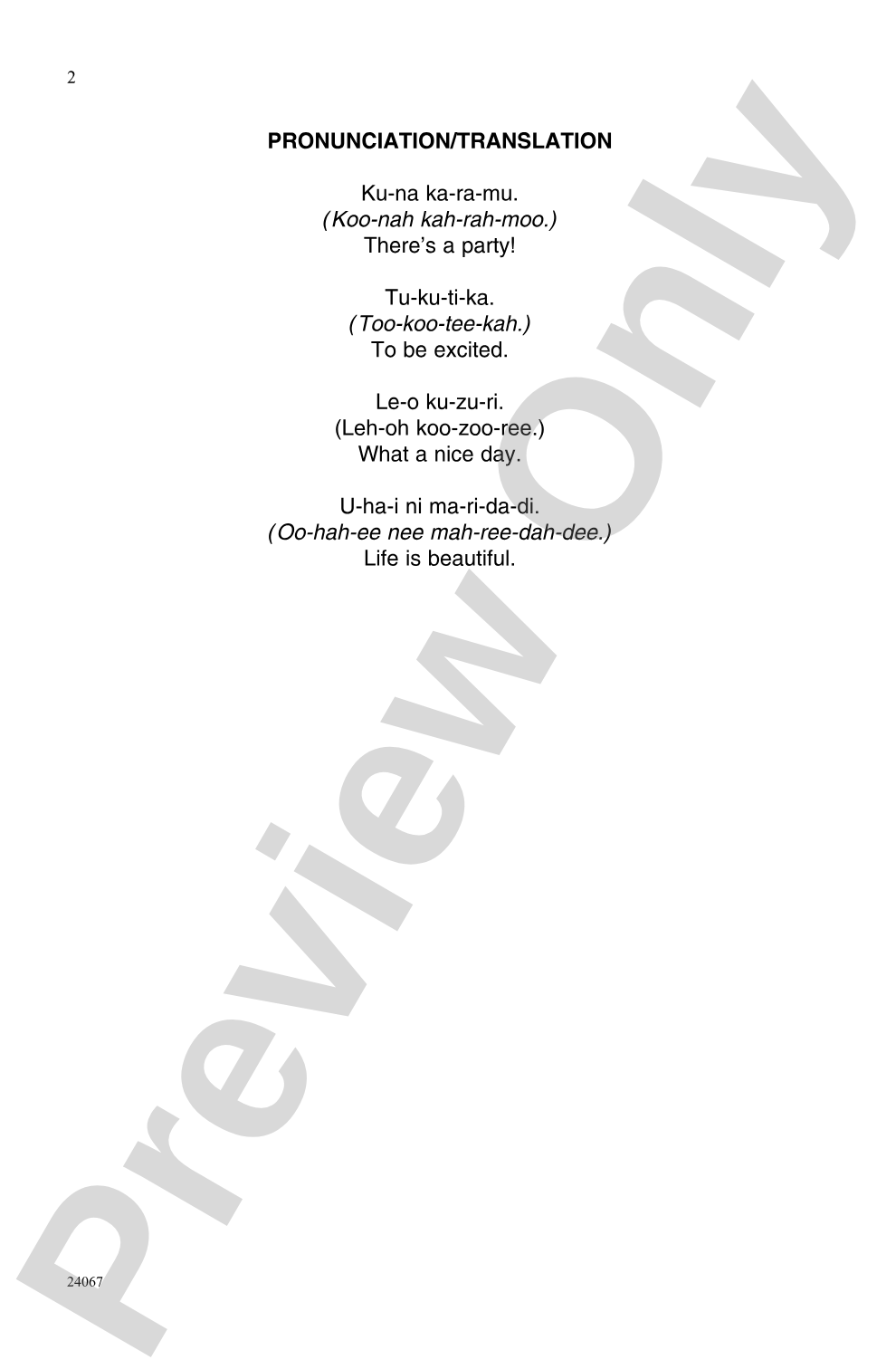
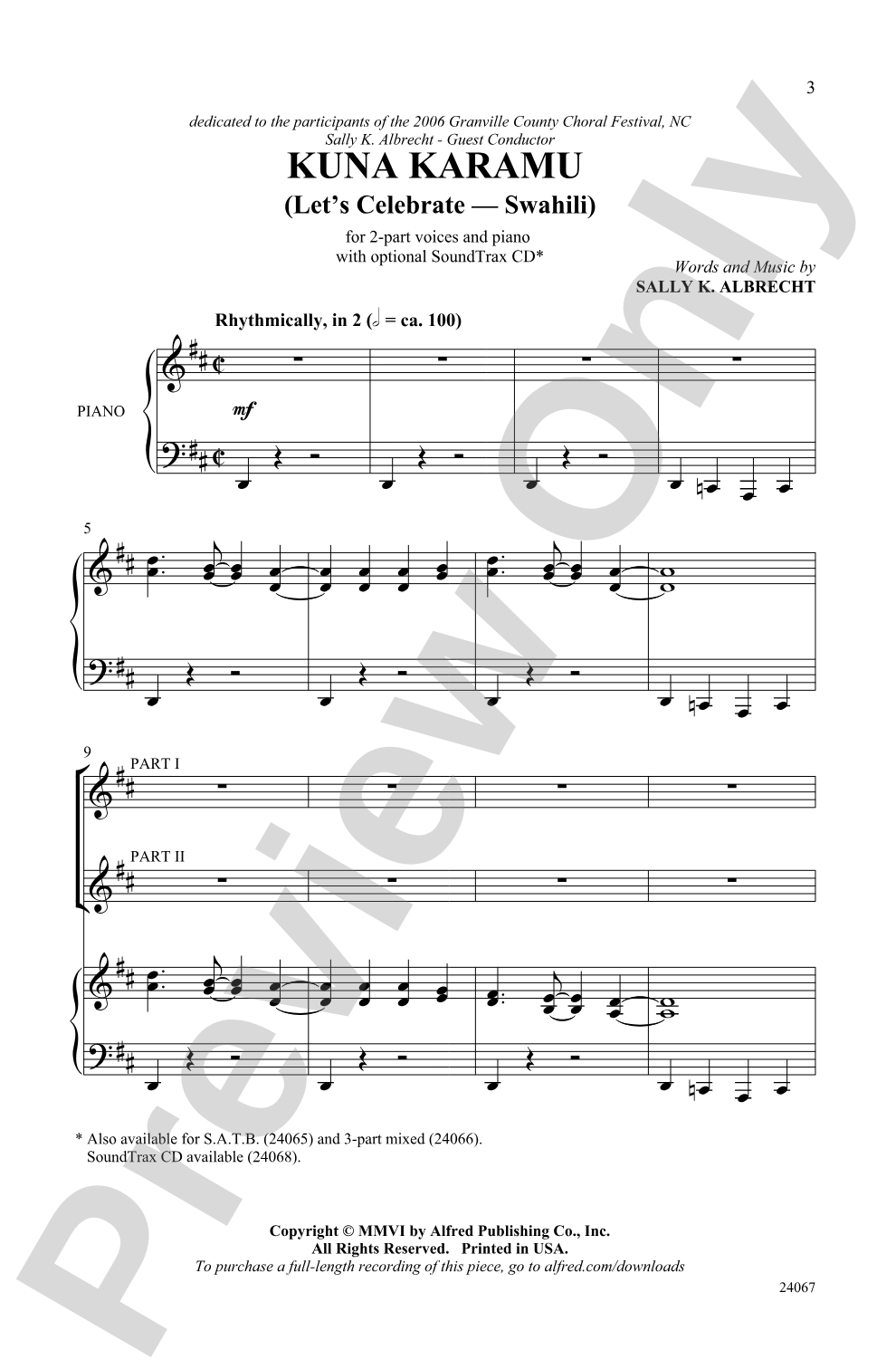
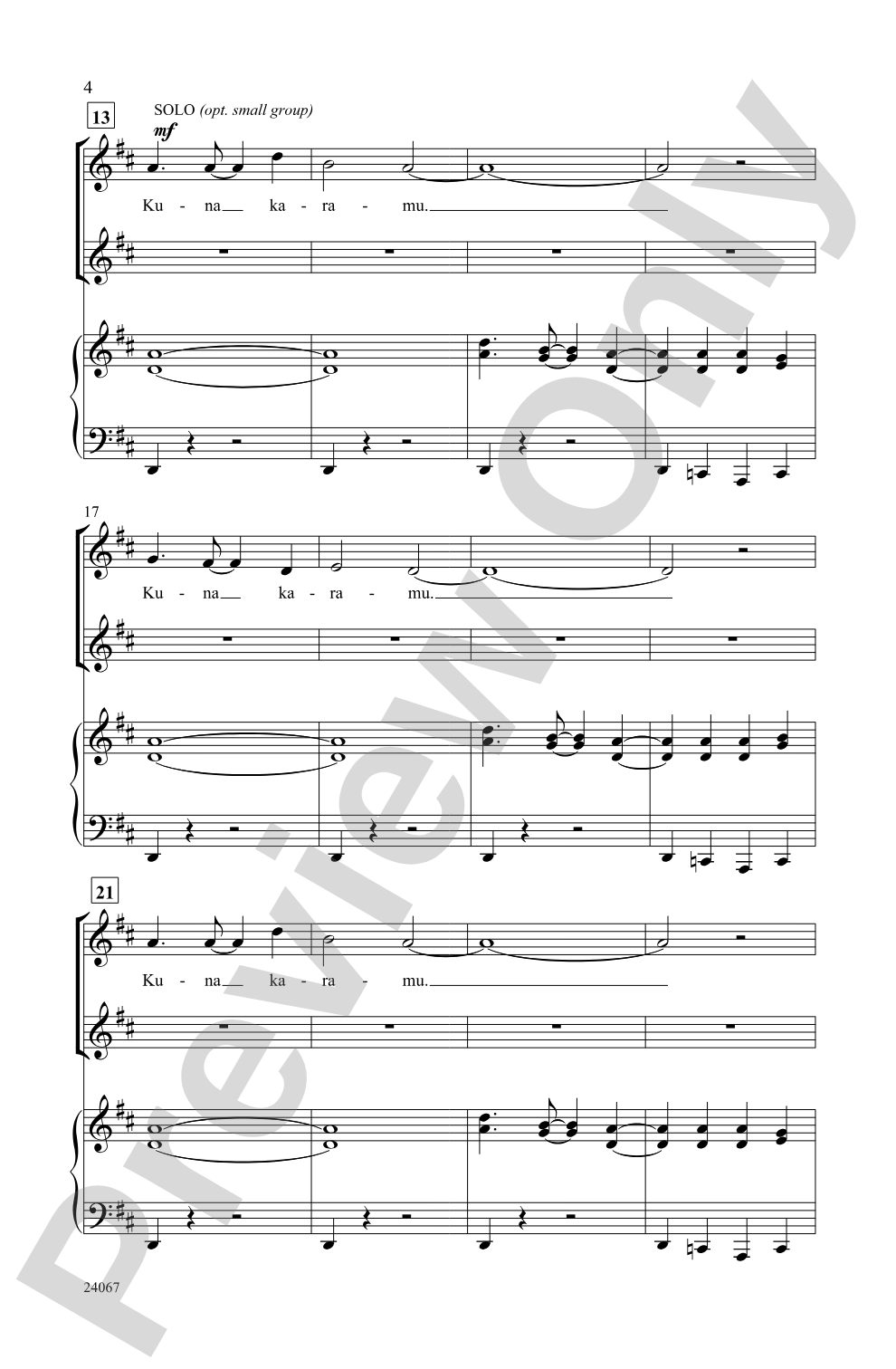
"Kuna Karamu" means "let's celebrate" in Swahili. The African rhythms add excitement, and the combination English/Swahili text is a celebration of the beauty of life. Add your choice of rhythm instruments, or use the lively SoundTrax CD.


Don't just read it, hear it, play along with it, and watch your students grow with it. In MakeMusic Cloud, Kuna Karamu (Let's Celebrate - Swahili): 2-Part Choral Octavo comes alive with professional accompaniment, adjustable tempo, and built-in practice tools that turn solo practice into real progress.
Open in the Player
Jump straight in and assign it today.
Start Your Free Trial
Open this title and explore the full library in minutes.
Sample Audio
1
Audio File
--:--
0:00
0:00
Sample Video
No sample videos found.
Additional Details
Series:
Alfred Choral Designs
Publisher:
Alfred Music
Page Count:
12
SKU:
00-PO-0000100
More about this title
About the Composer: Sally K. Albrecht
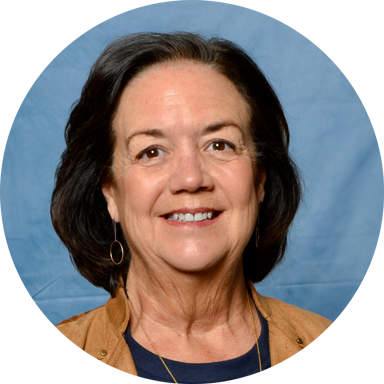
Sally K. Albrecht has shaped American choral music for over three decades as a composer, conductor, clinician, and editorial leader. Her catalog of more than 600 choral works and 75 larger musicals and songbooks reflects her deep commitment to making choral music accessible and joyful across all age levels and abilities. She earned recognition as an annual ASCAP Special Music Award recipient beginning in 1987 and has conducted honor choirs at prestigious venues including Lincoln Center, Carnegie Hall, and The Kennedy Center.
Albrecht's scholarly background spans music, drama, and accompanying. She holds a B.A. from Rollins College (1976) and both an M.A. in Drama and an M.M. in Accompanying from the University of Miami. Her leadership extends beyond composition; she served as Chair of the Board of Trustees for Omicron Delta Kappa National Leadership Honor Society and received their "Pillar of Leadership" award. In 2021, she was honored with the Distinguished Alumna Award from both the University of Miami Frost School of Music and Rollins College.
Why we love this
Albrecht crafts genuine cultural celebration rather than superficial appropriation. The English and Swahili text pairing opens doors to meaningful global conversation while the African rhythmic foundation keeps the energy high and singable for a 2-part ensemble. It's the kind of piece that energizes a concert and gives students real joy in performing music from beyond their own traditions.
What to expect
Infectious and warm, with the energy of a real celebration. The African rhythms create forward momentum while the English-Swahili text blend invites singers into a larger conversation about joy and community. This is music that feels good to sing and impossible not to share with an audience.
Who it's for
Directors of middle school and high school choirs who want to expand their multicultural repertoire with music that feels genuinely celebratory rather than didactic. The 2-part voicing welcomes developing singers and makes the piece accessible for less advanced ensembles without sacrificing musical interest or cultural authenticity.
How to get the most out of it
- Layer in rhythm instruments (hand drums, shakers, djembes) gradually through rehearsals; even unpitched percussion transforms the piece from simple to vibrant.
- Emphasize the Swahili pronunciation in early rehearsals; accurate phrasing of the text makes the cultural voice authentic and improves diction across all languages.
- Keep the tempo steady and buoyant; African grooves depend on rhythmic confidence from the singers, so lock the pulse before worrying about blend.
- Balance the two voice parts so neither dominates; the interplay between parts should feel conversational, especially in any call-and-response moments.
How to use it
Place this piece on a concert celebrating diversity or world music traditions to anchor the section with something energetic and memorable. It pairs naturally with other multicultural work or can stand alone as a lively finale to a lighter program segment. The recorded accompaniment option means you can program it even if rhythm section support isn't available on the day of performance.
Skills your students will build
- singing in a non-native language with accurate pronunciation and phrasing
- maintaining rhythmic independence while singing against African-based grooves
- two-part voicing with clear part delineation
- interpreting cultural music with respect and authenticity
- performing with unison and divisi sections