
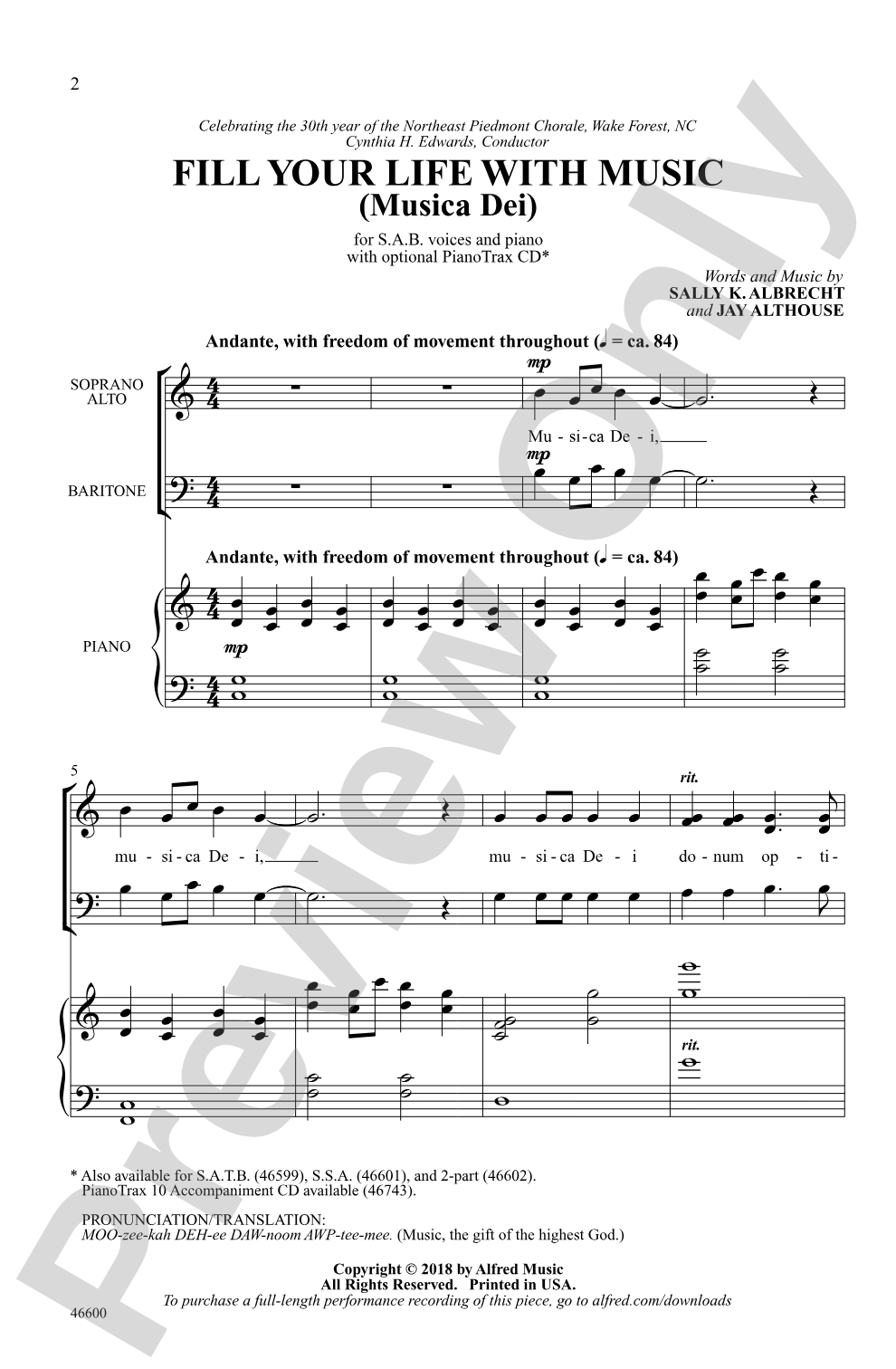
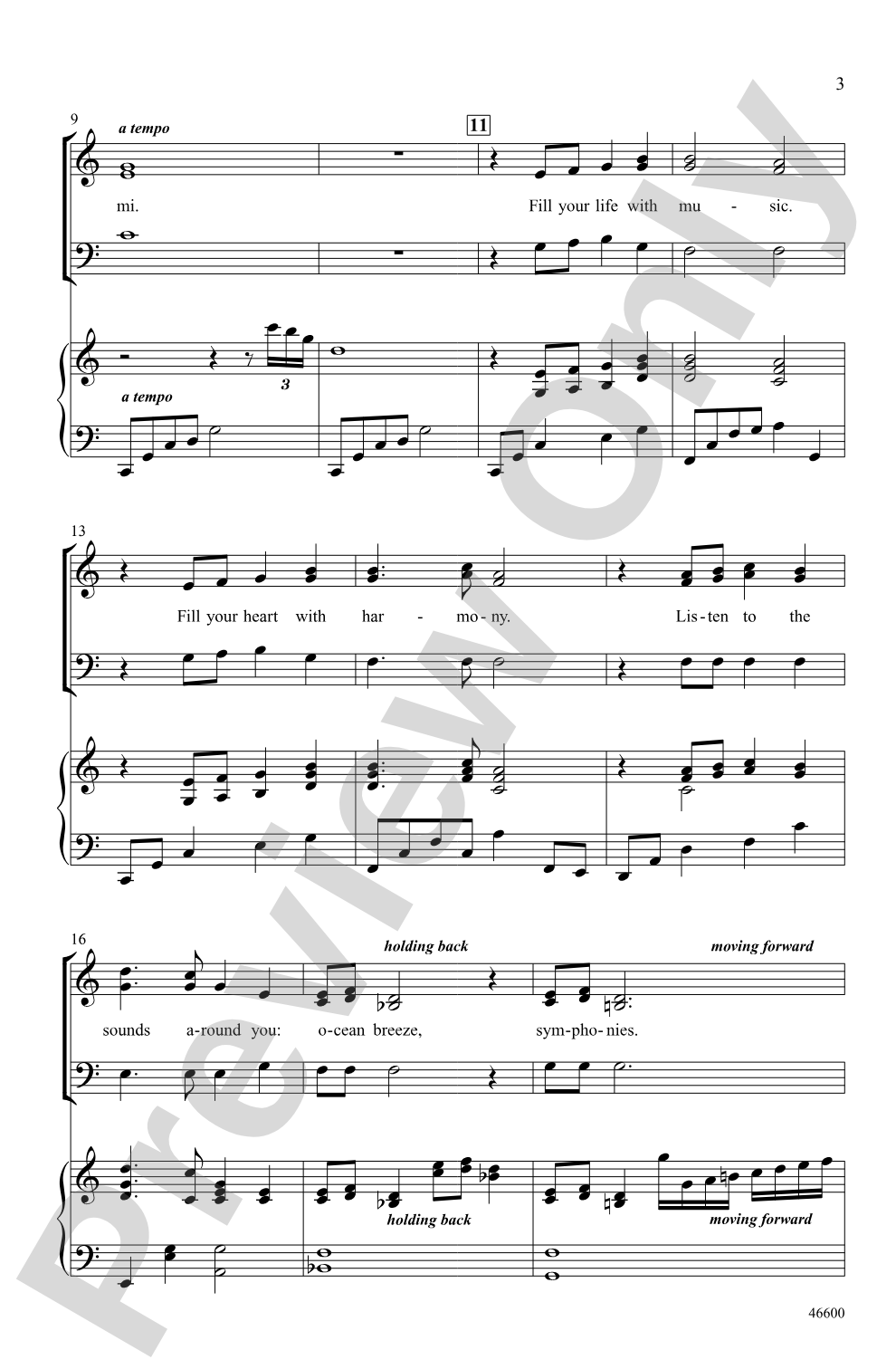

Fill Your Life with Music: SAB Choral Octavo
(Musica Dei)
Words and music by Sally K. Albrecht and Jay Althouse
Item: 00-PO-0005764
$2.05
Minimum order quantity: 20 copies
Pickup currently not available
Related Items
Fill Your Life with Music: PianoTrax Digital Download |
$9.99
|
View | |
Fill Your Life with Music: SATB Choral Octavo |
$2.05
|
View | |
Fill Your Life with Music: SSA Choral Octavo |
$2.05
|
View | |
Fill Your Life with Music: 2-Part Choral Octavo |
$2.05
|
View | |
Fill Your Life with Music: SATB Choral Octavo |
$2.05
|
View | |
Fill Your Life with Music: SAB Choral Octavo |
$2.05
|
View | |
Fill Your Life with Music: SSA Choral Octavo |
$2.05
|
View | |
Fill Your Life with Music: 2-Part Choral Octavo |
$2.05
|
View |
Description
Though most of the piece is in English, a brief Latin phrase provides the framework for this pensive meditation on the world of music and sound that surrounds us. The gentle ebb and flow of tempo allows choirs to explore new depths of choral expression. Sign language is available on Alfred's Movin' DVD.


Fill Your Life with Music: SAB Choral Octavo isn't in MakeMusic Cloud just yet...but it could be. Let us know you'd like to see it, and you'll help shape what comes next. In the meantime, start a free trial and dive into thousands of interactive titles your students can play along with today.
Request This Title
Tell us you want it.
Start Your Free Trial
Explore everything that's ready to play right now.
Sample Audio
1
Audio File
--:--
0:00
0:00
Sample Video
No sample videos found.
Additional Details
Series:
Alfred Choral Designs
Publisher:
Alfred Music
Page Count:
8
SKU:
00-PO-0005764
More about this title
About the Composer: Sally K. Albrecht
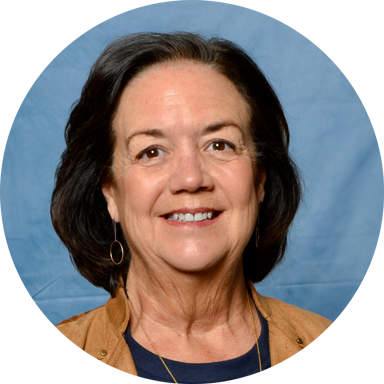
Sally K. Albrecht has spent her career advancing choral music in American schools and concert halls. Since 1987, she has received annual ASCAP Special Music Awards and maintained over 600 published choral works alongside 75 songbooks and musicals. She conducted honor choirs at prestigious venues including Lincoln Center, Carnegie Hall, and The Kennedy Center, and for more than thirty years shaped choral publication strategy at major educational music publishers, including her tenure as Director of School Choral, Vocal, and Elementary Publications at Alfred Music.
Albrecht holds degrees from Rollins College (B.A. in Music and Theater, 1976) and the University of Miami (M.A. in Drama, 1977; M.M. in Accompanying, 1979). She has taught at Oakland University, Jersey City State College, and Meredith College. In recognition of her sustained leadership, she received the Distinguished Alumna Award from both the University of Miami Frost School of Music and Rollins College in 2021, and previously served as Chair of the Board of Trustees for the Omicron Delta Kappa National Leadership Honor Society. She lives in Wake Forest, North Carolina, with her husband, composer and arranger Jay Althouse.
Why we love this
This piece captures something genuine about why we make music together. The flowing tempo changes and meditative character give singers real room to shape phrases with intention, and the strategic use of Latin anchors the piece intellectually while the English text keeps it intimate and personal. It's the kind of repertoire that reminds choirs why they began singing in the first place.
What to expect
The piece unfolds with a contemplative quality, inviting singers into a space where sound itself becomes the subject. Gentle curves in the pacing create a meditative atmosphere that feels both serene and purposeful, while the Latin text adds a touch of spiritual weight beneath the English meditation on music's presence in our lives.
Who it's for
SAB choirs seeking accessible yet thoughtful repertoire that explores genuine musical expression. This works well for choirs at the intermediate level who are ready to handle flexible tempos and want to program something that invites both personal reflection and ensemble unity.
How to get the most out of it
- Shape the tempo changes deliberately rather than abruptly; use slight ritardandi and accelerandi to let the music breathe and create the pensive mood Albrecht and Althouse built into the score.
- Balance the brief Latin passage carefully so it lands as a moment of reflection, not as unfamiliar or disconnected from the English text around it.
- Explore the movement and staging options (available through Alfred's Movin' DVD resources) during rehearsal to deepen the piece's expressive potential without overcomplicating a fundamentally vocal experience.
How to use it
Program this as a concert anchor—a moment of stillness and depth that gives audiences (and your singers) a chance to step back from faster-paced selections and consider the deeper reasons we gather to make music. It pairs well with more energetic pieces and works beautifully on programs centered on spirituality, reflection, or the art of music itself.
Skills your students will build
- Interpreting flexible tempo and responding to conductor cues for ritardandi and accelerandi
- Balancing Latin pronunciation with English text clarity
- Sustaining legit choral tone through longer phrases without vibrato or wavering pitch
- Creating ensemble blend in three-part writing with sensitive dynamic shaping