Closer to the Flame Cover Image

Closer to the Flame: SATB Choral Octavo

$2.05 USD
Sale price  $2.05 USD Regular price 
Skip to product information
Closer to the Flame Cover Image

Closer to the Flame: SATB Choral Octavo

Words by Susan Bentall Boersma, music by David Lantz III

Item: 00-37913

makemusic Cloud badge

Need it now?

Buy Digital Version
$2.05
Shipped

One moment…

Description
The buoyant music and hopeful text of this contemporary original are reminiscent of a traditional American folk song. A compelling accompaniment gracefully winds throughout, easily navigating metric changes. Parts for mandolin/guitar, bass, and violin are available free online.

Don't just read it, hear it, play along with it, and watch your students grow with it. In MakeMusic Cloud, Closer to the Flame: SATB Choral Octavo comes alive with professional accompaniment, adjustable tempo, and built-in practice tools that turn solo practice into real progress.

Sample Pages

Sample Audio
0:00
0:00
Sample Video
Additional Details
Series: Alfred Choral Designs
Publisher: Alfred Music
Page Count: 12
UPC: 038081423852
SKU: 00-37913
Instrumentation: Opt. Guitar/Mandolin, Bass & Violin

More about this title

About the Composer: David Lantz III
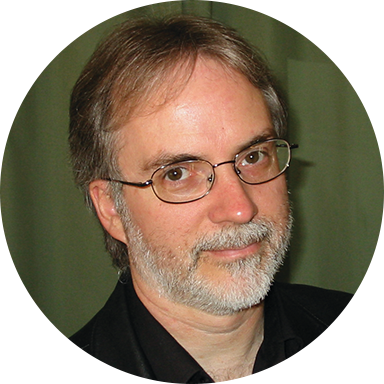
David Lantz III

David Lantz III brings two decades of classroom experience to his composing life as a full-time vocal music educator in Pennsylvania's public schools. His catalog of roughly 500 published works spans sacred and secular choral music alongside orchestral, band, jazz, and chamber compositions, establishing him as a versatile voice in contemporary choral writing.

Beyond the page, Lantz works as a skilled music editor and engraver, directs church choirs, and performs regularly as a bassist and vocalist in pop and jazz settings. He lives in northeastern Pennsylvania with his wife, composer Marti Lunn Lantz, and their five musically active children.

Why we love this

Lantz crafts a piece that bridges contemporary songwriting with the accessibility of American folk idiom, giving singers something genuinely singable that doesn't sacrifice musical sophistication. The metric flexibility embedded in the accompaniment keeps the piece moving naturally without feeling rhythmically punitive, and the optional instrumental parts (available free) turn a choral octavo into a versatile production tool for concert, contest, or smaller ensemble settings.

What to expect

The piece carries the warmth and directness of a familiar folk melody without sounding derivative. Its buoyancy comes from clear, singable lines paired with accompaniment that moves like a gentle current, supporting rather than overwhelming. There's an underlying optimism in both melody and harmony that sits comfortably in the middle register of choral music.

Who it's for

This octavo suits high school and adult community choirs seeking contemporary repertoire with immediate appeal. Directors programming mixed voices at festival level or building a concert that needs both accessibility and musical substance will find a reliable, audience-engaging choice here.

How to get the most out of it

  • Balance the choir's entrance against the accompaniment introduction; the recorded track helps but your singers need space to breathe their first phrase clearly.
  • Navigate the metric shifts by conducting the pulse, not the bar line. This prevents the ensemble from feeling rushed during the transitions.
  • If adding optional mandolin or violin parts, rehearse them independently first so accompanists own their lines before blending them into full rehearsals.
  • Let the text drive the dynamics. The hopeful character asks for forward energy, not a delicate interpretation.

How to use it

Program this as a centerpiece for a contemporary repertoire set, where it can bridge between more challenging art music and lighter selections. Its festival credentials and recorded accompaniment option make it equally at home in a solo-octavo contest submission or as part of a larger concert moment.

Skills your students will build

  • Reading and executing metric changes (transitions between time signatures within flowing phrases)
  • Balancing blend when optional instrumental parts are added
  • Text-driven phrasing and dynamic shaping in contemporary secular idiom
  • Intonation awareness in contemporary harmonic language

You May Also Like
