Closer to the Flame Cover Image

Closer to the Flame: Choral Octavo SoundTrax CD

$27.99 USD
Sale price  $27.99 USD Regular price 
Skip to product information
Closer to the Flame Cover Image

Closer to the Flame: Choral Octavo SoundTrax CD

Words by Susan Bentall Boersma, music by David Lantz III

Item: 00-37916

$27.99
Shipped

One moment…

Description
The buoyant music and hopeful text of this contemporary original are reminiscent of a traditional American folk song. A compelling accompaniment gracefully winds throughout, easily navigating metric changes. Parts for mandolin/guitar, bass, and violin are available free online.

Closer to the Flame: Choral Octavo SoundTrax CD isn't in MakeMusic Cloud just yet...but it could be. Let us know you'd like to see it, and you'll help shape what comes next. In the meantime, start a free trial and dive into thousands of interactive titles your students can play along with today.

Sample Pages

Sample Audio
0:00
0:00
Sample Video
Additional Details
Series: Alfred Choral Designs
Publisher: Alfred Music
UPC: 038081423883
SKU: 00-37916

More about this title

About the Composer: David Lantz III
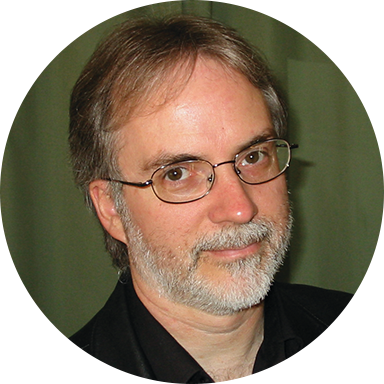
David Lantz III

David Lantz III brings twenty-plus years of classroom experience to his compositions, teaching vocal music in Pennsylvania's public school system while maintaining an active publishing presence with major U.S. music houses. His catalog spans roughly 500 works across choral, orchestral, band, jazz, and chamber genres, reflecting a composer equally comfortable writing for high school choirs and professional ensembles.

Beyond composition, Lantz works as a music editor and engraver, directs church choirs, and performs regularly as a bassist and vocalist in pop and jazz settings. He shares his creative household in northeastern Pennsylvania with his wife, composer Marti Lunn Lantz, and their five musically trained children.

Why we love this

Lantz captures something genuinely American in this piece without resorting to quotation or pastiche. The metric shifts never feel awkward or experimental because the accompaniment tracks the choir through every change, which means your singers stay confident and the music breathes naturally. The recorded accompaniment on this SoundTrax CD removes the barrier between conception and performance, letting you focus on musicality rather than tracking down a rehearsal pianist.

What to expect

The piece radiates quiet optimism. The melody sits comfortably in the middle voice, inviting singers to inhabit the text rather than strain for high notes, while the buoyant harmonic rhythm beneath it suggests motion without urgency. The accompaniment weaves gently through metric shifts that feel like natural conversational turns rather than compositional obstacles.

Who it's for

This octavo works for choirs of mixed voices at the high school or adult community level. The contemporary folk sensibility and hopeful character make it equally at home on a concert program or in a casual performance context, and the recorded accompaniment means you can perform it confidently even without a full pit band.

How to get the most out of it

  • Balance the choir carefully against the recorded accompaniment during your first rehearsals; the arrangement is generous with instrumental detail, so ask singers to find their pitch and line before worrying about blend with the track.
  • Let the metric changes breathe rather than rushing through them. Lantz writes them to feel inevitable, not surprising, so conduct them as natural phrases rather than technical hurdles.
  • Encourage soloists and section leaders to listen closely to how the mandolin and guitar voice the harmonies. These parts offer clear models for how upper and middle voices should sit together.
  • When you're ready to add the optional parts (mandolin/guitar, bass, violin), start with just the bass to anchor the rhythm and melody. The recorded accompaniment already provides a full harmonic foundation.

How to use it

Pair this with other contemporary secular works to build a concert set that feels cohesive and modern, or use it as a bridge piece between a heavier classical selection and an upbeat spiritual or folk arrangement. It works especially well in spring concerts where programs tend toward lighter, renewal-themed material, and its accessible character makes it ideal for community sings or non-auditioned ensemble performances.

Skills your students will build

  • Reading and singing through metric changes (transitions between time signatures)
  • Balancing ensemble sound against a recorded accompaniment track
  • Interpreting text-driven phrasing in a contemporary idiom
  • Listening to instrumental obbligatos as harmonic and melodic models

You May Also Like