Cantimus de Amore Cover Image

Cantimus de Amore: PartTrax Digital Audio Download

$49.99 USD
Sale price  $49.99 USD Regular price 
Skip to product information
Cantimus de Amore Cover Image

Cantimus de Amore: PartTrax Digital Audio Download

(We Sing of Love)

Words by John Parker, music by Mark Hayes

Item: 00-AA-0000379

$49.99
Digital Download
Description

Cantimus de Amore: PartTrax Digital Audio Download isn't in MakeMusic Cloud just yet...but it could be. Let us know you'd like to see it, and you'll help shape what comes next. In the meantime, start a free trial and dive into thousands of interactive titles your students can play along with today.

Sample Pages

No sample pages found.

Sample Audio
1 Cantimus de Amore SATB (Alto Dominant) --:--
2 Cantimus de Amore SATB (Bass Dominant) --:--
3 Cantimus de Amore SATB (Soprano Dominant) --:--

Cantimus de Amore SATB (Alto Dominant)

0:00
0:00
Sample Video
Additional Details
Series: Alfred Choral Designs
Publisher: Alfred Music
SKU: 00-AA-0000379

More about this title

About the Composer: Mark Hayes
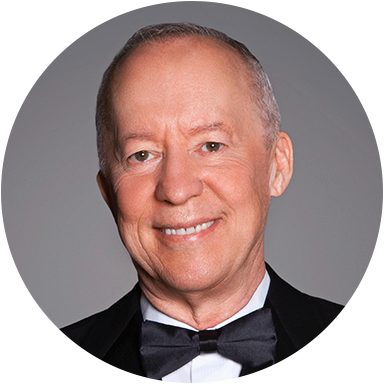
Mark Hayes

Mark Hayes brings nearly five decades of creative output to the choral world, with a catalog exceeding 1,750 published compositions across concert, sacred, and theatrical genres. A summa cum laude graduate in Piano Performance from Baylor University, Hayes has conducted major ensembles at Lincoln Center, the National Cathedral, and Carnegie Hall, earning the 2010 Award for Exemplary Leadership in Christian Music from his alma mater.

Beyond the concert hall, Hayes has shaped musical theater scores and orchestrated works for Broadway and regional stages, demonstrating a gift for writing across idioms without sacrificing craftsmanship. His dual mastery of keyboard and voice means his choral writing sits naturally on the page while his piano parts reward serious musicians. Based in Kansas City, Missouri, Hayes continues to compose at a prolific pace, driven by a commitment to creating music of lasting substance.

Why we love this

Hayes writes choral music that respects singers while remaining utterly singable. This secular work carries the hallmark sophistication of a composer whose experience spans concert halls and recording studios; the voicing feels inevitable, the phrasing breathes naturally, and the harmonic palette rewards careful listening without demanding specialist voices.

What to expect

Cantimus de Amore radiates warmth and accessibility without slipping into sentimentality. The emotional landscape is open and human, built on Hayes's instinct for writing melodies that singers and listeners alike can hold onto.

Who it's for

SATB choirs of intermediate to advanced capability will find rewarding material here. The work suits community choirs, church choirs stepping up their concert programming, and university ensembles seeking secular repertoire with substance.

How to get the most out of it

  • Balance the recorded accompaniment during early rehearsals to establish pitch and harmonic context, then gradually reduce reliance on it as the choir internalizes the harmonic progression.
  • Shape the melody through long lines rather than phrase-by-phrase punctuation; Hayes's writing invites sustained vocal elegance.
  • Attend closely to the alto and tenor lines, which carry essential harmonic color; these voices often move independently and deserve individual attention.
  • Settle the rhythm section (bass and baritone voices) with confidence to provide the harmonic anchor the recorded accompaniment expects.

How to use it

Position this as a centerpiece secular offering on a concert that may otherwise lean toward sacred repertoire, or program it to anchor a suite of love songs spanning different styles and periods. The PartTrax accompaniment makes it ideal for performances where piano support is essential.

Skills your students will build

  • Sustaining independent vocal lines within four-part harmony
  • Balancing ensemble blend while maintaining melodic clarity
  • Responding to recorded accompaniment cues and maintaining ensemble cohesion with technology
  • Interpreting text expression through Hayes's harmonic language

You May Also Like