Cantimus de Amore Cover Image

Cantimus de Amore: PartTrax Digital Audio Download

$49.99 USD
Sale price  $49.99 USD Regular price 
Skip to product information
Cantimus de Amore Cover Image

Cantimus de Amore: PartTrax Digital Audio Download

(We Sing of Love)

Words by John Parker, music by Mark Hayes

Item: 00-AA-0000380

$49.99
Digital Download
Description

Cantimus de Amore: PartTrax Digital Audio Download isn't in MakeMusic Cloud just yet...but it could be. Let us know you'd like to see it, and you'll help shape what comes next. In the meantime, start a free trial and dive into thousands of interactive titles your students can play along with today.

Sample Pages

No sample pages found.

Sample Audio
1 Cantimus de Amore SAB (Alto Dominant) --:--
2 Cantimus de Amore SAB (Baritone Dominant) --:--
3 Cantimus de Amore SAB (Soprano Dominant) --:--

Cantimus de Amore SAB (Alto Dominant)

0:00
0:00
Sample Video
Additional Details
Series: Alfred Choral Designs
Publisher: Alfred Music
SKU: 00-AA-0000380

More about this title

About the Composer: Mark Hayes
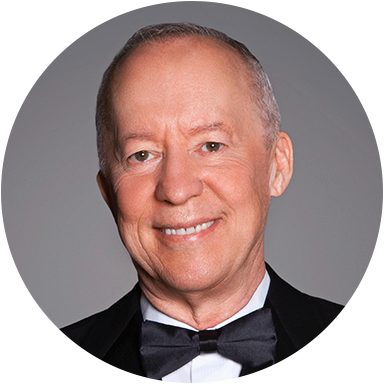
Mark Hayes

Mark Hayes has composed, arranged, and conducted music across concert halls, cathedrals, and festival stages worldwide. With over 1,750 published works to his name, he holds a summa cum laude degree in Piano Performance from Baylor University and has guest conducted at Lincoln Center, the National Cathedral, and Carnegie Hall. His compositions span sacred works like the Te Deum and Magnificat as well as secular pieces and large ensemble works.

Beyond choral music, Hayes has established himself as a prolific pianist, music theater orchestrator, and record producer. He received the 2010 Award for Exemplary Leadership in Christian Music from Baylor University's Center for Christian Music Studies. Whether composing at his home in Kansas City or premiering works internationally, Hayes continues to create music across classical, gospel, jazz, and musical theater idioms.

Why we love this

Hayes writes choral music that sits perfectly in the rehearsal space: clear part writing, singable ranges, and texts that resonate without overshadowing the musicianship. The SAB voicing paired with a recorded accompaniment means you can run this in rehearsal immediately, and the secular subject matter gives you a piece that programs well across seasons and settings.

What to expect

A lyrical, approachable setting that honors the tenderness of its subject without demanding advanced vocal technique. The piece unfolds with the clarity and craftsmanship Hayes brings to all his choral work, combining singable lines with warm harmonic support.

Who it's for

Directors working with mixed choirs at the community, church, or high school level who need secular repertoire that is musically solid and immediately singable. Singers who are building toward a cappella independence but benefit from harmonic guidance will find the accompaniment a useful teaching tool.

How to get the most out of it

  • Balance the three parts by having singers listen to the other two lines during sectionals; SAB voicing often struggles when the middle voice recedes.
  • Use the recorded accompaniment early in rehearsal to establish tempo and harmonic context before isolating voices.
  • Shape phrases expressively by identifying the melodic arc in each section, especially important in a love text where emotional authenticity matters.
  • Record a run-through with the accompaniment and play it back; singers often hear blend and intonation issues they miss in real time.

How to use it

Program this as a concert centerpiece for a spring or romantic themed program, where its secular text and accessible style complement both classical and contemporary selections. It also works well as a bridging piece between more complex works in rehearsal, offering singers a moment of confidence and musical satisfaction.

Skills your students will build

  • Singing in mixed three-part voicing with balanced tone across parts
  • Following a recorded accompaniment while maintaining independent pitch
  • Shaping and sustaining lyrical phrases with text-appropriate expression
  • Listening for harmonic placement and intonation in ensemble context

You May Also Like