Cantimus de Amore Cover Image

Cantimus de Amore: SAB Choral Octavo

$2.40 USD
Sale price  $2.40 USD Regular price 
Skip to product information
Cantimus de Amore Cover Image

Cantimus de Amore: SAB Choral Octavo

(We Sing of Love)

Words by John Parker, music by Mark Hayes

Item: 00-49854

makemusic Cloud badge

Need it now?

Buy Digital Version
$2.40
Shipped

One moment…

Description
The Baroque-era sound of this minor key concert work is truly captivating. Three phrases in Latin alternate with a largely English text about living life fully. Program as an opener/closer or madrigal choir feature.

As part of the PerformancePlus+ series, this title is in the MakeMusic Cloud interactive library. Subscribers can access additional resources, including assessment and recording tools, part-predominant and accompaniment tracks, PDF rehearsal guides, and more.

Don't just read it, hear it, play along with it, and watch your students grow with it. In MakeMusic Cloud, Cantimus de Amore: SAB Choral Octavo comes alive with professional accompaniment, adjustable tempo, and built-in practice tools that turn solo practice into real progress.

Sample Pages

Sample Audio
0:00
0:00
Sample Video
Additional Details
Series: Alfred Choral Designs
Publisher: Alfred Music
Page Count: 16
UPC: 038081571683
SKU: 00-49854

More about this title

About the Composer: Mark Hayes
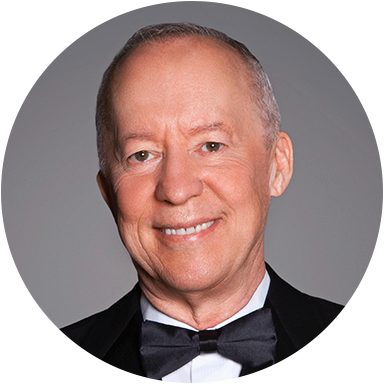
Mark Hayes

Mark Hayes has composed over 1,750 published works across every musical genre, earning recognition as a pianist, conductor, and arranger of international standing. He holds a summa cum laude degree in Piano Performance from Baylor University and has guest conducted at Lincoln Center, the National Cathedral, and Carnegie Hall, premiering major works including his Requiem at Lincoln Center in 2013 and again at St. Ignatius Basilica in Rome as part of a Vatican-sponsored festival.

Beyond choral music, Hayes has written extensively for solo piano (more than 100 books in print), orchestrated musicals including the award-winning Civil War Voices, and composed commissioned works for ensembles worldwide. In 2010, Baylor University honored him with the Award for Exemplary Leadership in Christian Music, recognizing a career devoted to creating accessible, beautiful music across sacred and secular contexts.

Why we love this

Hayes crafts a piece that feels genuinely singable for SAB ensembles while maintaining the harmonic sophistication and textural interest that keeps audiences engaged. The structural alternation between Latin and English texts gives your singers a chance to explore two distinct musical colors within a single work, and its modest length makes it an ideal concert anchor that won't exhaust younger voices.

What to expect

The minor key creates an introspective, slightly mysterious opening that gradually opens toward reflection on living fully. Hayes balances the formality of Latin text with the warmth of English, creating a piece that feels both contemplative and life-affirming, with harmonic language that recalls the Baroque while remaining thoroughly accessible.

Who it's for

SAB ensembles ranging from middle school to community choir level who want concert repertoire with genuine musical substance and moderate technical demands. Directors seeking a piece that programs well either as an opener or closer will find the work's compact form and distinctive Baroque flavor an asset.

How to get the most out of it

  • Emphasize the text painting in the English phrases; Hayes often sets the more reflective moments with lighter accompaniment, so let your singers breathe into those lines rather than rushing them.
  • Use the recorded accompaniment first during sectionals to lock in the minor key tonality, then gradually reduce your reliance on it during full rehearsals so the voices build ensemble confidence independently.
  • Shape the three Latin phrases as distinct musical statements rather than treating them as transitions. Each one benefits from a slight recharge of energy and focus.
  • Balance the SAB voicing carefully in passages where the Soprano and Alto parts diverge; Hayes's writing favors the soprano line, but underpowered altos will muddy the clarity he's worked into the harmonic progressions.

How to use it

Open a concert with this piece to establish an elegant, thoughtful tone before moving into lighter fare, or close one with it to leave audiences with something they'll remember. It also works beautifully as a feature for a madrigal ensemble or chamber choir within a larger concert, giving you a chance to highlight your most engaged singers.

Skills your students will build

  • Reading and sustaining melody in minor keys
  • Balancing three independent vocal lines with clear harmonic function
  • Executing rhythmic precision in moderate tempo without sacrificing musicality
  • Singing Latin pronunciation with confidence and clarity
  • Shifting between contrasting emotional and textual contexts within a single piece

You May Also Like
