Cantimus de Amore Cover Image

Cantimus de Amore: SATB Choral Octavo

$2.40 USD
Sale price  $2.40 USD Regular price 
Skip to product information
Cantimus de Amore Cover Image

Cantimus de Amore: SATB Choral Octavo

(We Sing of Love)

Words by John Parker, music by Mark Hayes

Item: 00-49853

makemusic Cloud badge

Need it now?

Buy Digital Version
$2.40
Shipped

One moment…

Description
The Baroque-era sound of this minor key concert work is truly captivating. Three phrases in Latin alternate with a largely English text about living life fully. Program as an opener/closer or madrigal choir feature.

As part of the PerformancePlus+ series, this title is in the MakeMusic Cloud interactive library. Subscribers can access additional resources, including assessment and recording tools, part-predominant and accompaniment tracks, PDF rehearsal guides, and more.

Don't just read it, hear it, play along with it, and watch your students grow with it. In MakeMusic Cloud, Cantimus de Amore: SATB Choral Octavo comes alive with professional accompaniment, adjustable tempo, and built-in practice tools that turn solo practice into real progress.

Sample Pages

Sample Audio
0:00
0:00
Sample Video
Additional Details
Series: Alfred Choral Designs
Publisher: Alfred Music
Page Count: 16
UPC: 038081571676
SKU: 00-49853

More about this title

About the Composer: Mark Hayes
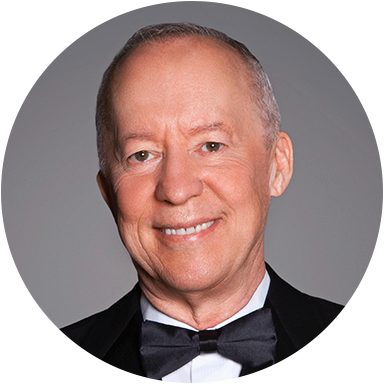
Mark Hayes

Mark Hayes has built a prolific career composing and arranging across nearly every musical genre. With over 1,750 published works to his name, he earned a summa cum laude degree in Piano Performance from Baylor University and has guest conducted at Lincoln Center, the National Cathedral, and Carnegie Hall. His sacred works, including Te Deum, Magnificat, and Gloria, have become staples in concert programming worldwide.

Beyond choral music, Hayes is deeply invested in orchestration, musical theater, and piano composition, with more than 100 piano books spanning gospel, classical, jazz, and Broadway idioms. His work has been recognized with major commissions from institutions like St. Paul's Co-educational College in Hong Kong for their centennial celebration. In 2010, Baylor University honored him with the Award for Exemplary Leadership in Christian Music, acknowledging his sustained contributions to the field.

Why we love this

Hayes writes with genuine understanding of how choral singers think and breathe. The interplay between Latin phrases and English text gives your singers something architecturally interesting to navigate, while the Baroque harmonic language sits comfortably in the voice without sacrificing sophistication. It's the kind of piece that sounds substantial in a concert program without demanding excessive rehearsal time.

What to expect

The Baroque sensibility runs through every phrase, creating an atmosphere both contemplative and alive. Minor key harmonies open into moments of unexpected warmth, while the Latin text adds gravitas and the English verses about seizing life bring a more intimate human voice to the foreground.

Who it's for

This works beautifully for SATB choirs with solid musicianship who can handle text painting and harmonic independence. It's equally suited to a concert choir looking for a feature piece or a madrigal ensemble wanting something more structured than traditional Renaissance fare.

How to get the most out of it

  • Balance the textural shift between the Latin sections and English passages by adjusting vowel clarity; the Latin phrases benefit from a warmer, more resonant approach while the English text should sit slightly forward
  • Layer in the recorded accompaniment during rehearsals early to establish harmonic grounding, then gradually pull back to let your singers carry more weight in final run-throughs
  • Give the harmonic minor tonality room to breathe; resist over-brightening vowels in the lower registers where the color of the minor key becomes most expressive

How to use it

Open your concert with this piece to establish an elevated tone from the first note, or close your program with it to leave audiences in a thoughtful mood. Its moderate length and blend of languages also make it an excellent anchor for a thematic program pairing sacred and secular traditions.

Skills your students will build

  • Reading and performing text in Latin with proper pronunciation and phrasing
  • Managing harmonic minor tonality and its expressive weight
  • Balancing textural contrast between paired languages within a single composition
  • Independent voice movement and harmonic awareness in a four-part texture

You May Also Like
