Band Today, Part 3 Cover Image

Band Today, Part 3: E-flat Alto Saxophone Book

$6.95 USD
Sale price  $6.95 USD Regular price 
Skip to product information
Band Today, Part 3 Cover Image

Band Today, Part 3: E-flat Alto Saxophone Book

A Band Method for Full Band Classes, Like-Instrument Classes or Individual Instruction

By James D. Ployhar

Item: 00-CBC00197

$6.95
Shipped

One moment…

Description
Band Today, Part Three is a basic method book for the advanced- intermediate level of band development. This method book will help develop a sound musical background and teach the musical skills necessary for membership in the more advanced school bands. Band Today, Part Three contains basic major and minor scales in addition to scale studies, rhythmic studies, chromatic scales, articulation studies and technic tunes designed to improve musicianship in a challenging and enjoyable manner. In addition there are studies of contemporary rhythms which will better prepare to play modern compositions by contemporary composers.

Band Today, Part 3: E-flat Alto Saxophone Book isn't in MakeMusic Cloud just yet...but it could be. Let us know you'd like to see it, and you'll help shape what comes next. In the meantime, start a free trial and dive into thousands of interactive titles your students can play along with today.

Sample Pages

No sample pages found.

Sample Audio
No sample audio found.
Sample Video
Additional Details
Series: Contemporary Band Course
Publisher: Alfred Music
Page Count: 32
ISBN10: 0-7692-2787-2
ISBN13: 978-0-7692-2787-0
UPC: 029156033403
SKU: 00-CBC00197
Instrumentation: E-flat Alto Saxophone

More about this title

About the Author: James D. Ployhar
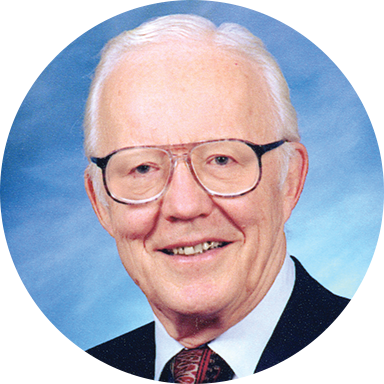
James D. Ployhar

James D. Ployhar has shaped instrumental music education through more than 800 published compositions and arrangements, establishing himself as a defining voice in the field. His Contemporary Band Course, now published by Alfred Music, serves as a foundational curriculum across the United States and has been adopted internationally, including widespread use throughout Norway in translated editions. Ployhar's orchestration expertise developed through direct study with Knud Havalde of the Danish Royal Philharmonic Orchestra, and his compositional voice has reached broadcast audiences on network television and concert halls throughout Europe, Japan, and the Pacific Rim.

Beyond the page, Ployhar spent over nineteen years teaching in public schools while simultaneously establishing himself as a clinician and conductor at the college and university level. His clinical appearances across the United States, Canada, Norway, Germany, and England earned consistent recognition from musicians and administrators. A graduate of Valley City State University with advanced degrees from Northern Colorado University and California State University-Long Beach, where he studied composition under Morris Hutchings Ruger, Ployhar received the National Band Association Citation of Excellence and the Distinguished Alumnus Award in recognition of his sustained contributions to band music and music education.

Why we love this

Ployhar's Part 3 maintains the methodical, musicianship-centered approach that made the Contemporary Band Course indispensable in thousands of programs, while introducing the rhythmic sophistication and harmonic vocabulary students need for contemporary repertoire. The balance between foundational scales and studies alongside modern rhythmic exploration means your students build technical security without losing sight of the music they're actually playing in rehearsal.

What to expect

Ployhar's writing here balances discipline with genuine musicality. The scale and technic work feels purposeful rather than obligatory because each study is framed within musical contexts, and the introduction of contemporary rhythmic patterns gives everything a forward-looking quality that connects to the music students actually hear on modern concert programs.

Who it's for

Advanced-intermediate alto saxophonists who are ready to move beyond fundamental method books and develop the technical and musical skills required for placement in stronger ensemble settings. This book suits players preparing to audition for competitive band programs or those already seated in advanced school ensembles who need focused, sequential skill-building alongside their ensemble rehearsals.

How to get the most out of it

  • Work through the scale studies systematically before moving to more complex rhythmic material; consistent daily scale practice at this level directly improves tone and intonation in full-band settings.
  • Isolate the contemporary rhythm studies and practice them slowly with a metronome first, then apply the patterns to the technic tunes to internalize modern rhythmic feels rather than simply reading them.
  • Use the articulation studies to establish clear tongue placement and air speed for each style; record yourself playing different articulation patterns back-to-back to hear the contrast you're creating.
  • Connect the chromatic scale work to pieces your band is preparing; when you encounter chromatic passages in contemporary compositions, you'll have this foundation already embedded.

How to use it

Assign Part 3 to your advanced band's second-year alto saxophonists as their primary stand-alone study material, working through it over the course of the year in parallel with ensemble rehearsals. The contemporary rhythm content provides an excellent bridge between traditional method-book learning and the actual demands of programming works by contemporary composers, so students encounter rhythmic concepts in controlled contexts before encountering them in full scores.

Skills your students will build

  • Major and minor scale construction and fluent execution
  • Chromatic scale facility across the alto saxophone range
  • Contemporary rhythmic patterns including syncopation and cross-rhythms
  • Controlled articulation styles (legato, staccato, and mixed approaches)
  • Technical precision and finger independence through graded technic tunes
  • Musicianship and expressive playing within structured study formats

You May Also Like