Twelve Gates Cover Image

Twelve Gates: SATB Choral Octavo

$1.75 USD
Sale price  $1.75 USD Regular price 
Skip to product information
Twelve Gates Cover Image

Twelve Gates: SATB Choral Octavo

Traditional Spiritual / arr. Lon Beery

Item: 00-27288

makemusic Cloud badge

Need it now?

Buy Digital Version
$1.75
Shipped

One moment…

Description
The gospel-style vocals rock, the driving accompaniment kicks it up a notch, but it may be the stop-time section that stands out most in this not-so-traditional arrangement of a traditional spiritual. Lon Beery's careful attention to appropriate vocal ranges is apparent in all voicings, even offering an optional baritone part in the 3-part mixed. With so much going for it, it's hard to say whether this piece is more educational or entertaining. A must have!

Don't just read it, hear it, play along with it, and watch your students grow with it. In MakeMusic Cloud, Twelve Gates: SATB Choral Octavo comes alive with professional accompaniment, adjustable tempo, and built-in practice tools that turn solo practice into real progress.

Sample Pages

Sample Audio
0:00
0:00
Sample Video
Additional Details
Series: Alfred Choral Designs
Publisher: Alfred Music
Page Count: 12
UPC: 038081295480
SKU: 00-27288

More about this title

About the Arranger: Lon Beery
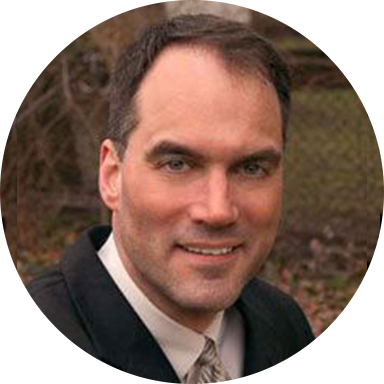
Lon Beery

Lon Beery directs six choruses at Spry Middle School in Webster, New York, where he oversees a choral program serving 500 students. His arrangements and compositions have been published by Alfred Music, BriLee, and other major catalogs; his TTBB composition I Believe was performed by the U.S. Army Chorus at President Ronald Reagan's internment service.

Beery has received multiple ASCAP Standard Awards for his compositions and contributed articles to the Choral Journal and Music Educators Journal. He regularly presents at state, regional, and national conferences of ACDA and MENC, and currently chairs the Middle School division for New York ACDA.

Why we love this

Beery's arrangement captures the energy of gospel music without requiring your choir to fundamentally shift how they approach the spiritual form. The stop-time section gives students a genuine point of musical contrast to rehearse and perform, and the optional baritone part shows thoughtful writing for mixed ensembles where voice distribution matters.

What to expect

The piece pulses with infectious energy from the driving accompaniment while maintaining the dignity of the spiritual's text. The stop-time sections create moments of breathless anticipation, pulling the listener into the emotional arc before the gospel-style vocal writing takes hold again.

Who it's for

This arrangement works well for middle school and high school choirs ready to engage with gospel idioms while building on their foundation with traditional spirituals. It's also effective for community, church, and college choirs seeking a contemporary take on a familiar tradition without sacrificing singability.

How to get the most out of it

  • Shape the stop-time section with clear physical cues from your conducting hand; students need to feel the rhythmic tension these moments create, and precision here makes the gospel feel authentic rather than choppy.
  • Balance the driving accompaniment so it energizes without overwhelming the vocal lines; recorded accompaniment can help establish this balance during rehearsal.
  • Encourage singers to feel the gospel phrasing in their own voice parts, not just in solo passages; the ensemble works best when everyone understands the stylistic context.

How to use it

This arrangement opens programming possibilities beyond a standard spiritual set; place it alongside traditional spirituals to show how the genre continues to evolve, or pair it with other contemporary sacred works for a diverse concert program. The stop-time writing and gospel vocabulary also make it a strong anchor piece for a concert exploring American musical traditions.

Skills your students will build

  • Gospel phrasing and stylistic interpretation
  • Stop-time rhythm coordination across all voice parts
  • Blend and balance in SATB voicing with optional baritone part
  • Ensemble precision with driving accompaniment
  • Negotiating vocal ranges appropriate to each part

You May Also Like
