
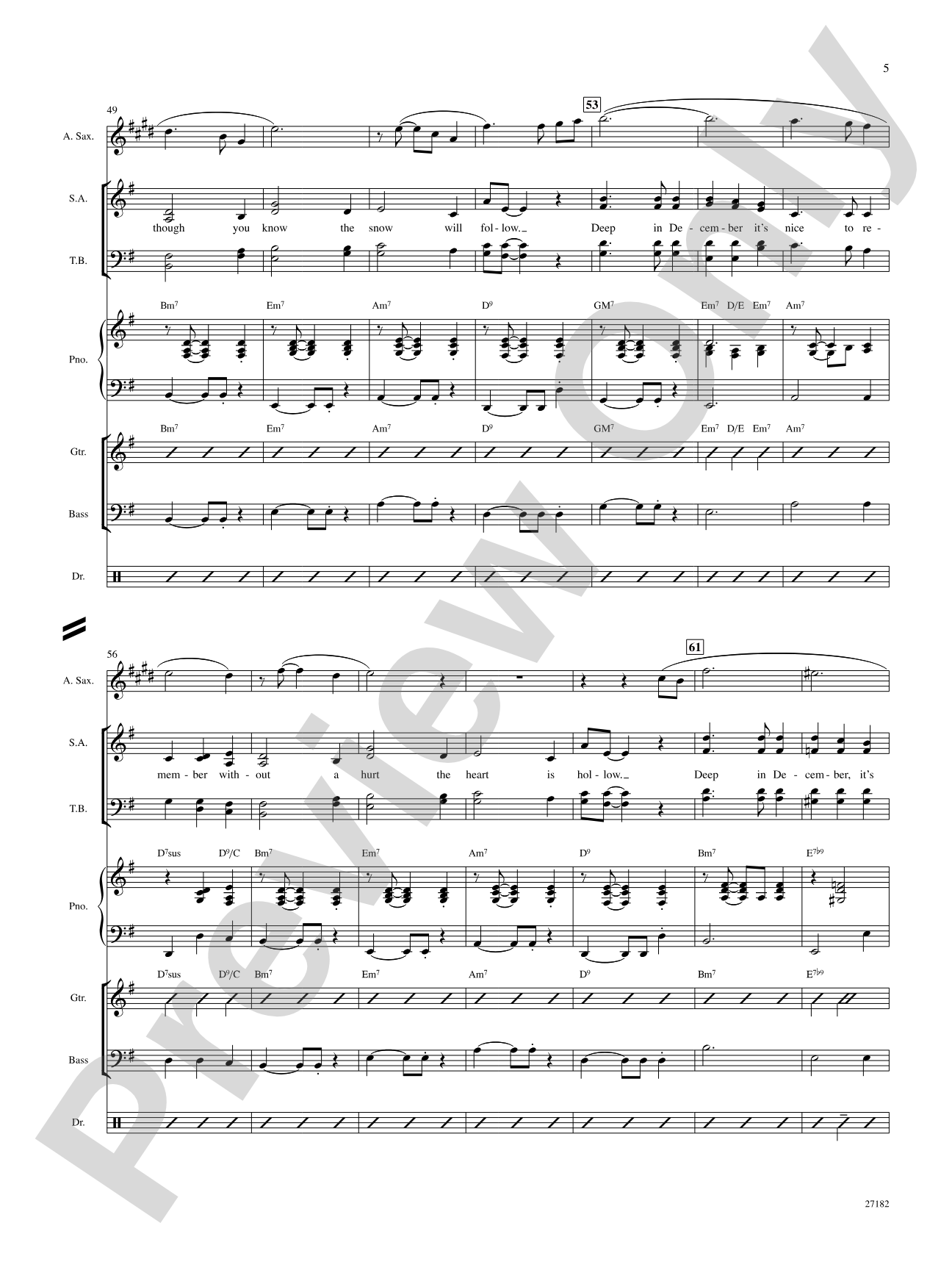
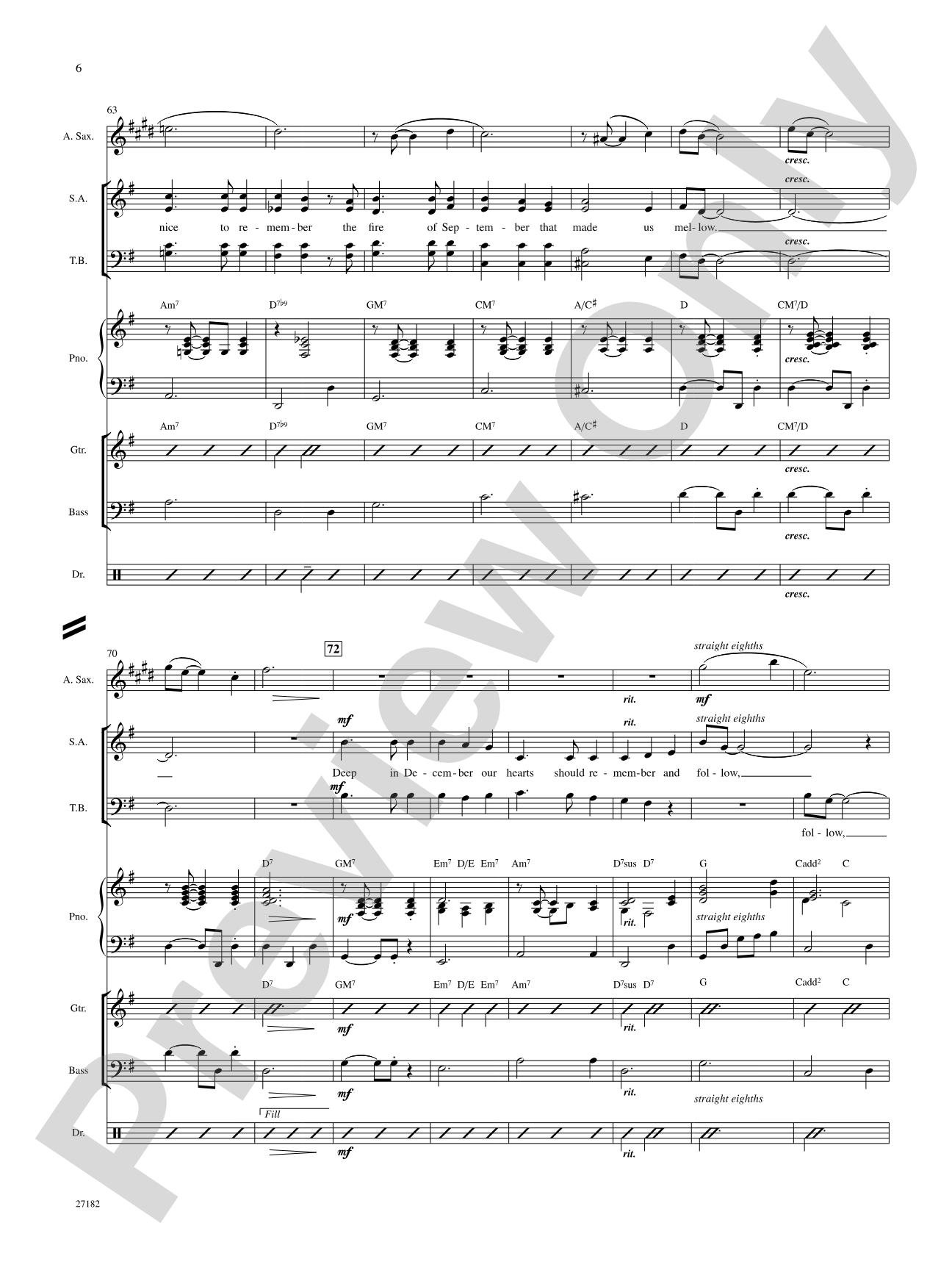
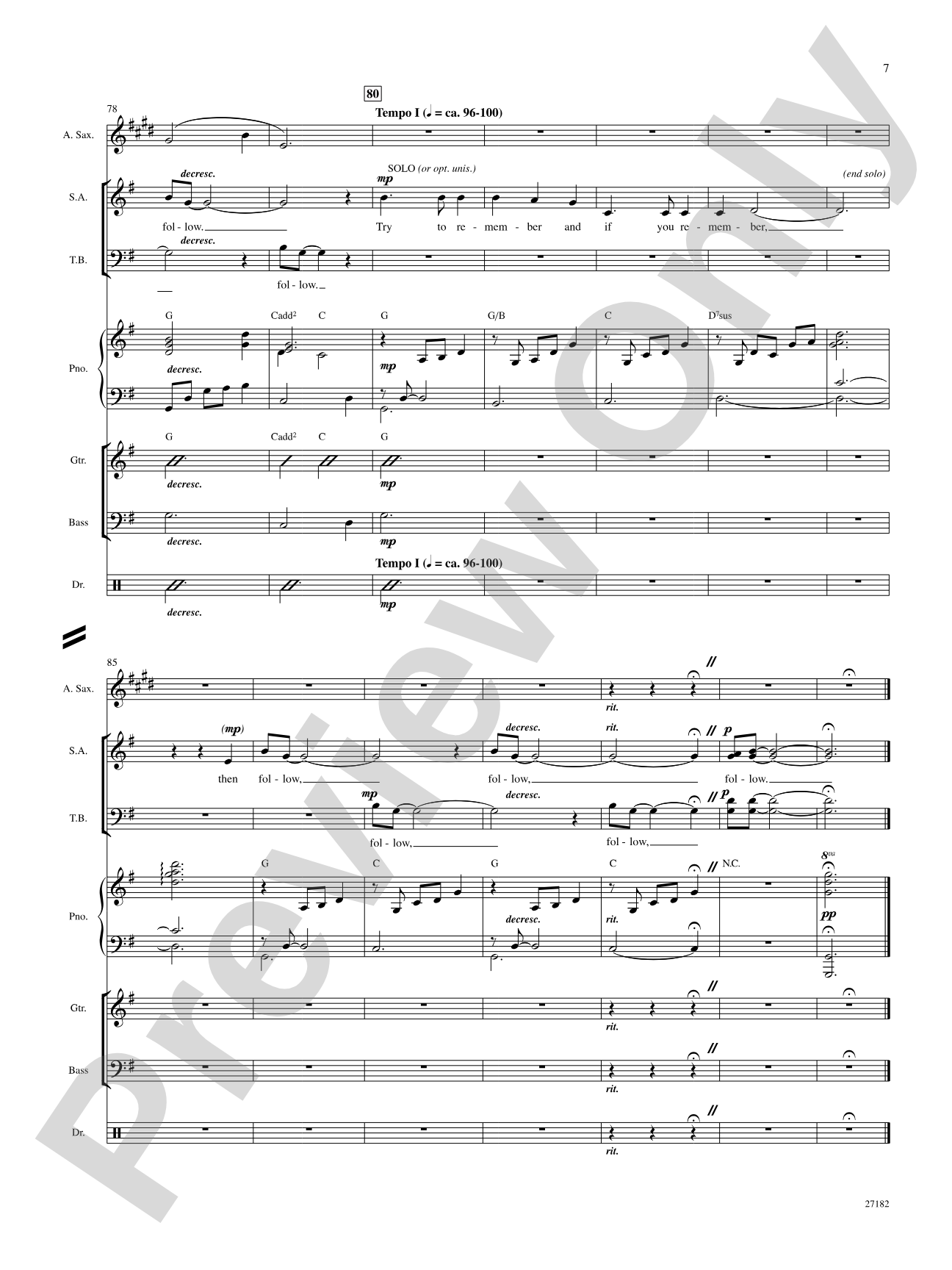


Try to Remember (from The Fantasticks): Choral SoundPax
From The Fantasticks
Lyrics by Harvey Schmidt, music by Tom Jones / arr. Jay Althouse
Item: 00-PK-0001303

$25.00
One moment…
Related Items
Try to Remember: SoundTrax Digital Audio Download |
$22.95
|
View | |
Try to Remember (from The Fantasticks): SATB Choral Octavo |
$2.25
|
View | |
Try to Remember (from The Fantasticks): SAB Choral Octavo |
$2.25
|
View | |
Try to Remember: SSA Choral Octavo |
$1.85
|
View | |
Try to Remember: 2-Part Choral Octavo |
$1.85
|
View | |
Try to Remember: SATB Choral Octavo |
$2.25
|
View | |
Try to Remember: SAB Choral Octavo |
$2.25
|
View | |
Try to Remember: SSA Choral Octavo |
$1.85
|
View | |
Try to Remember: 2-Part Choral Octavo |
$1.85
|
View | |
Try to Remember: Choral Octavo SoundTrax CD |
$27.99
|
View | |
Try to Remember: Choral SoundPax |
$25.00
|
View |
Description
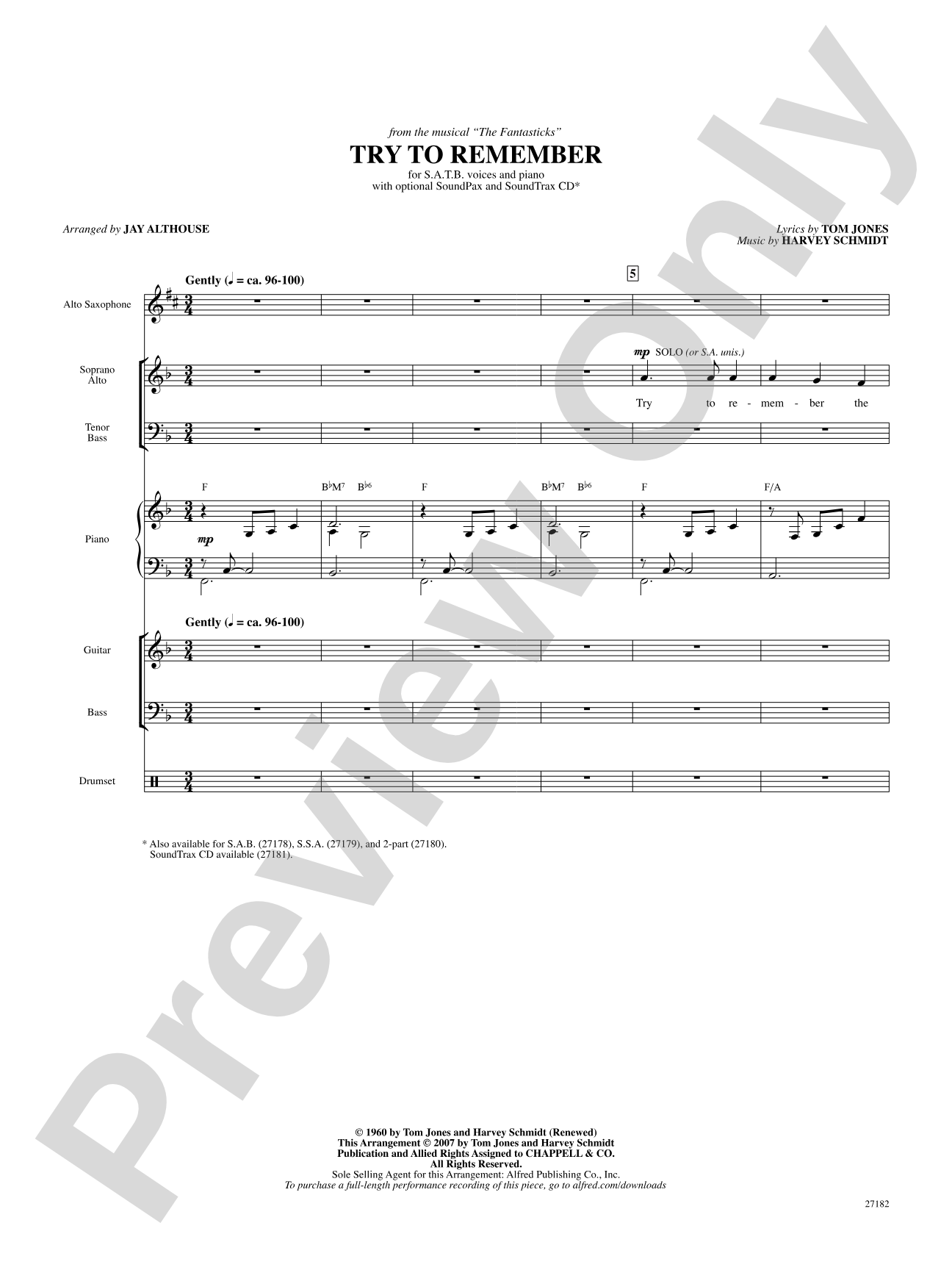
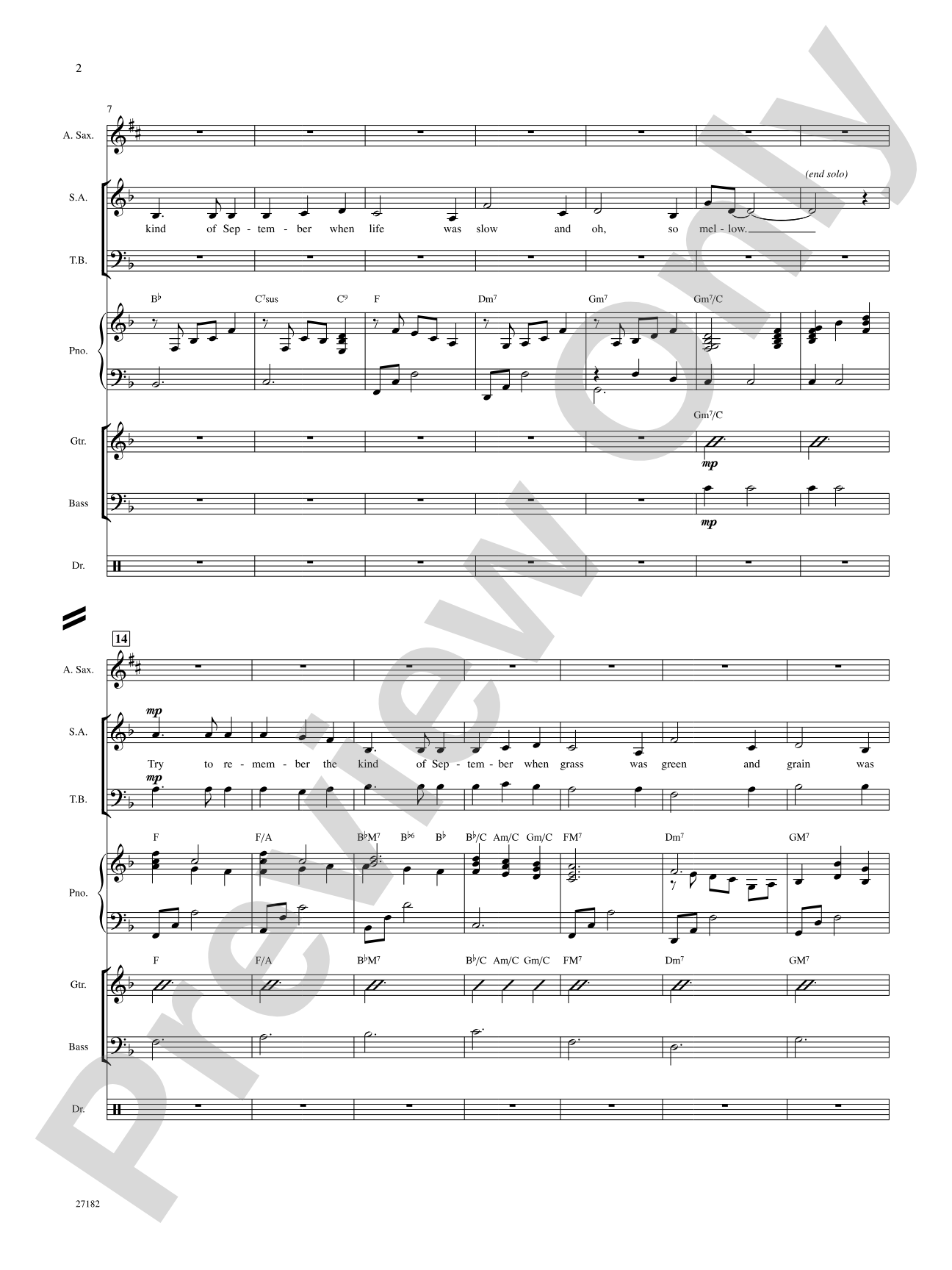
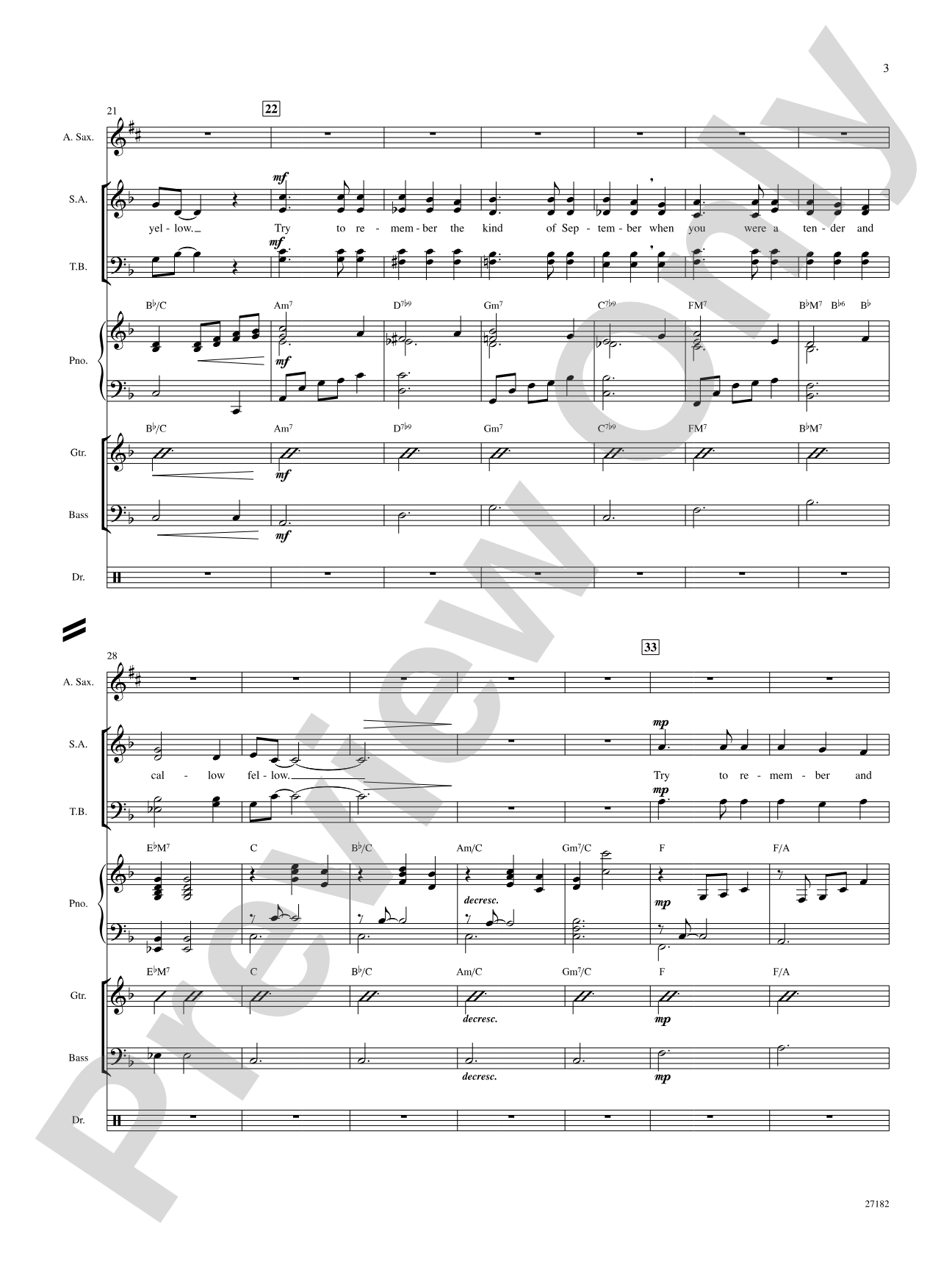
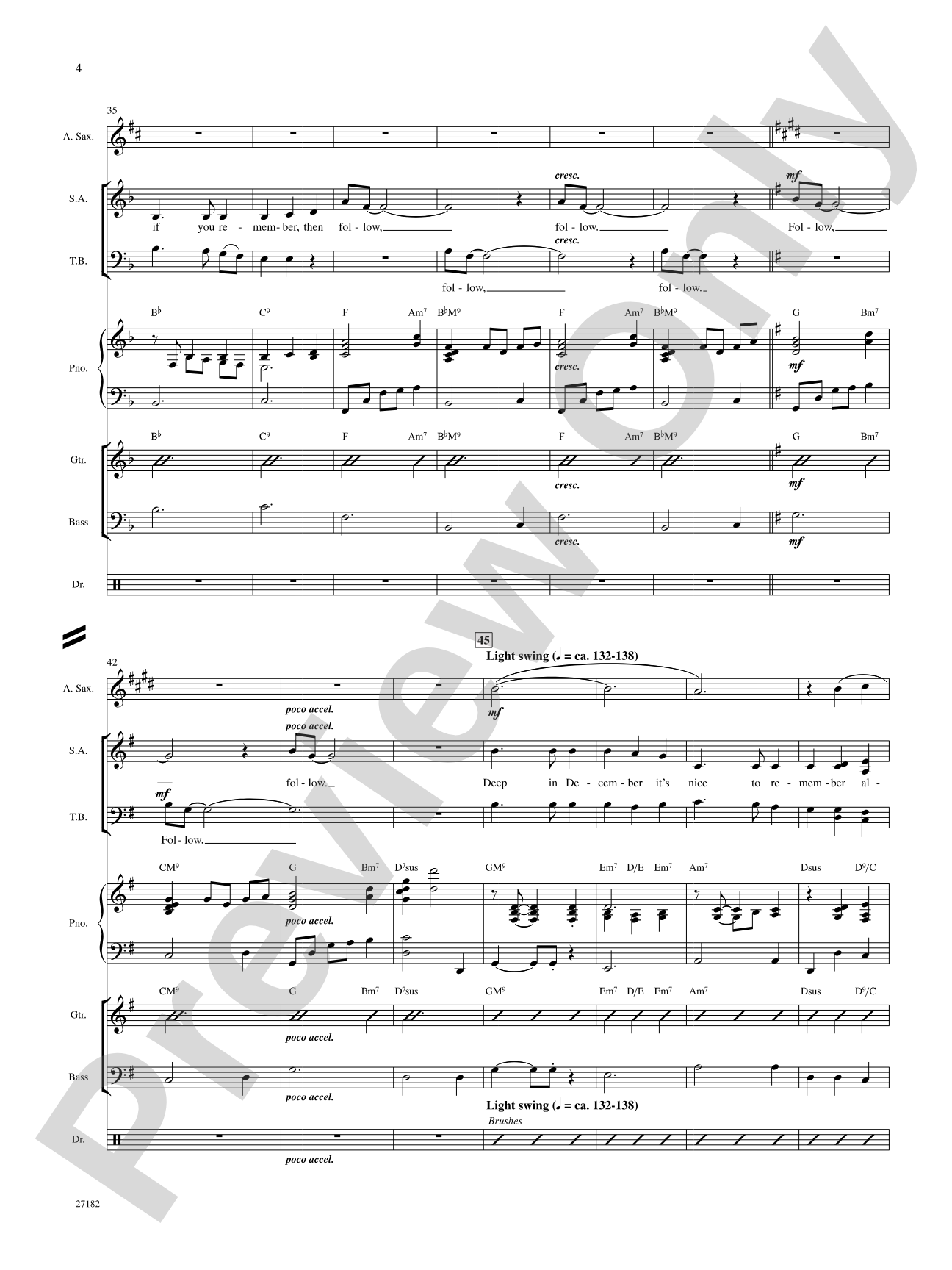
After running for more than 30 years off-Broadway, the musical legend The Fantasticks has re-opened to great reviews. The show is timeless, and so is its music. In this arrangement of the elegant opening number, the tune is stated first in a straightforward manner, then becomes a light jazz waltz. Perfectly arranged for all your groups, large or small, regardless of age.


Don't just read it, hear it, play along with it, and watch your students grow with it. In MakeMusic Cloud, Try to Remember (from The Fantasticks): Choral SoundPax comes alive with professional accompaniment, adjustable tempo, and built-in practice tools that turn solo practice into real progress.
Open in the Player
Jump straight in and assign it today.
Start Your Free Trial
Open this title and explore the full library in minutes.
Sample Audio
1
Audio File
--:--
0:00
0:00
Sample Video
No sample videos found.
Additional Details
Series:
Alfred Pop Choral Series
Publisher:
Alfred Music
Page Count:
12
SKU:
00-PK-0001303
Instrumentation:
SoundPax
More about this title
About the Composer: Harvey Schmidt
Harvey Schmidt composed the score for The Fantasticks alongside lyricist Tom Jones, creating one of the longest-running musicals in American theater history. His melodic gift and elegant orchestrations defined the show's timeless appeal, proving that theatrical music doesn't require spectacle to move audiences. Schmidt's work remains a cornerstone of musical theater education and repertoire.
Why we love this
Jay Althouse's arrangement respects the song's inherent beauty while giving it fresh energy through the jazz waltz sections, making it engaging for singers without overshadowing the melody. The straightforward opening followed by the rhythmic pivot keeps rehearsals interesting and gives your ensemble two distinct musical experiences in one piece. It's genuinely accessible for groups of any size, which means you can program it confidently whether you're working with your chamber singers or your full ensemble.
What to expect
The opening unfolds with the tenderness that made The Fantasticks legendary, allowing the melody to speak with intimacy and simplicity. When the jazz waltz arrives, the piece shifts into something lighter and more rhythmically playful, giving singers a chance to explore swing articulation and jazz phrasing while remaining rooted in the original's emotional core.
Who it's for
This arrangement works for any choir director seeking reliable, singable repertoire that spans musical theater and jazz idioms. Whether you're building a pop choral concert, introducing students to theatrical music, or programming an all-ages concert, this piece serves multiple ensemble sizes without requiring a full orchestra.
How to get the most out of it
- Balance the vocal melody against the rhythm section during the jazz waltz sections; the tune should float above the accompaniment without fighting for attention.
- Let the straightforward opening breathe with natural phrasing. This section sets up the emotional anchor before the arrangement shifts into swing feel.
- Shape the transition into the jazz waltz deliberately so the tempo and rhythmic approach feel intentional, not abrupt. Rehearse this moment separately if needed.
- Use the recorded accompaniment to lock in the swing articulation and rhythmic precision the waltz sections demand.
How to use it
Open a concert with this piece to establish a theatrical or contemporary choral identity right away. It pairs naturally with other musical theater selections or with original jazz compositions, and it's substantial enough to anchor a pop choral set without requiring full orchestration. Consider it for spring or Broadway-themed concerts where you want something immediately recognizable yet arranged fresh.
Skills your students will build
- Singing in swing articulation and jazz phrasing
- Navigating style contrasts within a single piece (ballad to jazz waltz)
- Maintaining ensemble precision in waltz meter (3/4) with syncopated rhythms
- Blending with recorded accompaniment and rhythm section parts