The Spirituals of Harry T. Burleigh Cover Image

The Spirituals of Harry T. Burleigh: High Voice Book

$29.99 USD
Sale price  $29.99 USD Regular price 
Skip to product information
The Spirituals of Harry T. Burleigh Cover Image

The Spirituals of Harry T. Burleigh: High Voice Book

Arr. for solo voice by Harry T. Burleigh

Item: 00-EL03151

$29.99
Shipped

One moment…

Description
Harry Burleigh's music falls into three categories: secular, religious, and sacred. This 200-page collection is a treasure of history made usable in his fine arrangements. "Deep River" was published in 1917, the first of many to make Burleigh well-known as a composer.

The Spirituals of Harry T. Burleigh: High Voice Book isn't in MakeMusic Cloud just yet...but it could be. Let us know you'd like to see it, and you'll help shape what comes next. In the meantime, start a free trial and dive into thousands of interactive titles your students can play along with today.

Sample Pages

Sample Audio
0:00
0:00
Sample Video
Additional Details
Publisher: Alfred Music
Page Count: 204
ISBN10: 0-7692-3441-0
ISBN13: 978-0-7692-3441-0
UPC: 029156149517
SKU: 00-EL03151

More about this title

About the Arranger: Harry T. Burleigh
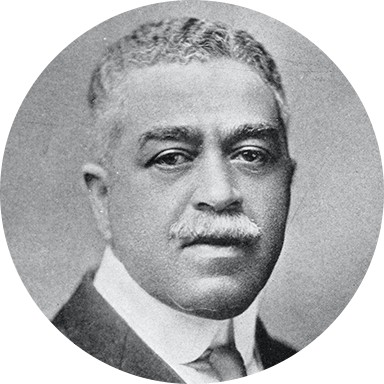
Harry T. Burleigh

Harry Thacker Burleigh (1866–1949) was an American singer, arranger, and composer who fundamentally shaped how African American spirituals entered the concert music canon. A student of Antonín Dvořák at the National Conservatory of Music in New York City, Burleigh introduced the master composer to the depth and sophistication of Black American vocal traditions. Through this creative exchange, Burleigh helped establish spirituals as serious art music worthy of arrangements for trained voices and concert settings.

Burleigh's career as a soloist and church musician in New York City spanning five decades (1894–1946 at St. George's Church and 1900–1925 at Temple Emanuel) gave him platforms to champion these arrangements. He composed over 200 songs and became the leading figure in spiritual arrangement during the early twentieth century, creating works that preserve cultural memory while meeting the technical and artistic demands of professional singers.

Why we love this

Burleigh's arrangements balance historical authenticity with genuine musicality, never treating spirituals as museum pieces. These settings reveal the harmonic richness and emotional nuance that make the spiritual tradition enduring, and the high voice tessitura opens these profound works to sopranos and tenor soloists who might otherwise have limited access to this repertoire.

What to expect

Intimate, profound, and dignified. Burleigh's settings invite you into private spaces of reflection and faith, with piano accompaniments that are conversational and supportive rather than ornate. The spirituals shimmer with remembered sorrow, quiet strength, and moments of transcendence, creating a soundworld that feels both rooted in tradition and timelessly moving.

Who it's for

High voice soloists preparing recital repertoire, soprano and tenor singers seeking meaningful concert material, and singers in church, chamber, and art song settings who want authentic spiritual arrangements written for serious vocalists. This collection serves singers at intermediate through advanced levels who can navigate the harmonic language and emotional demands of concert spirituals.

How to get the most out of it

  • Shape the melodic line to honor the spiritual's narrative arc; these are stories of struggle, faith, and resilience that deserve vocal gestures that unfold the emotional journey rather than dash through phrases.
  • Approach the accompaniment as a conversation partner, not background. Burleigh's piano writing contains harmonic sophistication that supports and occasionally comments on the vocal line.
  • Attend to the text setting carefully. Burleigh's word choices and prosody guide phrasing and breath placement; trust his choices and let them inform your interpretation.
  • Sing with evenness across the passaggio; many of these songs sit in the upper-middle voice and benefit from a warm, connected tone that doesn't crack or thin in transitions.

How to use it

Build a recital around a group of these spirituals, pairing them with art songs or other concert repertoire to create thematic programming that honors African American musical contributions to classical vocal literature. These pieces work powerfully as closing or climactic moments in a concert, and a single spiritual can anchor a diverse program centered on American music or themes of cultural resilience.

Skills your students will build

  • Interpreting spirituals with historical sensitivity and artistic depth
  • Navigating the harmonic language of early twentieth-century art song arrangements
  • Phrasing and text expression in narratively complex vocal music
  • Reading scores with sophisticated piano accompaniments

You May Also Like