The Spirituals of Harry T. Burleigh Cover Image

The Spirituals of Harry T. Burleigh: Low Voice Book

$29.95 USD
Sale price  $29.95 USD Regular price 
Skip to product information
The Spirituals of Harry T. Burleigh Cover Image

The Spirituals of Harry T. Burleigh: Low Voice Book

Arr. for Solo voice by Harry T. Burleigh

Item: 00-EL03150

$29.95
Shipped

One moment…

Description
Harry Burleigh's music falls into three categories: secular, religious, and sacred. This 200-page collection is a treasure of history made usable in his fine arrangements. "Deep River" was published in 1917, the first of many to make Burleigh well-known as a composer.

The Spirituals of Harry T. Burleigh: Low Voice Book isn't in MakeMusic Cloud just yet...but it could be. Let us know you'd like to see it, and you'll help shape what comes next. In the meantime, start a free trial and dive into thousands of interactive titles your students can play along with today.

Sample Pages

Sample Audio
0:00
0:00
Sample Video
Additional Details
Publisher: Alfred Music
Page Count: 204
ISBN10: 0-7692-5977-4
ISBN13: 978-0-7692-5977-2
UPC: 029156136395
SKU: 00-EL03150

More about this title

About the Arranger: Harry T. Burleigh
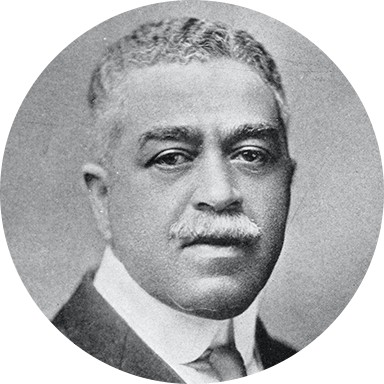
Harry T. Burleigh

Harry Thacker Burleigh (1866–1949) was a trailblazing American singer and composer whose arrangements of African American spirituals became canonical in the vocal repertoire. A student of Antonín Dvořák at the National Conservatory of Music in New York, Burleigh introduced his mentor to the depth and artistry of Black American folk traditions, shaping Dvořák's understanding of American music. For over five decades, Burleigh served as a professional soloist at St. George's Church (1894–1946) and Temple Emanuel (1900–25), platforms from which he championed spirituals as serious art music worthy of concert halls and recital stages.

Burleigh composed over 200 songs across secular, religious, and sacred genres, but his legacy rests foremost on his arrangements of spirituals. Beginning with "Deep River" in 1917, he created authoritative settings that preserved the emotional and spiritual essence of these traditions while rendering them accessible to trained singers and accompanists. His work established the spiritual as a legitimate concert form and demonstrated that folk traditions could be elevated without being diluted.

Why we love this

Burleigh's arrangements strike a rare balance between scholarly respect for the spiritual tradition and genuine singability for trained vocalists. Unlike arrangements that either oversimplify or obscure the source material, these settings honor both the cultural roots and the musical artistry, making them as rewarding for a low voice singer in a recital as they are historically important. The collection's scope and depth mean you have authentic material that programs beautifully and carries real weight.

What to expect

These arrangements carry the dignity and depth of their source material while speaking in a language of refined harmony and formal song structure. There's a contemplative, often mournful quality to many of these spirituals, balanced by moments of profound hope and resilience. Singing them engages both the voice and the spirit in ways that purely secular song rarely does.

Who it's for

This collection serves low voice singers preparing recital programs, professional vocalists seeking authentic spiritual arrangements, and singers studying the American vocal canon. It's equally valuable for music students exploring the intersection of folk tradition and art song, and for singers who want repertoire with both cultural significance and vocal substance.

How to get the most out of it

  • Honor the text with clarity and directness. These spirituals emerge from oral traditions built on storytelling; every word should land without affectation or over-interpretation.
  • Shape phrases according to the harmonic progression rather than artificial breath points. Burleigh's piano writing guides the vocal line, and respecting that architecture creates cohesion.
  • Balance the formality of the arrangement with the warmth of the tradition. These are concert spirituals, but they should never sound stiff or distant.
  • Coordinate closely with your accompanist on tempo and dynamic shape. The piano part is integral, not subordinate, and the most moving performances emerge from genuine collaboration.

How to use it

Build a recital around spirituals as a cohesive set, drawing from this collection to explore themes of faith, struggle, and transcendence. Mix them with art songs in other genres to create programs that honor multiple traditions and deepen the listener's understanding of American vocal literature. These pieces also serve well in memorial or tribute concerts where their emotional depth becomes particularly resonant.

Skills your students will build

  • Singing spirituals with stylistic authenticity and historical awareness
  • Sustaining longer phrases with natural breath support and line continuity
  • Interpreting text-driven music with emotional clarity and restraint
  • Collaborating with piano accompaniment where the harmonic language is central to interpretation
  • Understanding the spiritual as a legitimate art song genre with roots in African American tradition

You May Also Like