The Spirituals of Harry T. Burleigh Cover Image

The Spirituals of Harry T. Burleigh: Low Voice 2 CDs

$27.99 USD
Sale price  $27.99 USD Regular price 
Skip to product information
The Spirituals of Harry T. Burleigh Cover Image

The Spirituals of Harry T. Burleigh: Low Voice 2 CDs

Arr. for Solo voice by Harry T. Burleigh

Item: 00-27265

$27.99
Shipped

One moment…

Description
Harry Burleigh's music falls into three categories: secular, religious, and sacred. This 200-page collection is a treasure of history made usable in his fine arrangements. "Deep River" was published in 1917, the first of many to make Burleigh well-known as a composer.

The Spirituals of Harry T. Burleigh: Low Voice 2 CDs isn't in MakeMusic Cloud just yet...but it could be. Let us know you'd like to see it, and you'll help shape what comes next. In the meantime, start a free trial and dive into thousands of interactive titles your students can play along with today.

Sample Pages

Sample Audio
0:00
0:00
Sample Video
Additional Details
Publisher: Alfred Music
ISBN10: 0-7390-4527-X
ISBN13: 978-0-7390-4527-5
UPC: 038081295251
SKU: 00-27265

More about this title

About the Arranger: Harry T. Burleigh
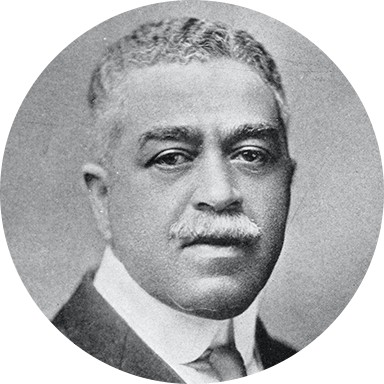
Harry T. Burleigh

Harry Thacker Burleigh (1866–1949) was an American baritone, composer, and arranger whose artistry bridged classical and folk traditions. A student of Antonín Dvořák at the National Conservatory of Music in New York City, Burleigh introduced his celebrated teacher to the spiritual traditions of African American vocal music, profoundly shaping Dvořák's compositional voice.

Burleigh's five-decade tenure as a soloist at St. George's Church in Manhattan (1894–1946) and at Temple Emanuel (1900–25) positioned him as one of the most respected voices in American music. He composed over 200 songs and became the preeminent arranger of African American spirituals, creating concert-ready versions that honored the emotional depth and historical significance of the tradition while making these works accessible to broad audiences.

Why we love this

Burleigh's arrangements transform spirituals into art songs without sacrificing their soul. This collection offers low voice singers substantial, dignified repertoire grounded in American cultural heritage, with accompaniments that reflect both Burleigh's classical training and his deep respect for the vocal traditions he grew up hearing.

What to expect

These arrangements carry the weight of American history while remaining intimate and singable. The piano writing is lyrical and supportive, creating an atmosphere of both vulnerability and quiet strength that allows each spiritual's spiritual essence to resonate fully.

Who it's for

Low voice singers preparing for recitals, auditions, or concert performances seeking repertoire with historical gravitas and emotional authenticity. Students of American music history and anyone wanting to deepen their understanding of how spirituals were adapted for formal vocal performance contexts.

How to get the most out of it

  • Honor the text as narrative. Burleigh's arrangements tell stories of faith, resilience, and longing; invest in clear diction and emotional specificity in each phrase.
  • Listen to historical recordings of spirituals beyond this collection to understand the vocal traditions from which these arrangements emerge.
  • Balance the piano part carefully. Burleigh's accompaniments are sophisticated and integral to the arrangement, not merely supportive.
  • Explore the dynamic range within each song. These pieces contain moments of restraint and moments of full expression; use both to shape the emotional arc.

How to use it

Build a concert or recital around spirituals as a unified program segment, using Burleigh's arrangements to demonstrate the sophistication and artistry of the tradition. Pair individual selections with other American art song or lieder to show the spiritual's place in the broader vocal repertoire.

Skills your students will build

  • Performing spirituals as art song with appropriate vocal coloring and text interpretation
  • Reading piano-vocal scores with substantial accompaniment figures
  • Understanding the historical and cultural context of African American sacred music
  • Sustaining legit vocal production over longer phrases while maintaining textual clarity
  • Building recital programs around thematic or cultural coherence

You May Also Like