The Spirituals of Harry T. Burleigh Cover Image

The Spirituals of Harry T. Burleigh: Low Voice Book & 2 CDs

$44.95 USD
Sale price  $44.95 USD Regular price 
Skip to product information
The Spirituals of Harry T. Burleigh Cover Image

The Spirituals of Harry T. Burleigh: Low Voice Book & 2 CDs

Arr. for Solo voice by Harry T. Burleigh

Item: 00-27266

$44.95
Shipped

One moment…

Description
Harry Burleigh's music falls into three categories: secular, religious, and sacred. This 200-page collection is a treasure of history made usable in his fine arrangements. "Deep River" was published in 1917, the first of many to make Burleigh well-known as a composer.

The Spirituals of Harry T. Burleigh: Low Voice Book & 2 CDs isn't in MakeMusic Cloud just yet...but it could be. Let us know you'd like to see it, and you'll help shape what comes next. In the meantime, start a free trial and dive into thousands of interactive titles your students can play along with today.

Sample Pages

Sample Audio
0:00
0:00
Sample Video
Additional Details
Publisher: Alfred Music
Page Count: 204
ISBN10: 0-7390-4528-8
ISBN13: 978-0-7390-4528-2
UPC: 038081295268
SKU: 00-27266

More about this title

About the Arranger: Harry T. Burleigh
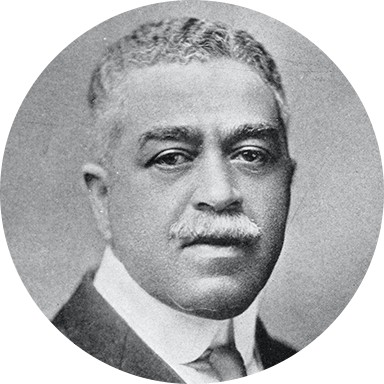
Harry T. Burleigh

Harry Thacker Burleigh (1866–1949) was an American singer, arranger, and composer whose work became foundational to how spirituals entered the classical vocal repertoire. A student of Antonín Dvořák at the National Conservatory of Music in New York, Burleigh introduced the Czech master to African American vocal traditions through their direct collaboration, profoundly influencing Dvořák's own compositional voice. Burleigh spent five decades as a church soloist, performing at St. George's Church in Manhattan (1894–1946) and Temple Emanuel (1900–25), roles that positioned him to champion spirituals as serious art music.

Through his prolific output of more than 200 songs, Burleigh established himself as the preeminent arranger of African American spirituals for the concert stage. His tasteful orchestrations and vocal arrangements preserved the emotional depth of these traditions while making them accessible to diverse audiences and singers. His 1917 publication of "Deep River" marked a turning point in how spirituals were perceived and performed in formal musical settings.

Why we love this

Burleigh's arrangements respect the spiritual tradition without sentimentalizing it; his piano writing supports the voice without overwhelming it, and each setting opens new expressive possibilities for the melody. This collection captures spirituals at the moment they entered classical vocal literature, offering singers direct access to arrangements by the musician who legitimized them in concert halls. The two included CDs provide reference performances that illuminate Burleigh's own interpretive intentions.

What to expect

These arrangements convey quiet dignity and spiritual reflection, moving naturally between moments of intimate vulnerability and broad, hymn-like strength. Burleigh's piano writing creates an atmosphere of support rather than decoration, allowing the voice to carry the weight of meaning while the accompaniment deepens the harmonic and emotional landscape. The collection feels both rooted in tradition and refined for the concert hall, bridging the spiritual's communal origins with the intimacy of solo performance.

Who it's for

Low voice singers preparing solo repertoire for recitals, competitions, or auditions will find deeply rewarding material with authentic historical grounding. Voice teachers seeking spirituals arranged with artistic sophistication and pedagogical clarity will value Burleigh's voice-leading and the reference recordings that model interpretation. Ensemble singers and soloists performing in church, concert, or educational settings gain access to spirituals that balance accessibility with substantial musical substance.

How to get the most out of it

  • Study the piano part carefully before the first rehearsal; Burleigh's accompaniments contain harmonic and rhythmic detail that shapes phrasing and gives the voice essential musical context.
  • Listen to the recorded performances to hear how Burleigh's generation approached tempo, dynamic shaping, and the balance between restraint and emotional expression in these pieces.
  • Let the text breathing dictate your phrasing rather than forcing symmetrical phrase lengths; spirituals often follow the cadence of natural speech and prayer.
  • Explore the dynamic range Burleigh writes; these arrangements move between intimate introspection and full, resonant vocal power, and both extremes serve the spiritual's emotional arc.

How to use it

Program individual spirituals throughout a recital to provide contrast and historical depth alongside art songs and opera selections; Burleigh's arrangements pair well with 20th-century American repertoire and create meaningful arcs within a diverse program. Use them in vocal studio teaching to develop students' awareness of American musical heritage and to deepen interpretive skills in repertoire that values restraint and textual clarity. Build a concert around multiple Burleigh spirituals to explore how a single arranger shaped an entire tradition, perhaps pairing this collection with historical context about spirituals and their place in American concert music.

Skills your students will build

  • Singing spirituals with stylistic authenticity and understanding of their historical context in concert music
  • Interpreting Burleigh's sophisticated harmonic language and understanding how accompaniment shapes vocal phrasing
  • Managing dynamic contrasts and emotional depth across pieces that balance introspection with full vocal resonance
  • Developing interpretive choices informed by reference recordings and historical performance practice

You May Also Like