


Summertime (from the musical Porgy and Bess): Choral SoundPax
From the Musical Porgy and Bess
Music and lyrics by George Gershwin, DuBose and Dorothy Heyward, and Ira Gershwin / arr. Mark Hayes
Item: 00-PK-0001367

$60.00
One moment…
Related Items
Summertime: SoundTrax Digital Audio Download |
$27.99
|
View | |
Summertime (from the musical Porgy and Bess): SATB Choral Octavo |
$2.10
|
View | |
Summertime (from the musical Porgy and Bess): SSAB Choral Octavo |
$1.90
|
View | |
Summertime (from the musical Porgy and Bess): SSA Choral Octavo |
$2.10
|
View | |
Summertime: TTBB Choral Octavo |
$2.25
|
View | |
Summertime: SATB Choral Octavo |
$2.10
|
View | |
Summertime: SSAB Choral Octavo |
$1.90
|
View | |
Summertime: SSA Choral Octavo |
$2.10
|
View | |
Summertime: TTBB Choral Octavo |
$2.25
|
View | |
Summertime: Choral Octavo SoundTrax CD |
$27.99
|
View | |
Summertime: Choral SoundPax |
$60.00
|
View |
Description
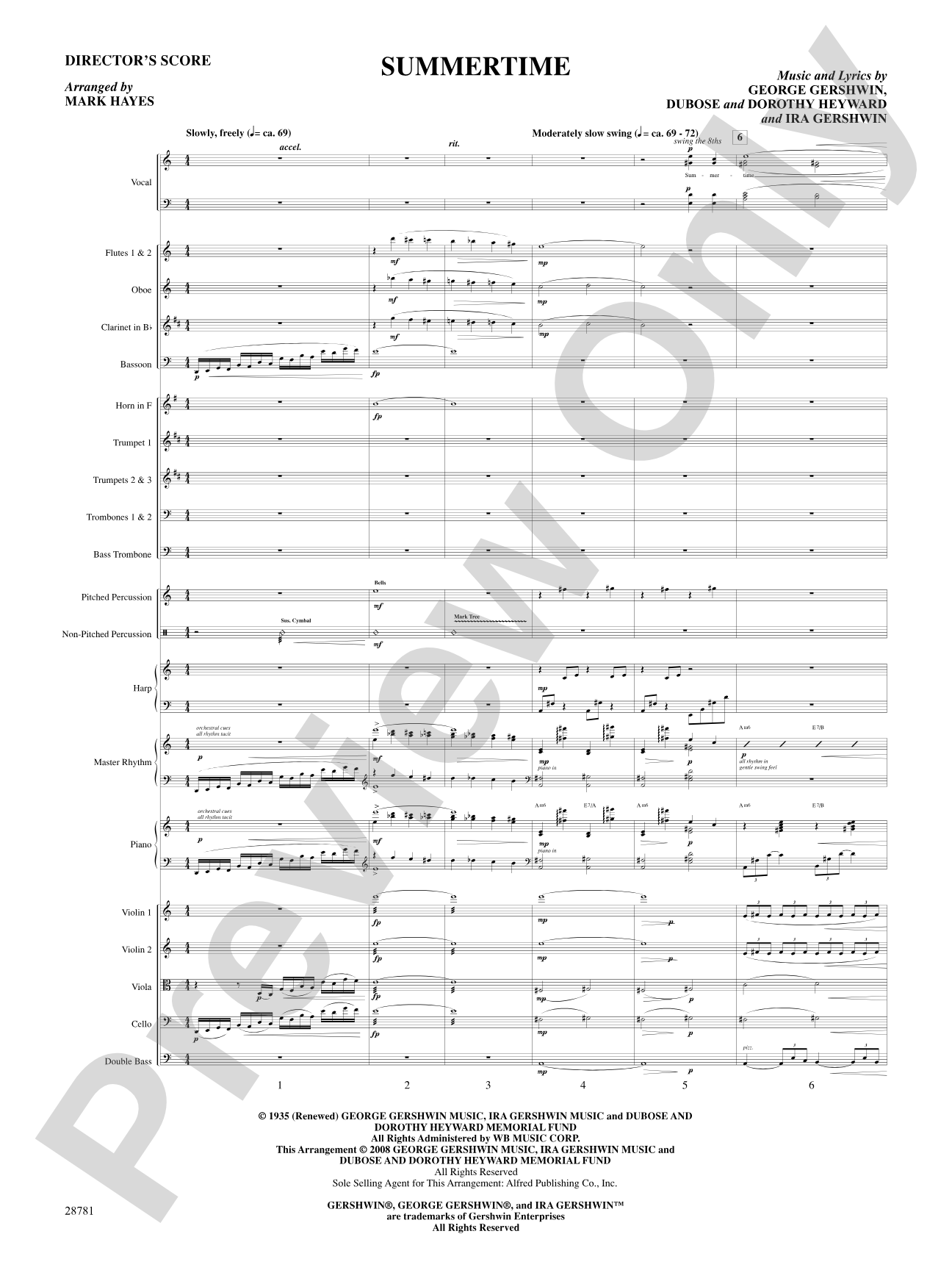
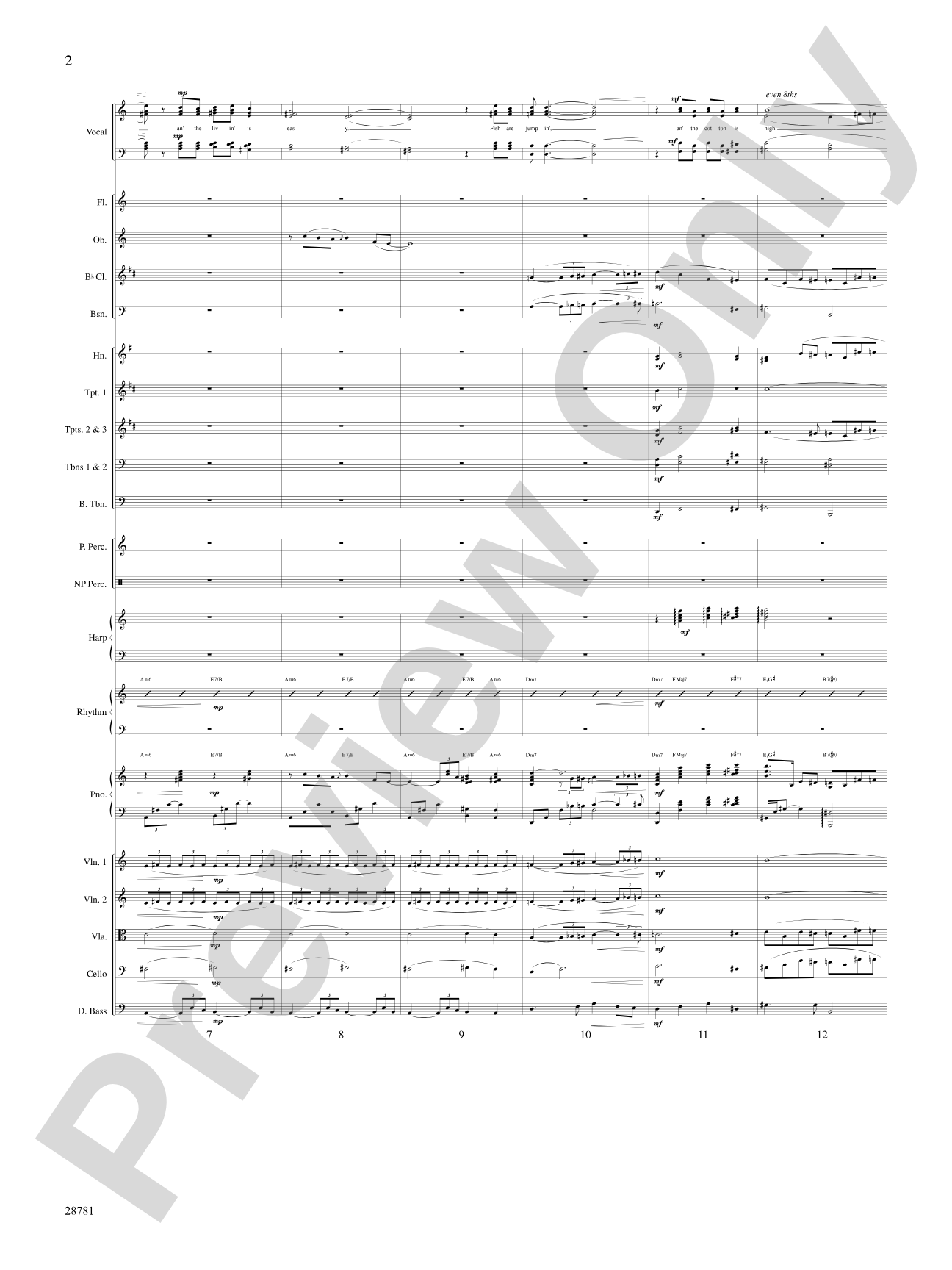
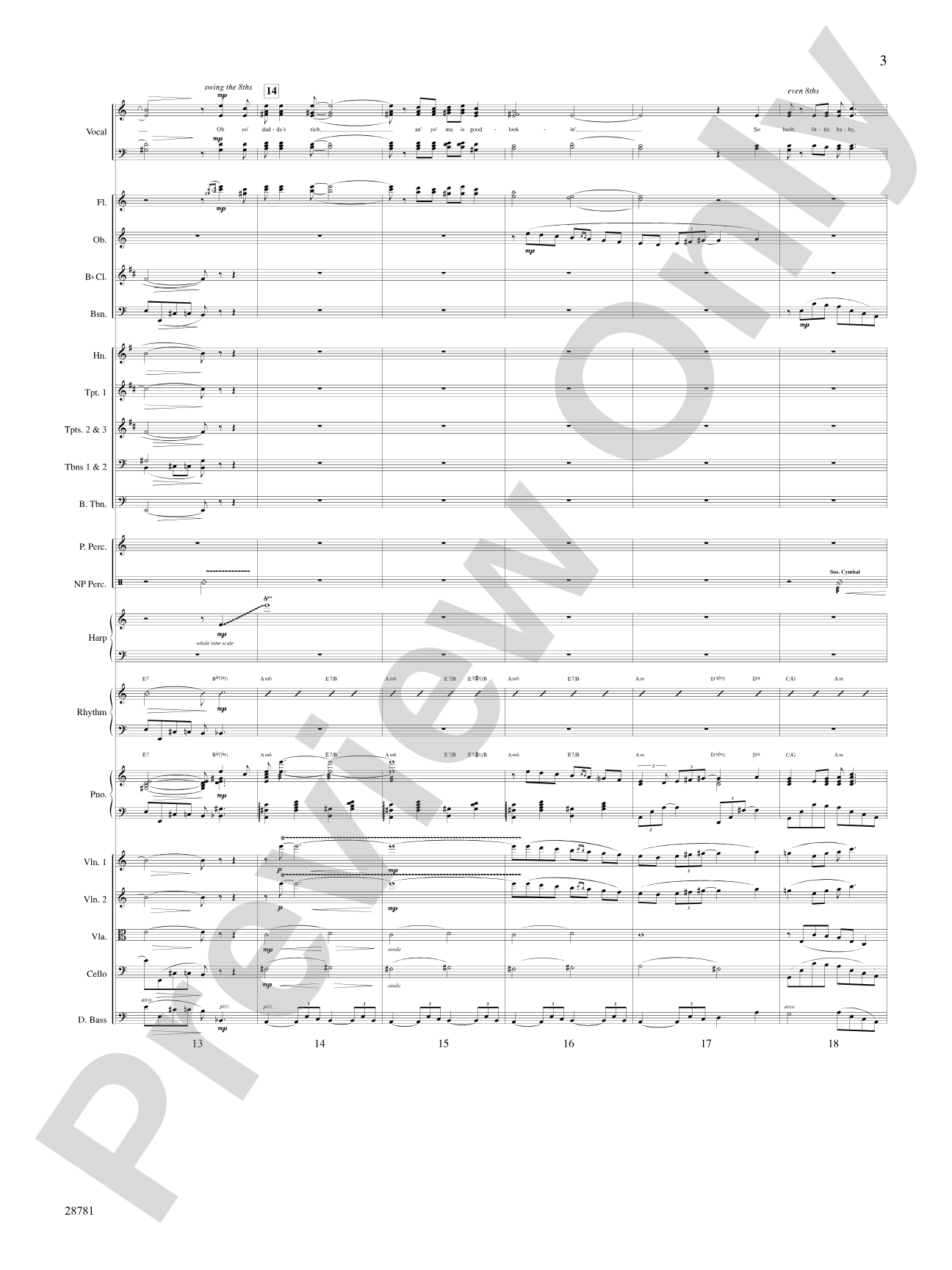
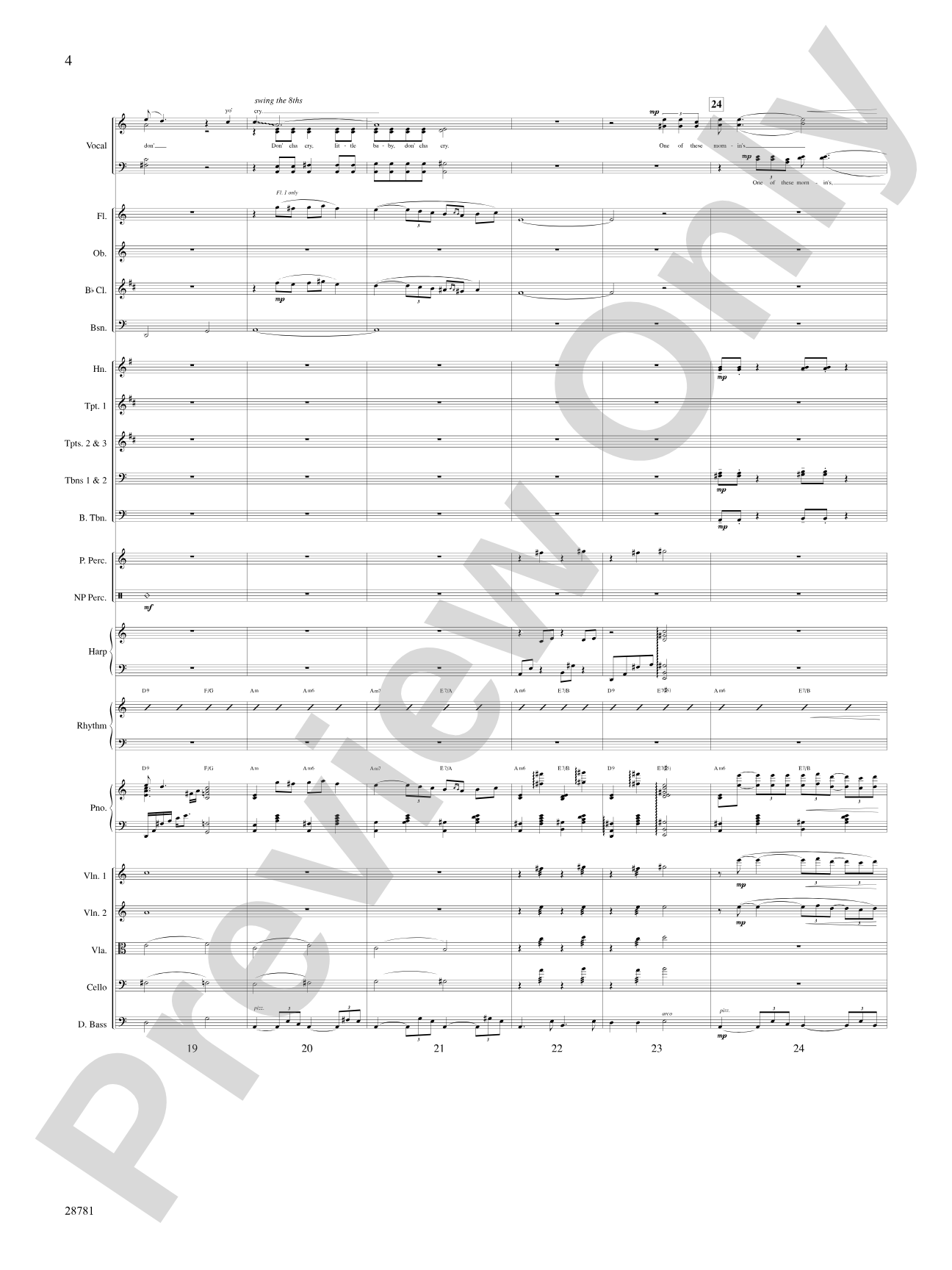
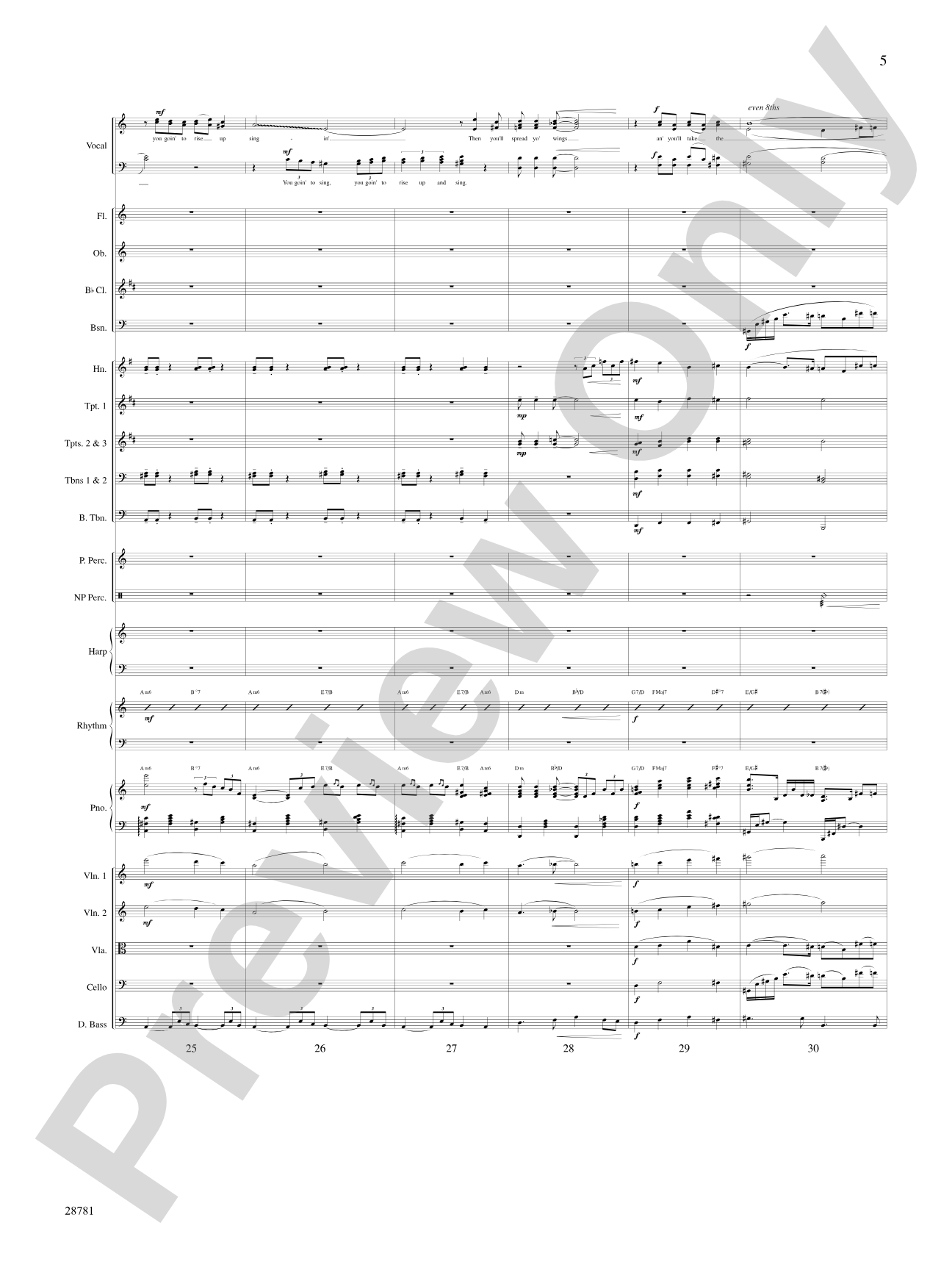
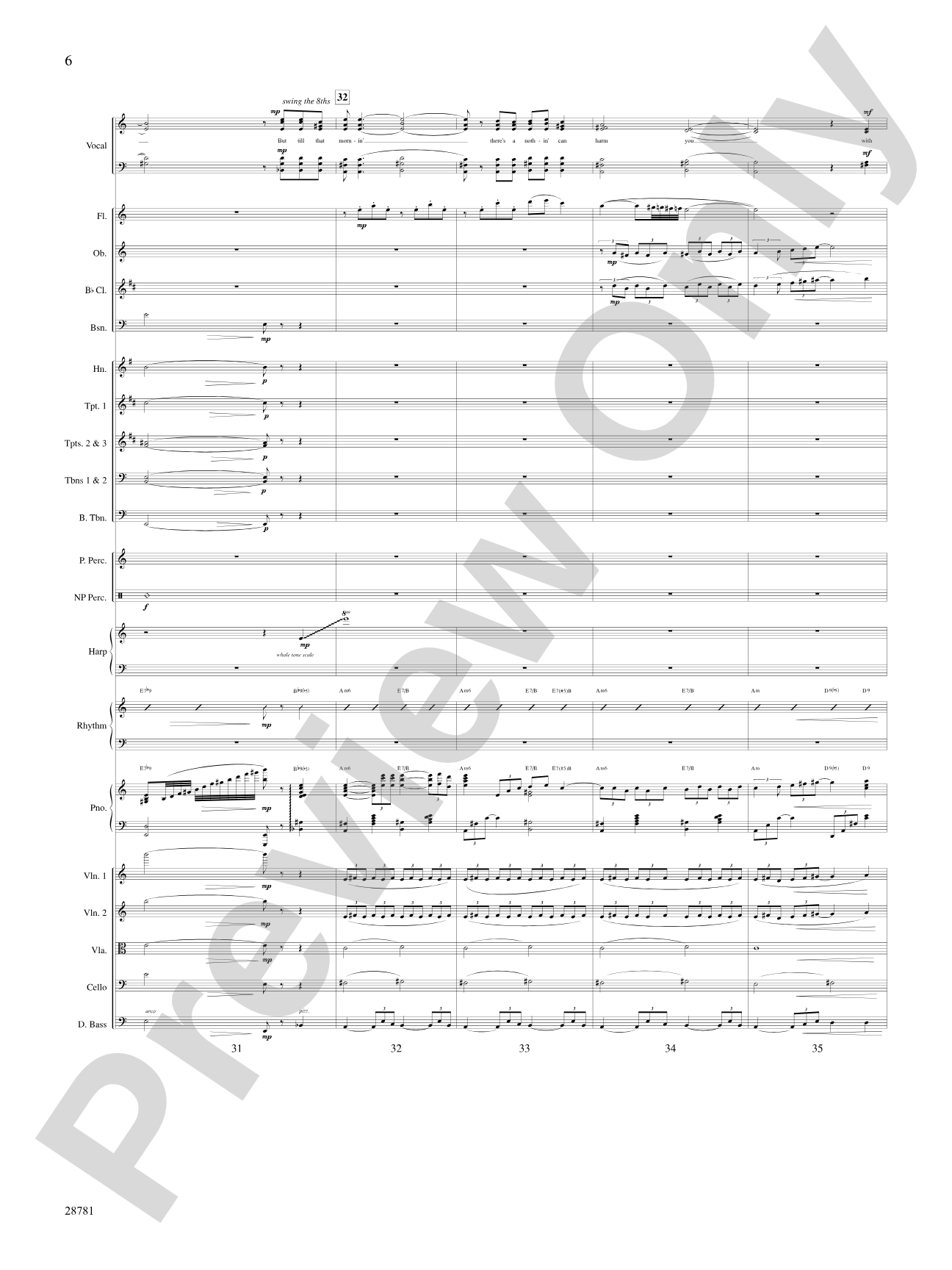
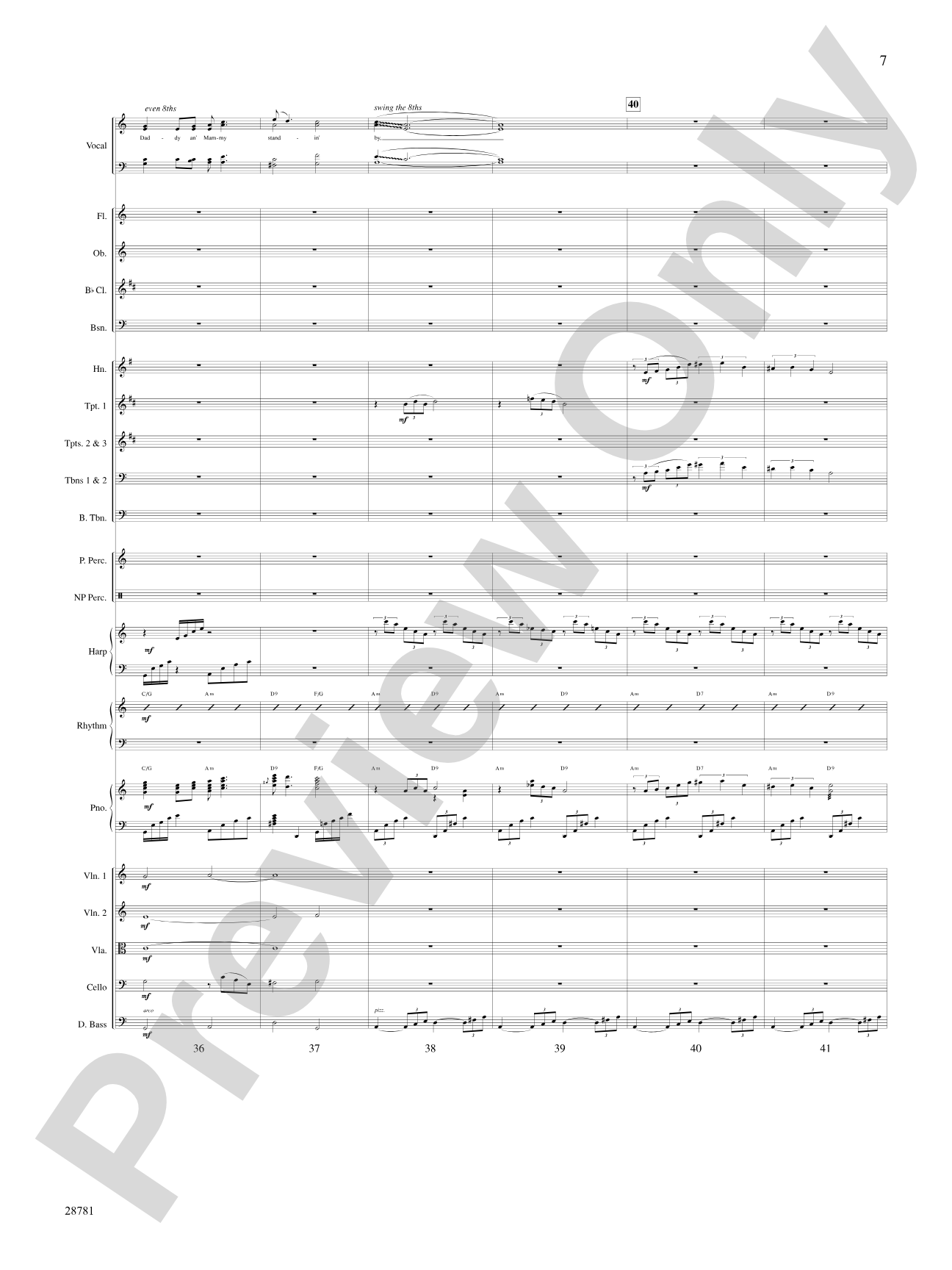
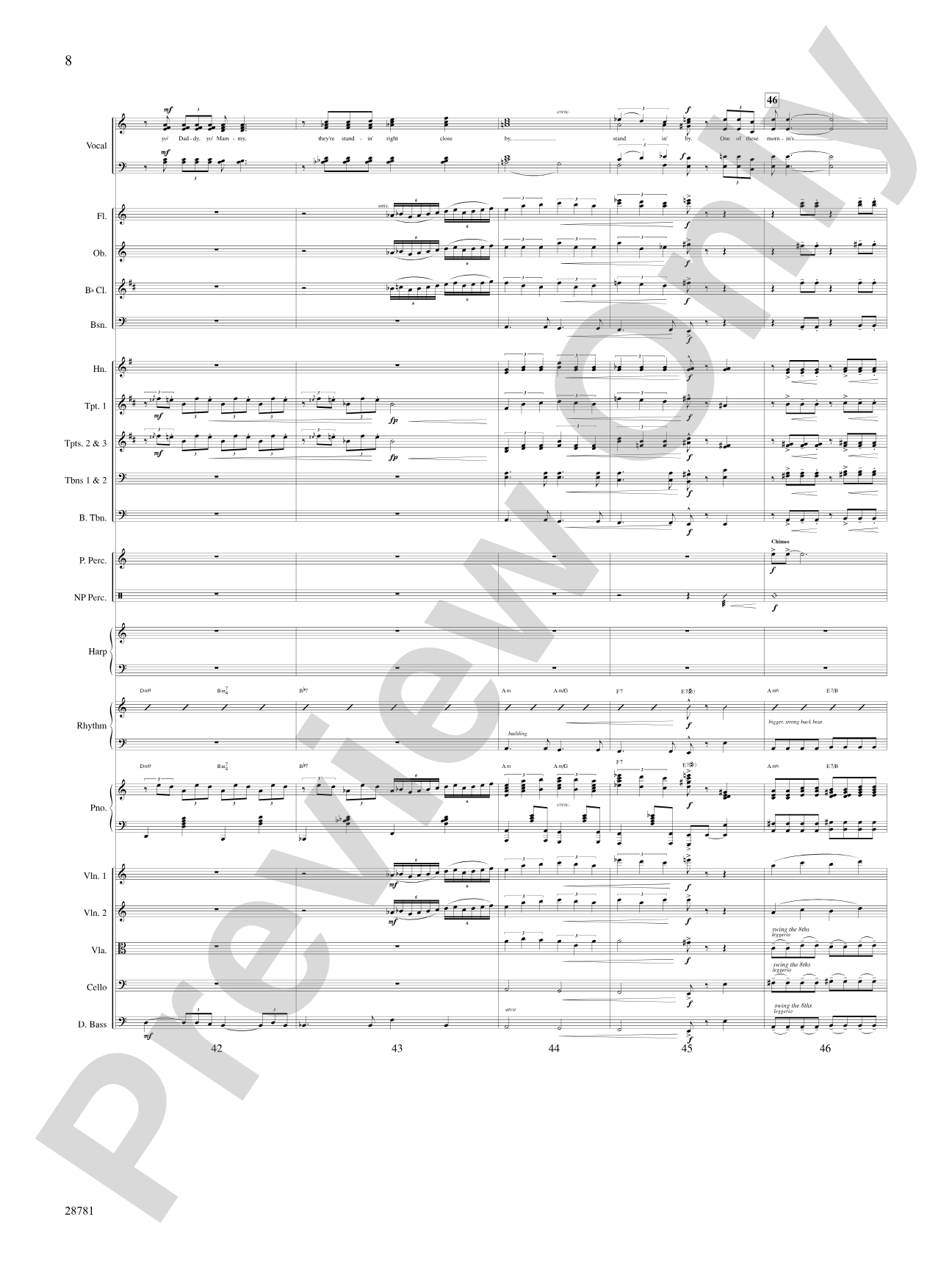
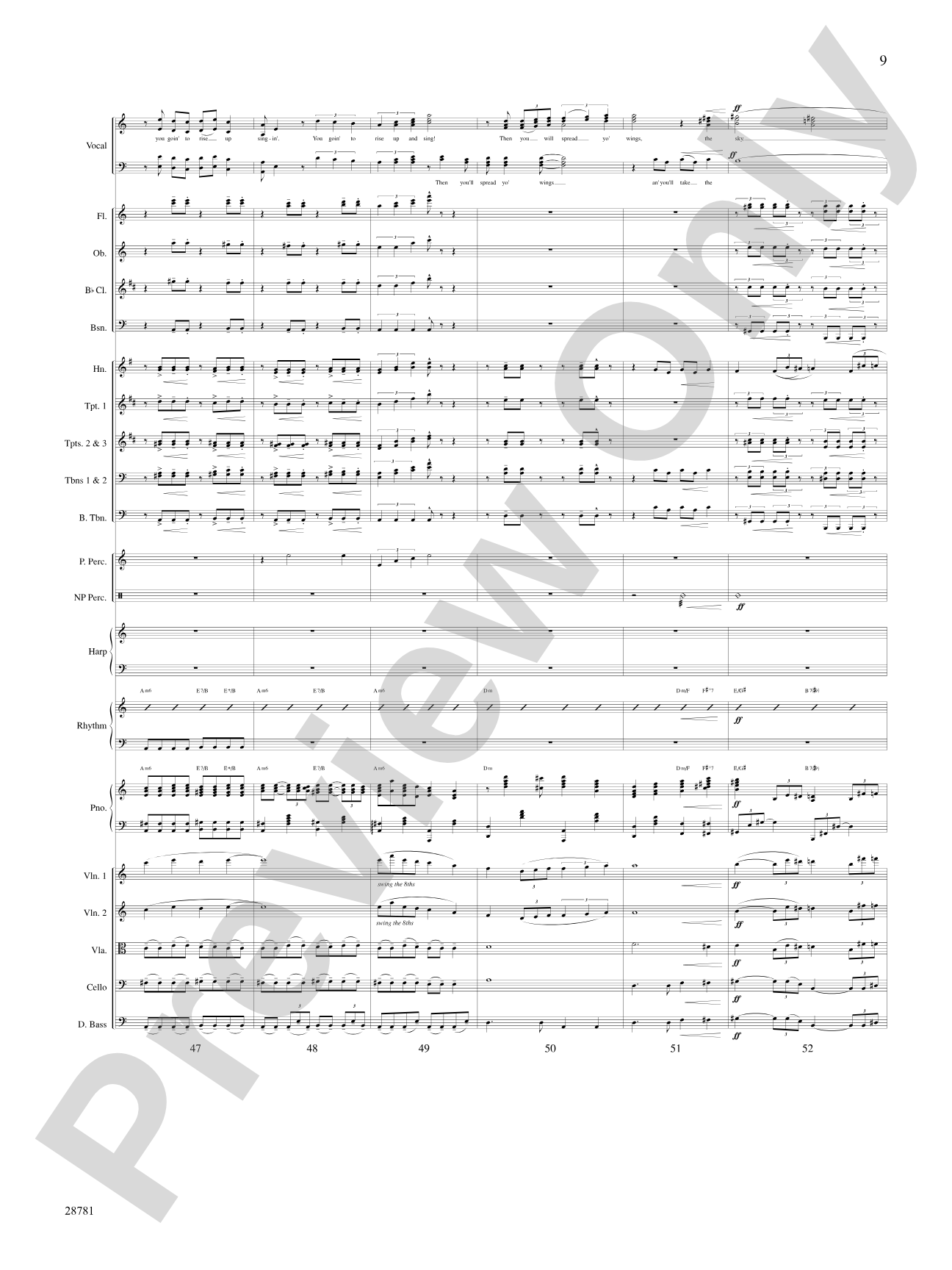
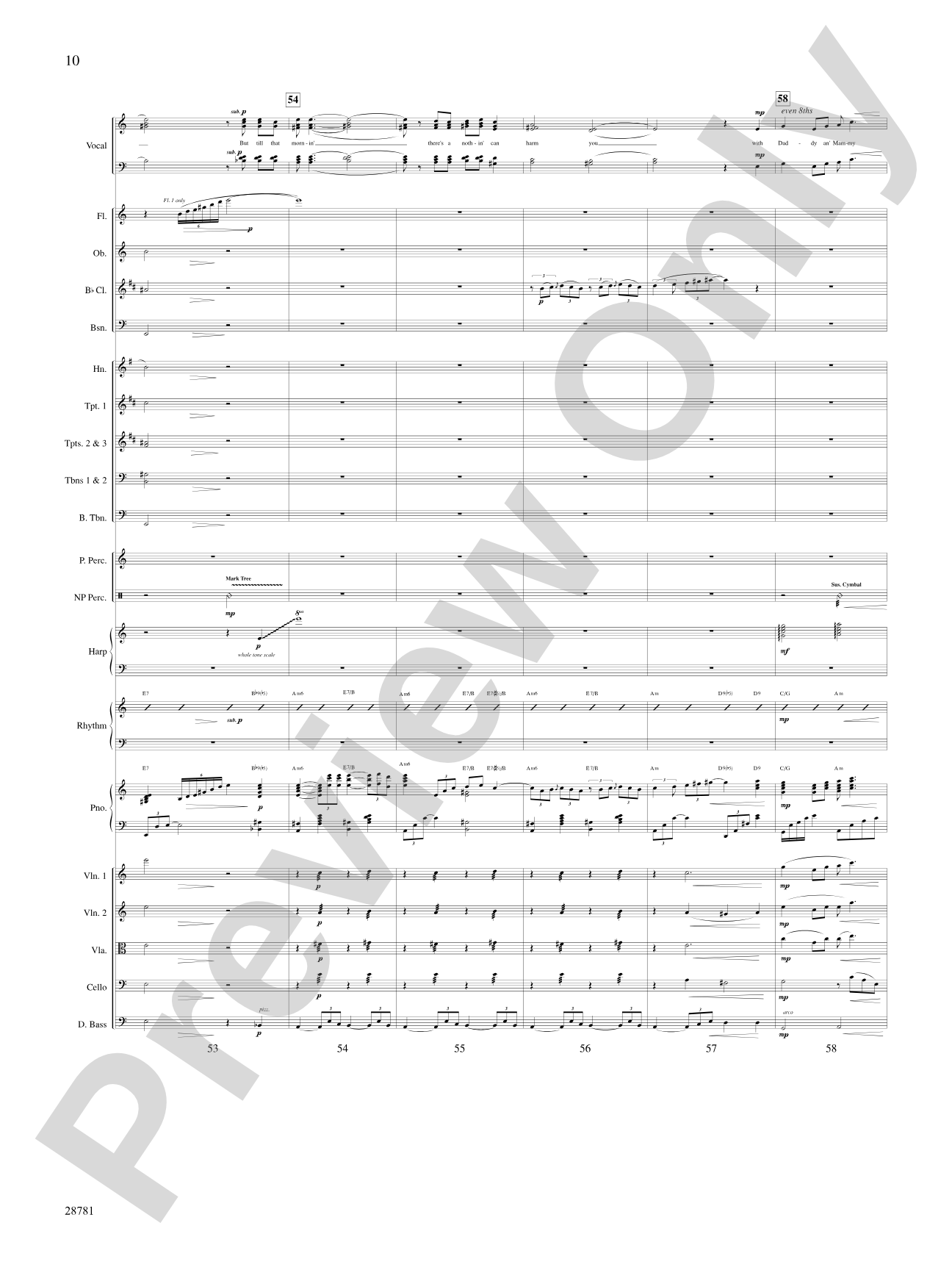
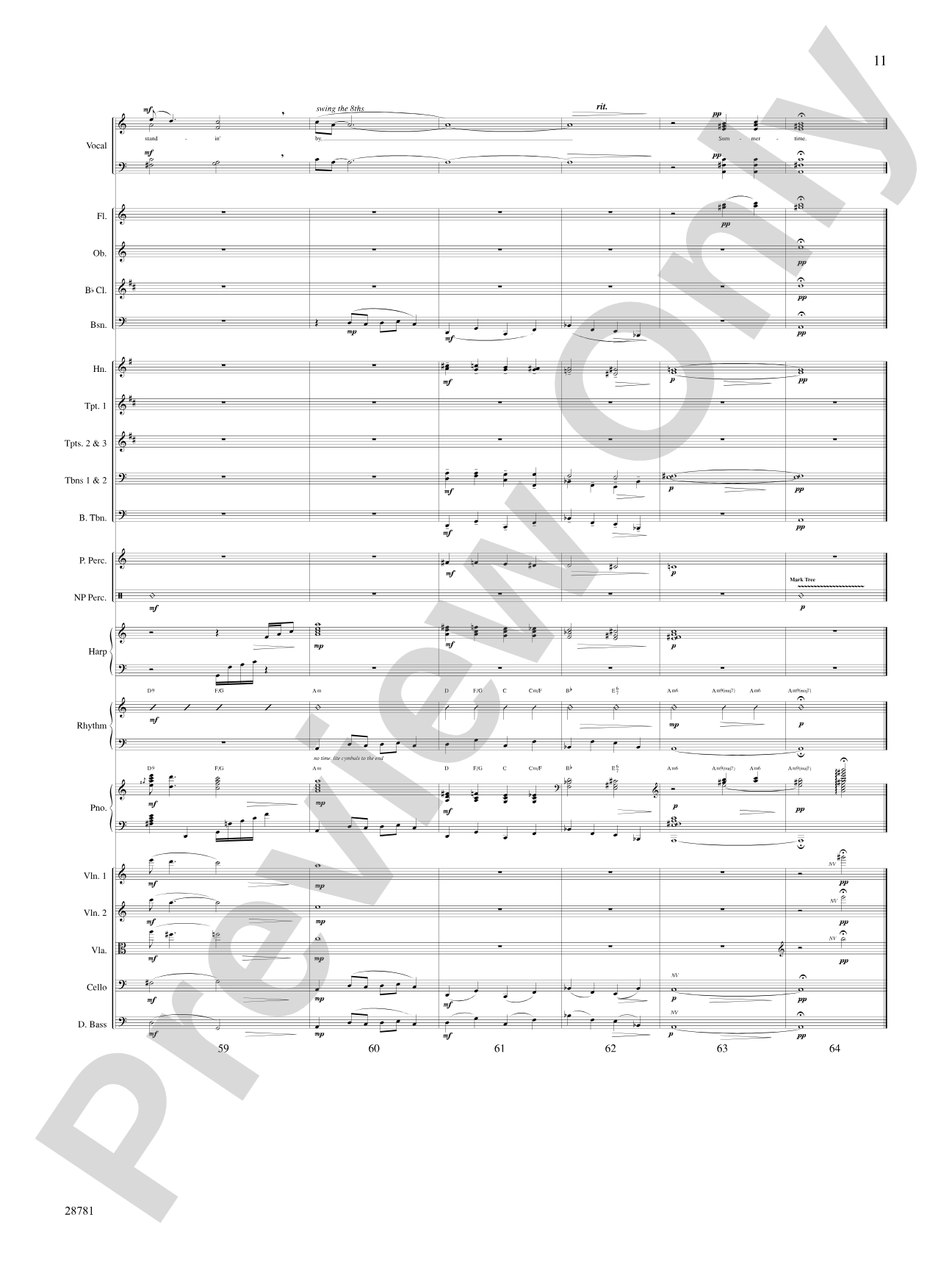
This classic American song from Porgy and Bess® deserves only the finest choral treatment, and Mark Hayes has certainly given it that, with a rich, lush setting. The piano accompaniment carries the voices on a dramatic journey appropriate to the nature of the piece. A song that every singer should know and will love. Includes parts for 2 flute, oboe, clarinet, bassoon, 2 French horn, 3 trumpet, 2 trombone, bass trombone, 2 percussion, harp, guitar, drumset, 2 violin, viola, cello, and bass.


Don't just read it, hear it, play along with it, and watch your students grow with it. In MakeMusic Cloud, Summertime (from the musical Porgy and Bess): Choral SoundPax comes alive with professional accompaniment, adjustable tempo, and built-in practice tools that turn solo practice into real progress.
Open in the Player
Jump straight in and assign it today.
Start Your Free Trial
Open this title and explore the full library in minutes.
Sample Audio
1
Audio File
--:--
0:00
0:00
Sample Video
No sample videos found.
Additional Details
Series:
Alfred Pop Choral Series
Publisher:
Alfred Music
Page Count:
100
SKU:
00-PK-0001367
Instrumentation:
SoundPax
More about this title
About the Composer: George Gershwin
George Gershwin (1898-1937) was an American composer who bridged the worlds of popular song, jazz, and concert music with uncommon fluency. His work for the stage, including the opera Porgy and Bess, combined vernacular American idioms with sophisticated harmonic language, creating music that remains central to the American repertoire. Gershwin's melodies are immediately memorable yet harmonically adventurous, making his songs enduring vehicles for singers and ensembles across genres.
Why we love this
Mark Hayes's orchestration transforms this beloved standard into a full dramatic statement without obscuring Gershwin's essential melody. The inclusion of instrumental parts means your choir can experience the piece in genuine Broadway-style dress, a rare opportunity at the high school and community college level. This arrangement respects both the song's jazz origins and its dramatic weight as part of a larger operatic work.
What to expect
Gershwin's melody unfolds with the unhurried grace of a summer evening, supported by warm orchestral colors that evoke both jazz sophistication and classical grandeur. The arrangement cradles the voices in rich textures while maintaining the song's essential intimacy, creating moments of stunning beauty that feel both timeless and thoroughly American.
Who it's for
This arrangement serves choirs at the high school, college, and community level who want to perform a genuine masterwork with orchestral support. Singers with some blend and intonation experience will thrive here, as the lush harmonic writing rewards careful tuning and unified vowel production.
How to get the most out of it
- Balance the choir's voices against the lush accompaniment by keeping the dynamic range intimate in verse sections; the orchestration will naturally support you without requiring aggressive projection.
- Shape the melody with the phrasing that feels natural to speech and breath, resisting the urge to phrase at every bar line; Gershwin's melodic arcs often span multiple measures.
- If performing with instrumental parts, schedule early sectional rehearsals so players understand how the orchestration supports the choral line, creating ensemble cohesion that makes the piece soar.
How to use it
This works beautifully as a centerpiece on a concert mixing American standards with classical repertoire, or as a bridge piece between a musical theater set and traditional choral works. The orchestral arrangement makes it a strong closer for an evening, leaving audiences with music they recognize and love in a fresh, dignified presentation.
Skills your students will build
- Singing within a lush, complex harmonic texture while maintaining clear intonation
- Responding to and balancing against full orchestral accompaniment
- Shaping sustained melodic lines with appropriate rubato and phrasing
- Understanding jazz-influenced harmonic language in a concert setting