

Sound Innovations for String Orchestra, Book 1, Second Edition: Violin Book & Online Media
$12.99 USD
Sale price
$12.99 USD
Regular price
Skip to product information



Sound Innovations for String Orchestra, Book 1, Second Edition: Violin Book & Online Media
The Comprehensive Curriculum for Beginning Musicians
By Bob Phillips, Peter Boonshaft, and Robert Sheldon
Item: 00-50606
$12.99
One moment…
Description
Sound Innovations for String Orchestra, Book 1, Second Edition, is the most comprehensive and thoughtfully designed method book for beginning string students. Designed with input from thousands of teachers, it features clean, easy-to-follow page layouts and a well-sequenced progression of skills. It provides clear goals for each exercise, ample reinforcement of new concepts, performance opportunities, diverse musical styles, and innovative teaching and practice resources. Note names are not included inside the note heads in order to fast-track musical literacy. The book is structured into six short levels, offering benchmarks, assessment indicators, and intermediate goals to guide students and teachers.
Every book includes free access to SI Online, a robust platform for supplemental worksheets, practice tracks, alternate tunes, extra string orchestra pieces, instrument-specific instructional videos, and more---all available with no login required. Accompaniment tracks can be slowed down, sped up, and looped for difficult sections. The PDFs include music theory, history, scale exercises, rhythm pages, technique pieces, and more for in-class or home reinforcement and differentiation. These resources support students from their very first notes to their final solo while giving teachers the flexibility to tailor pacing and instruction to meet the unique needs of their ensemble.
Book 1, Second Edition is available for free in MakeMusic Cloud, an interactive practice tool that engages students and streamlines assessment. Plus, with a paid subscription, students can access SI CenterStage---popular melodies, including Disney and pop tunes, for all instruments!


Every book includes free access to SI Online, a robust platform for supplemental worksheets, practice tracks, alternate tunes, extra string orchestra pieces, instrument-specific instructional videos, and more---all available with no login required. Accompaniment tracks can be slowed down, sped up, and looped for difficult sections. The PDFs include music theory, history, scale exercises, rhythm pages, technique pieces, and more for in-class or home reinforcement and differentiation. These resources support students from their very first notes to their final solo while giving teachers the flexibility to tailor pacing and instruction to meet the unique needs of their ensemble.
Book 1, Second Edition is available for free in MakeMusic Cloud, an interactive practice tool that engages students and streamlines assessment. Plus, with a paid subscription, students can access SI CenterStage---popular melodies, including Disney and pop tunes, for all instruments!
Don't just read it, hear it, play along with it, and watch your students grow with it. In MakeMusic Cloud, Sound Innovations for String Orchestra, Book 1, Second Edition: Violin Book & Online Media comes alive with professional accompaniment, adjustable tempo, and built-in practice tools that turn solo practice into real progress.
Open in the Player
Jump straight in and assign it today.
Start Your Free Trial
Open this title and explore the full library in minutes.
Sample Audio
No sample audio found.
Sample Video
No sample videos found.
Additional Details
More about this title
About the Authors
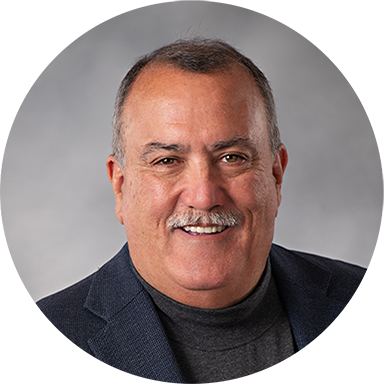
Bob Phillips, born in 1953, is a celebrated composer, author, conductor, and music educator who has fundamentally shaped contemporary string pedagogy. Recognized as a pioneer in large group instruction and eclectic string styles, his educational materials and compositions reach thousands of student musicians annually through classroom performance.
Phillips has created over 25 book series for music education, including the complete Sound Innovations curriculum and landmark publications exploring diverse musical genres: Fiddlers Philharmonic, Jazz Philharmonic, Rock Philharmonic, Mariachi Philharmonic, Latin Philharmonic, and Fiddle and Song. More than 200 of his orchestral and band works have been published and regularly performed at the Midwest Clinic. An award-winning ASCAP composer, he has also produced instructional DVDs titled String Clinics to Go, which thousands of teachers have incorporated into their programs.
During 27 years at Saline, Michigan, Phillips developed a nationally recognized string program serving over 700 students in both classical and eclectic music. He founded the Saline Fiddlers Philharmonic, a folk ensemble that performed more than 80 shows annually under his direction, including multiple White House performances and regular Midwest Clinic appearances. As assistant music director and arranger for the professional string ensemble Barrage 8, and as resident conductor for the Wintergrass Festival in Seattle for 12 years, he has mentored young musicians through conducting positions with All-State orchestras across multiple states, Interlochen's All-State Orchestra, Blue Lake Fine Arts Camp, and various youth symphony ensembles.
Phillips has created over 25 book series for music education, including the complete Sound Innovations curriculum and landmark publications exploring diverse musical genres: Fiddlers Philharmonic, Jazz Philharmonic, Rock Philharmonic, Mariachi Philharmonic, Latin Philharmonic, and Fiddle and Song. More than 200 of his orchestral and band works have been published and regularly performed at the Midwest Clinic. An award-winning ASCAP composer, he has also produced instructional DVDs titled String Clinics to Go, which thousands of teachers have incorporated into their programs.
During 27 years at Saline, Michigan, Phillips developed a nationally recognized string program serving over 700 students in both classical and eclectic music. He founded the Saline Fiddlers Philharmonic, a folk ensemble that performed more than 80 shows annually under his direction, including multiple White House performances and regular Midwest Clinic appearances. As assistant music director and arranger for the professional string ensemble Barrage 8, and as resident conductor for the Wintergrass Festival in Seattle for 12 years, he has mentored young musicians through conducting positions with All-State orchestras across multiple states, Interlochen's All-State Orchestra, Blue Lake Fine Arts Camp, and various youth symphony ensembles.
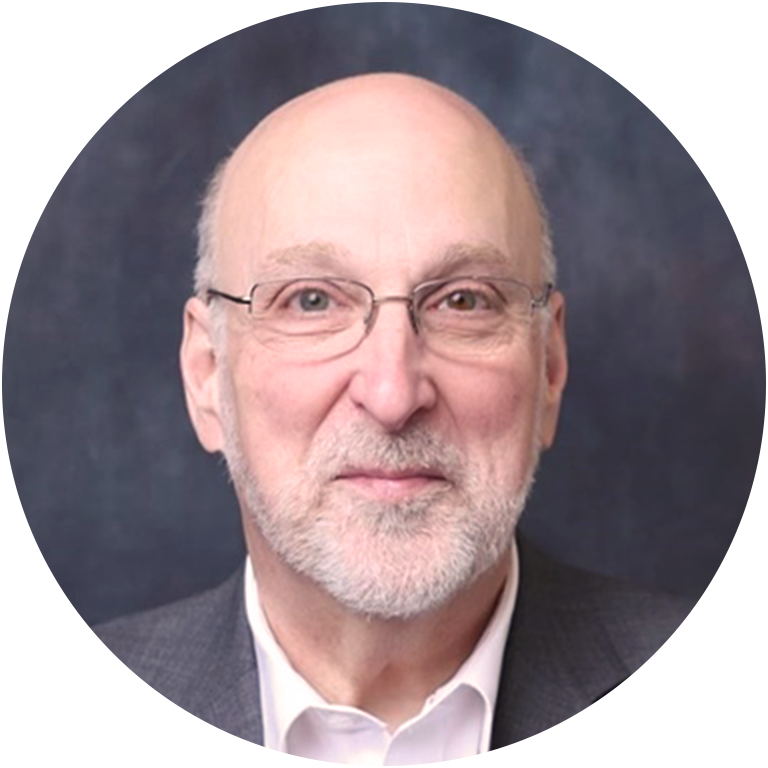
Peter Loel Boonshaft stands out as one of today's most dynamic voices in music education. As Director of Education for Jupiter Band Instruments, he has earned invitations to speak and conduct throughout the United States and internationally. His weekly "Boonshaft's Blog" continues to reach and inspire music educators across the country.
His contributions to the field have garnered exceptional recognition. The National Association for Music Education and Music For All honored him as the inaugural recipient of the George M. Parks Award for Leadership in Music Education. He holds memberships in Pi Kappa Lambda and Alpha Chi honor societies and has received the University of Hartford's Regent's Award twice, along with their Outstanding Music Educator Award. Additional distinctions include three selections as a National Endowment for the Arts Artist in Residence, three Honorary Life Memberships in the Tri-M Music Honor Society, and the Al G. Wright Award of Distinction from Women Band Directors International. He has also received official proclamations from five state governors and a Certificate of Appreciation from former President Ronald Reagan, and has performed for former Presidents George H. W. Bush and Bill Clinton as well as former Prime Minister Margaret Thatcher.
Dr. Boonshaft earned his Bachelor of Music (Summa Cum Laude), Master of Music Education in Conducting, and Doctor of Musical Arts degrees. He completed a Connecticut General Fellowship at the Kodály Musical Training Institute, where he received certification. As Professor Emeritus of Music at Hofstra University, he was selected for the Center for Scholarly Research and Academic Excellence. Earlier in his career, he taught at Moravian College and the University of Hartford, and founded both the Pennsylvania Youth Honors Concert Band and the Connecticut Valley Youth Wind Ensemble.
His contributions to the field have garnered exceptional recognition. The National Association for Music Education and Music For All honored him as the inaugural recipient of the George M. Parks Award for Leadership in Music Education. He holds memberships in Pi Kappa Lambda and Alpha Chi honor societies and has received the University of Hartford's Regent's Award twice, along with their Outstanding Music Educator Award. Additional distinctions include three selections as a National Endowment for the Arts Artist in Residence, three Honorary Life Memberships in the Tri-M Music Honor Society, and the Al G. Wright Award of Distinction from Women Band Directors International. He has also received official proclamations from five state governors and a Certificate of Appreciation from former President Ronald Reagan, and has performed for former Presidents George H. W. Bush and Bill Clinton as well as former Prime Minister Margaret Thatcher.
Dr. Boonshaft earned his Bachelor of Music (Summa Cum Laude), Master of Music Education in Conducting, and Doctor of Musical Arts degrees. He completed a Connecticut General Fellowship at the Kodály Musical Training Institute, where he received certification. As Professor Emeritus of Music at Hofstra University, he was selected for the Center for Scholarly Research and Academic Excellence. Earlier in his career, he taught at Moravian College and the University of Hartford, and founded both the Pennsylvania Youth Honors Concert Band and the Connecticut Valley Youth Wind Ensemble.
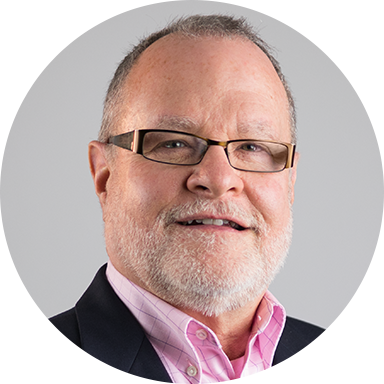
Robert Sheldon stands among today's most frequently performed composers of wind band music. He serves as the lead author of Sound Innovations for Concert Band and has earned prestigious recognition from the American School Band Director's Association, Phi Beta Mu, and the American Society of Composers, Authors and Publishers. His compositions convey a distinctive expressiveness that connects powerfully with performers and listeners across the globe.
Sheldon's works appear on international concert and contest programs worldwide while maintaining a prolific output of new commissions and publications each year. His compositions have been performed at major venues including Carnegie Hall, Orchestra Hall, Boston's Symphony Hall, the Sydney Opera House, and the Kennedy Center for the Performing Arts. In 2020, VanderCook College of Music honored him with a doctorate.
As a guest conductor, Sheldon frequently leads All-State and Regional Honor Bands while maintaining an active schedule as a clinician and educator. He has presented sessions at numerous colleges, universities, and state music education conferences throughout the United States, Japan, Canada, Italy, Germany, Australia, and China. His multifaceted career reflects his deep commitment to both composition and music education.
Sheldon's works appear on international concert and contest programs worldwide while maintaining a prolific output of new commissions and publications each year. His compositions have been performed at major venues including Carnegie Hall, Orchestra Hall, Boston's Symphony Hall, the Sydney Opera House, and the Kennedy Center for the Performing Arts. In 2020, VanderCook College of Music honored him with a doctorate.
As a guest conductor, Sheldon frequently leads All-State and Regional Honor Bands while maintaining an active schedule as a clinician and educator. He has presented sessions at numerous colleges, universities, and state music education conferences throughout the United States, Japan, Canada, Italy, Germany, Australia, and China. His multifaceted career reflects his deep commitment to both composition and music education.