Sikiliza! Cover Image

Sikiliza!: 3-Part Mixed Choral Octavo

$1.90 USD
Sale price  $1.90 USD Regular price 
Skip to product information
Sikiliza! Cover Image

Sikiliza!: 3-Part Mixed Choral Octavo

(Listen! -- Swahili)

Words and music by Sally K. Albrecht

Item: 00-43587

makemusic Cloud badge
$1.90
Shipped

One moment…

Description
Listen to the infectious African rhythms and stacking triads of this joyous multicultural number, with a text that features several Swahili words and phrases. A unison melody becomes a rhythmic echo section before breaking into spoken chant and body percussion, easily demonstrated on the Step One! movement DVD.

Don't just read it, hear it, play along with it, and watch your students grow with it. In MakeMusic Cloud, Sikiliza!: 3-Part Mixed Choral Octavo comes alive with professional accompaniment, adjustable tempo, and built-in practice tools that turn solo practice into real progress.

Sample Pages

Sample Audio
0:00
0:00
Sample Video
Additional Details
Series: Alfred Choral Designs
Publisher: Alfred Music
Page Count: 12
UPC: 038081491271
SKU: 00-43587

More about this title

About the Composer: Sally K. Albrecht
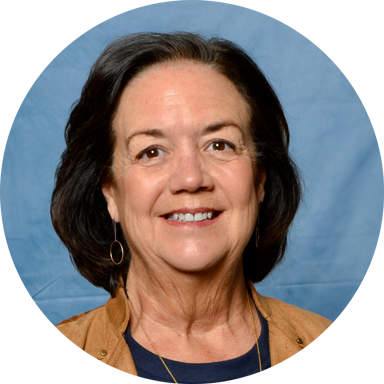
Sally K. Albrecht

Sally K. Albrecht has shaped choral music education across three decades, first as Director of School Choral, Vocal, and Elementary Publications for major educational publishers including Alfred Music, and continues as a prolific composer with over 600 choral works and 75 larger musicals and songbooks in print. Her work has been recognized annually by ASCAP since 1987, and she has conducted honor choirs at prestigious venues including Lincoln Center, Carnegie Hall, and The Kennedy Center.

A graduate of Rollins College (B.A., 1976) and the University of Miami (M.A. in Drama, 1977; M.M. in Accompanying, 1979), Albrecht has taught at Oakland University, Jersey City State College, and Meredith College. She received the Distinguished Alumna Award from both the University of Miami Frost School of Music and Rollins College in 2021, and served as Chair of the Board of Trustees for the Omicron Delta Kappa National Leadership Honor Society. She lives in Wake Forest, North Carolina with her husband, composer and arranger Jay Althouse.

Why we love this

Albrecht captures something rare here: a piece that genuinely energizes students while building real musicianship. The progression from unison melody to rhythmic echoing to body percussion and spoken chant gives every voice meaningful material and holds attention across twelve pages. Programming this signals to your audience that your choir engages with world music authentically and joyfully.

What to expect

Sikiliza! pulses with joy and movement. The stacking triads create a rich harmonic landscape that feels modern and accessible, while the Swahili text and African rhythmic foundation anchor the piece in authentic cultural expression. Whether students are singing in unison, echoing rhythmically, or adding body percussion, the music invites physical engagement and genuine musical delight.

Who it's for

Mixed choirs at the middle school and early high school level seeking material that energizes singers and audiences alike. This octavo works equally well for general music classes ready to engage with multicultural repertoire or for choirs building confidence through movement and rhythmic exploration.

How to get the most out of it

  • Secure the unison melody first as the anchor; once students own that foundational line, the layered rhythmic echoes land with precision and clarity.
  • Work the spoken chant sections separately from the singing, establishing confident diction and rhythmic alignment before combining them with harmonic content.
  • Demonstrate the body percussion patterns yourself before asking singers to execute them; a clear physical model prevents the piece from becoming chaotic and keeps the focus on the pulse.
  • Use the recorded accompaniment to establish the infectious groove and African rhythmic feel, then gradually reduce reliance on it so the choir can own the energy independently.

How to use it

Place this early in a concert to establish energy and set a celebratory tone, or use it as a cultural bridge when programming multicultural concerts or World Music units. Its accessibility and infectious rhythm make it an excellent anchor for a set exploring global music traditions alongside other world repertoire.

Skills your students will build

  • Singing and performing with stacked harmonic triads
  • Executing rhythmic echoes and call-and-response patterns
  • Integrating body percussion with singing and spoken text
  • Pronouncing and performing text in Swahili
  • Maintaining pulse and groove in African-influenced rhythmic contexts

You May Also Like
