
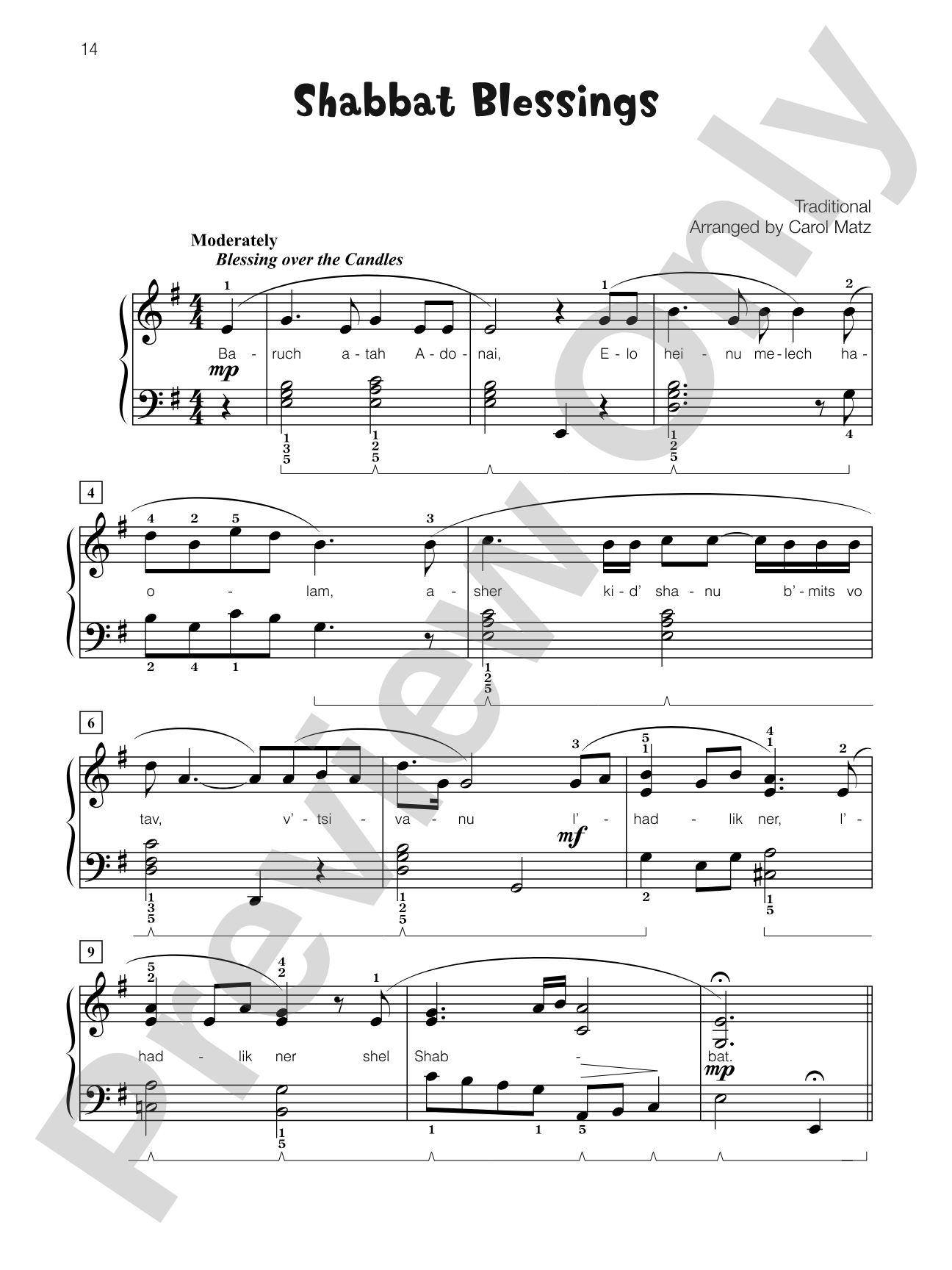

Shabbat Blessings - Piano Solo with Lyrics: Piano Solo with Lyrics
14 Appealing Piano Arrangements
Arranged by Carol Matz
Level: Intermediate
Item: 00-PS-0017379
$8.99
Pickup currently not available
Related Items
Artza Alinu - Piano Solo with Lyrics: Piano Solo with Lyrics |
$4.99
|
View | |
Avinu Malkeinu - Piano Solo with Lyrics: Piano Solo with Lyrics |
$4.99
|
View | |
Chad Gadya ("One Little Goat") - Piano Solo with Lyrics: Piano Solo with Lyrics |
$4.99
|
View | |
Chanukah - Piano Solo with Lyrics: Piano Solo with Lyrics |
$4.99
|
View | |
Eiliyahu Hanavi - Piano Solo with Lyrics: Piano Solo with Lyrics |
$4.99
|
View | |
Haman, a Wicked Man - Piano Solo with Lyrics: Piano Solo with Lyrics |
$4.99
|
View | |
Hatikva (National Anthem of Israel) - Piano Solo with Lyrics: Piano Solo with Lyrics |
$4.99
|
View | |
Hava Nagila - Piano Solo with Lyrics: Piano Solo with Lyrics |
$4.99
|
View | |
Hinei Ma Tov - Piano Solo with Lyrics: Piano Solo with Lyrics |
$4.99
|
View | |
Lama Sukkah Zu? - Piano Solo with Lyrics: Piano Solo with Lyrics |
$4.99
|
View | |
O Chanukah, O Chanukah - Piano Solo with Lyrics: Piano Solo with Lyrics |
$4.99
|
View | |
Oif'n Pripetshik - Piano Solo with Lyrics: Piano Solo with Lyrics |
$4.99
|
View | |
Rock of Ages (Ma'oz Tzur) - Piano Solo with Lyrics: Piano Solo with Lyrics |
$4.99
|
View | |
Famous & Fun Jewish Songs, Book 5: Piano Book |
$8.99
|
View |
Description
Carol Matz's Famous & Fun Jewish Songs, Book 5 is filled with well-known, beloved Hebrew melodies. The collection contains songs for various Jewish holidays, Israeli and Yiddish folk songs, as well as treasured traditional pieces. The arrangements can be used to supplement any method. Titles: Artza Alinu * Avinu Malkeinu * Chad Gadya * Chanukah * Eiliyahu Hanavi * Haman, A Wicked Man * Hatikva * Hava Nagila * Hinei Ma Tov * Lama Sukkah Zu? * O Chanukah, O Chanukah * Oif'n Pripetshik * Rock of Ages (Ma'oz Tzur) * Shabbat Blessings. A Federation Festivals 2024-2028 selection.


Shabbat Blessings - Piano Solo with Lyrics: Piano Solo with Lyrics isn't in MakeMusic Cloud just yet...but it could be. Let us know you'd like to see it, and you'll help shape what comes next. In the meantime, start a free trial and dive into thousands of interactive titles your students can play along with today.
Request This Title
Tell us you want it.
Start Your Free Trial
Explore everything that's ready to play right now.
Sample Audio
No sample audio found.
Sample Video
No sample videos found.
Additional Details
Series:
Famous & Fun
Publisher:
Alfred Music
Page Count:
32
SKU:
00-PS-0017379
More about this title
About the Arranger: Carol Matz
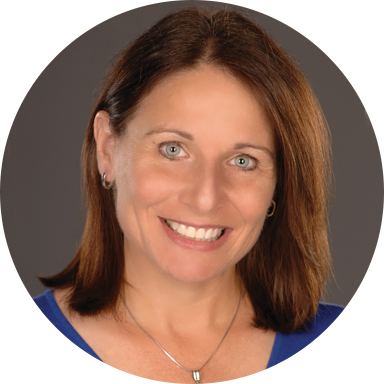
Carol Matz brings three decades of piano pedagogy into every arrangement she writes. Her training in composition and orchestration at the University of Miami informs work that respects both musical substance and student capability, whether she's adapting folk songs, writing for jazz ensembles, or creating original pieces.
Beyond her 300+ published titles, Matz has spent considerable time in the studio arranging for recording artists and teaching piano instructors across North America, Europe, and Australia. That combination of classroom experience and professional arranging work shows in her Famous & Fun series, where cultural authenticity and playability go hand in hand.
Why we love this
Matz treats these melodies with genuine respect, crafting arrangements that sound complete and idiomatic at the piano without sacrificing the intermediate student's ability to learn them in real time. The inclusion of lyrics alongside the music creates a direct path to understanding text and cultural meaning, which transforms these from exercises into songs students actually want to perform.
What to expect
These arrangements glow with warmth and familiarity. The melodies carry centuries of tradition, but Matz's piano writing feels contemporary and alive, honoring the spiritual weight of blessings while keeping the energy grounded and human.
Who it's for
Intermediate piano students preparing recital repertoire with cultural depth, and instructors building programs around Jewish holidays or multicultural music. This book also serves pianists in congregational settings who want to deepen their connection to liturgical material through solo performance.
How to get the most out of it
- Keep the tempo steady but unhurried in the blessing sections; rushing through Hebrew text clouds the meaning for both player and listener.
- Use the lyrics as your phrasing guide. Where a singer would breathe, let your hands shape the musical phrase with a slight ease in tone.
- Balance melody and accompaniment so the tune projects clearly without the left hand becoming rhythmically fuzzy.
- Practice the Hebrew pronunciation separately from the notes if you plan to sing or speak the text aloud; this removes the cognitive load during performance.
How to use it
Feature "Shabbat Blessings" on a winter recital program as a bridge between secular holiday music and sacred repertoire, or program it during a Chanukah concert alongside choral or chamber music that celebrates the same traditions. The 32-page collection also works beautifully as supplementary material in a piano studio studying world music or religious traditions through melody.
Skills your students will build
- Reading and performing music with text in Hebrew and English
- Balancing melody prominence in arrangements with fuller accompaniment
- Phrasing lyrical piano music according to language and breath
- Cultural context and historical awareness of Jewish musical traditions
- Interpretation of folk melodies within intermediate technical boundaries