
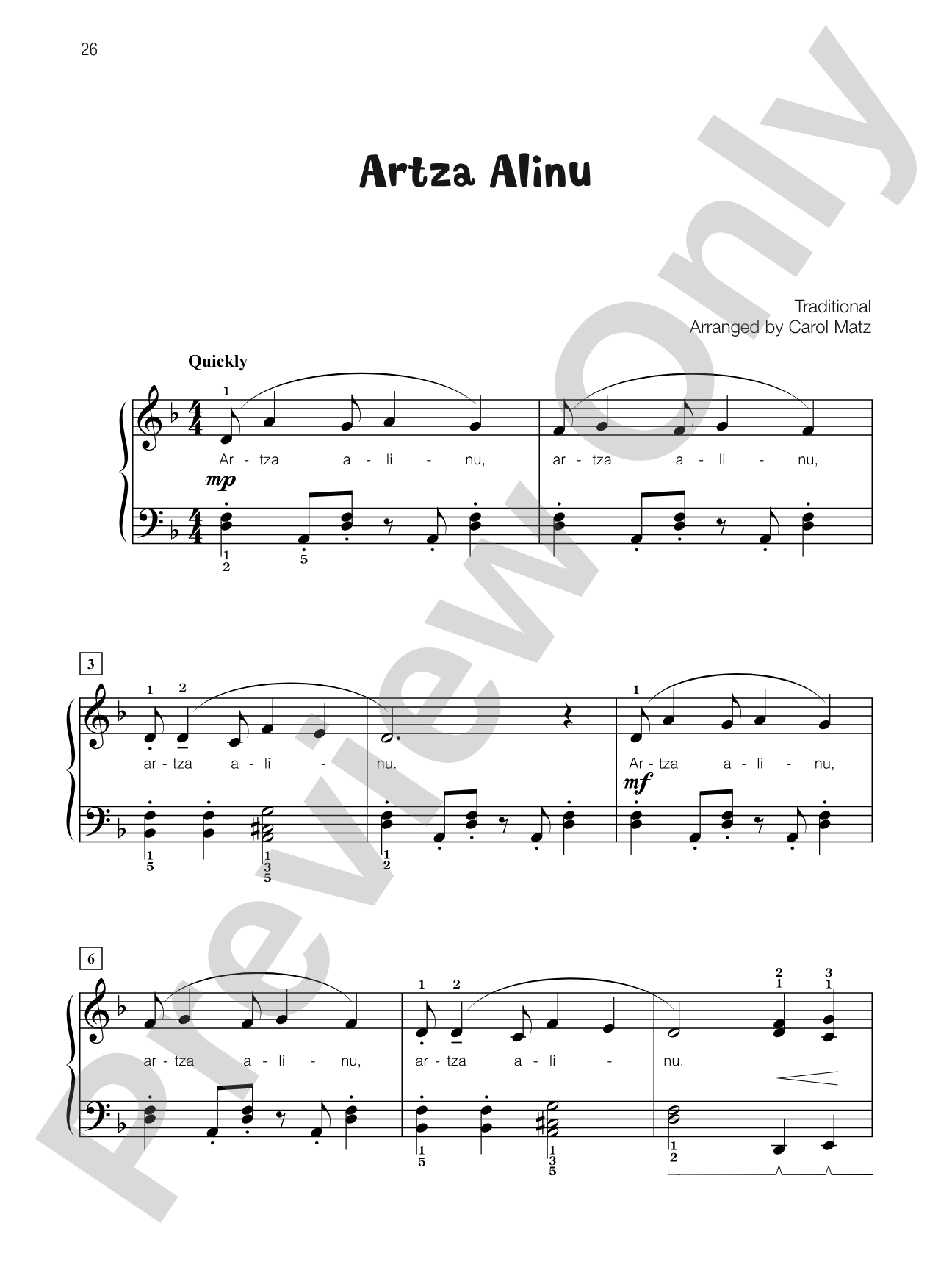

Artza Alinu - Piano Solo with Lyrics: Piano Solo with Lyrics
14 Appealing Piano Arrangements
Arranged by Carol Matz
Level: Intermediate
Item: 00-PS-0017366
$4.99
Pickup currently not available
Related Items
Avinu Malkeinu - Piano Solo with Lyrics: Piano Solo with Lyrics |
$4.99
|
View | |
Chad Gadya ("One Little Goat") - Piano Solo with Lyrics: Piano Solo with Lyrics |
$4.99
|
View | |
Chanukah - Piano Solo with Lyrics: Piano Solo with Lyrics |
$4.99
|
View | |
Eiliyahu Hanavi - Piano Solo with Lyrics: Piano Solo with Lyrics |
$4.99
|
View | |
Haman, a Wicked Man - Piano Solo with Lyrics: Piano Solo with Lyrics |
$4.99
|
View | |
Hatikva (National Anthem of Israel) - Piano Solo with Lyrics: Piano Solo with Lyrics |
$4.99
|
View | |
Hava Nagila - Piano Solo with Lyrics: Piano Solo with Lyrics |
$4.99
|
View | |
Hinei Ma Tov - Piano Solo with Lyrics: Piano Solo with Lyrics |
$4.99
|
View | |
Lama Sukkah Zu? - Piano Solo with Lyrics: Piano Solo with Lyrics |
$4.99
|
View | |
O Chanukah, O Chanukah - Piano Solo with Lyrics: Piano Solo with Lyrics |
$4.99
|
View | |
Oif'n Pripetshik - Piano Solo with Lyrics: Piano Solo with Lyrics |
$4.99
|
View | |
Rock of Ages (Ma'oz Tzur) - Piano Solo with Lyrics: Piano Solo with Lyrics |
$4.99
|
View | |
Shabbat Blessings - Piano Solo with Lyrics: Piano Solo with Lyrics |
$8.99
|
View | |
Famous & Fun Jewish Songs, Book 5: Piano Book |
$8.99
|
View |
Description
Carol Matz's Famous & Fun Jewish Songs, Book 5 is filled with well-known, beloved Hebrew melodies. The collection contains songs for various Jewish holidays, Israeli and Yiddish folk songs, as well as treasured traditional pieces. The arrangements can be used to supplement any method. Titles: Artza Alinu * Avinu Malkeinu * Chad Gadya * Chanukah * Eiliyahu Hanavi * Haman, A Wicked Man * Hatikva * Hava Nagila * Hinei Ma Tov * Lama Sukkah Zu? * O Chanukah, O Chanukah * Oif'n Pripetshik * Rock of Ages (Ma'oz Tzur) * Shabbat Blessings. A Federation Festivals 2024-2028 selection.


Artza Alinu - Piano Solo with Lyrics: Piano Solo with Lyrics isn't in MakeMusic Cloud just yet...but it could be. Let us know you'd like to see it, and you'll help shape what comes next. In the meantime, start a free trial and dive into thousands of interactive titles your students can play along with today.
Request This Title
Tell us you want it.
Start Your Free Trial
Explore everything that's ready to play right now.
Sample Audio
No sample audio found.
Sample Video
No sample videos found.
Additional Details
Series:
Famous & Fun
Publisher:
Alfred Music
Page Count:
32
SKU:
00-PS-0017366
More about this title
About the Arranger: Carol Matz
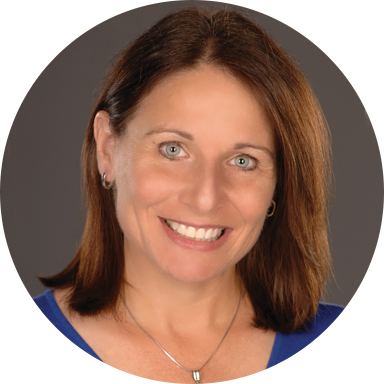
Carol Matz has created over 300 published works for piano students through her roles as composer, author, and arranger. She brings decades of teaching experience to her writing, having worked directly with students and led workshops across the United States, Canada, England, New Zealand, and Australia.
Her formal training in composition, arranging, and orchestration at the University of Miami shaped her versatility across multiple genres and ensemble types. Beyond her renowned Famous & Fun series published by Alfred Music, Matz has written for orchestras, jazz ensembles, brass quintets, and string quartets, and contributed studio arrangements for recording artists in Miami.
Why we love this
Carol Matz has a gift for honoring traditional melodies while making them genuinely enjoyable to learn and perform. These arrangements balance authentic musical character with the technical accessibility intermediate pianists need, so students can experience the cultural depth of these songs without wrestling through unnecessarily complex voicing or hand spans.
What to expect
These arrangements celebrate the warmth and resilience of Jewish musical tradition. From the energetic celebratory feel of festival songs to the contemplative quality of traditional melodies, the music captures both joy and depth, inviting pianists to connect emotionally with each piece.
Who it's for
Intermediate piano students preparing recital repertoire or contest material, particularly those interested in exploring Jewish musical heritage and Israeli folk traditions. Teachers seeking cultural variety that enriches their students' understanding of world music will find these accessible yet musically substantial arrangements invaluable.
How to get the most out of it
- Lean into the cultural character of each piece. Hebrew folk melodies often feature specific phrasing and ornamentation; use the lyrics as your guide to where the music breathes and where it should lift.
- Pay attention to the notation of any modal or pentatonic passages that distinguish these traditional songs from standard major and minor tonalities.
- If performing with lyrics, ensure your tempo allows the text to land clearly without rushing the phrases, especially in songs with longer vowel sounds or unfamiliar phonetic patterns.
How to use it
Feature individual selections from this collection in Chanukah or winter recitals, or build an entire program around Jewish and Israeli folk songs for Shabbat celebrations or Holocaust Remembrance observances. The variety of tempos and moods within the collection makes it ideal for constructing balanced recital programs.
Skills your students will build
- Recognizing and performing modal melodic patterns found in Hebrew and Yiddish folk music
- Interpreting text and lyric content to inform musical phrasing and expression
- Playing with cultural authenticity and respectful musical awareness
- Managing varied accompaniment patterns appropriate to folk and traditional styles
- Building intermediate hand independence and coordination across different rhythmic textures