
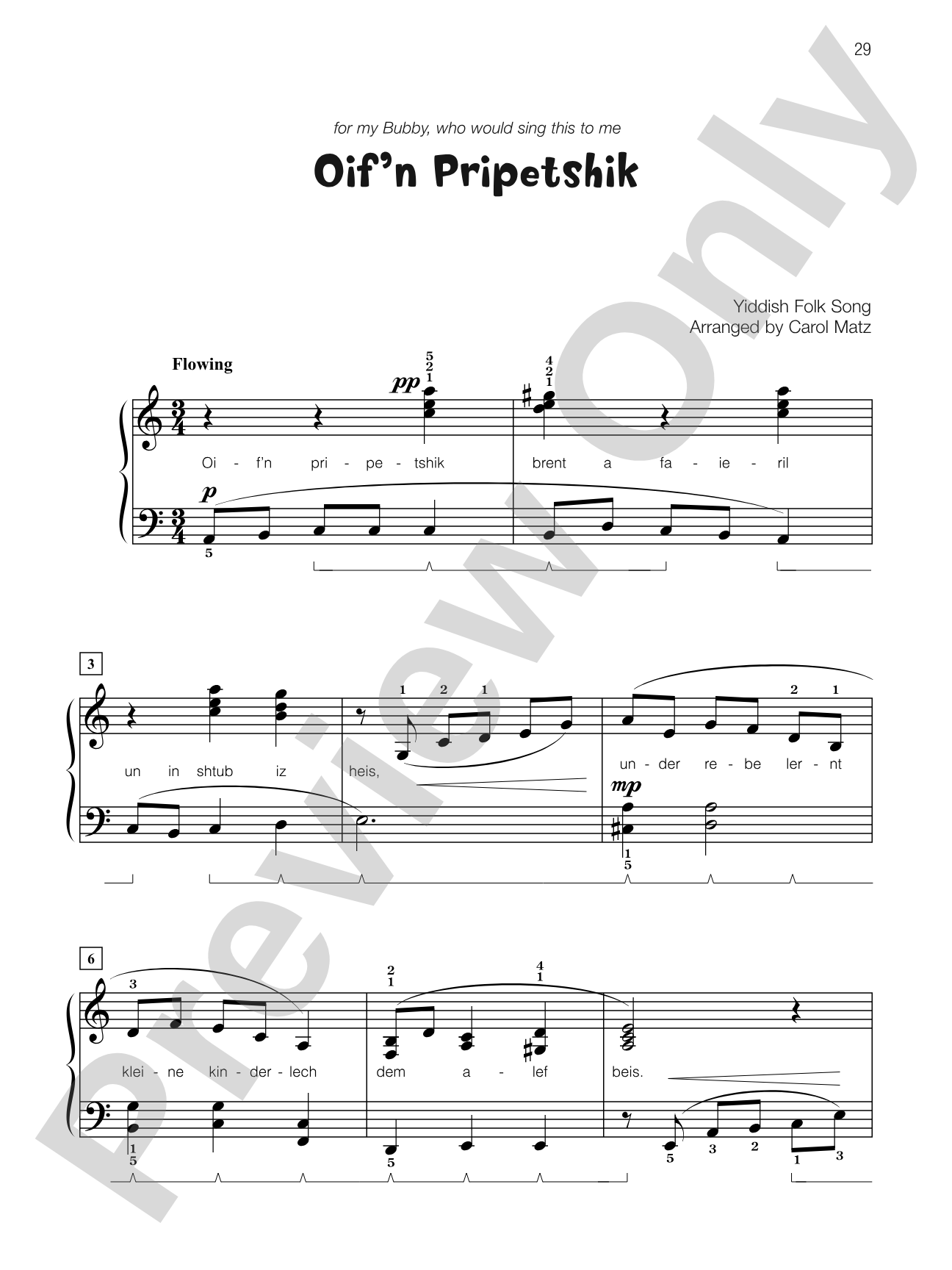

Oif'n Pripetshik - Piano Solo with Lyrics: Piano Solo with Lyrics
14 Appealing Piano Arrangements
Arranged by Carol Matz
Level: Intermediate
Item: 00-PS-0017377
$4.99
Pickup currently not available
Related Items
Artza Alinu - Piano Solo with Lyrics: Piano Solo with Lyrics |
$4.99
|
View | |
Avinu Malkeinu - Piano Solo with Lyrics: Piano Solo with Lyrics |
$4.99
|
View | |
Chad Gadya ("One Little Goat") - Piano Solo with Lyrics: Piano Solo with Lyrics |
$4.99
|
View | |
Chanukah - Piano Solo with Lyrics: Piano Solo with Lyrics |
$4.99
|
View | |
Eiliyahu Hanavi - Piano Solo with Lyrics: Piano Solo with Lyrics |
$4.99
|
View | |
Haman, a Wicked Man - Piano Solo with Lyrics: Piano Solo with Lyrics |
$4.99
|
View | |
Hatikva (National Anthem of Israel) - Piano Solo with Lyrics: Piano Solo with Lyrics |
$4.99
|
View | |
Hava Nagila - Piano Solo with Lyrics: Piano Solo with Lyrics |
$4.99
|
View | |
Hinei Ma Tov - Piano Solo with Lyrics: Piano Solo with Lyrics |
$4.99
|
View | |
Lama Sukkah Zu? - Piano Solo with Lyrics: Piano Solo with Lyrics |
$4.99
|
View | |
O Chanukah, O Chanukah - Piano Solo with Lyrics: Piano Solo with Lyrics |
$4.99
|
View | |
Rock of Ages (Ma'oz Tzur) - Piano Solo with Lyrics: Piano Solo with Lyrics |
$4.99
|
View | |
Shabbat Blessings - Piano Solo with Lyrics: Piano Solo with Lyrics |
$8.99
|
View | |
Famous & Fun Jewish Songs, Book 5: Piano Book |
$8.99
|
View |
Description
Carol Matz's Famous & Fun Jewish Songs, Book 5 is filled with well-known, beloved Hebrew melodies. The collection contains songs for various Jewish holidays, Israeli and Yiddish folk songs, as well as treasured traditional pieces. The arrangements can be used to supplement any method. Titles: Artza Alinu * Avinu Malkeinu * Chad Gadya * Chanukah * Eiliyahu Hanavi * Haman, A Wicked Man * Hatikva * Hava Nagila * Hinei Ma Tov * Lama Sukkah Zu? * O Chanukah, O Chanukah * Oif'n Pripetshik * Rock of Ages (Ma'oz Tzur) * Shabbat Blessings. A Federation Festivals 2024-2028 selection.


Oif'n Pripetshik - Piano Solo with Lyrics: Piano Solo with Lyrics isn't in MakeMusic Cloud just yet...but it could be. Let us know you'd like to see it, and you'll help shape what comes next. In the meantime, start a free trial and dive into thousands of interactive titles your students can play along with today.
Request This Title
Tell us you want it.
Start Your Free Trial
Explore everything that's ready to play right now.
Sample Audio
No sample audio found.
Sample Video
No sample videos found.
Additional Details
Series:
Famous & Fun
Publisher:
Alfred Music
Page Count:
32
SKU:
00-PS-0017377
More about this title
About the Arranger: Carol Matz
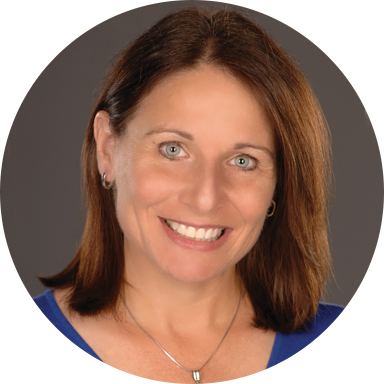
Carol Matz brings three decades of piano teaching experience to her arrangements and compositions, having created over 300 published works for piano students at all levels. Her Famous & Fun series has become a staple in studios and classrooms, known for pairing accessible arrangements with music that students actually want to play.
Matz studied composition, arranging, and orchestration at the University of Miami and has worked across multiple genres and ensembles, from orchestral writing to jazz big band and chamber music. She has led piano pedagogy workshops across North America, the United Kingdom, Australia, and New Zealand, sharing her approach to making repertoire both teachable and engaging.
Why we love this
Matz captures the melodic warmth of this Yiddish folk classic while keeping the accompaniment supportive enough for intermediate pianists to shine. The piece sits perfectly between recital repertoire and cultural learning, allowing students to connect with Jewish heritage music through their own hands rather than just hearing it performed.
What to expect
Tender and reflective, with the quiet dignity of a folk melody passed down through generations. The piano part creates an intimate atmosphere that honors the Yiddish text without sentimentality, letting the story of the song speak for itself.
Who it's for
Intermediate pianists preparing recital repertoire that connects to cultural or family heritage, as well as students exploring Jewish folk music for concerts, competitions, or personal enrichment. This arrangement suits both solo recital programming and collaborative performance with singers.
How to get the most out of it
- Balance the melody line so the Yiddish text can be clearly articulated if sung alongside the piano part; the accompaniment should never overshadow the story being told.
- Observe rubato carefully in phrases where the lyrics naturally breathe; this folk melody benefits from slight rhythmic flexibility that honors the language and emotional weight of the text.
- Pay attention to the harmonic color changes; Matz's accompaniment choices often highlight specific moments in the narrative, so clarity in chord voicing matters as much as tempo consistency.
How to use it
Feature this as a recital solo that opens doors to discussions about cultural repertoire and Jewish musical traditions. It pairs naturally with other pieces from the Famous & Fun Jewish Songs collection for a thematic concert, or stands alone as a meaningful addition to a winter or Chanukah-themed program.
Skills your students will build
- Singing melody lines with text while managing independent accompaniment
- Dynamic control and shaping in folk-style arrangements
- Handling rubato and rhythmic flexibility within a structured harmonic framework
- Interpreting cultural and historical context through musical phrasing