
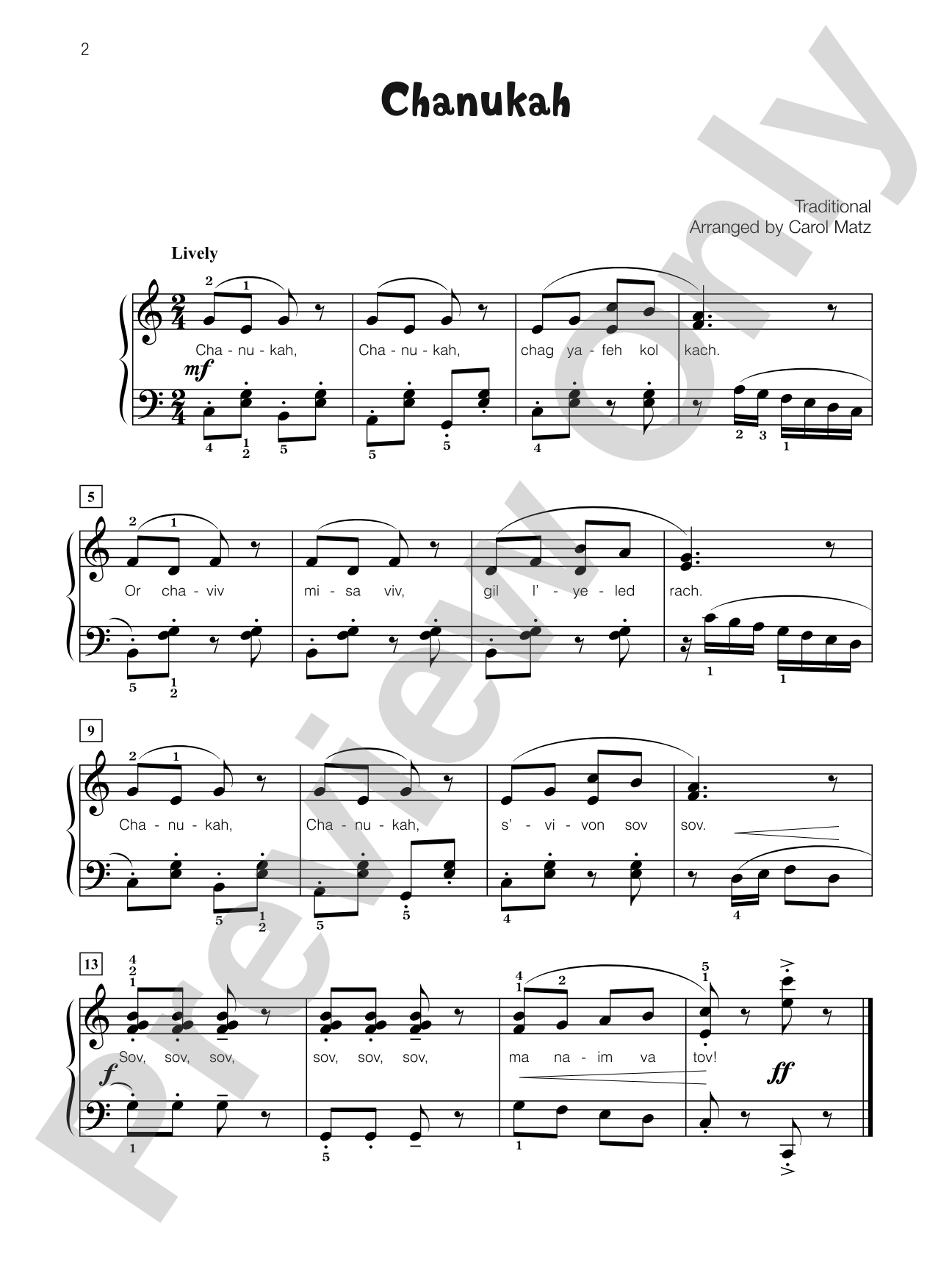

Chanukah - Piano Solo with Lyrics: Piano Solo with Lyrics
14 Appealing Piano Arrangements
Arranged by Carol Matz
Level: Intermediate
Item: 00-PS-0017369
$4.99
Pickup currently not available
Related Items
Artza Alinu - Piano Solo with Lyrics: Piano Solo with Lyrics |
$4.99
|
View | |
Avinu Malkeinu - Piano Solo with Lyrics: Piano Solo with Lyrics |
$4.99
|
View | |
Chad Gadya ("One Little Goat") - Piano Solo with Lyrics: Piano Solo with Lyrics |
$4.99
|
View | |
Eiliyahu Hanavi - Piano Solo with Lyrics: Piano Solo with Lyrics |
$4.99
|
View | |
Haman, a Wicked Man - Piano Solo with Lyrics: Piano Solo with Lyrics |
$4.99
|
View | |
Hatikva (National Anthem of Israel) - Piano Solo with Lyrics: Piano Solo with Lyrics |
$4.99
|
View | |
Hava Nagila - Piano Solo with Lyrics: Piano Solo with Lyrics |
$4.99
|
View | |
Hinei Ma Tov - Piano Solo with Lyrics: Piano Solo with Lyrics |
$4.99
|
View | |
Lama Sukkah Zu? - Piano Solo with Lyrics: Piano Solo with Lyrics |
$4.99
|
View | |
O Chanukah, O Chanukah - Piano Solo with Lyrics: Piano Solo with Lyrics |
$4.99
|
View | |
Oif'n Pripetshik - Piano Solo with Lyrics: Piano Solo with Lyrics |
$4.99
|
View | |
Rock of Ages (Ma'oz Tzur) - Piano Solo with Lyrics: Piano Solo with Lyrics |
$4.99
|
View | |
Shabbat Blessings - Piano Solo with Lyrics: Piano Solo with Lyrics |
$8.99
|
View | |
Famous & Fun Jewish Songs, Book 5: Piano Book |
$8.99
|
View |
Description
Carol Matz's Famous & Fun Jewish Songs, Book 5 is filled with well-known, beloved Hebrew melodies. The collection contains songs for various Jewish holidays, Israeli and Yiddish folk songs, as well as treasured traditional pieces. The arrangements can be used to supplement any method. Titles: Artza Alinu * Avinu Malkeinu * Chad Gadya * Chanukah * Eiliyahu Hanavi * Haman, A Wicked Man * Hatikva * Hava Nagila * Hinei Ma Tov * Lama Sukkah Zu? * O Chanukah, O Chanukah * Oif'n Pripetshik * Rock of Ages (Ma'oz Tzur) * Shabbat Blessings. A Federation Festivals 2024-2028 selection.


Chanukah - Piano Solo with Lyrics: Piano Solo with Lyrics isn't in MakeMusic Cloud just yet...but it could be. Let us know you'd like to see it, and you'll help shape what comes next. In the meantime, start a free trial and dive into thousands of interactive titles your students can play along with today.
Request This Title
Tell us you want it.
Start Your Free Trial
Explore everything that's ready to play right now.
Sample Audio
No sample audio found.
Sample Video
No sample videos found.
Additional Details
Series:
Famous & Fun
Publisher:
Alfred Music
Page Count:
32
SKU:
00-PS-0017369
More about this title
About the Arranger: Carol Matz
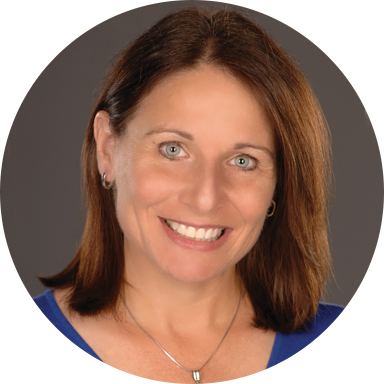
Carol Matz brings three decades of classroom experience to every arrangement she creates. A prolific composer and arranger with over 300 published works, Matz studied composition, arranging, and orchestration at the University of Miami and has written across multiple genres and ensembles, from orchestra and jazz big band to brass quintet and string quartet. Her studio work in Miami recording facilities sharpened her ear for practical, performable arrangements.
Matz's Famous & Fun series has become a staple in piano studios nationwide and internationally. She regularly conducts piano-teaching workshops across the United States, Canada, the United Kingdom, New Zealand, and Australia, sharing pedagogical strategies grounded in real student needs and real teaching schedules.
Why we love this
This solo captures a Chanukah melody that intermediate pianists recognize immediately, removing the barrier of unfamiliar material and letting students focus on musical expression rather than decoding an obscure tune. The inclusion of lyrics transforms it into a flexible teaching tool: pianists can sing along during practice, accompany a vocalist in recital, or perform it as pure instrumental music depending on your program's needs. Matz's arrangement respects the melody's character while remaining genuinely playable at the intermediate level.
What to expect
Warm and celebratory, with the quiet dignity of a deeply familiar song shared across generations. The melody sits naturally under the hands, inviting a clarity of tone and a gentle joy rather than technical display.
Who it's for
Intermediate piano students seeking repertoire with cultural resonance and immediate recognition. Teachers building recital programs that honor Jewish heritage and holiday observance, or preparing students for competitions like Federation Festivals that specifically include this collection.
How to get the most out of it
- Shape the phrasing around the lyrics even when playing as a solo; each sung phrase suggests a natural breathing and contour that makes the melody sing through your hands.
- Balance the accompaniment texture so it supports rather than overwhelms the melody line; intermediate pianists often rush the harmonic movement when they're focused on the right-hand tune.
- If performing with a vocalist, establish your tempo and dynamic shape in rehearsal before adding the sung line, since the melody's familiarity can tempt singers to rush or alter its natural rhythm.
How to use it
Program this for winter recitals or holiday-themed concerts where community members celebrate Chanukah traditions. It works particularly well paired with other selections from Matz's collection if you're building a short Hebrew song cycle, or as a standalone piece that speaks across cultural contexts in multi-faith programming.
Skills your students will build
- Accompanying melody with independent harmonic voices
- Shaping phrasing guided by lyrical text
- Balancing treble and accompaniment textures at intermediate tempo
- Performing familiar melodies with expressive intent rather than rote accuracy