


Rise Up, Shepherd, and Follow!: Choral SoundPax
Arr. Mark Hayes
Item: 00-PK-0004507

$30.00
Pickup currently not available
Buy Extra Parts (Digital PDF Download)
Parts Added to Cart!
Related Items
Rise Up, Shepherd, and Follow!: SATB Choral Octavo |
$2.25
|
View | |
Rise Up, Shepherd, and Follow!: SAB Choral Octavo |
$2.25
|
View | |
Rise Up, Shepherd, and Follow!: SSA Choral Octavo |
$2.25
|
View | |
Rise Up, Shepherd, and Follow!: TTBB Choral Octavo |
$2.25
|
View | |
Rise Up, Shepherd, and Follow!: SATB Choral Octavo |
$2.25
|
View | |
Rise Up, Shepherd, and Follow!: SAB Choral Octavo |
$2.25
|
View | |
Rise Up, Shepherd, and Follow!: SSA Choral Octavo |
$2.25
|
View | |
Rise Up, Shepherd, and Follow!: TTBB Choral Octavo |
$2.25
|
View | |
Rise Up, Shepherd, and Follow!: Choral Octavo SoundTrax CD |
$27.99
|
View | |
Rise Up, Shepherd, and Follow!: Choral SoundPax |
$30.00
|
View |
Description
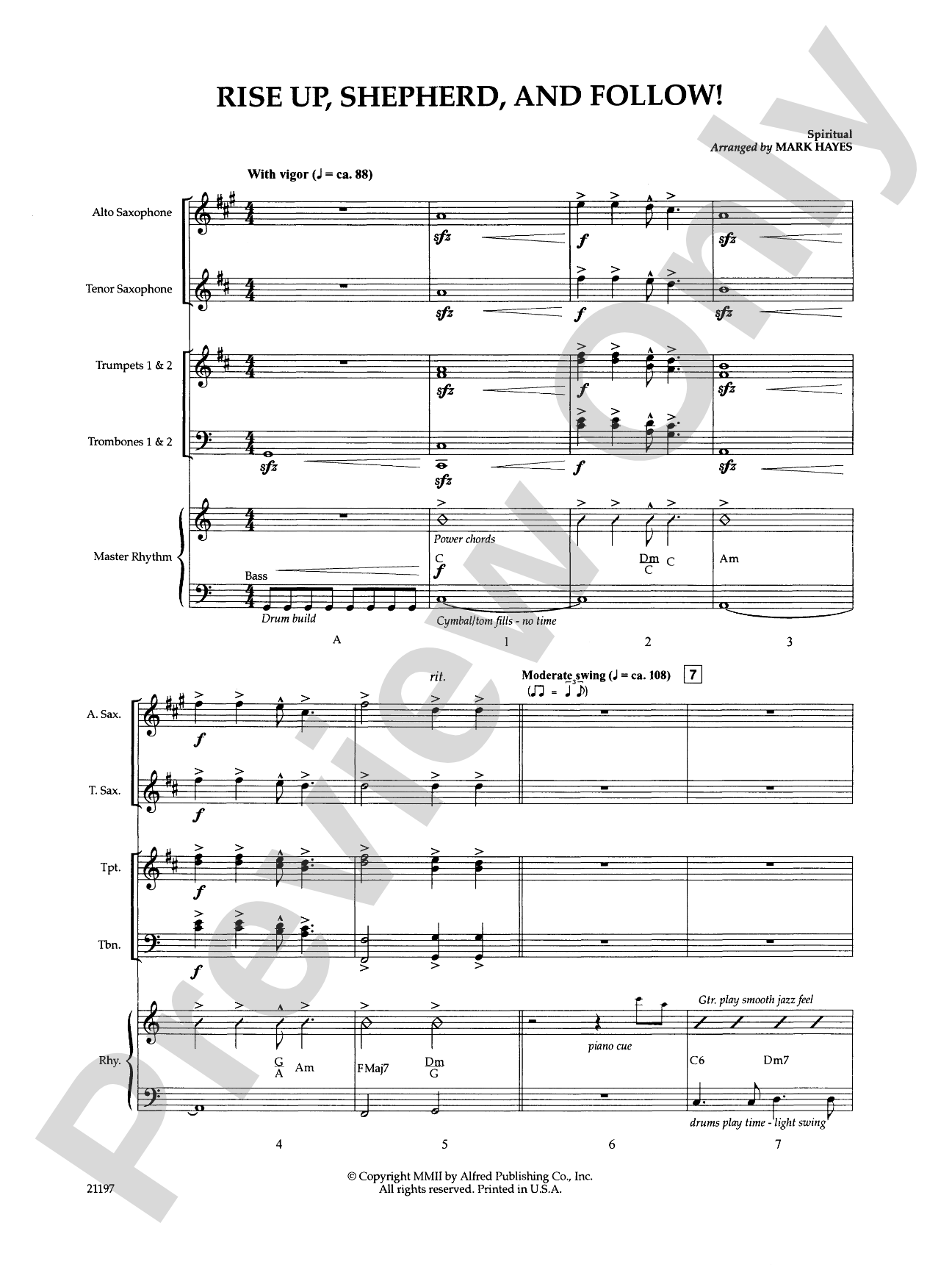
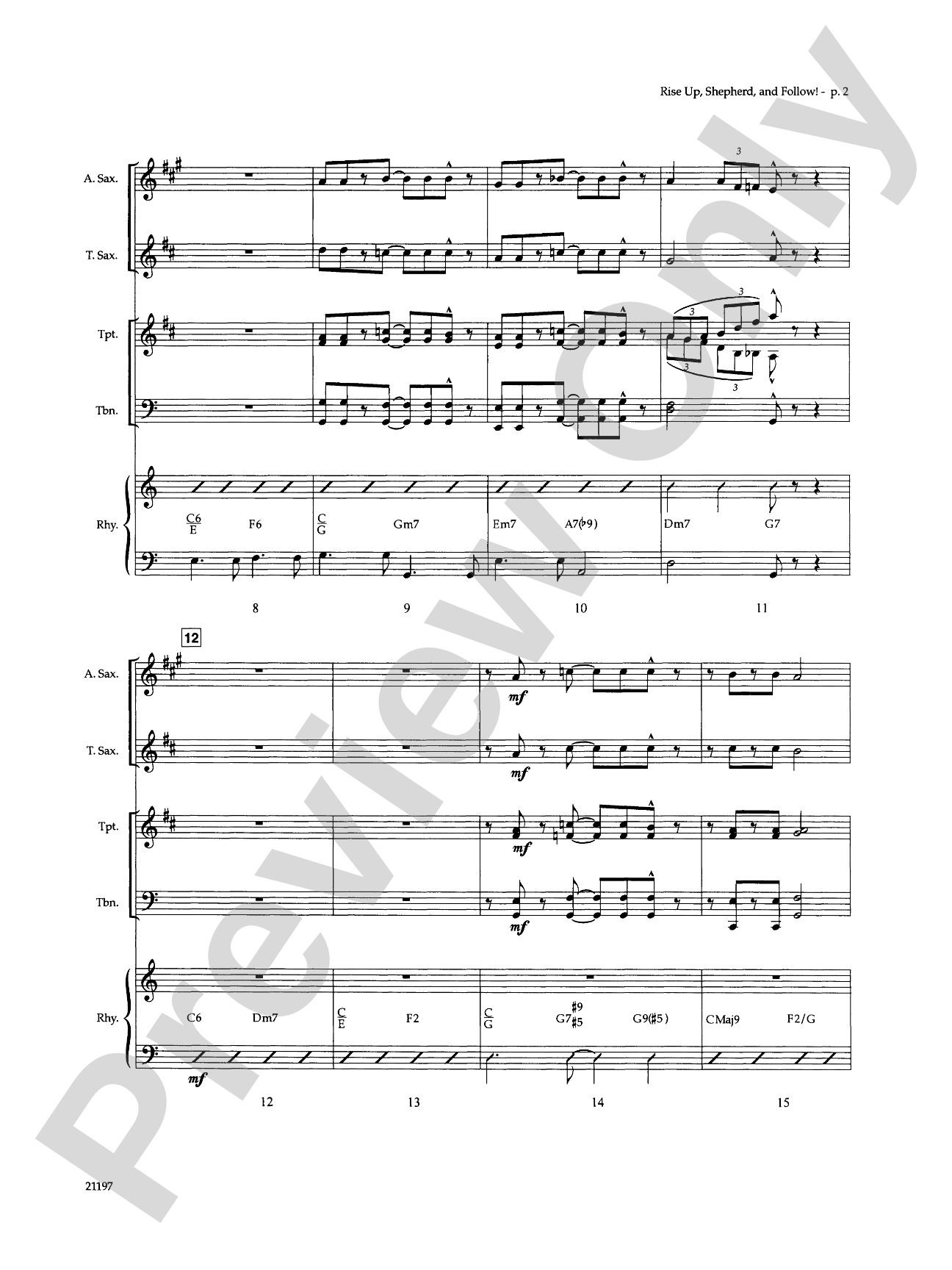
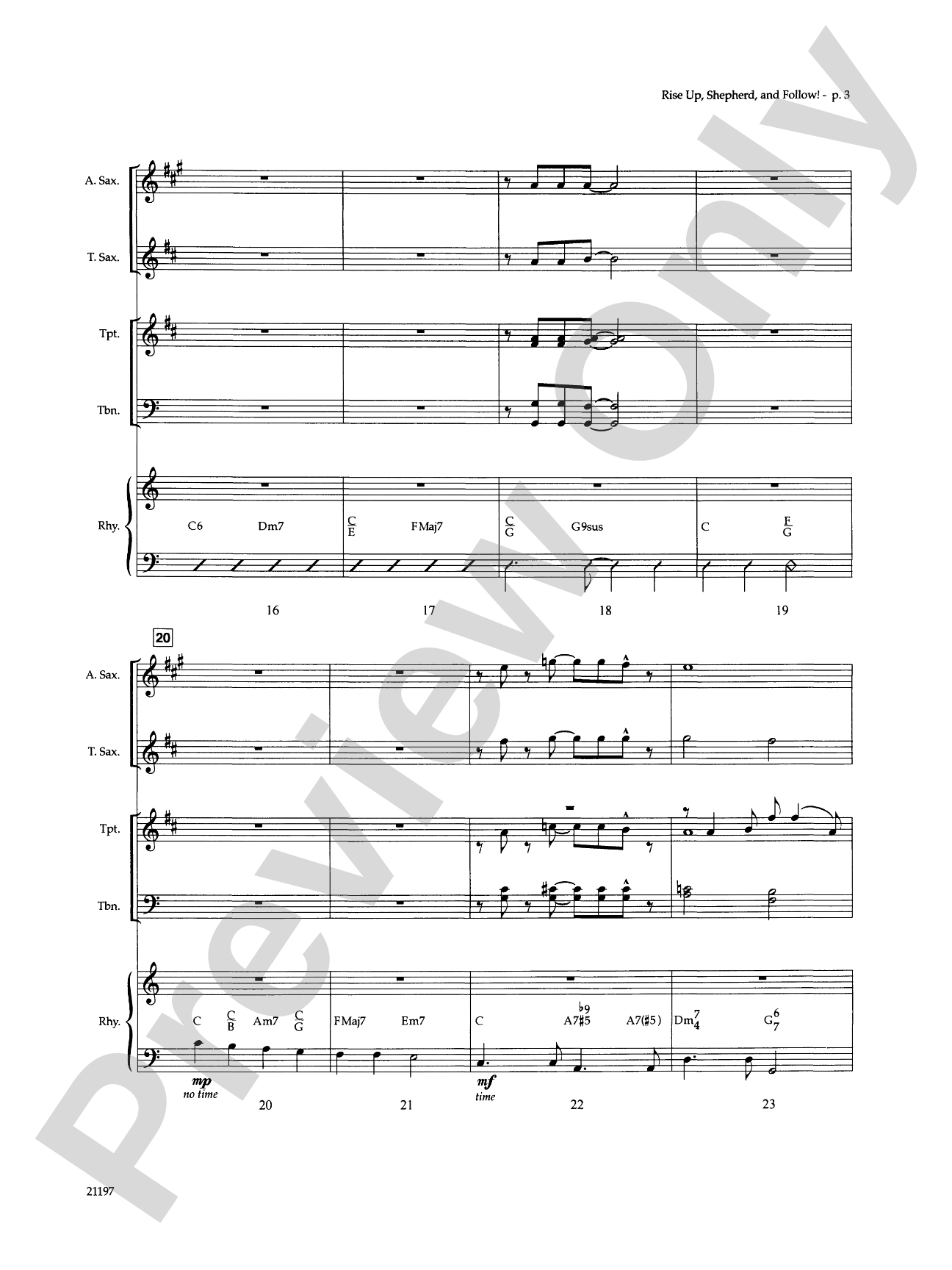
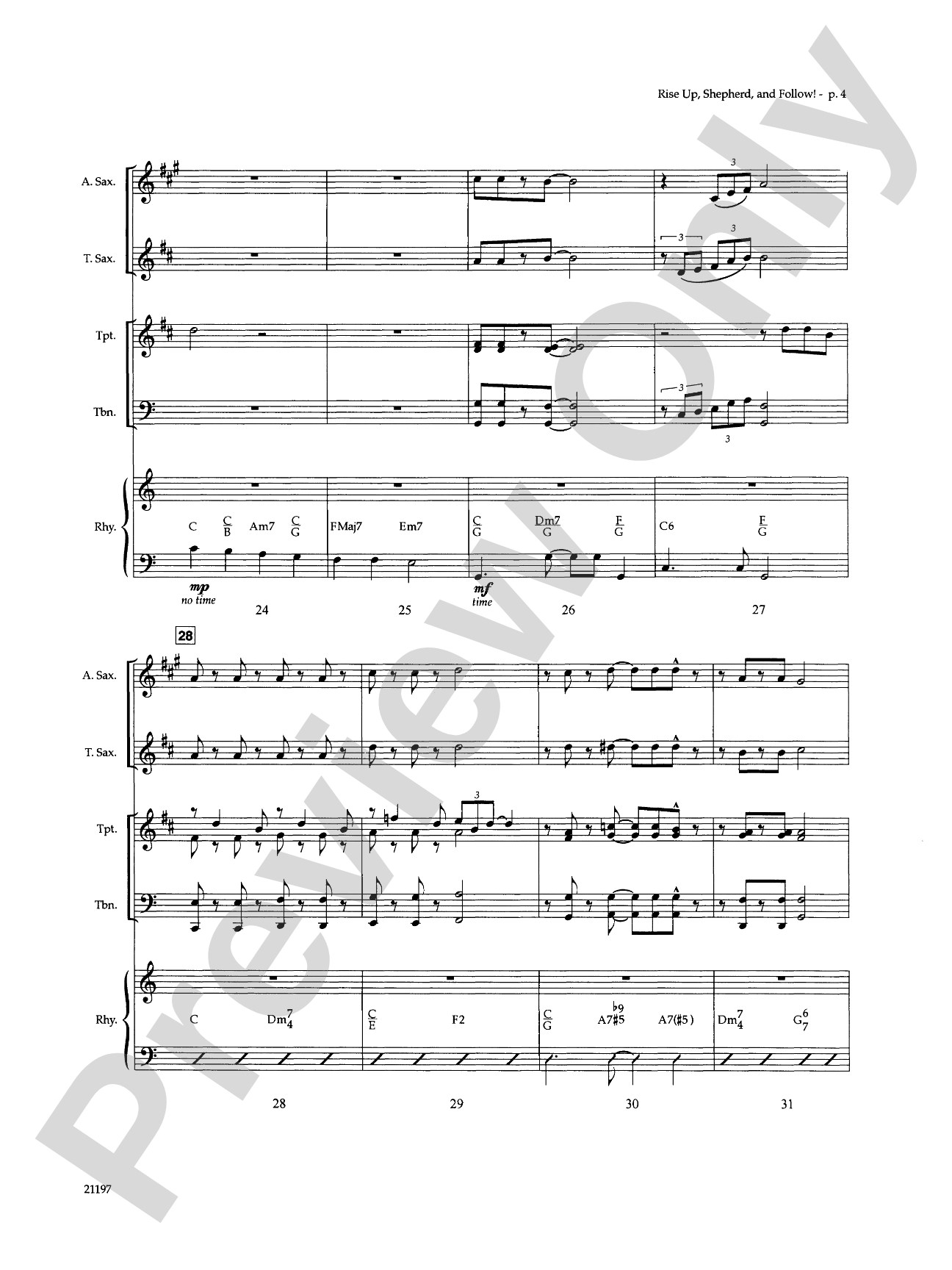
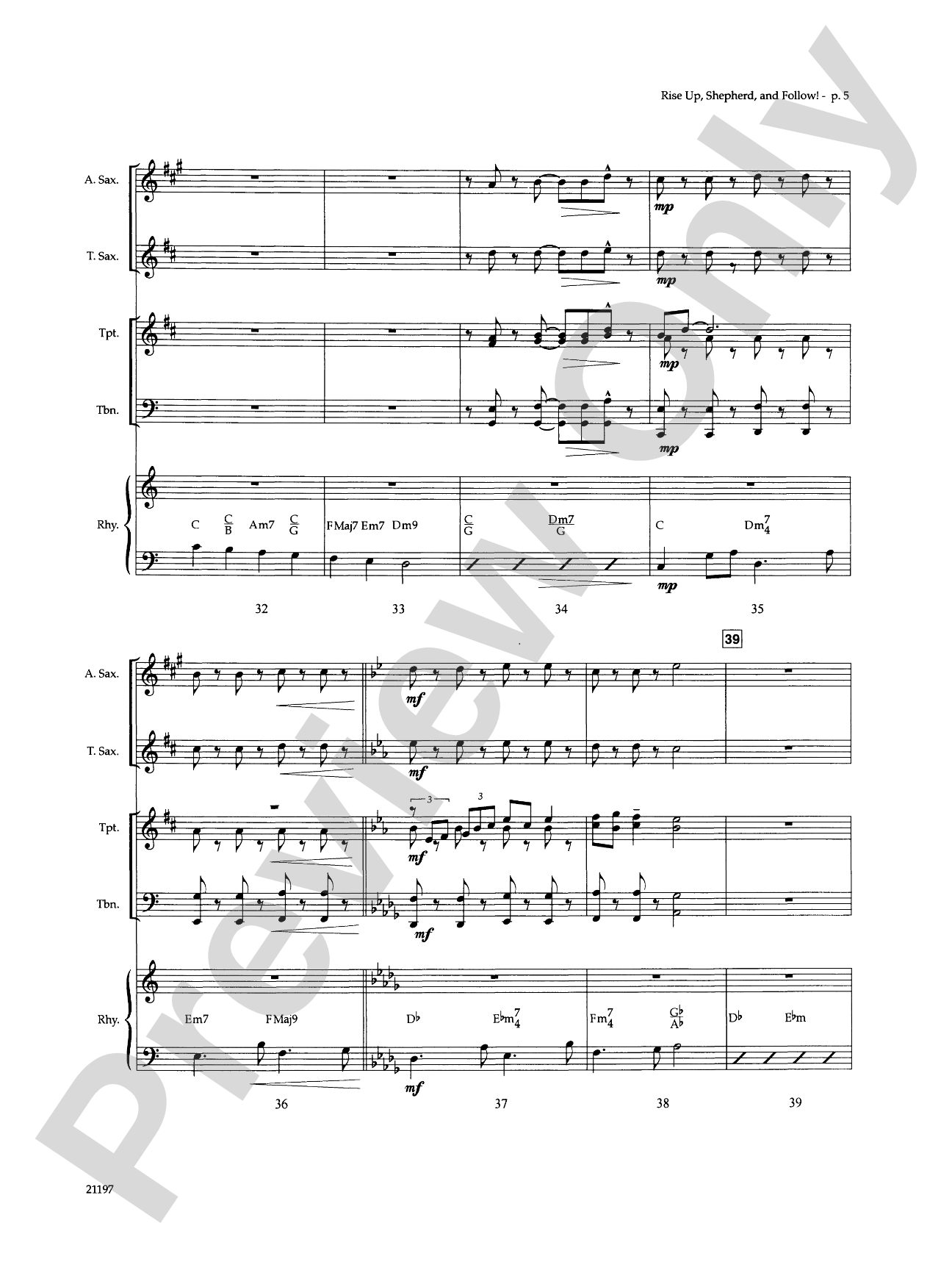
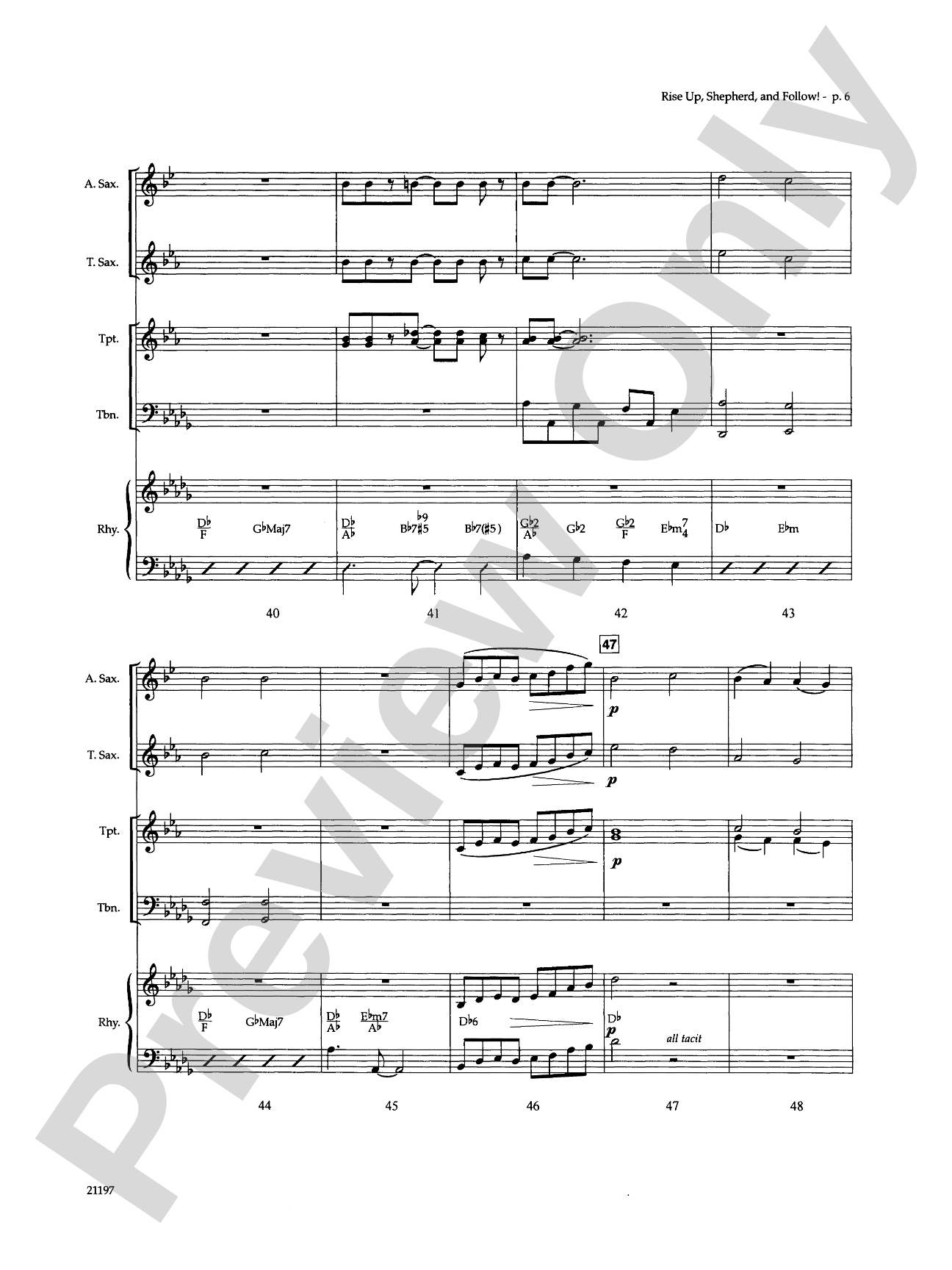
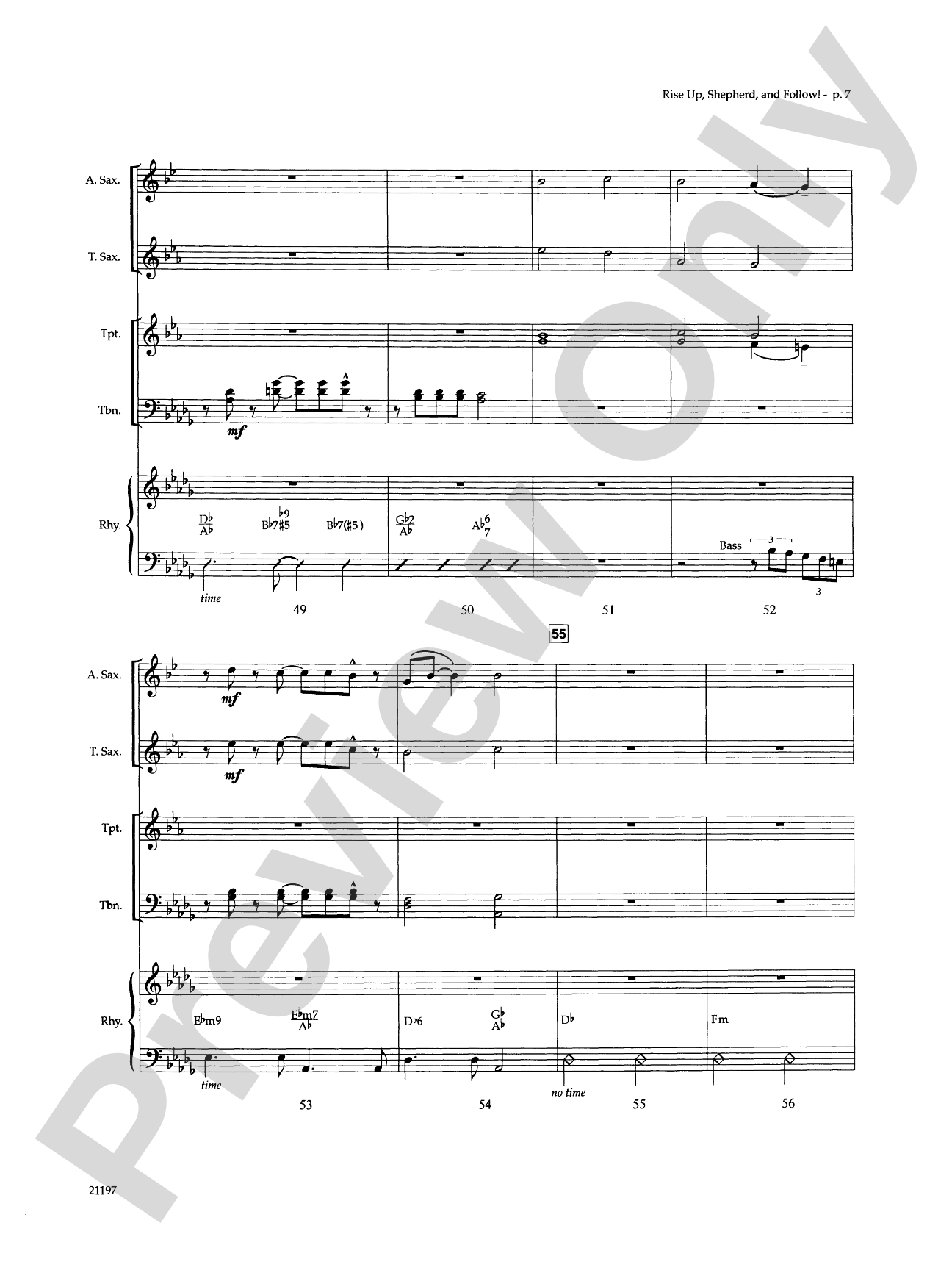
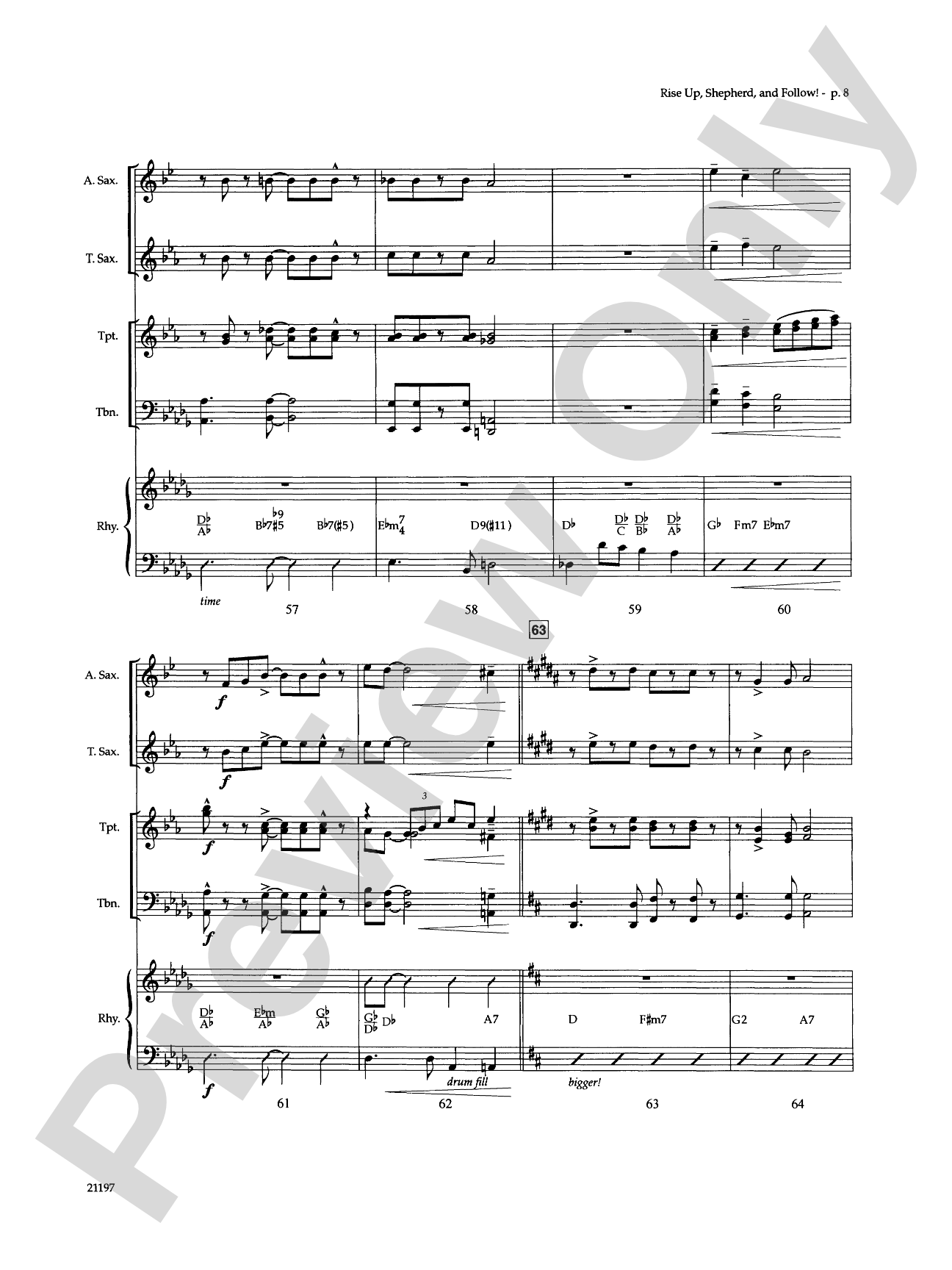
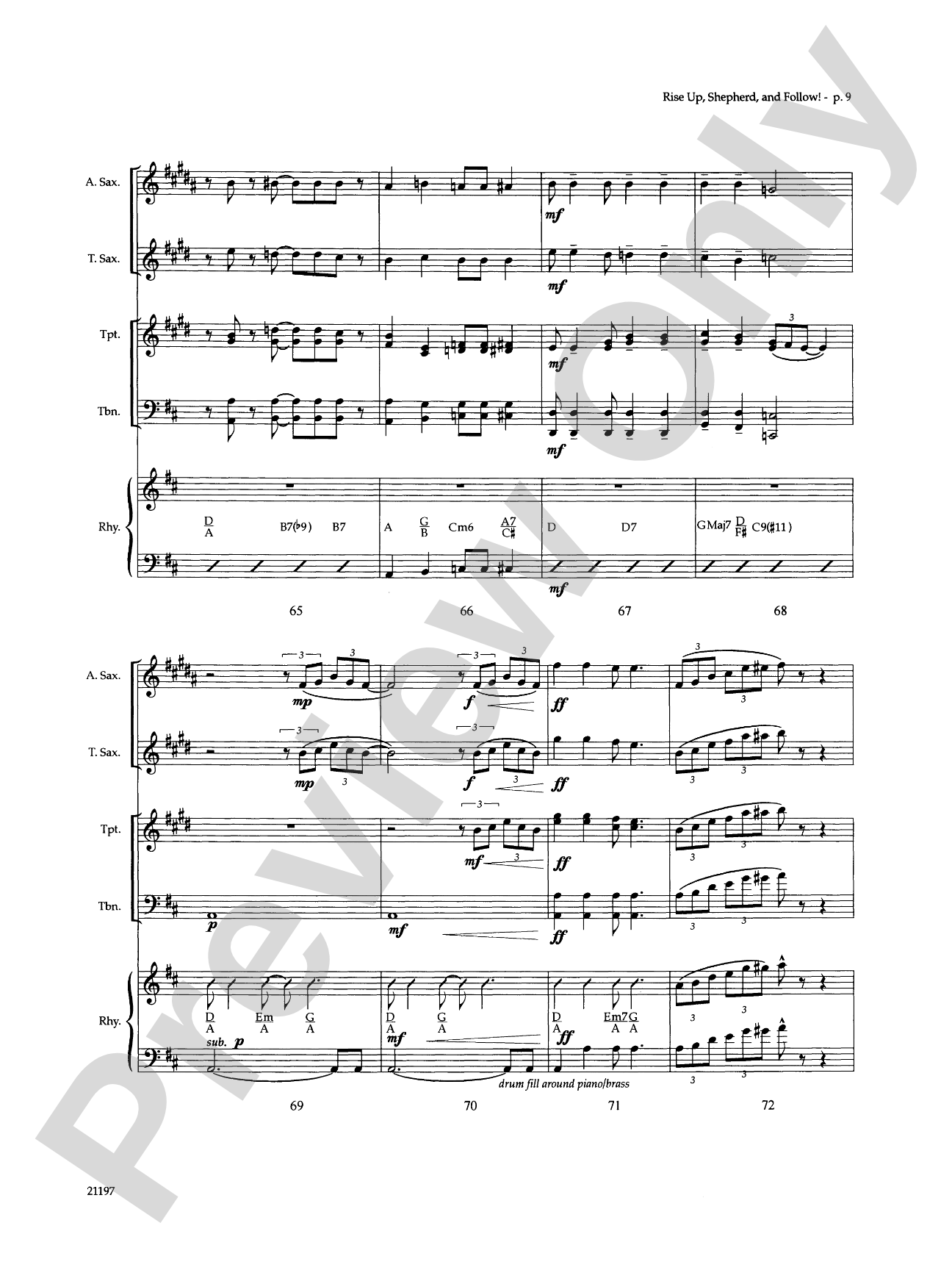
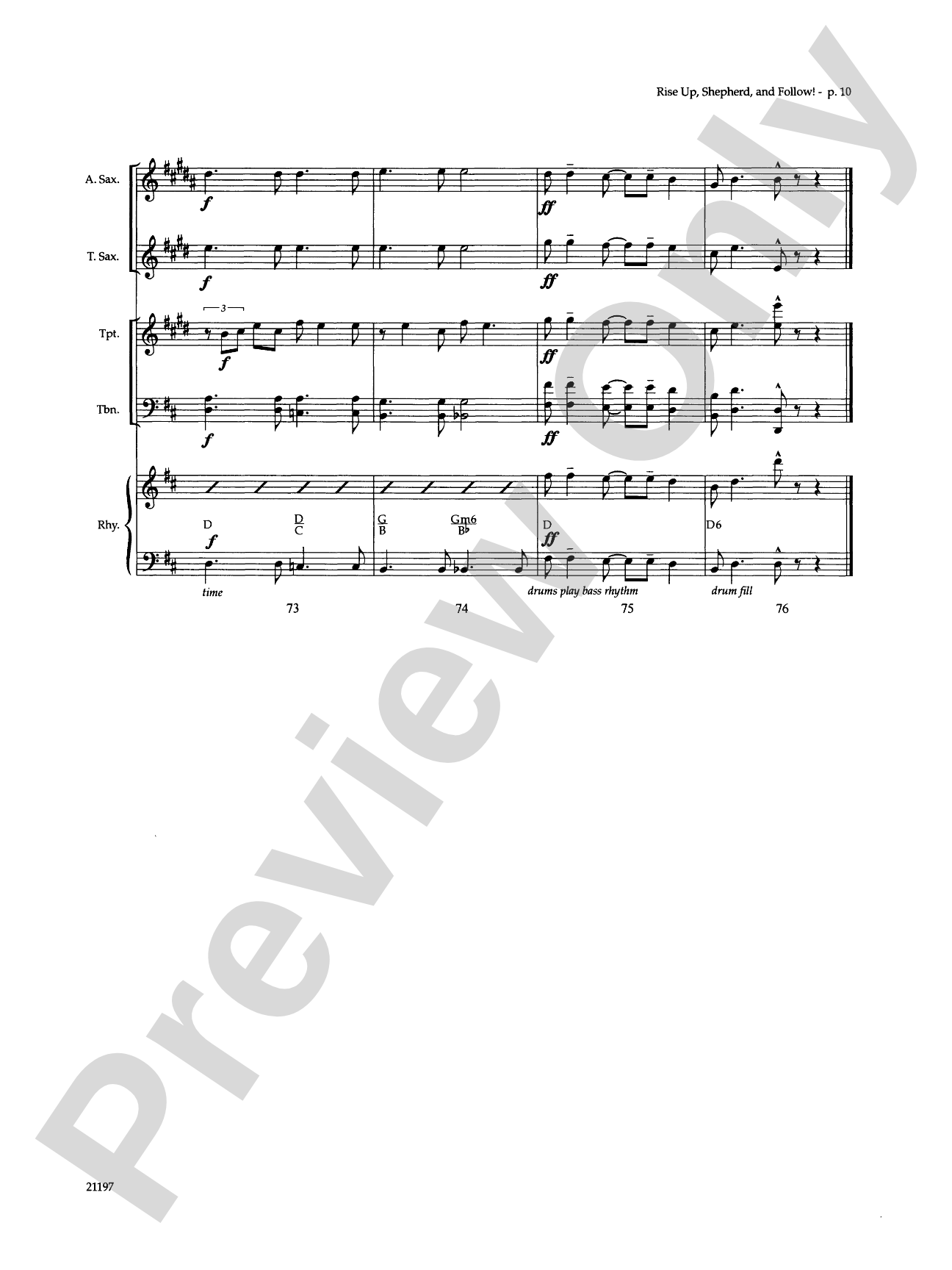
Includes parts for alto saxophone, tenor saxophone, 2 trumpets, 2 trombones and rhythm.


Don't just read it, hear it, play along with it, and watch your students grow with it. In MakeMusic Cloud, Rise Up, Shepherd, and Follow!: Choral SoundPax comes alive with professional accompaniment, adjustable tempo, and built-in practice tools that turn solo practice into real progress.
Open in the Player
Jump straight in and assign it today.
Start Your Free Trial
Open this title and explore the full library in minutes.
Sample Audio
1
Audio File
--:--
0:00
0:00
Sample Video
No sample videos found.
Additional Details
Series:
Alfred Choral Designs
Publisher:
Alfred Music
Page Count:
28
SKU:
00-PK-0004507
Instrumentation:
SoundPax
More about this title
About the Arranger: Mark Hayes
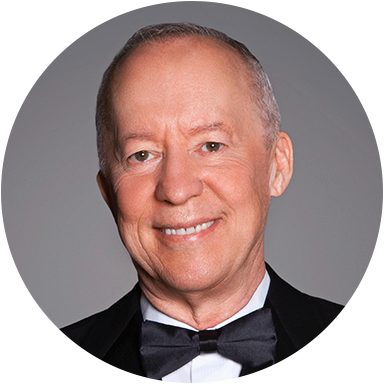
Mark Hayes has composed and arranged over 1,750 works across sacred music, choral literature, orchestral scores, and musical theater. A Baylor University graduate in piano performance, he holds the Award for Exemplary Leadership in Christian Music from his alma mater and has guest conducted at Lincoln Center, the National Cathedral, and Carnegie Hall. His sacred works including Te Deum, Magnificat, and Gloria have been performed internationally, and he conducted the world premiere of his Requiem at Lincoln Center in 2013 and again at St. Ignatius Basilica in Rome as part of the Vatican-sponsored Festival Pro Musica E Arte Sacra.
Beyond choral and sacred music, Hayes has orchestrated musicals, produced recordings, and written extensively for piano across gospel, classical, jazz, and Broadway styles. Based in Kansas City, Missouri, he continues to work as a pianist, conductor, and composer whose arrangements bring fresh energy to traditional repertoire while maintaining the spiritual and musical integrity of the material.
Why we love this
Hayes transforms this spiritual into a vibrant choral-instrumental hybrid that gives your singers a genuine ensemble experience without requiring a full orchestra. The SoundPax instrumentation (saxophones, trumpets, trombones, and rhythm) sits perfectly in range and energy level for community and school choirs, and the arrangement respects the song's spiritual roots while adding sophisticated harmonic color and rhythmic drive.
What to expect
Warm, encouraging, and alive. The arrangement captures the call-and-response character of the spiritual while layering in bright horn punctuation and a steady, propulsive rhythm that gives the song forward momentum. It feels like a gathering, not a performance.
Who it's for
Choirs in schools, churches, and community settings looking for a spiritually grounded arrangement that adds contemporary instrumental color to a beloved song. The SoundPax setup works for ensembles that have access to a jazz band or flexible brass and woodwind players willing to double on the arranged parts.
How to get the most out of it
- Blend the saxophone section carefully with the choir's vocal lines; these instruments often carry countermelodies rather than doubling, so balance them so they enhance without overwhelming the voices.
- Establish the rhythm section's groove early in rehearsal. The recorded accompaniment locks into a specific pocket, so lock the choir into that same feel before adding instrumental parts.
- Mark the dynamic levels in your vocal score relative to what you hear in the recorded accompaniment, then adjust as your ensemble grows stronger and the band parts blend in.
How to use it
Use this as a concert closer or pre-intermission piece where its hopeful message and infectious energy send audiences out feeling uplifted. It also works well in holiday or interfaith programming, bridging sacred and secular audiences through a song rooted in American spiritual tradition.
Skills your students will build
- Singing with instrumental accompaniment and responding to cues from a band
- Blending vocal lines with sustained and moving instrumental parts
- Maintaining rhythmic accuracy and ensemble feel in a grooved arrangement
- Understanding the spiritual's historical and musical context within American choral literature