Rise Up, Shepherd, and Follow! Cover Image

Rise Up, Shepherd, and Follow!: TTBB Choral Octavo

$2.25 USD
Sale price  $2.25 USD Regular price 
Skip to product information
Rise Up, Shepherd, and Follow! Cover Image

Rise Up, Shepherd, and Follow!: TTBB Choral Octavo

Arr. Mark Hayes

Item: 00-21195

makemusic Cloud badge

Need it now?

Buy Digital Version
$2.25
Shipped

One moment…

Description
Outstanding is the best word to describe this Mark Hayes spiritual arrangement. The challenging piano part will show off your accompanist. The voice parts, however, are logical, and feature lots of unison writing. Opens with a majestic fanfare, followed by a moderate swing, which builds to a powerful ending.

Don't just read it, hear it, play along with it, and watch your students grow with it. In MakeMusic Cloud, Rise Up, Shepherd, and Follow!: TTBB Choral Octavo comes alive with professional accompaniment, adjustable tempo, and built-in practice tools that turn solo practice into real progress.

Sample Pages

Sample Audio
0:00
0:00
Sample Video
Additional Details
Series: Alfred Archive Edition: Alfred Choral Designs
Publisher: Alfred Music
Page Count: 12
UPC: 038081201153
SKU: 00-21195

More about this title

About the Arranger: Mark Hayes
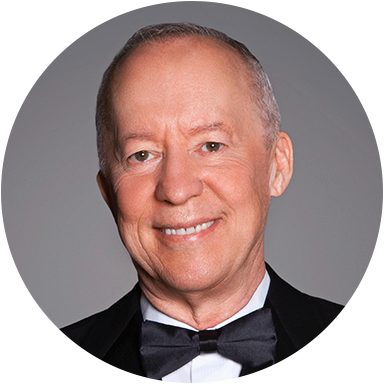
Mark Hayes

Mark Hayes holds a Bachelor of Music degree summa cum laude in Piano Performance from Baylor University and has established himself as a prolific composer, arranger, and conductor with more than 1,750 published works across sacred and secular genres. He has guest conducted at Lincoln Center, the National Cathedral, and Carnegie Hall, and in 2010 received the Award for Exemplary Leadership in Christian Music from Baylor University's Center for Christian Music Studies.

Beyond his choral work, Hayes is deeply invested in piano composition, with over 100 piano books in print spanning gospel, classical, jazz, and Broadway styles. His accomplishments include conducting the world premiere of his Requiem at Lincoln Center in 2013 and later at St. Ignatius Basilica in Rome as part of the Vatican-sponsored Festival Pro Musica E Arte Sacra. He has also orchestrated musicals and served as a record producer, combining his skills across multiple musical disciplines while based in Kansas City, Missouri.

Why we love this

Hayes treats the piano part as a genuine showcase for your accompanist, creating an arrangement that rewards serious musicianship while keeping the vocal writing accessible and singable. The structural arc—from majestic opening through moderate swing to a powerful close—gives your singers a complete musical journey without overwhelming them with complex voice leading.

What to expect

The arrangement opens with fanfare and majesty, immediately grounding you in sacred territory before pivoting into a moderate swing that brings the spiritual into a more intimate, contemporary space. By the final measures, all of these elements converge into something powerful and affirming, creating a performance that feels both reverent and alive.

Who it's for

TTBB choirs with experienced singers and a capable pianist. The logical voice writing and unison sections make this accessible to intermediate-level men's choirs, while the sophisticated piano part challenges a pianist who welcomes complexity and wants an accompaniment that stands out.

How to get the most out of it

  • Balance the unison passages with clear diction and supported vowels; Hayes writes extensively in unison, so these sections need precision and resonance to carry the arrangement's emotional weight.
  • Give your pianist substantial rehearsal time with the part independently before full ensemble rehearsals begin. The accompaniment is intricate enough that it deserves careful preparation to lock in with the singers.
  • Shape the dynamic build toward the ending deliberately. The arrangement is engineered to grow in intensity, so resist the urge to sing at full volume early; save your energy for the payoff.
  • Experiment with the swing feel during the moderate section. The rhythmic character of this section will feel fresher and more engaging if your singers understand how their rhythms sit against the piano's groove.

How to use it

Ideal for winter or Christmas concerts where you want a spiritual that moves beyond traditional arrangements. This piece also works well in spring choral festivals or concert programs that pair sacred music with contemporary interpretations, giving audiences a familiar text in fresh musical language.

Skills your students will build

  • Sustaining lines in unison writing with clarity and blend
  • Rhythmic independence in swing style passages
  • Dynamic shaping across a multi-section arc (fanfare, moderate swing, powerful finale)
  • Responding to a complex, independent accompaniment without losing ensemble focus

You May Also Like
