

Prayer, The: TTBB Choral Octavo
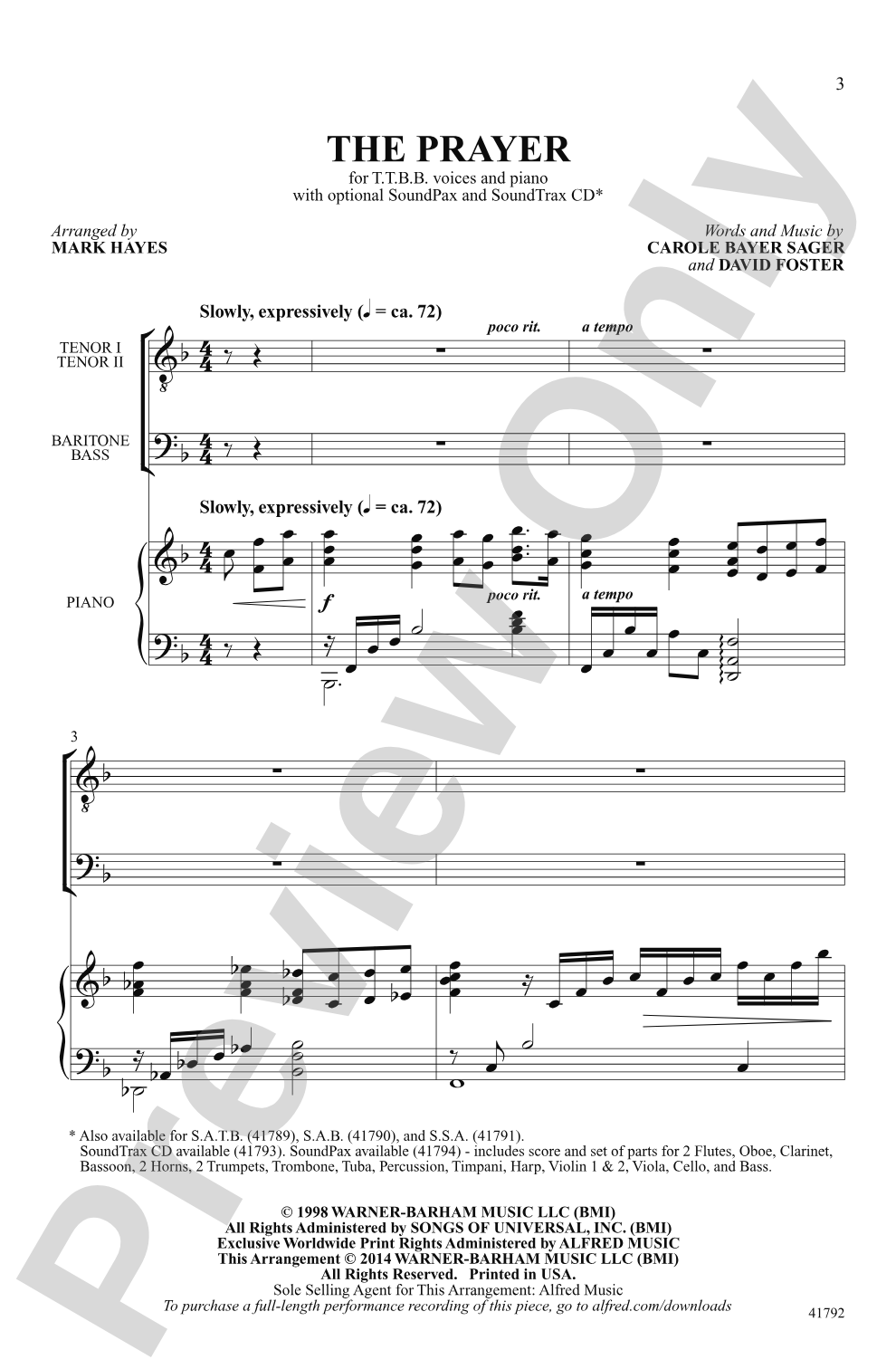
Words and music by Carole Bayer Sager and David Foster / arr. Mark Hayes
Item: 00-PO-0001962

$2.25
Minimum order quantity: 10 copies
Please note: Under U.S. copyright law, you must purchase the exact number of copies needed for your ensemble. Printing, duplicating or sharing additional copies is strictly prohibited.
Pickup currently not available
Related Items
Prayer, The: SATB Choral Octavo |
$2.05
|
View | |
Prayer, The: SAB Choral Octavo |
$2.10
|
View | |
Prayer, The: SSA Choral Octavo |
$2.10
|
View | |
The Prayer: SoundTrax Digital Audio Download |
$27.99
|
View | |
The Prayer: SATB Choral Octavo |
$2.05
|
View | |
The Prayer: SAB Choral Octavo |
$2.10
|
View | |
The Prayer: SSA Choral Octavo |
$2.10
|
View | |
The Prayer: TTBB Choral Octavo |
$2.25
|
View | |
The Prayer: Choral Octavo SoundTrax CD |
$27.99
|
View |
Description
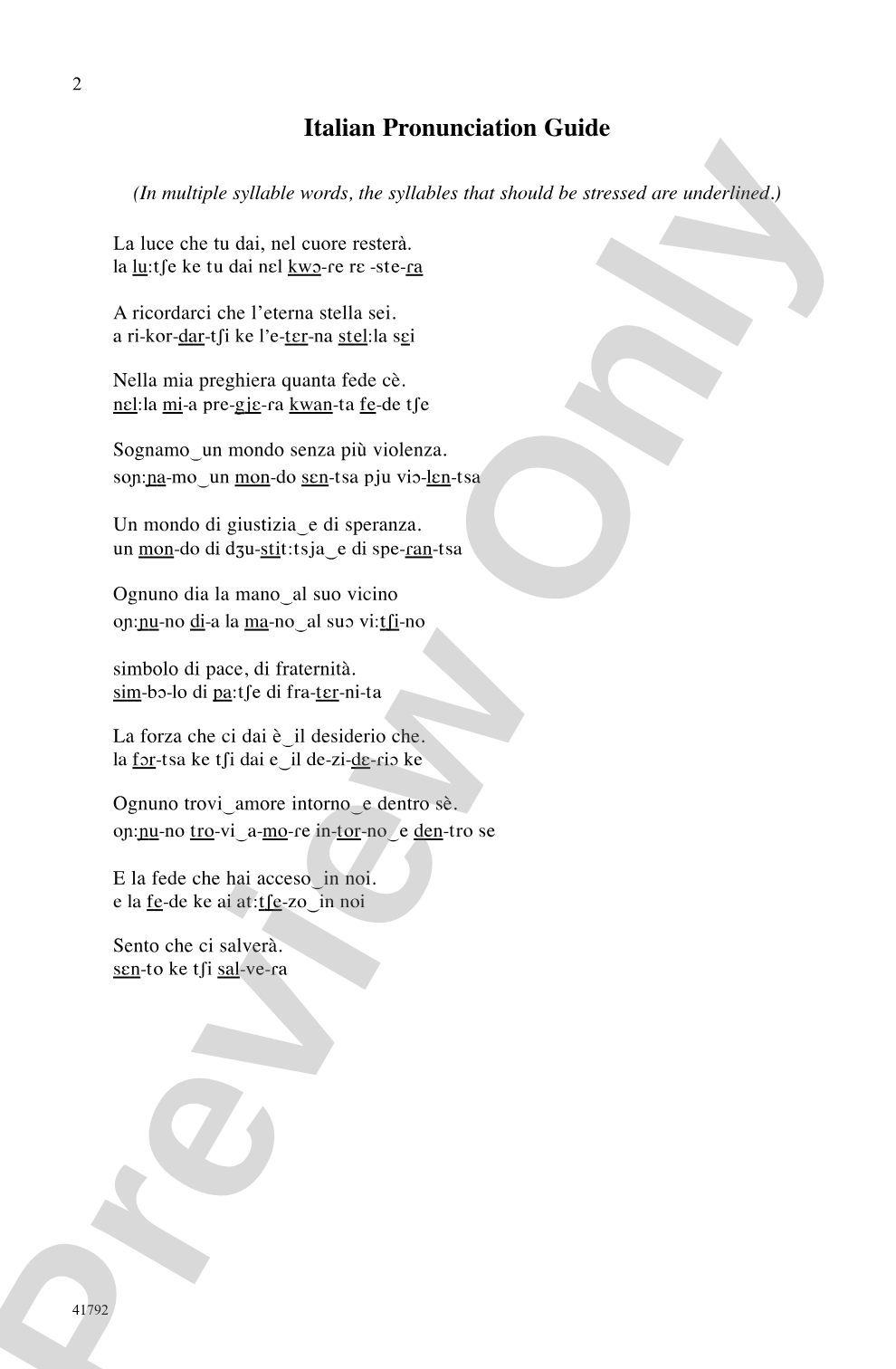
Originally recorded separately by both Celine Dion and Andrea Bocelli, the English and Italian versions were later combined to create this well-known duet. A beautiful, yet supportive, Mark Hayes' accompaniment makes this new arrangement soar. This title is available in Music Prodigy.


Don't just read it, hear it, play along with it, and watch your students grow with it. In MakeMusic Cloud, Prayer, The: TTBB Choral Octavo comes alive with professional accompaniment, adjustable tempo, and built-in practice tools that turn solo practice into real progress.
Open in the Player
Jump straight in and assign it today.
Start Your Free Trial
Open this title and explore the full library in minutes.
Sample Audio
1
Audio File
--:--
0:00
0:00
Sample Video
No sample videos found.
Additional Details
Series:
Alfred Pop Choral Series
Publisher:
Alfred Music
Page Count:
12
SKU:
00-PO-0001962
More about this title
About the Composer: Carole Bayer Sager
Carole Bayer Sager stands among the most prolific songwriters in contemporary music, with a catalog spanning pop, film, and Broadway. Her collaborations with David Foster on "The Prayer" demonstrate her gift for crafting melodies that resonate across languages and cultures; the song became a global phenomenon when recorded by Celine Dion and Andrea Bocelli.
Bayer Sager's work has earned Academy Award and Grammy nominations, and her songs have been performed by artists ranging from Barbra Streisand to Lady Gaga. For music educators, her compositions offer accessible yet emotionally sophisticated material that challenges singers while remaining within reach of developing ensembles.
Why we love this
Mark Hayes has arranged this beloved duet for TTBB voices without sacrificing the intimate spirituality that makes the original so moving. The accompaniment sits intelligently behind the singers, allowing the four-part texture to breathe while maintaining harmonic richness. Directors gain a concert piece that connects with audiences instantly while offering genuine musical substance and the flexibility to perform it as a showcase or as part of a larger sacred program.
What to expect
Reverent and luminous. The four-part male voicing creates a warm, grounded tone that allows the prayer text to resonate with quiet dignity. Moments of harmonic expansion lift the singers toward transcendence while the supporting accompaniment maintains an intimate, chapel-like quality throughout.
Who it's for
TTBB choirs seeking sacred repertoire with immediate audience appeal and genuine musical depth. This arrangement works for high school and college men's choirs, community ensembles, and church music programs that want a contemporary sacred piece without compromising artistic integrity.
How to get the most out of it
- Balance the upper voices in early passages so the melody remains clear while allowing the lower voices to anchor the harmonic foundation without excessive volume.
- Shape the accompaniment to support emotional crescendos rather than overwhelm them; Mark Hayes' writing invites restraint that serves the lyrical content.
- Consider how recorded accompaniment pacing affects your choral entries and releases; rehearse together to lock ensemble responsiveness before adding the full track.
- Attend to the English-Italian text blend if your arrangement includes both language sections; clarity of diction in each language strengthens the piece's cultural and spiritual authenticity.
How to use it
Program this as a centerpiece of a sacred concert or as a bridge between traditional hymn arrangements and contemporary worship settings. Its immediate recognition works well as an audience connector in mixed-repertoire concerts, or use it as a standalone closing piece for a worship service or spiritual-themed program.
Skills your students will build
- Blend and balance in four-part male voicing, especially tuning the tenor-baritone harmonies
- Legit singing with sustained breath control across longer phrases
- Text clarity in two languages (English and Italian) without sacrificing musicality
- Responsive ensemble listening when performing with recorded accompaniment
- Emotional communication through dynamic subtlety rather than volume