
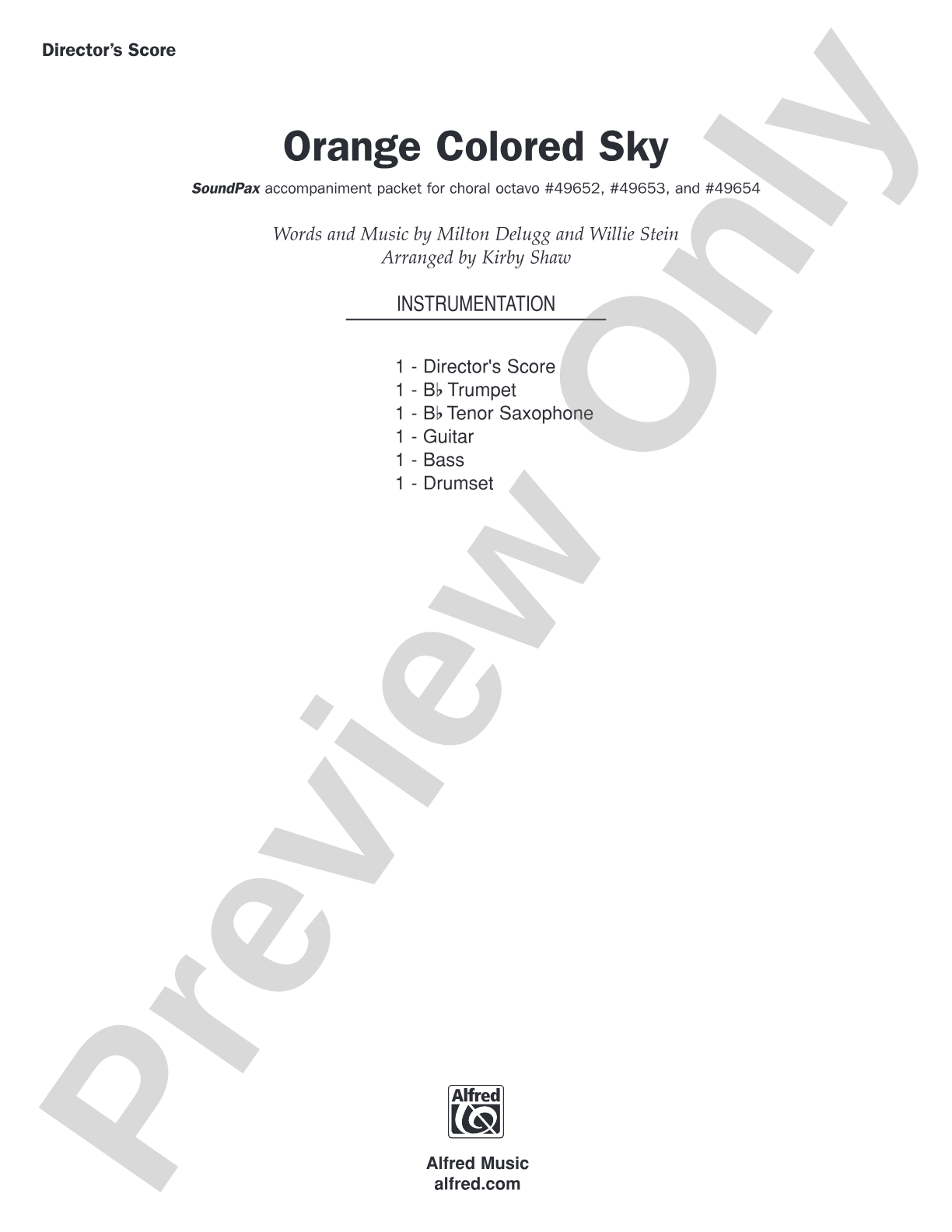

Orange Colored Sky: Choral SoundPax
Words and music by Milton Delugg and Willie Stein / arr. Kirby Shaw
Item: 00-PK-0008617
$30.00
Pickup currently not available
Buy Extra Parts (Digital PDF Download)
| Product | Price | Quantity |
|---|---|---|
| Orange Colored Sky: Score | $8.00 | |
| Orange Colored Sky: 1st B-flat Trumpet | $3.00 | |
| Orange Colored Sky: B-flat Tenor Saxophone | $3.00 | |
| Orange Colored Sky: Guitar | $3.00 | |
| Orange Colored Sky: String Bass | $3.00 | |
| Orange Colored Sky: Drums | $3.00 |
Parts Added to Cart!
Related Items
Orange Colored Sky: SoundTrax Digital Audio Download |
$29.99
|
View | |
Orange Colored Sky: SATB Choral Octavo |
$2.10
|
View | |
Orange Colored Sky: SAB Choral Octavo |
$2.10
|
View | |
Orange Colored Sky: SSA Choral Octavo |
$2.10
|
View | |
Orange Colored Sky: SATB Choral Octavo |
$2.10
|
View | |
Orange Colored Sky: SAB Choral Octavo |
$2.10
|
View | |
Orange Colored Sky: SSA Choral Octavo |
$2.10
|
View | |
Orange Colored Sky: Choral Octavo SoundTrax CD |
$29.99
|
View | |
Orange Colored Sky: Choral SoundPax |
$30.00
|
View |
Description
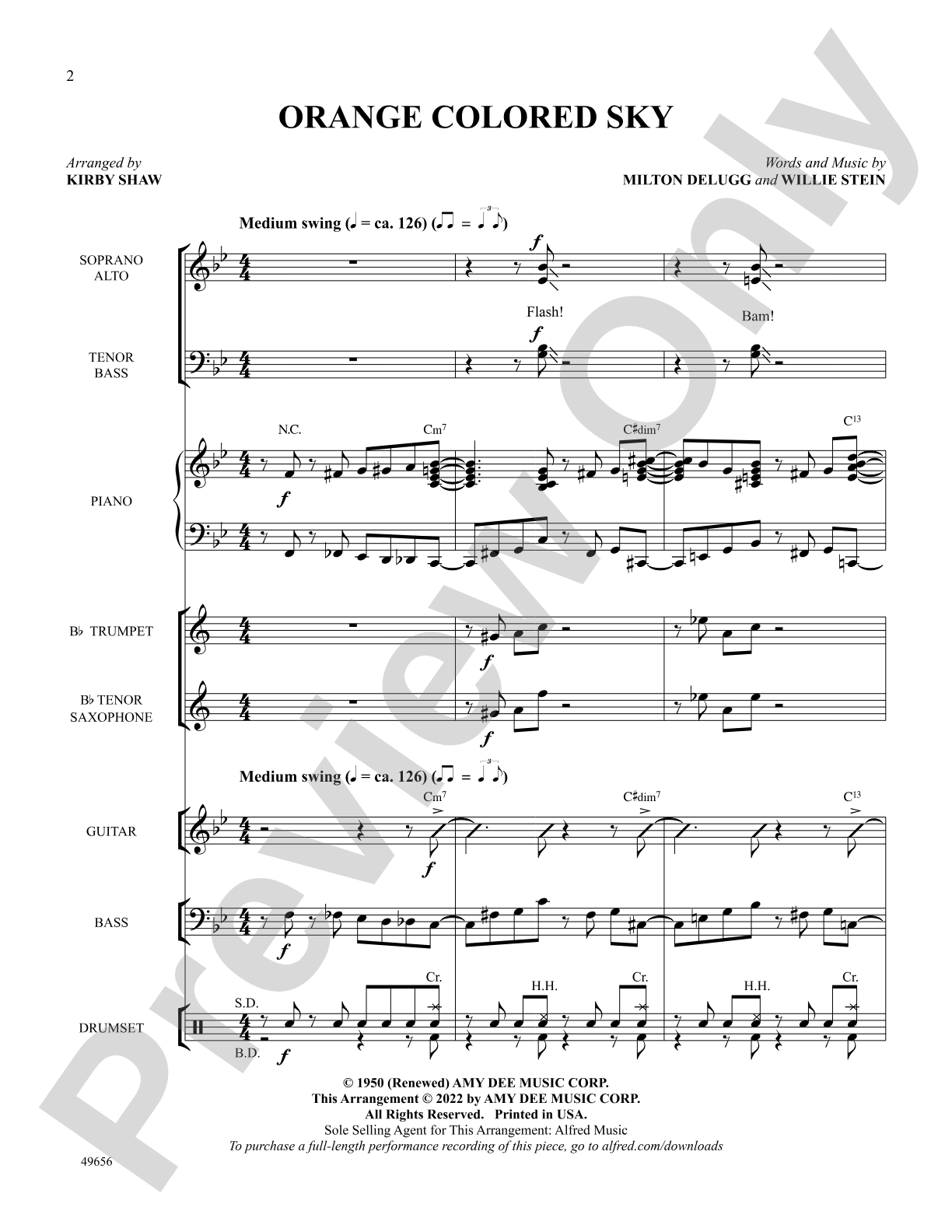
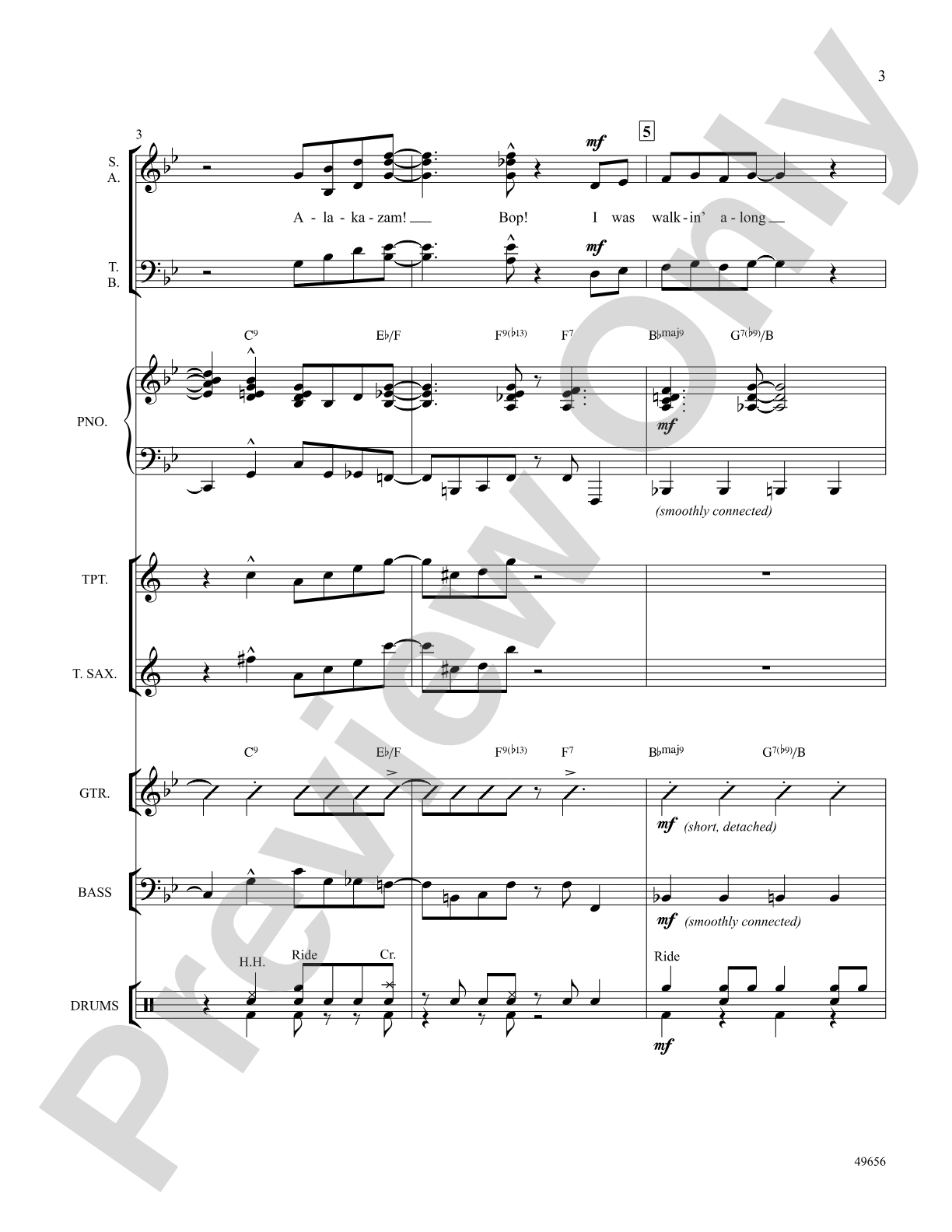
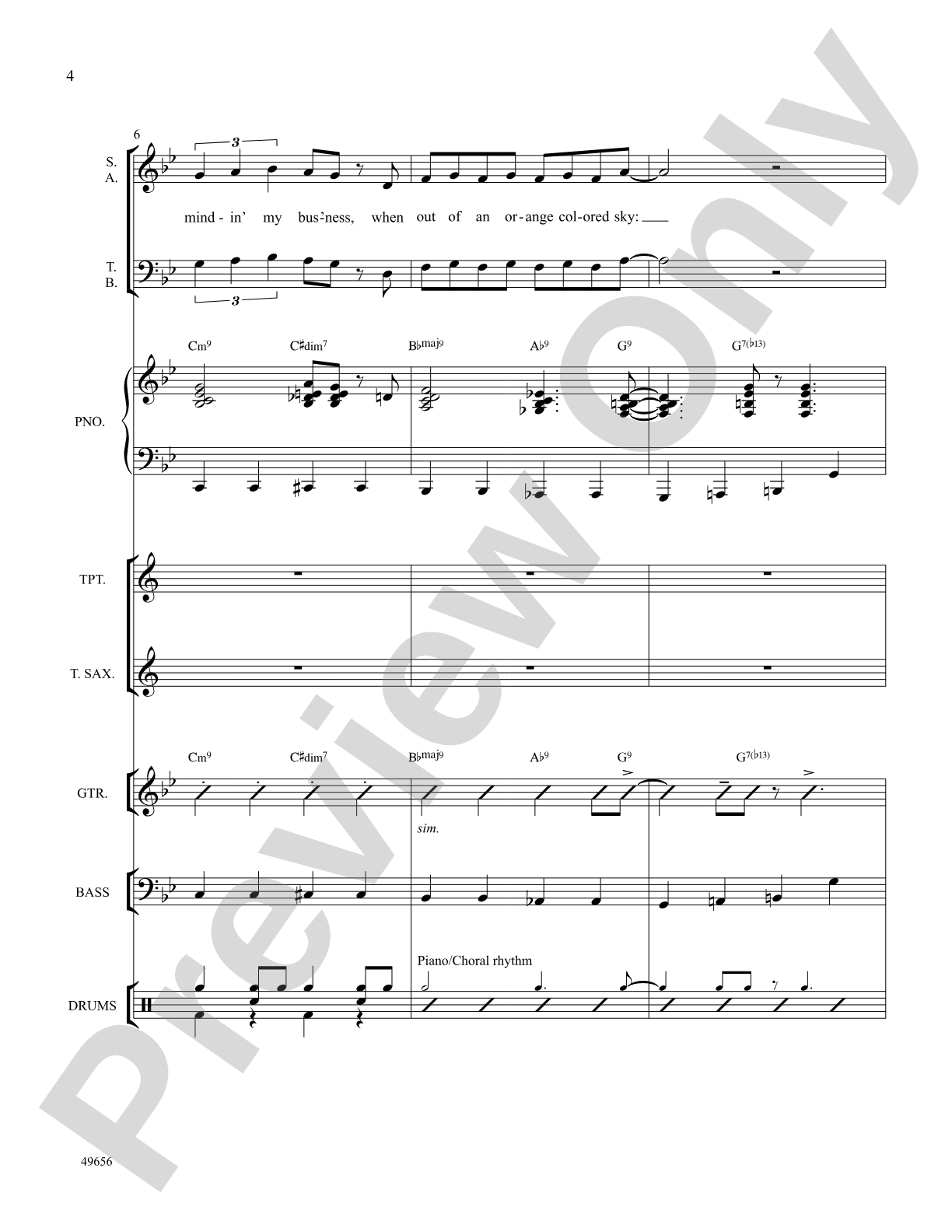
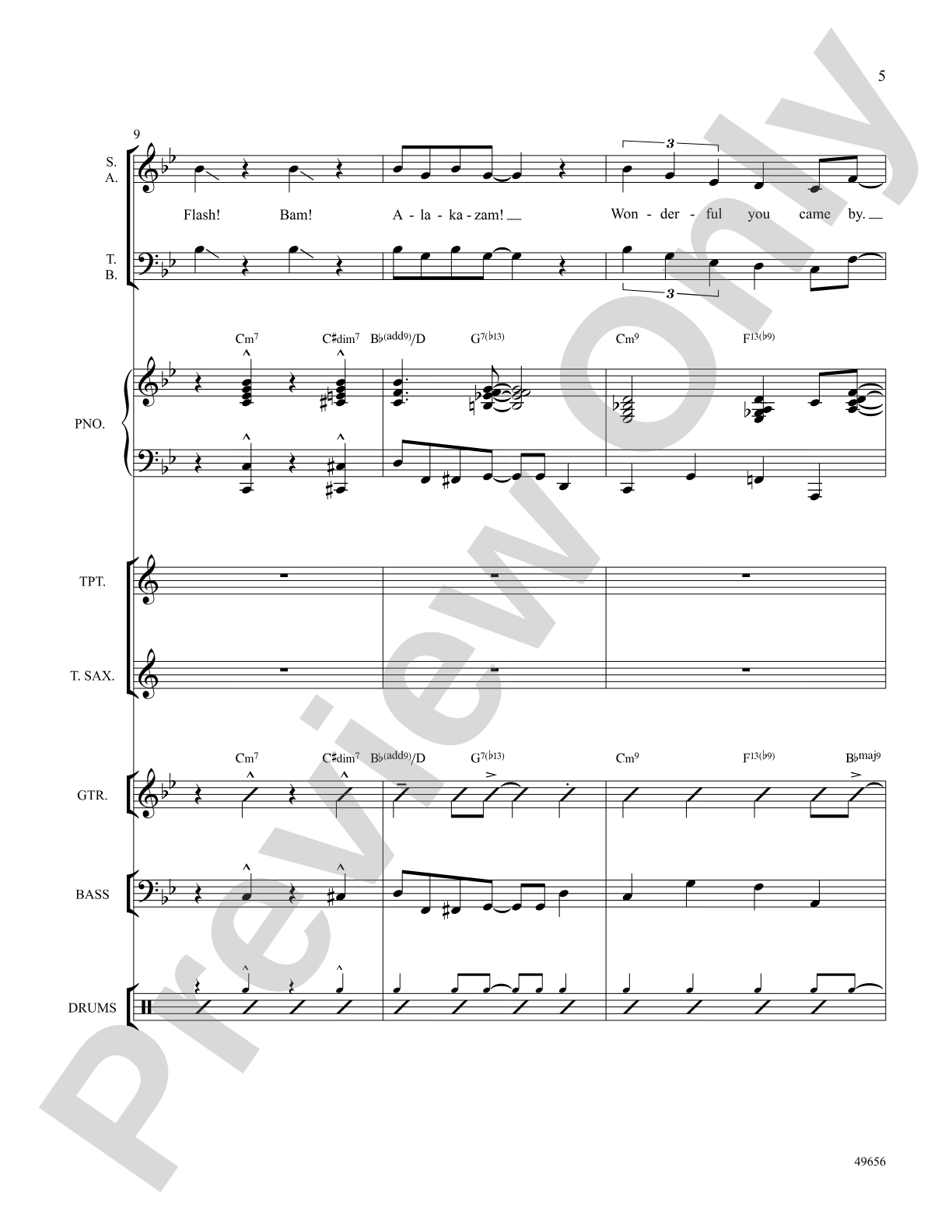
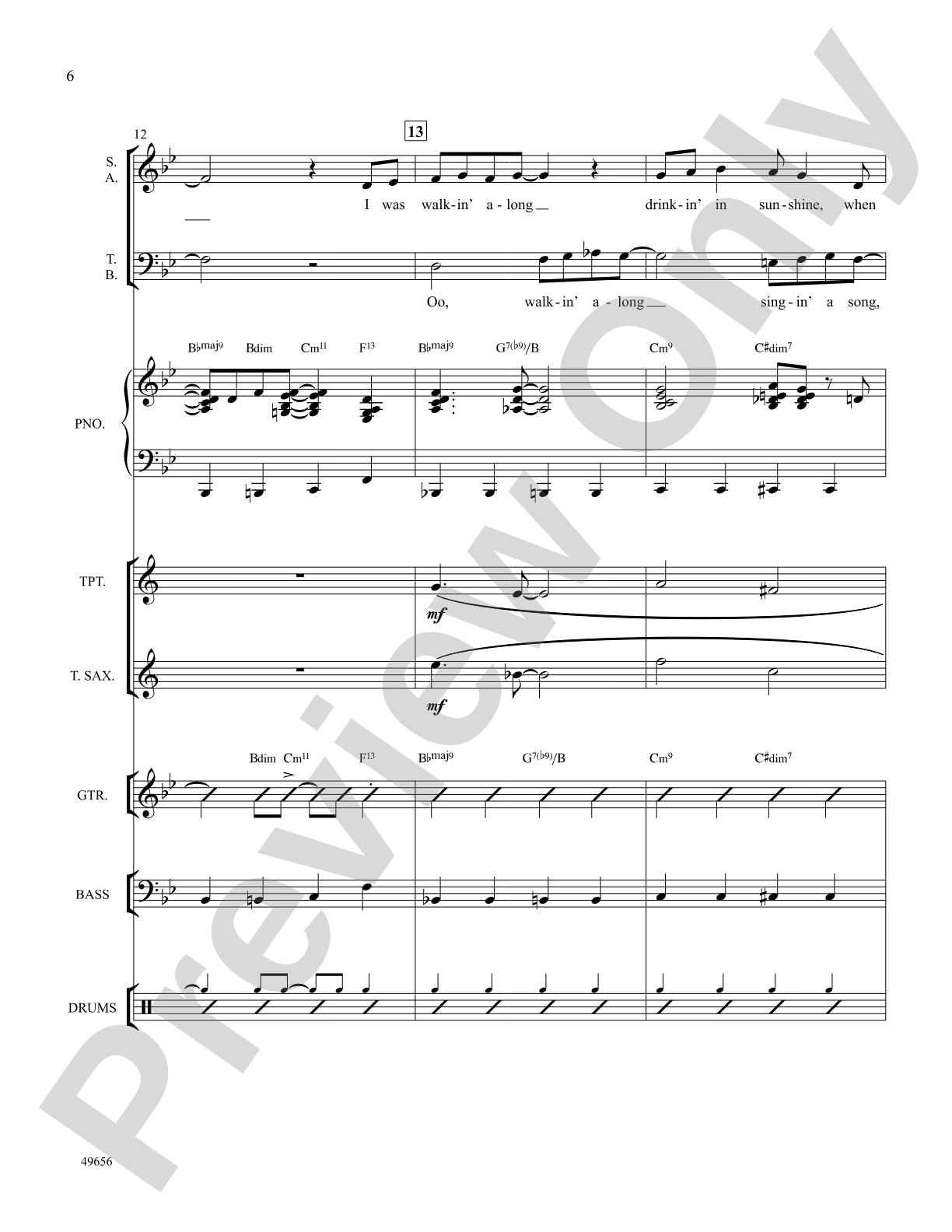
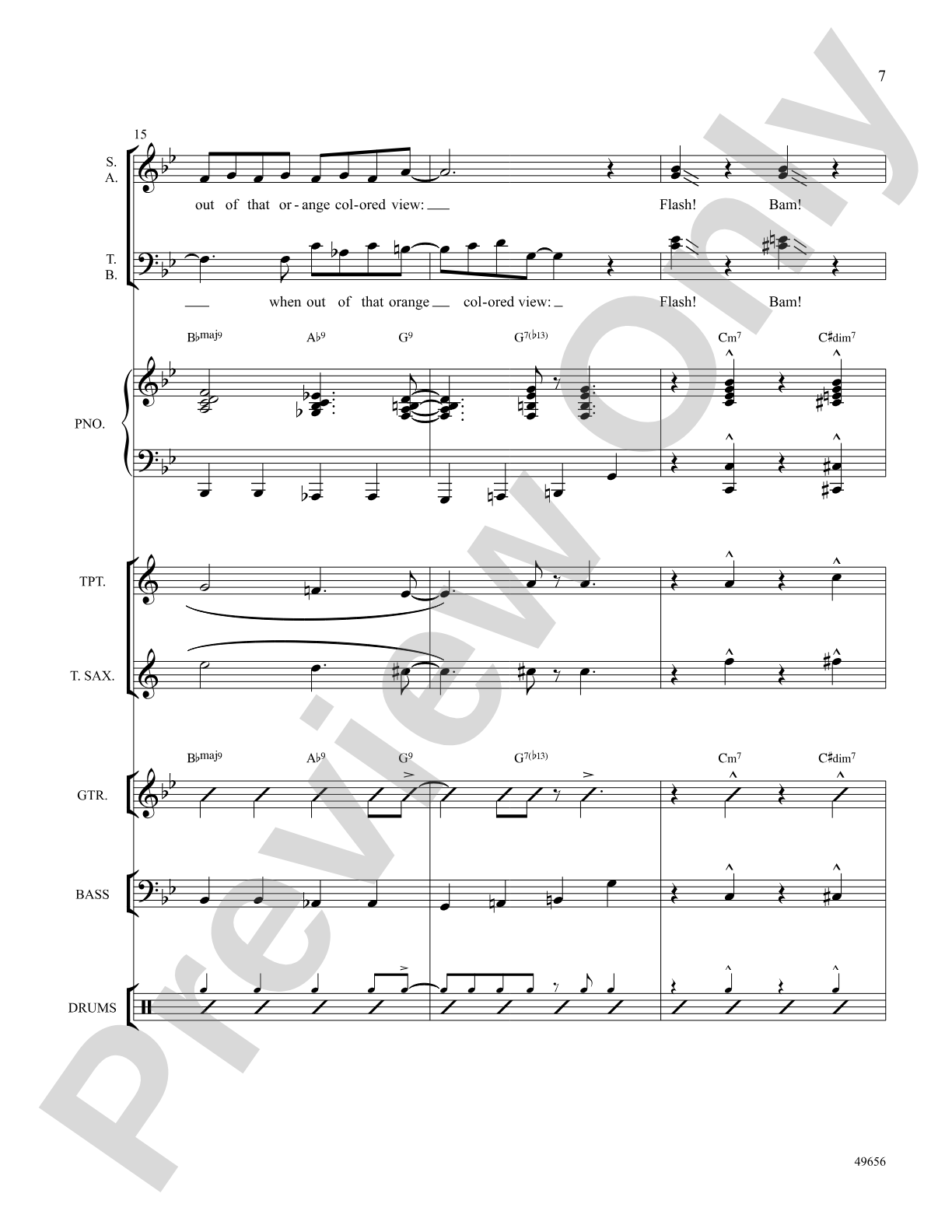
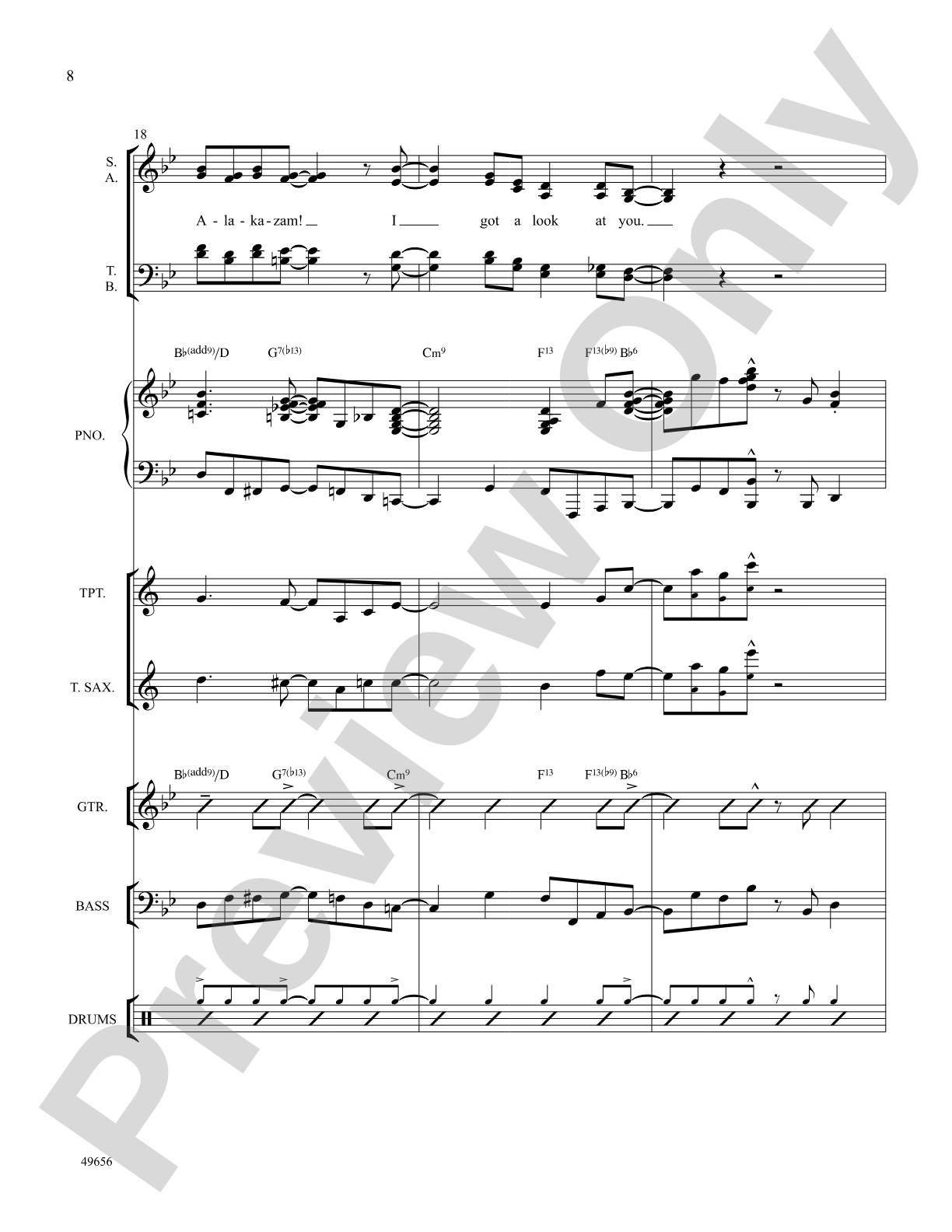
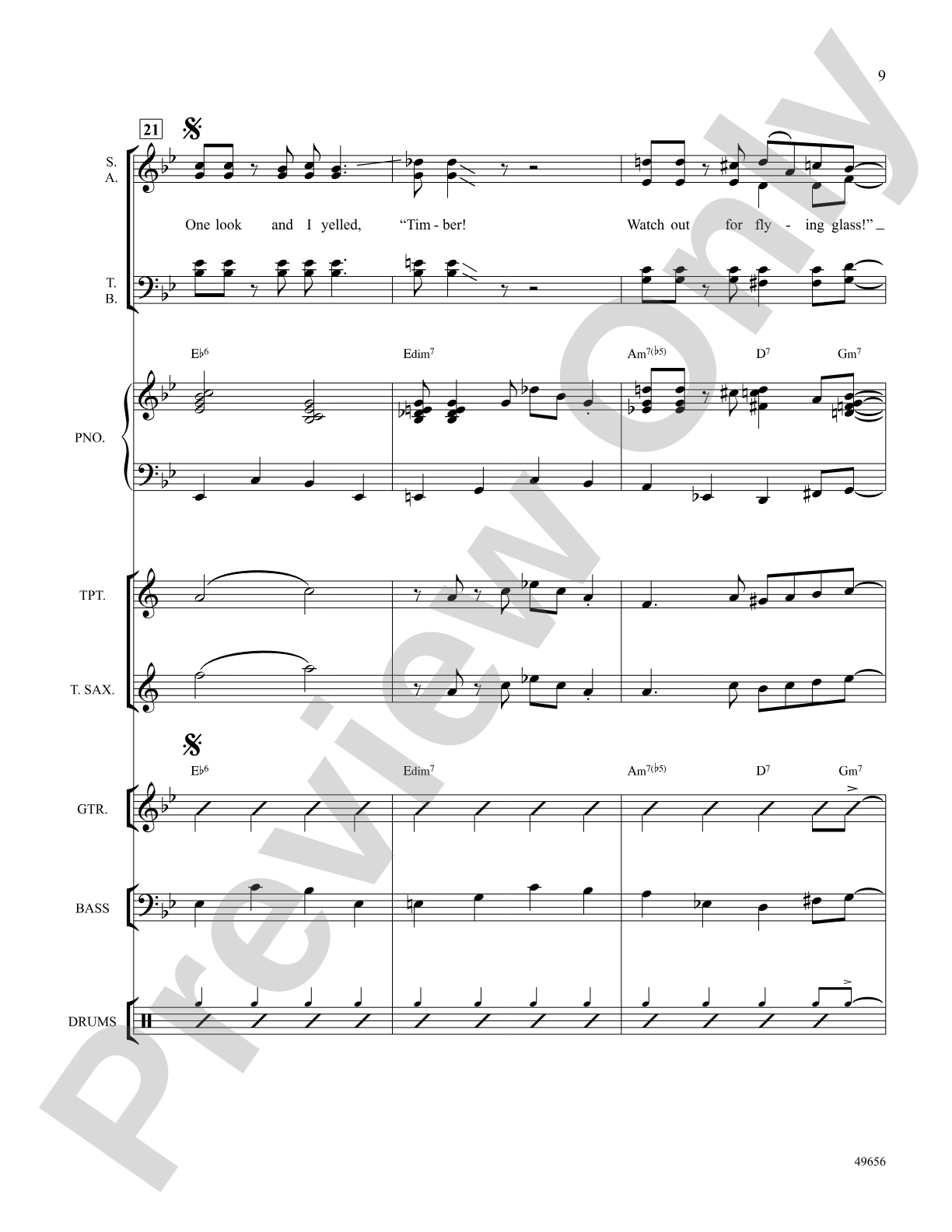
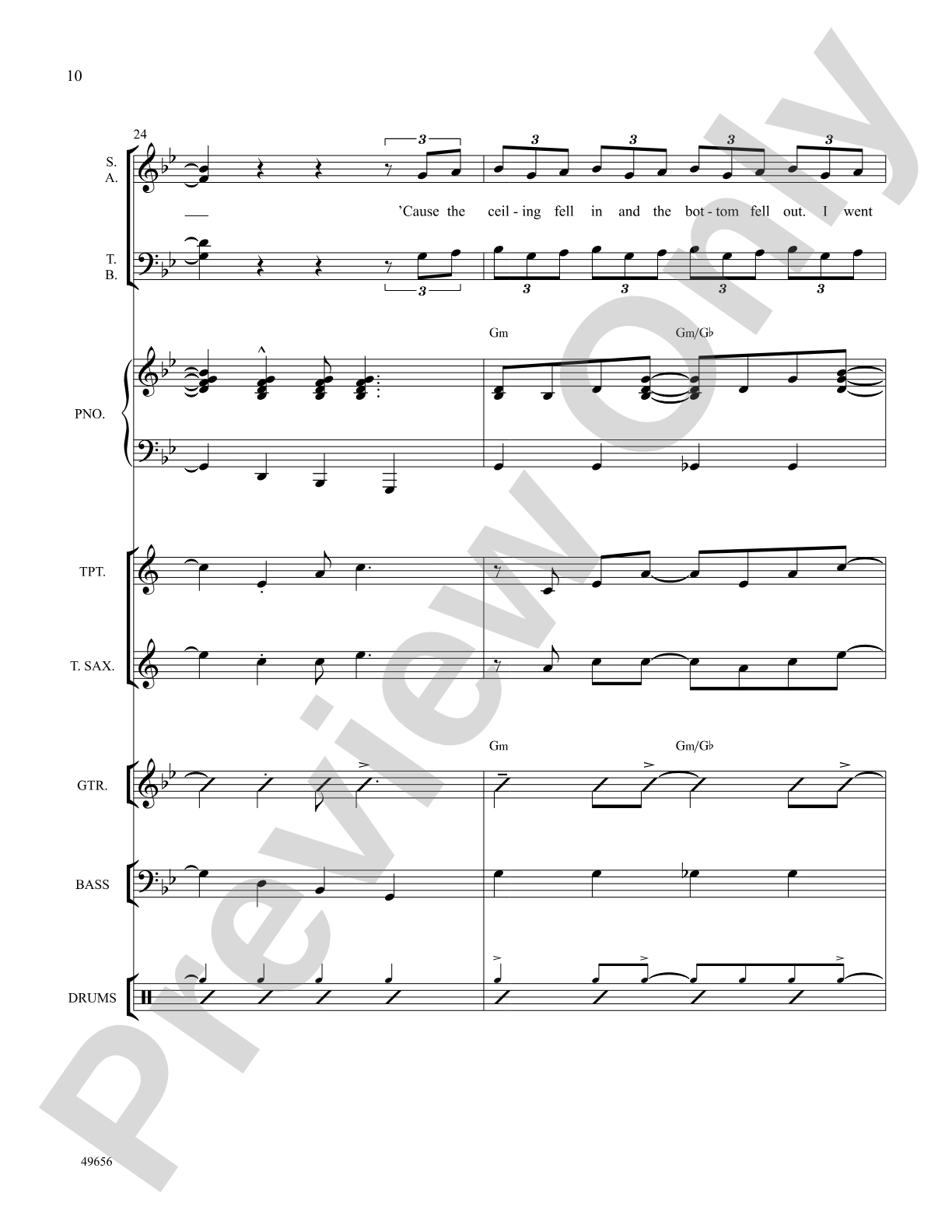
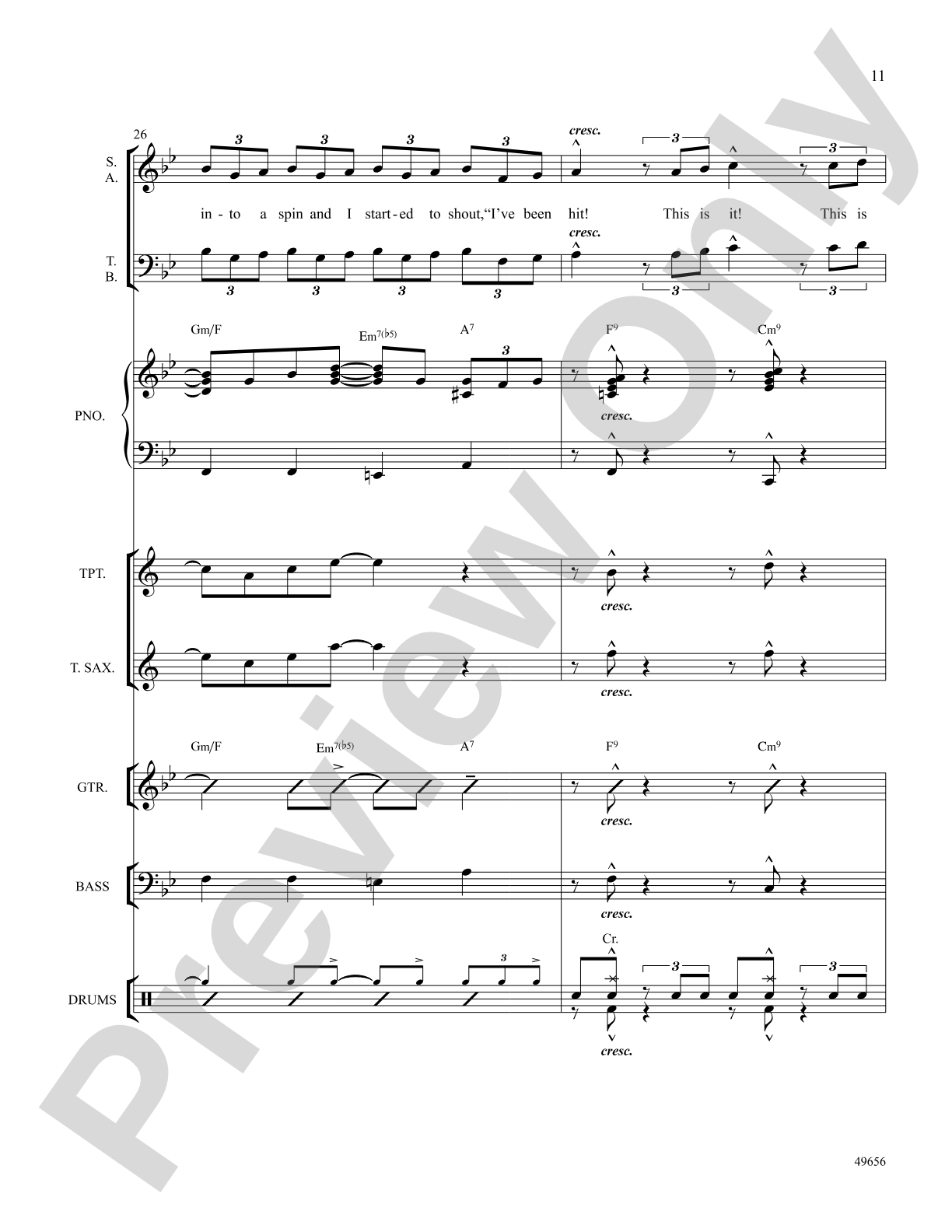
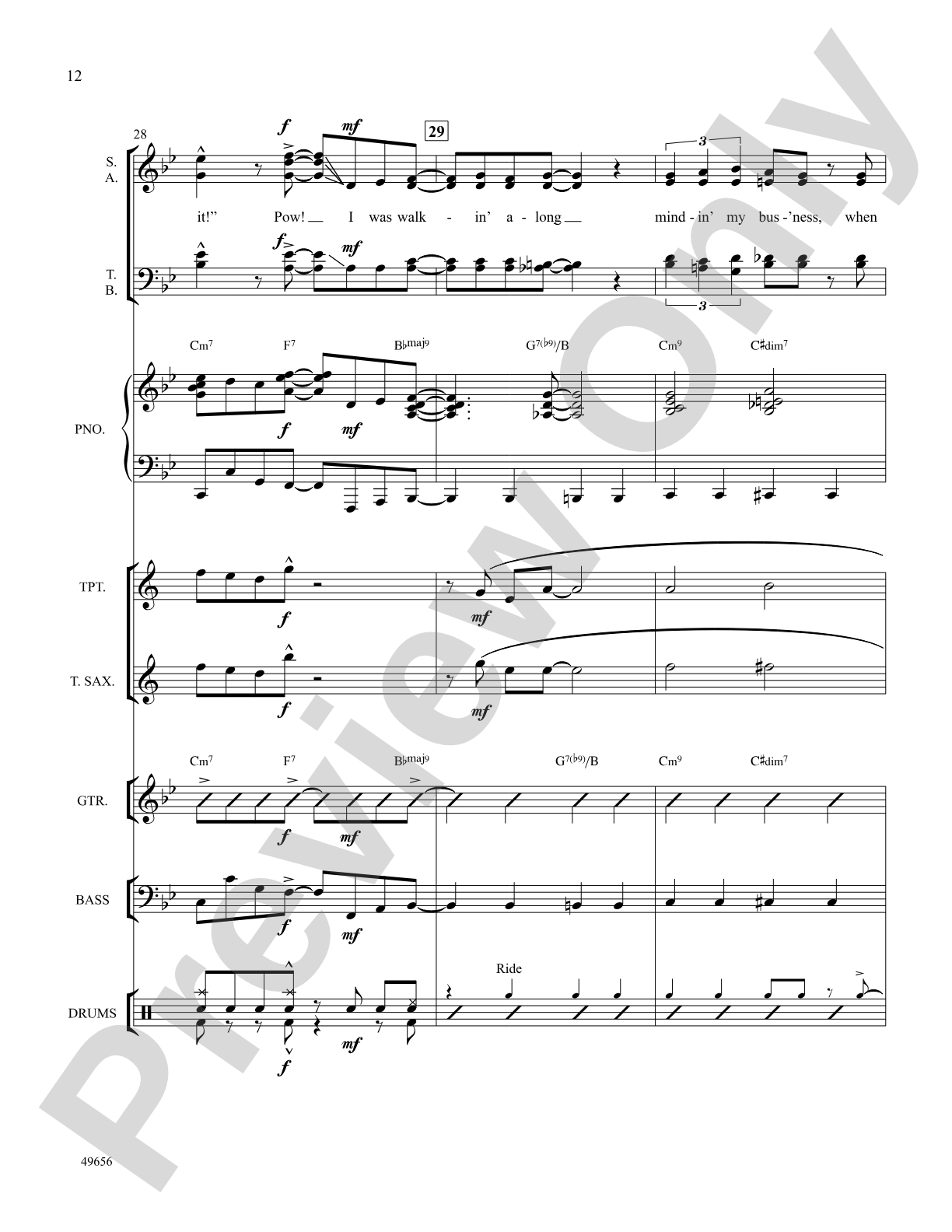
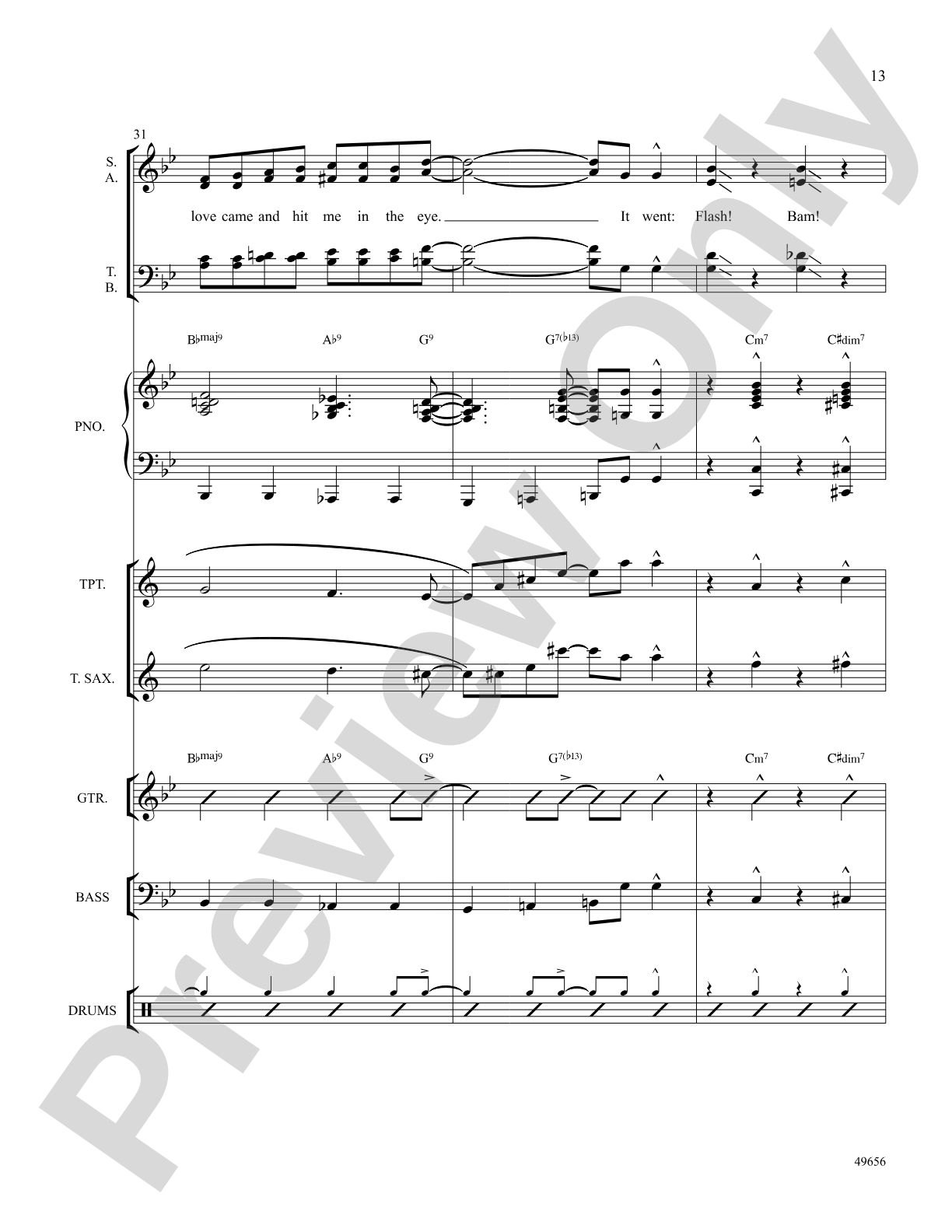
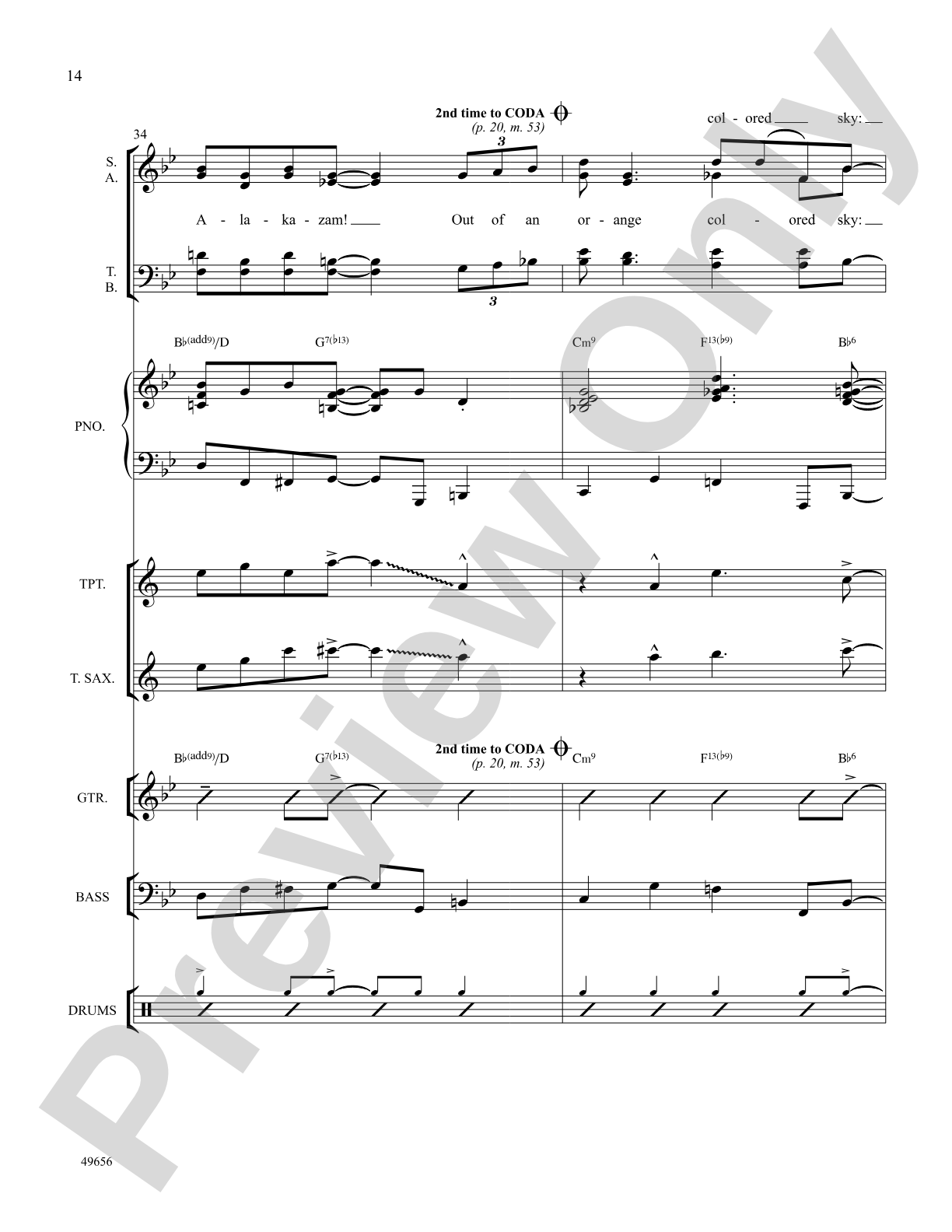
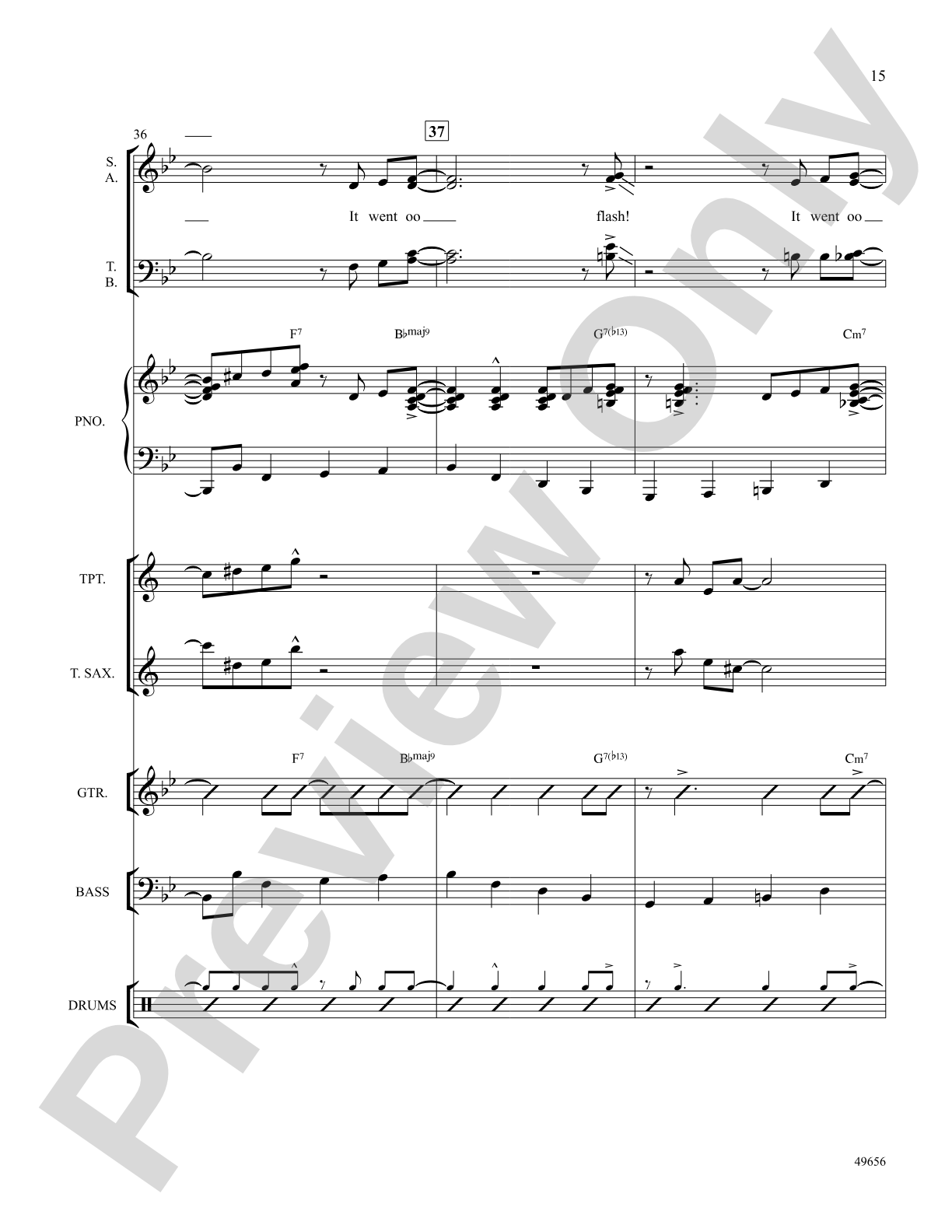
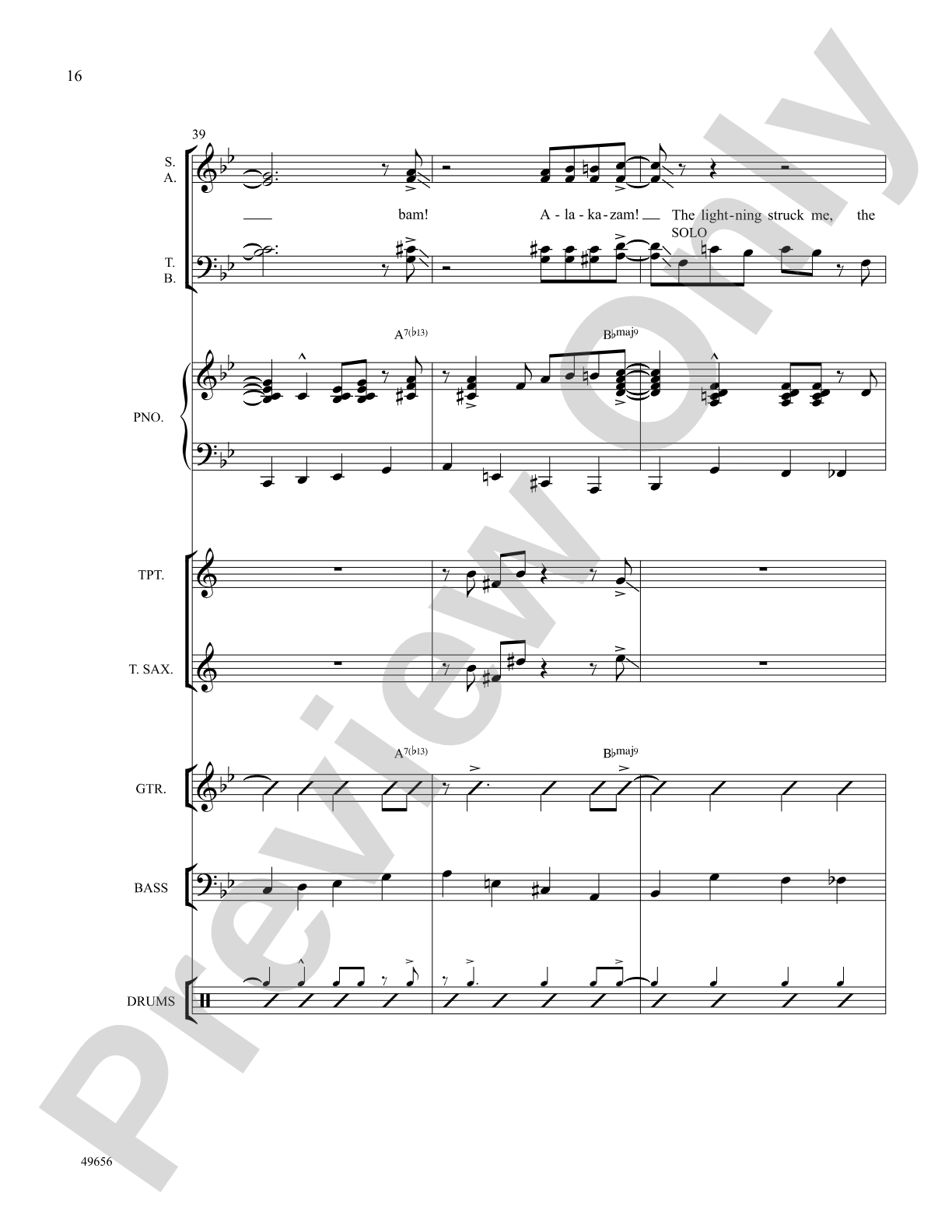
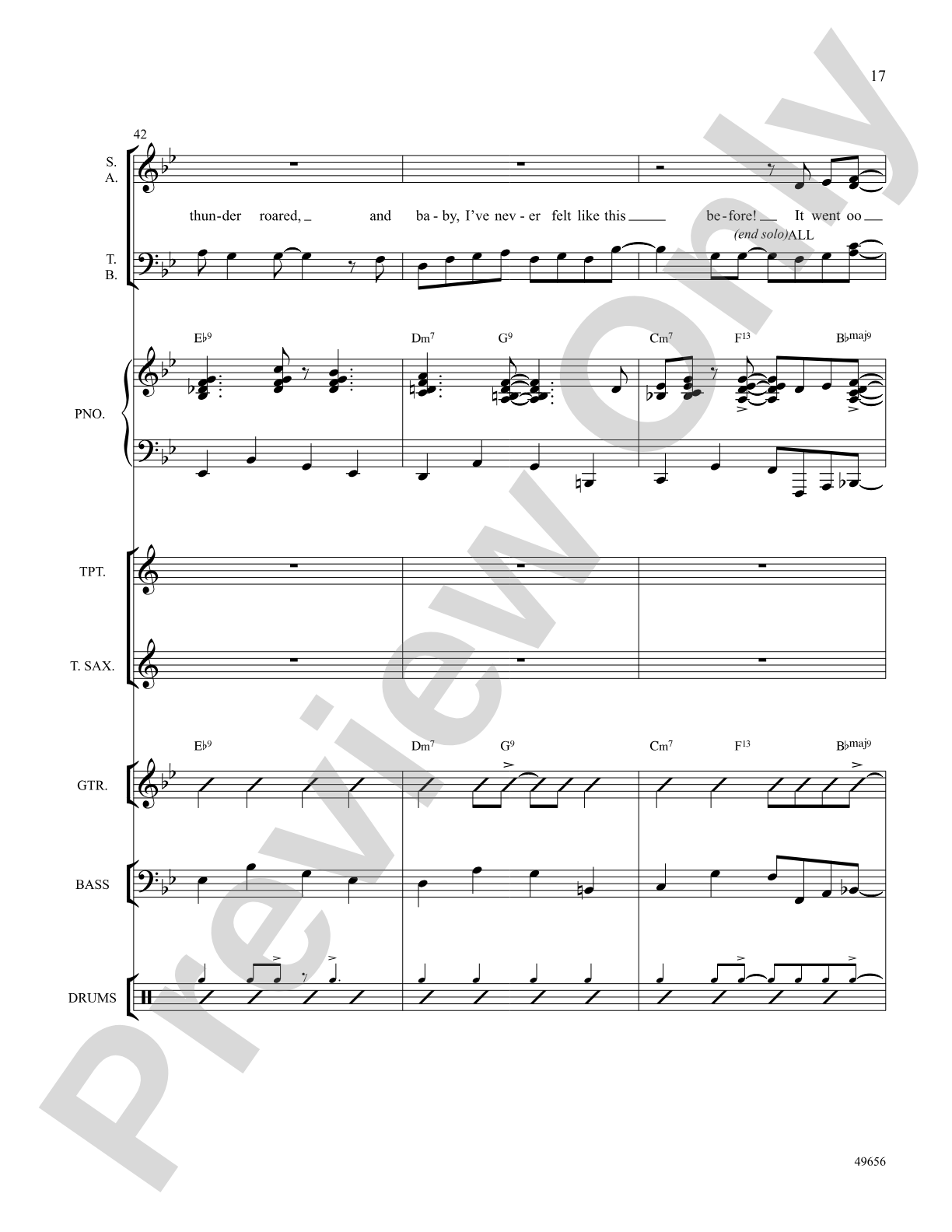
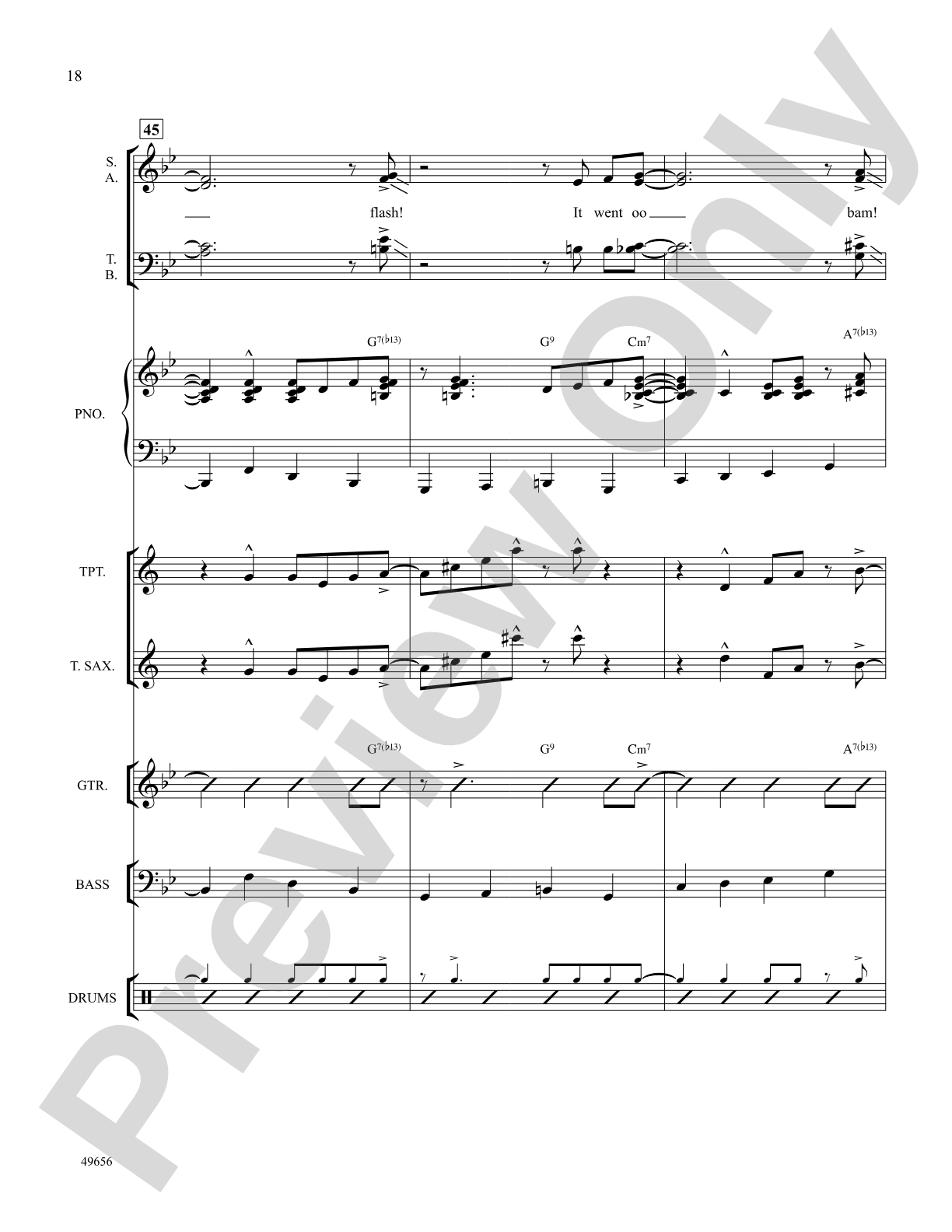
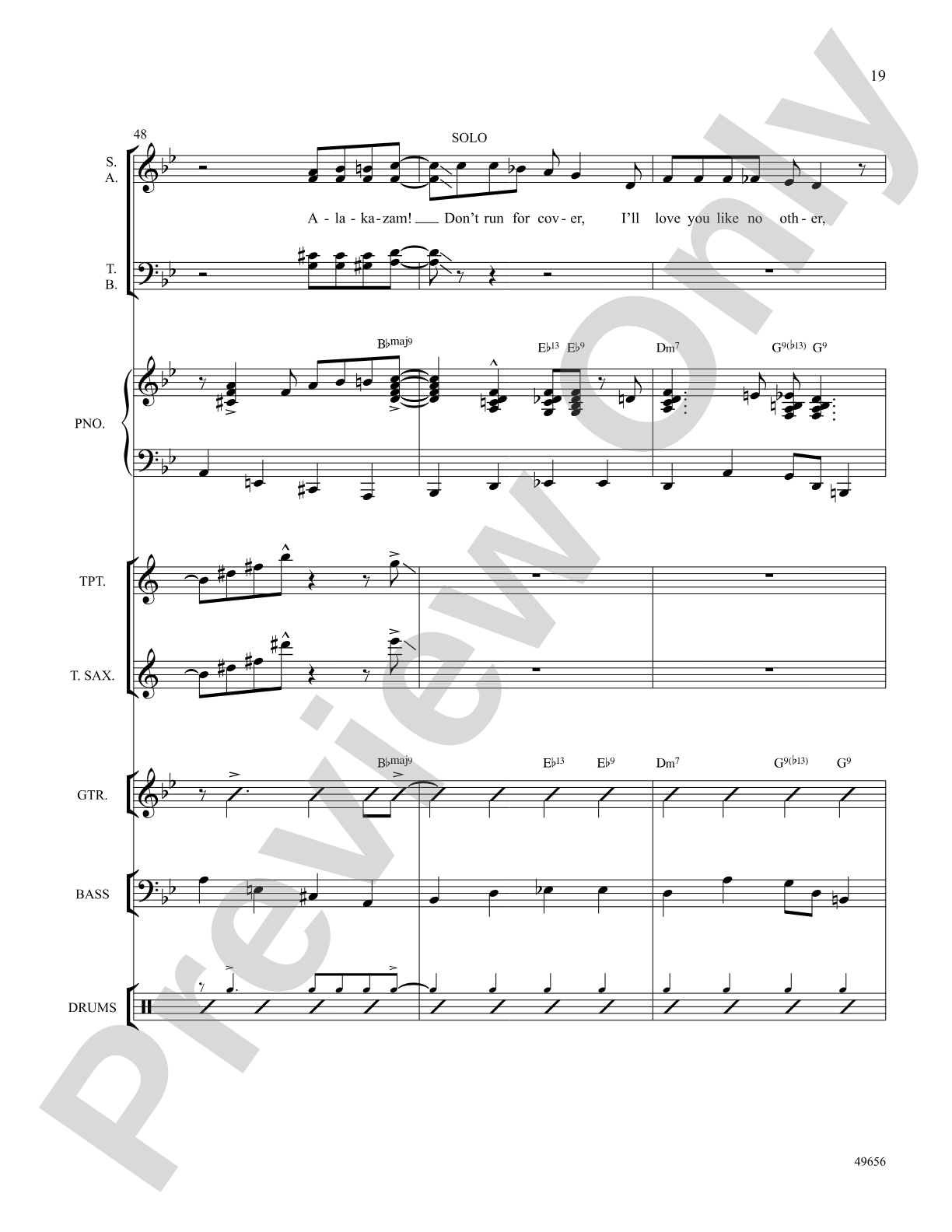
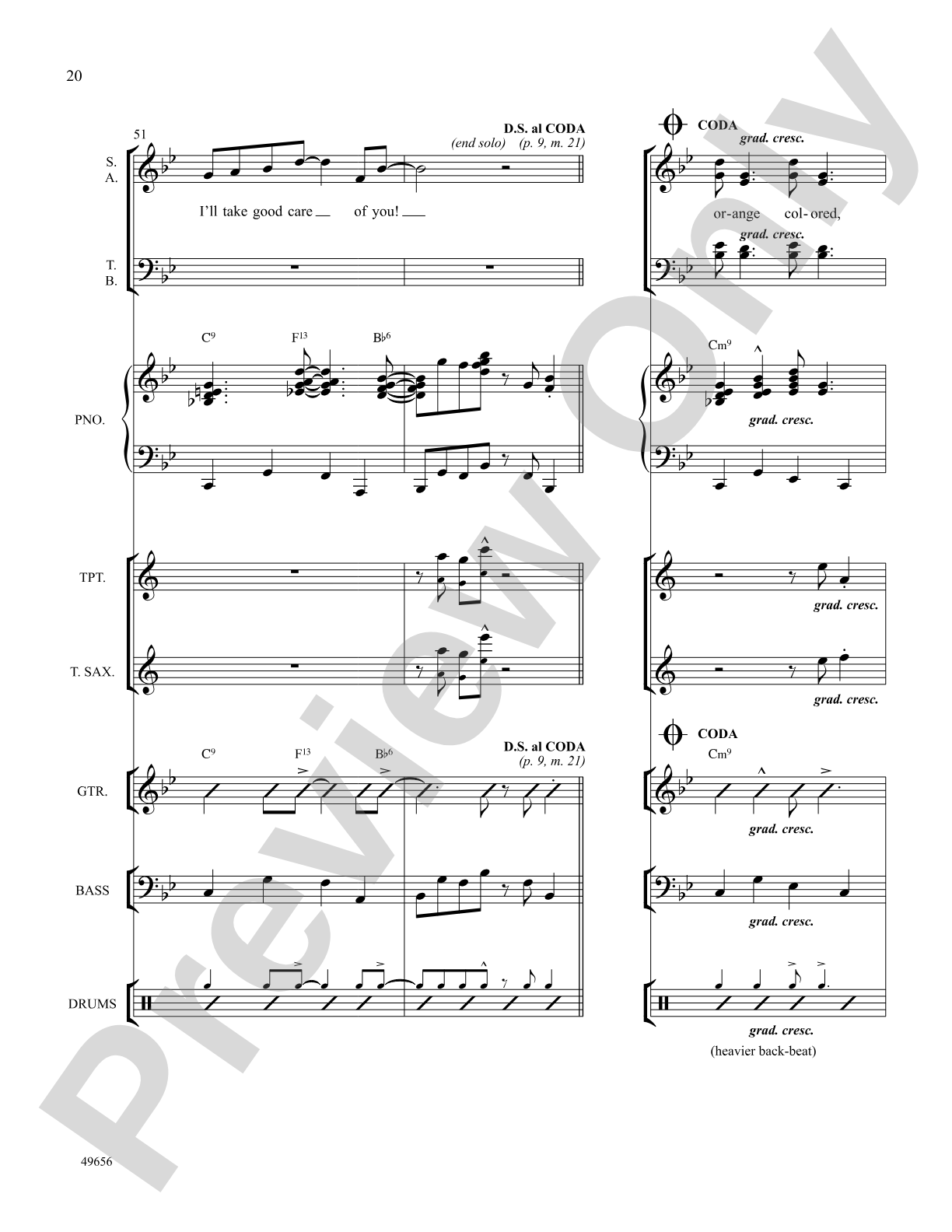
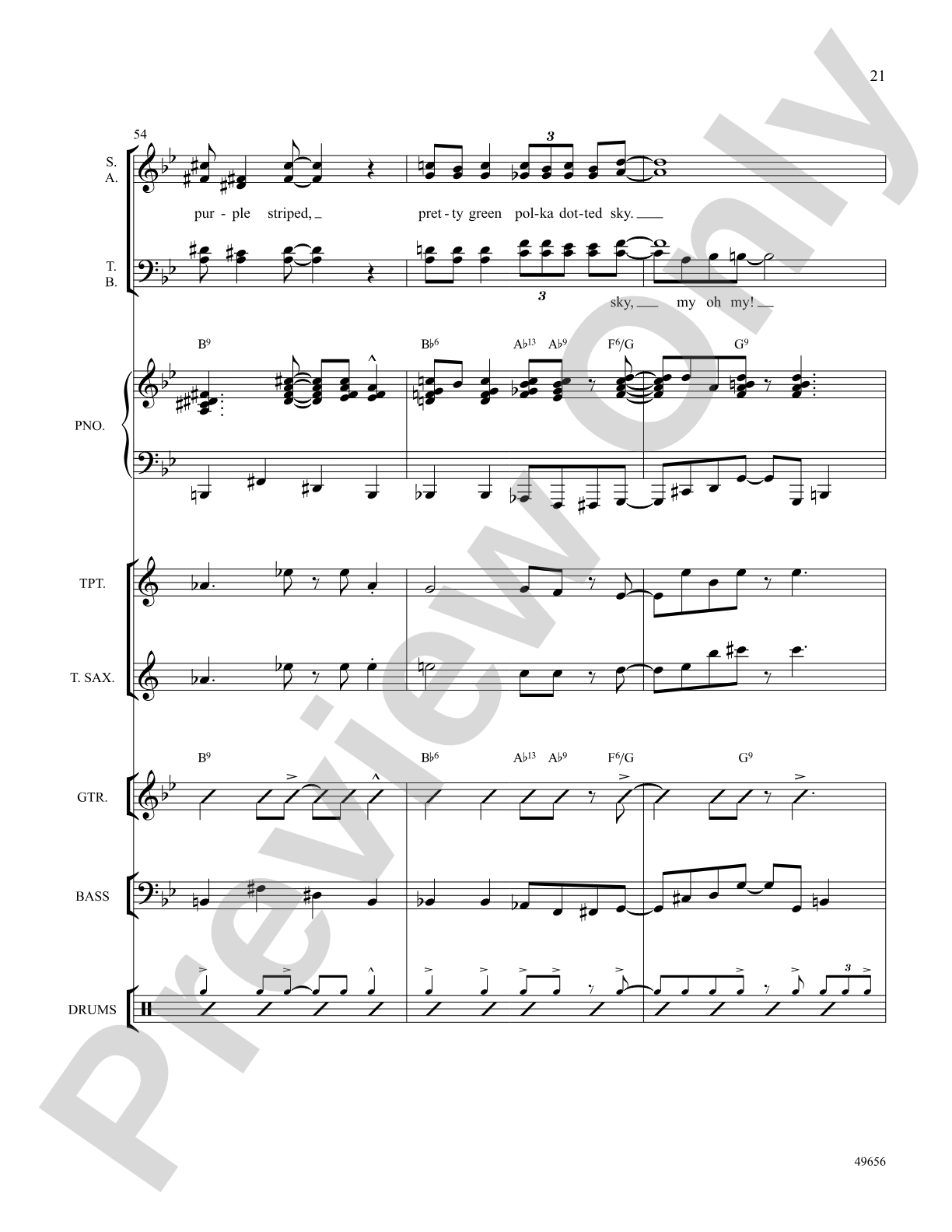
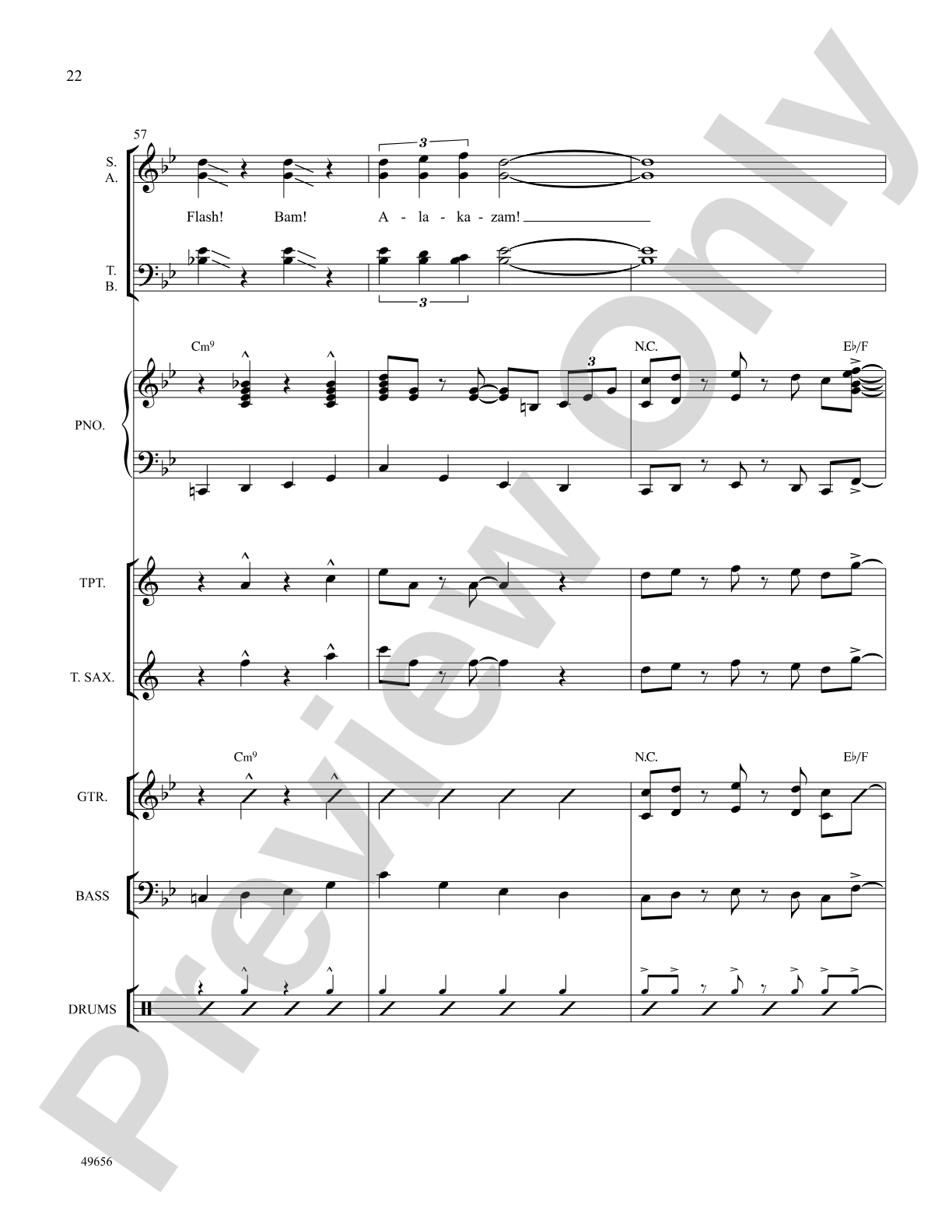
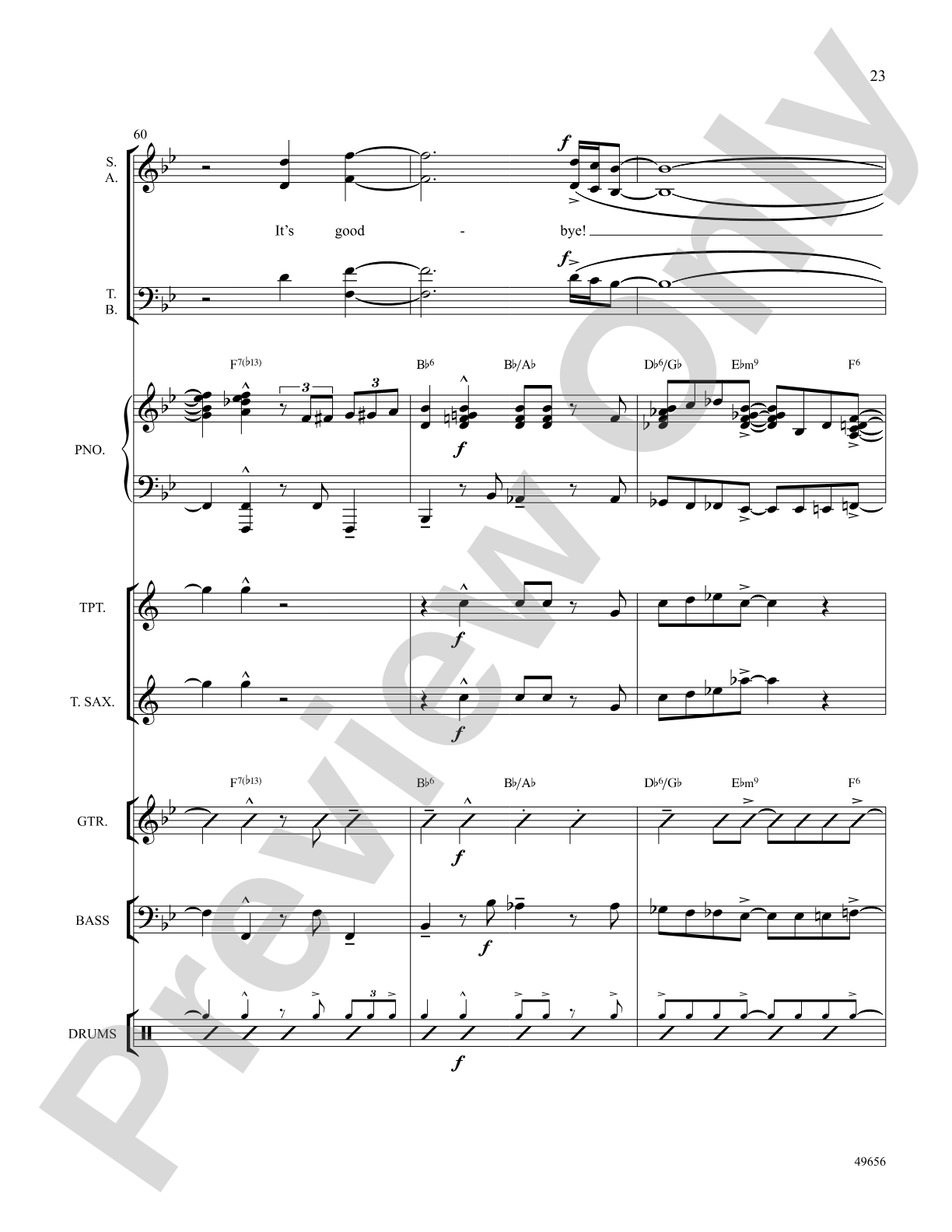
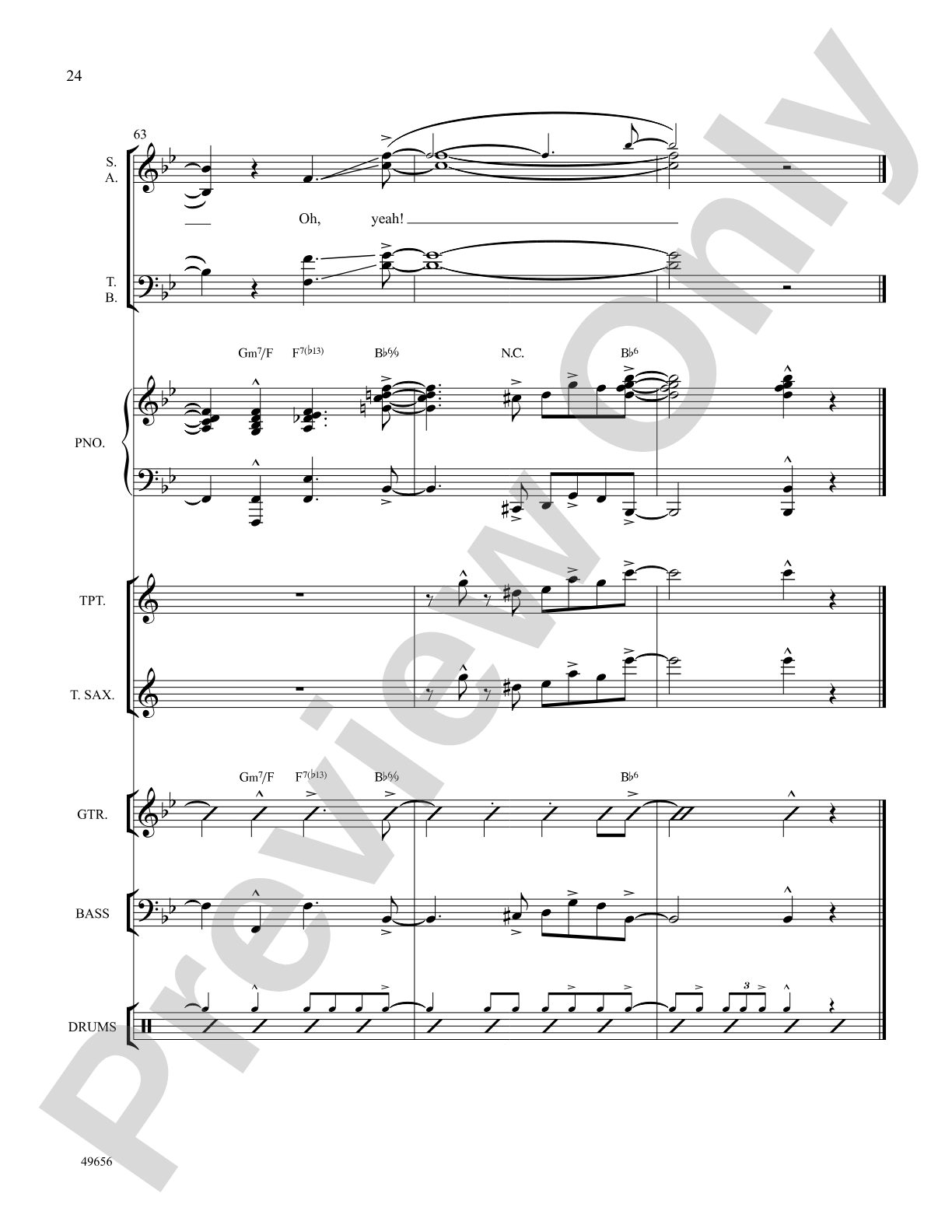
"Flash! Bam! Alakazam!" Vocal jazzers will love the fall-offs, slides, tight harmonies, and rapid fire triplets in Kirby's arrangement of this Great American Songbook standard. Two brief notated solos sound improvised over the hip changes at the turnaround. Recommended listening: study the style with the 1950 recording by Nat King Cole. SoundPax includes trumpet, sax, and rhythm.


Discover MakeMusic Cloud: thousands of interactive titles your students can play along with today.
Sample Audio
1
Audio File
--:--
0:00
0:00
Sample Video
No sample videos found.
Additional Details
Series:
Alfred Pop Choral Series
Publisher:
Alfred Music
SKU:
00-PK-0008617
More about this title
About the Composer: Milton Delugg
Milton Delugg (1918-2009) was a prolific composer and accordionist who bridged pop, jazz, and novelty music across radio, television, and recordings. His catalog spans thousands of compositions, from instrumental standards to vocal arrangements that captured the energy and optimism of mid-20th century American songwriting. Delugg's gift for catchy melody and rhythmic vitality made him a fixture in entertainment, with "Orange Colored Sky" standing as one of his enduring contributions to the Great American Songbook.
Why we love this
Kirby Shaw's arrangement cuts straight to the swagger of this jazz standard without oversimplifying it. The rhythmic density, call-and-response moments, and those notated solos give singers something genuinely stylistic to sink their teeth into, while the SoundPax backing keeps rehearsal moving and lets students hear how their voices sit in a real jazz ensemble sound.
What to expect
Breezy, sophisticated, and full of personality. The piece bounds along with crisp rhythms and unexpected harmonic turns, landing somewhere between bebop cool and radio-friendly warmth. There's real joy in the vocal lines, especially in those rapid-fire triplets and the moment when the soloists take the turnaround.
Who it's for
Choirs with experienced jazz singers or those ready to develop a jazz sound. This works for high school, college, and community choirs comfortable with syncopation, swing articulation, and a playful interpretive approach. The arrangement rewards singers who understand jazz phrasing and harmonic color.
How to get the most out of it
- Study the 1950 Nat King Cole recording before rehearsal. The articulation, rhythmic snap, and vocal phrasing in that performance set the template for the style; reference it when teaching the fall-offs and slides.
- Lock the rhythm section feel first. The triplet figures and syncopation depend on a steady, relaxed swing pulse; work with your rhythm section (or the SoundPax accompaniment) to establish that pocket before layering in the vocal lines.
- Treat the notated solos as jumping-off points, not fixed performances. Encourage singers to study the changes, shape their phrasing with intention, and let their personalities show within the written framework.
- Balance clarity with legit blend in the tight harmony passages. Diction and vowel consistency matter here; the "hip changes" need clean vertical tuning so the jazz sonorities shine.
How to use it
Perfect for a jazz-forward concert or a showcase of Great American Songbook standards. The manageable length and high entertainment value make it a strong opener or an upbeat closing number. It also pairs well with other Kirby Shaw arrangements or vocal jazz selections that emphasize style and ensemble cohesion over sheer difficulty.
Skills your students will build
- Swing articulation and rhythmic precision in syncopated passages
- Jazz phrasing, fall-offs, and slides
- Reading and performing chord changes over notated solos
- Tight ensemble blend and intonation in jazz harmonies
- Stylistic interpretation of Great American Songbook material