

Let Us Walk in Peace: Choral SoundPax
Music by Patsy Ford Simms
Item: 00-PK-0007268

$15.00
Pickup currently not available
Buy Extra Parts (Digital PDF Download)
| Product | Price | Quantity |
|---|---|---|
| Let Us Walk in Peace: Score | $10.00 | |
| Let Us Walk in Peace: E-flat Alto Saxophone | $3.00 | |
| Let Us Walk in Peace: B-flat Tenor Saxophone | $3.00 | |
| Let Us Walk in Peace: 1st B-flat Trumpet | $3.00 | |
| Let Us Walk in Peace: 2nd B-flat Trumpet | $3.00 | |
| Let Us Walk in Peace: 1st Trombone | $3.00 | |
| Let Us Walk in Peace: Guitar | $3.00 | |
| Let Us Walk in Peace: Drums | $3.00 | |
| Let Us Walk in Peace: String Bass | $3.00 |
Parts Added to Cart!
Description
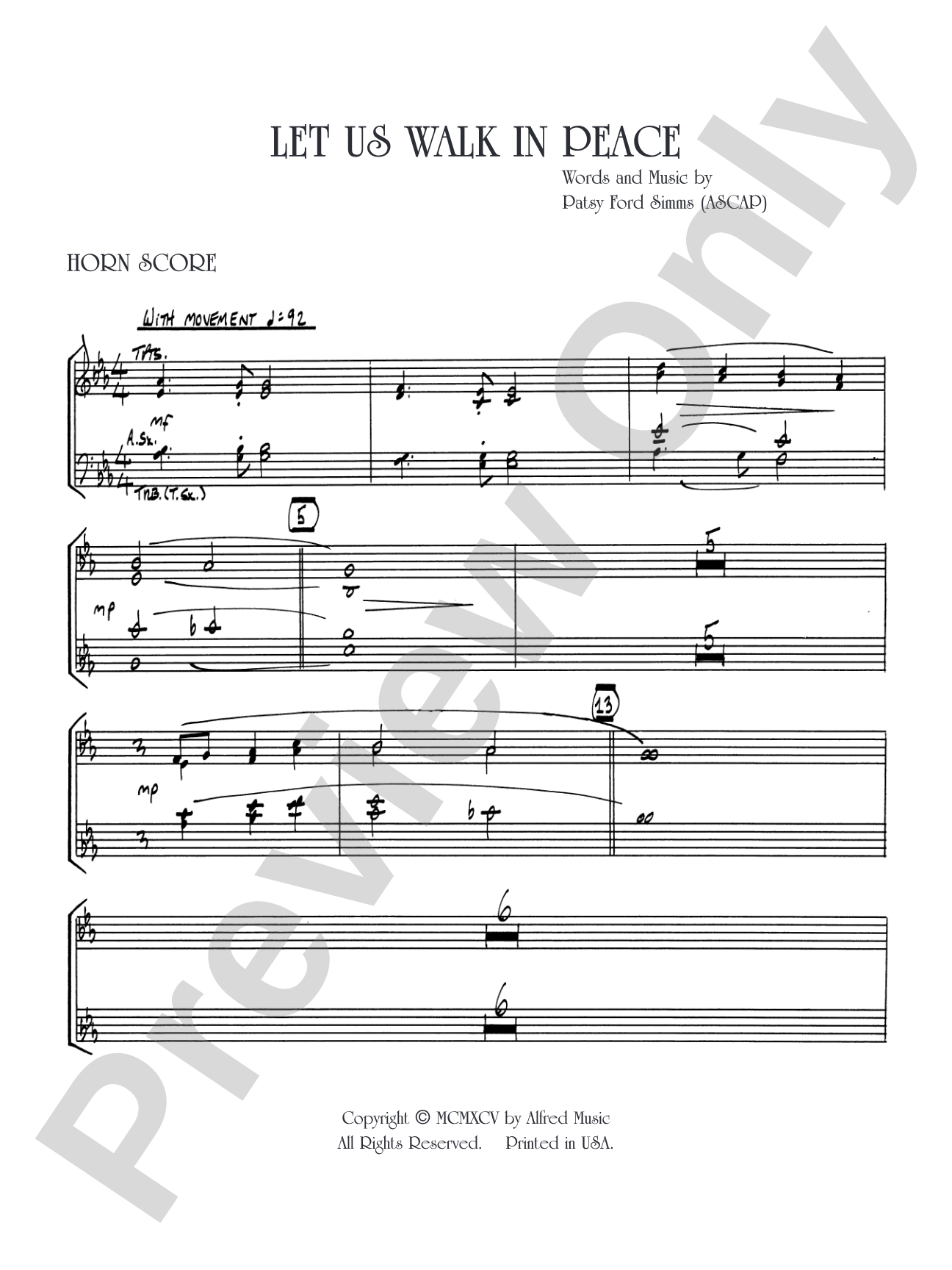
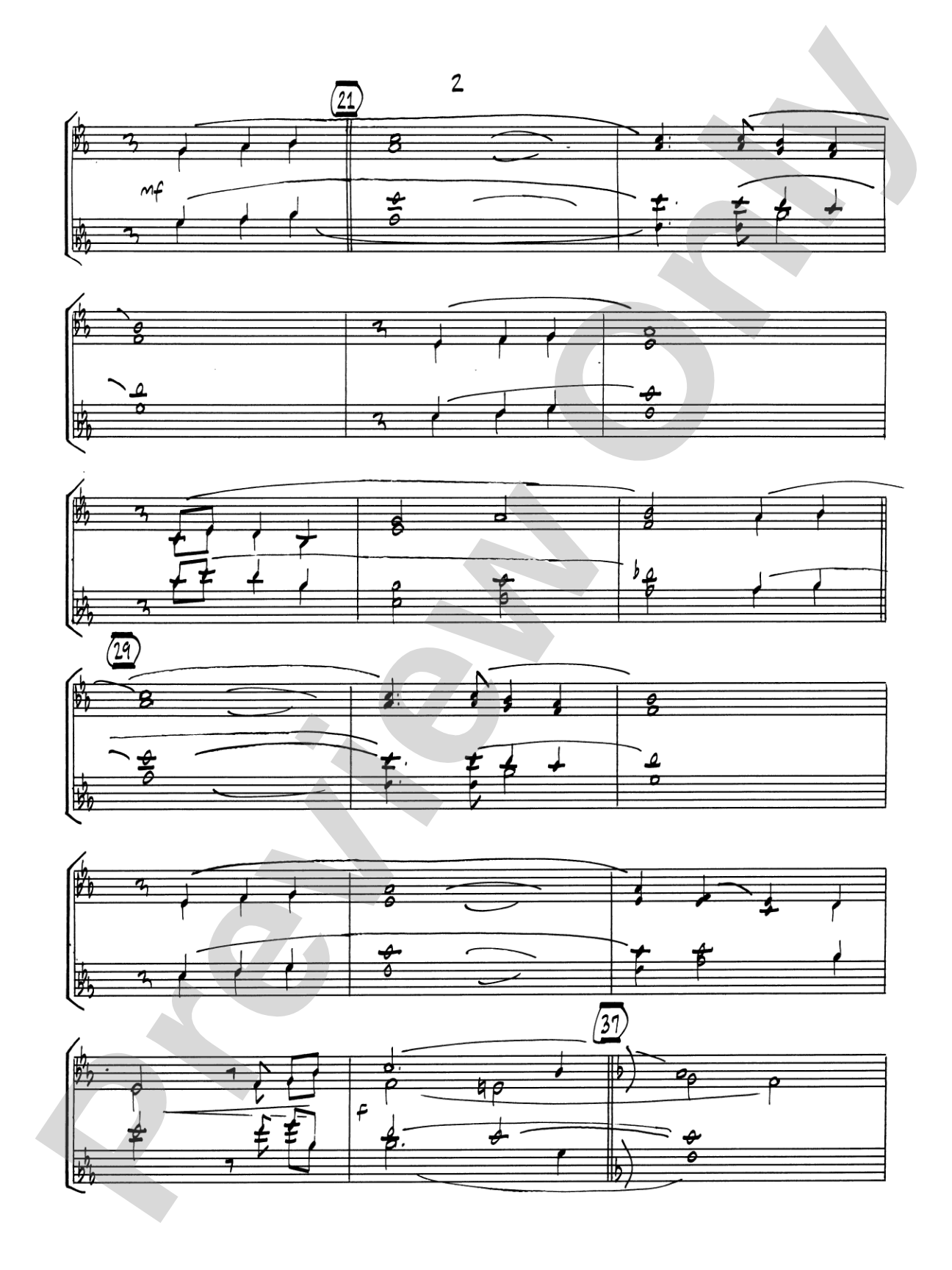
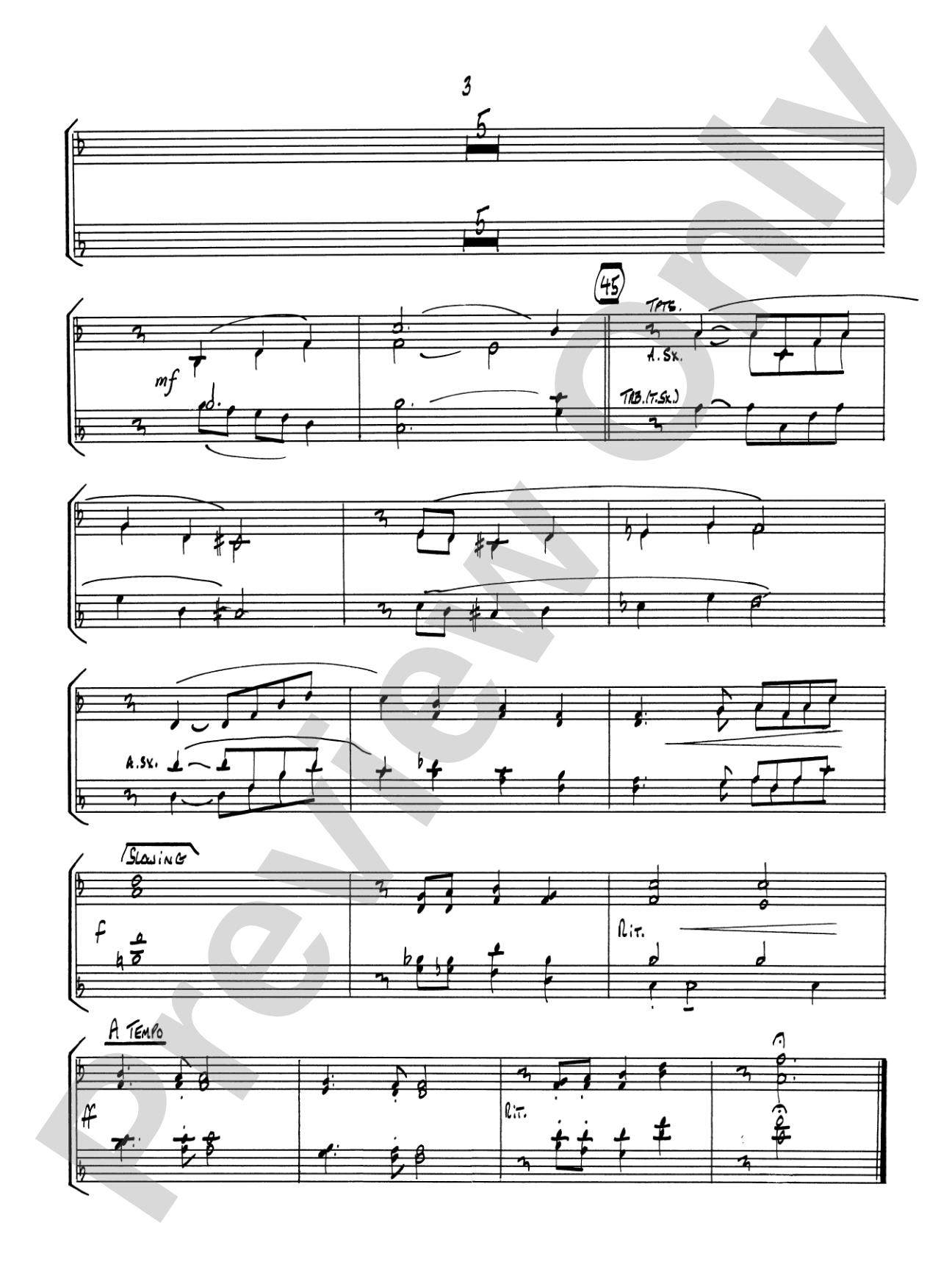
This meaningful work for all ages features a "brotherhood" text and strong, logical voice writing. Can be used any time of year or as a secular "peace" number at Christmas. Use the optional text for Martin Luther King day. Opens gently, builds to a powerful finish. An outstanding choral work. InstruPax includes: director's score, 2 trumpets, trombone [opt. tenor sax], alto sax, rhythm.


Don't just read it, hear it, play along with it, and watch your students grow with it. In MakeMusic Cloud, Let Us Walk in Peace: Choral SoundPax comes alive with professional accompaniment, adjustable tempo, and built-in practice tools that turn solo practice into real progress.
Open in the Player
Jump straight in and assign it today.
Start Your Free Trial
Open this title and explore the full library in minutes.
Sample Audio
No sample audio found.
Sample Video
No sample videos found.
Additional Details
Series:
Alfred Choral Designs
Publisher:
Alfred Music
Page Count:
32
SKU:
00-PK-0007268
Instrumentation:
2 trumpets, trombone [opt. tenor sax], alto sax, rhythm, score
More about this title
About the Composer: Patsy Ford Simms
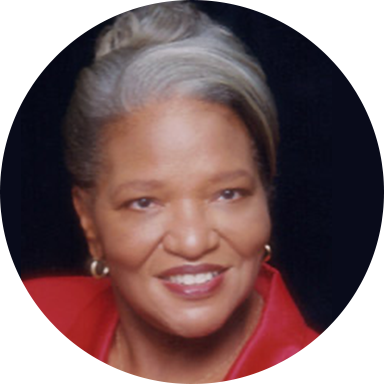
Patsy Ford Simms began her publishing career in 1981 and has since created over 300 compositions and arrangements for educational and church settings, working with major publishers including Shawnee Press. Her extensive catalog grew directly from her classroom experience; during her first decade teaching middle school, she found a shortage of choral octavos suited to junior high voices and began writing to fill that need.
Simms holds a Bachelor of Science in Music Education from Knoxville College, a Master of Education from the University of Louisville, and a doctorate in Music Education from Columbia Pacific University. Over 30 years in K-12 classrooms and at the Youth Performing Arts School, she earned recognition as an arranger, composer, and clinician, presenting her work internationally in Italy and Africa. Her compositions have been selected for two MENC World's Largest Concerts, and she has received multiple ASCAP Special Music Awards. She has also composed short musicals centered on African American history and accepted numerous commissions throughout her career.
Why we love this
Simms understands the arc of a meaningful choral moment: this piece opens with restraint and builds to real power, giving your singers something substantive to work toward. The voice writing is transparent and logical, so even mixed-ability choirs can access the harmony without getting lost. The dual-text approach (brotherhood text plus optional Martin Luther King day version) and the secular framing make this a genuinely flexible choice for schools navigating programming needs across the calendar.
What to expect
The piece invites singers into a quiet moment of intention before gradually gathering strength and conviction. By the finish, the combination of choir, brass, and saxophone creates a unified, hopeful statement that feels genuinely earned rather than imposed.
Who it's for
This works for middle school through adult choirs of any size or experience level. The straightforward voice leading welcomes singers still developing range and flexibility, while the orchestration and message engage high school and community ensembles looking for repertoire with real substance.
How to get the most out of it
- Shape the opening dynamics carefully; the gentle beginning depends on restraint in vowel production and light articulation rather than loud-soft contrast alone.
- Balance the ensemble parts (brass and saxes) against the choir from the outset so the build feels earned rather than sudden when the arrangement thickens.
- Use the optional text strategically for context and meaning; whichever version you choose, let the choir understand the specific occasion so their commitment comes across in phrasing.
How to use it
This serves equally well as a spring or winter concert closer, a standalone peace assembly piece, or a centerpiece for Martin Luther King day programming. Its emotional arc and flexible occasion make it a natural choice when you want to program something that speaks to community values without requiring a specific season.
Skills your students will build
- Singing through dynamic transitions without losing vowel consistency
- Blending choir with small ensemble (brass and saxophone parts)
- Sustaining phrase direction across longer musical lines
- Interpreting text with emotional authenticity and collective intention