Let Us Walk in Peace Cover Image

Let Us Walk in Peace: 2-Part Choral Octavo

$2.25 USD
Sale price  $2.25 USD Regular price 
Skip to product information
Let Us Walk in Peace Cover Image

Let Us Walk in Peace: 2-Part Choral Octavo

Music by Patsy Ford Simms

Item: 00-11575

makemusic Cloud badge

Need it now?

Buy Digital Version
$2.25
Shipped

One moment…

Description
This meaningful work for all ages features a "brotherhood" text and strong, logical voice writing. Can be used any time of year or as a secular "peace" number at Christmas. Use the optional text for Martin Luther King day. Opens gently, builds to a powerful finish. An outstanding choral work.

Don't just read it, hear it, play along with it, and watch your students grow with it. In MakeMusic Cloud, Let Us Walk in Peace: 2-Part Choral Octavo comes alive with professional accompaniment, adjustable tempo, and built-in practice tools that turn solo practice into real progress.

Sample Pages

Sample Audio
No sample audio found.
Sample Video
Additional Details
Series: Alfred Archive Edition: Alfred Choral Designs
Publisher: Alfred Music
Page Count: 8
UPC: 038081118024
SKU: 00-11575

More about this title

About the Composer: Patsy Ford Simms
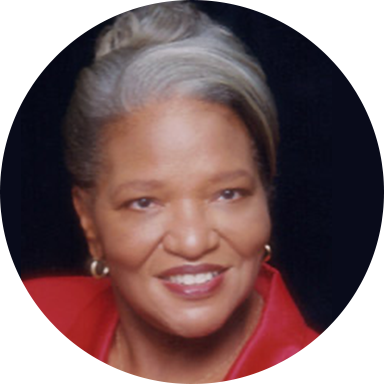
Patsy Ford Simms

Patsy Ford Simms began her publishing career in 1981 and has since composed and arranged over 300 works for educational and church settings, collaborating with major publishers including Shawnee Press. Her prolific output stems from a deliberate mission: during her early years teaching middle school, she recognized a shortage of quality choral octavos written for changing voices and set out to fill that void herself.

Simms holds a Bachelor of Science in Music Education from Knoxville College, a Master of Education from the University of Louisville, and a doctorate in Music Education from Columbia Pacific University. Over three decades of classroom teaching across grades K-12 and at the Youth Performing Arts School informed her understanding of what young singers need. Her work has earned international recognition; she has presented clinics in Italy and Africa, received multiple ASCAP Special Music Awards, and had two compositions selected for MENC World's Largest Concerts. She has also composed commissioned works and original musicals exploring African American history.

Why we love this

Simms writes with a clear sense of what 2-part singers can handle musically and what will move them. The text choices matter here; the optional alternate text for MLK Day gives you genuine programming flexibility without feeling gimmicky, and the "brotherhood" theme carries real substance whether you use it for graduation, a peace concert, or general repertoire.

What to expect

The piece unfolds like a conversation that begins quietly and grows in conviction. There's warmth in the voice writing and a sense of collective purpose as the texture deepens toward the finish.

Who it's for

This work reaches any choir that reads 2-part writing with confidence, whether that's a middle school group still building sight-reading skills or an elementary ensemble with strong musicianship. It also works for community or church choirs seeking accessible repertoire with substance.

How to get the most out of it

  • Start with a clear, gentle opening and resist the urge to rush the early phrases; the journey to the powerful finish depends on establishing restraint first.
  • If you're using the recorded accompaniment, rehearse without it first so singers develop independent ensemble awareness before relying on the track.
  • Shape the build to the climax deliberately, marking a point in your score where the intensity shifts so you can communicate that turning point clearly in rehearsal.

How to use it

Pair this with graduation or peace-themed concert programming where you want a moment of genuine reflection rather than bombast. It also serves well as a secular alternative for winter concerts that need a brotherhood or unity message without religious content.

Skills your students will build

  • Balanced ensemble blend in 2-part texture
  • Dynamic control and phrasing over longer arcs
  • Sight-reading mixed meter or rhythmic patterns across phrase lines
  • Text expression and meaning-centered interpretation

You May Also Like
