Let There Be Music Cover Image

Let There Be Music: 3-Part Choral Octavo

$1.65 USD
Sale price  $1.65 USD Regular price 
Skip to product information
Let There Be Music Cover Image

Let There Be Music: 3-Part Choral Octavo

Music by Sally K. Albrecht

Item: 00-21652

$1.65
Shipped

One moment…

Description
Fill your concert hall with the majestic fanfare of Sally Albrecht's Let There Be Music. Your choir has never sounded stronger than they will as the opening fanfare bursts into the energetic and powerful English/Latin theme of this joyous festival work. "Let there be music, harmony, voices united as one" echoes through the choir with straightforward choral writing and traditional harmonies. The optional SoundPax and SoundTrax CD feature full brass and percussion parts. A dramatic celebration of music.

Let There Be Music: 3-Part Choral Octavo isn't in MakeMusic Cloud just yet...but it could be. Let us know you'd like to see it, and you'll help shape what comes next. In the meantime, start a free trial and dive into thousands of interactive titles your students can play along with today.

Sample Pages

Sample Audio
0:00
0:00
Sample Video
Additional Details
Series: Alfred Choral Designs
Publisher: Alfred Music
Page Count: 12
UPC: 038081210469
SKU: 00-21652

More about this title

About the Composer: Sally K. Albrecht
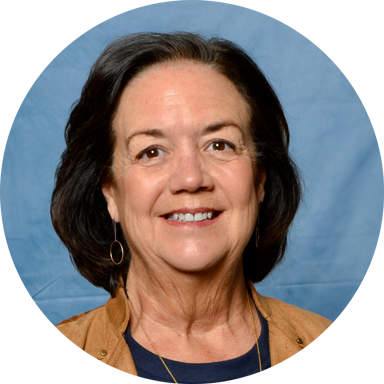
Sally K. Albrecht

Sally K. Albrecht has shaped American choral music for over four decades as a composer, conductor, and educator. Since 1987, she has received consecutive ASCAP Special Music Awards and maintains more than 600 published choral works in print, alongside 75 larger musicals and songbooks. She directed school choral and vocal publications for major educational publishers, most recently Alfred Music, and has conducted honor choirs at Lincoln Center, Carnegie Hall, and The Kennedy Center.

Albrecht holds degrees from Rollins College (B.A. in Music and Theater, 1976) and the University of Miami (M.A. in Drama, 1977; M.M. in Accompanying, 1979). She has taught at Oakland University, Jersey City State College, and Meredith College. Her work with choral movement and accessible, singable writing has made her a trusted voice in school and community music programs. In 2021, she received the Distinguished Alumna Award from both the University of Miami Frost School of Music and Rollins College.

Why we love this

Albrecht writes choral music that sounds impressive without requiring gymnastic vocal technique. The combination of a majestic opening fanfare with straightforward harmonies means your singers can focus on clarity and unity rather than wrestling with complex part-writing, making this ideal when you need a festival piece that lands hard on concert day.

What to expect

An opening proclamation that feels ceremonial and grand, followed by a surge of joy as voices unite around a straightforward, memorable theme. The piece radiates confidence and celebration without pretension.

Who it's for

Directors programming a festival concert or spring concert finale who need a work that celebrates choral unity without excessive difficulty. This octavo suits choirs with solid ensemble skills and music-reading confidence but without advanced vocal range or part-singing demands.

How to get the most out of it

  • Balance the opening fanfare so the brass and percussion parts (available via SoundPax or SoundTrax CD) support rather than overwhelm your choir's entrance.
  • Shape the English/Latin text sections with clear diction and unified vowels; the text repetition builds power through precision, not volume.
  • Use the recorded accompaniment to lock ensemble timing during rehearsal, especially where the fanfare texture shifts into the homophonic choral sections.

How to use it

Place this as a closer or main event piece on a concert where you want a communal, triumphant finale. Its combination of instrumental and vocal elements makes it equally effective as a standalone feature or as part of a larger thematic program about music, community, or celebration.

Skills your students will build

  • Blending voices across three parts with balanced tone
  • Singing with clear diction in English and Latin text
  • Responding to instrumental accompaniment cues
  • Unified ensemble entrance and cutoff
  • Reading straightforward harmonic progressions

You May Also Like