Let There Be Music Cover Image

Let There Be Music: 2-Part Choral Octavo

$1.65 USD
Sale price  $1.65 USD Regular price 
Skip to product information
Let There Be Music Cover Image

Let There Be Music: 2-Part Choral Octavo

Music by Sally K. Albrecht

Item: 00-21653

$1.65
Shipped

One moment…

Description
Fill your concert hall with the majestic fanfare of Sally Albrecht's Let There Be Music. Your choir has never sounded stronger than they will as the opening fanfare bursts into the energetic and powerful English/Latin theme of this joyous festival work. "Let there be music, harmony, voices united as one" echoes through the choir with straightforward choral writing and traditional harmonies. The optional SoundPax and SoundTrax CD feature full brass and percussion parts. A dramatic celebration of music.

Let There Be Music: 2-Part Choral Octavo isn't in MakeMusic Cloud just yet...but it could be. Let us know you'd like to see it, and you'll help shape what comes next. In the meantime, start a free trial and dive into thousands of interactive titles your students can play along with today.

Sample Pages

Sample Audio
0:00
0:00
Sample Video
Additional Details
Series: Alfred Choral Designs
Publisher: Alfred Music
Page Count: 12
UPC: 038081210476
SKU: 00-21653

More about this title

About the Composer: Sally K. Albrecht
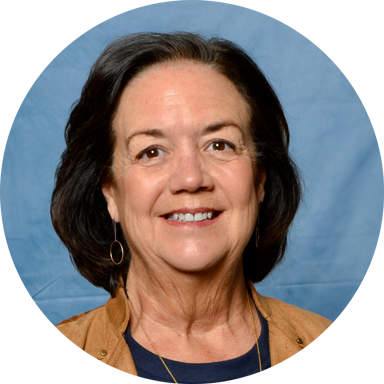
Sally K. Albrecht

Sally K. Albrecht has shaped American choral music for over four decades as a composer, conductor, and advocate for choral movement in schools. Recognized annually by ASCAP since 1987, she has published more than 600 choral works and 75 larger musicals and songbooks. She spent over thirty years directing choral, vocal, and elementary publications at major educational music houses, most recently at Alfred Music, while simultaneously conducting honor choirs and leading festivals at venues including Lincoln Center, Carnegie Hall, and The Kennedy Center.

Educated at Rollins College (B.A., 1976) and the University of Miami Frost School of Music (M.A. in Drama, 1977; M.M. in Accompanying, 1979), Albrecht has taught at Oakland University, Jersey City State College, and Meredith College. She has held leadership roles in national music organizations and was named a Distinguished Alumna by both the University of Miami and Rollins College. She resides in North Carolina with her husband, composer and arranger Jay Althouse.

Why we love this

Albrecht writes for the choir you actually have: straightforward voices, confident harmonies, and music that sounds cathedral-ready from the first rehearsal. The opening brass fanfare gives your ensemble an immediate lift, while the bilingual text (English and Latin) adds ceremonial weight without requiring specialized pronunciation coaching. Repertoire this satisfying to conduct and this rewarding for singers to perform rarely comes this accessible.

What to expect

This is ceremony and joy in two parts. The opening fanfare announces that something important is about to happen; then the choir settles into a warm, anthemic celebration where every voice matters equally. English and Latin weave together as the piece builds toward its powerful "voices united as one" moment, delivering the kind of emotional release that makes singers feel like they've accomplished something genuinely meaningful.

Who it's for

Choirs in grades 5 and up will find this accessible, particularly groups with mixed reading levels or limited soprano/alto differentiation. The straightforward voicing and familiar harmonic language make it ideal for choirs new to festival work or those seeking a strong opening statement for a concert.

How to get the most out of it

  • Let the fanfare breathe. The opening needs space and clarity; resist the urge to rush the brass figures even if they're optional parts.
  • Align the English and Latin text carefully. Mark syllable stresses in your score so both languages sit naturally on the same melodic phrases.
  • Build dynamics gradually through the piece. The "voices united as one" line works best when you've saved some room to grow from the opening statement.
  • Use the recorded accompaniment to lock your chord changes and intonation, especially if your rhythm section is new to the piece.

How to use it

Open a concert with this piece to set a festive, formal tone immediately. Pair it with other Sally Albrecht works for a cohesive choral program, or use it as an anchor festival piece that builds choir confidence early in competition or showcase season. The optional brass and percussion parts make it flexible: perform it unaccompanied for intimacy or add the full instrumentation for maximum impact.

Skills your students will build

  • Singing in two parts with independent voice lines
  • Maintaining pitch and blend while performing English and Latin text simultaneously
  • Responding to dynamic contrast and textural shifts
  • Building confidence in straightforward harmonic progressions
  • Understanding choral form through repetition and variation

You May Also Like