Let the Song Begin Cover Image

Let the Song Begin: 3-Part / SAB, <i>a cappella</i> Choral Octavo

$2.05 USD
Sale price  $2.05 USD Regular price 
Skip to product information
Let the Song Begin Cover Image

Let the Song Begin: 3-Part / SAB, a cappella Choral Octavo

Words and music by Donald Moore

Item: 00-27840

makemusic Cloud badge

Need it now?

Buy Digital Version
$2.05
Shipped

One moment…

Description
The ultimate original madrigal for any choir. Independent vocal lines, terraced dynamics, and a joyful "music" text create an ideal teaching piece that works well as a concert opener or an a cappella feature.

Don't just read it, hear it, play along with it, and watch your students grow with it. In MakeMusic Cloud, Let the Song Begin: 3-Part / SAB, a cappella Choral Octavo comes alive with professional accompaniment, adjustable tempo, and built-in practice tools that turn solo practice into real progress.

Sample Pages

Sample Audio
0:00
0:00
Sample Video
Additional Details
Series: Alfred Choral Designs
Publisher: Alfred Music
Page Count: 8
UPC: 038081297415
SKU: 00-27840

More about this title

About the Composer: Donald Moore
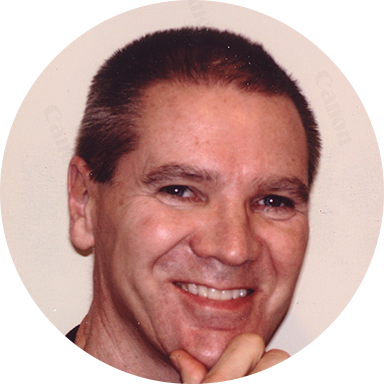
Donald Moore

Donald Moore earned degrees in organ performance and music education from Kent State University and has built a career as both a church musician and prolific composer. Currently serving as Organist-Choirmaster at Pilgrim United Church of Christ in Cuyahoga Falls, Ohio, Moore has published over 500 compositions across sacred, secular, educational, and pop idioms with major publishing houses including Alfred Music, Hal Leonard, and Heritage Music Press. His works appear regularly at state contests and festivals, and the American Choral Directors Association recognized him as one of 400 elite composers in American choral music history. Moore has earned the ASCAP Composers Standard Award seventeen times.

Why we love this

Moore writes vocal lines that actually sing independently without sacrificing harmonic interest. The text focus on music itself gives singers an immediate emotional anchor, and the piece's terraced dynamics create natural shape and excitement that feels effortless to teach. Opening a concert with this madrigal sets an energetic, sophisticated tone while remaining accessible to developing three-part choirs.

What to expect

Bright and celebratory, with the spirited confidence of a Renaissance madrigal filtered through accessible modern writing. Each line moves with its own melodic integrity while the layers weave together into something joyful and unified, creating the sensation that the singers themselves are discovering the fun of singing together in real time.

Who it's for

Three-part mixed choirs at the middle school through early high school level who want an engaging opening number with real musical substance. Directors seeking repertoire that teaches independent voice leading and harmonic awareness without requiring advanced vocal technique will find this piece rewarding for both performance and pedagogy.

How to get the most out of it

  • Highlight the independence of each vocal line by rehearsing parts separately first; once singers hear their own melody in relation to the others, blend becomes instinctive rather than forced.
  • Use the terraced dynamics as rehearsal landmarks. Mark where the piece shifts between dynamic levels and have singers listen for those moments; it clarifies form and builds interpretive confidence.
  • Shape phrases within each dynamic level using gentle dynamic swells on longer note values to prevent static, monotone singing in the middle register.
  • Balance the piece by seating sections strategically; SAB voicing works best when sopranos and basses have some separation so their outer lines remain distinct.

How to use it

This madrigal thrives as a concert opener, its upbeat character and clean a cappella sound immediately engaging an audience. It also works well as an a cappella feature on a mixed repertoire concert, giving audiences a moment of purely vocal artistry before moving into accompanied pieces.

Skills your students will build

  • Independent melodic line reading and singing without relying on other parts
  • Dynamic control and response to terraced dynamic markings
  • Vertical listening and blend across three-part texture
  • Phrase shaping within a cappella singing
  • Text-based interpretation and expression

You May Also Like
