Let the Song Begin Cover Image

Let the Song Begin: SATB, <I>a cappella</I> Choral Octavo

$2.05 USD
Sale price  $2.05 USD Regular price 
Skip to product information
Let the Song Begin Cover Image

Let the Song Begin: SATB, a cappella Choral Octavo

Words and music by Donald Moore

Item: 00-47535

makemusic Cloud badge

Need it now?

Buy Digital Version
$2.05
Shipped

One moment…

Description
The ultimate original madrigal for any choir. Independent vocal lines, terraced dynamics, and a joyful "music" text create an ideal teaching piece that works well as a concert opener or an a cappella feature.

Don't just read it, hear it, play along with it, and watch your students grow with it. In MakeMusic Cloud, Let the Song Begin: SATB, a cappella Choral Octavo comes alive with professional accompaniment, adjustable tempo, and built-in practice tools that turn solo practice into real progress.

Sample Pages

Sample Audio
0:00
0:00
Sample Video
Additional Details
Series: Alfred Choral Designs
Publisher: Alfred Music
Page Count: 8
UPC: 038081542287
SKU: 00-47535

More about this title

About the Composer: Donald Moore
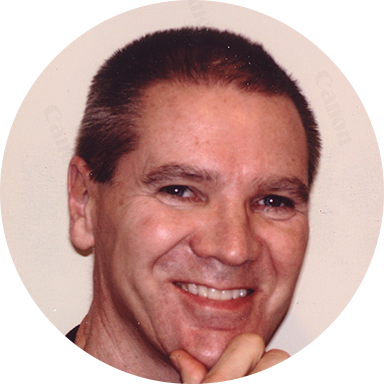
Donald Moore

Donald Moore studied organ performance at Kent State University and earned a Master of Arts in Teaching from the same institution. He serves as Organist-Choirmaster at Pilgrim United Church of Christ in Cuyahoga Falls, Ohio, and has composed and arranged over 500 works across sacred, secular, educational, and popular choral genres, along with organ and piano pieces and eight instructional books published by Alfred Music, Hal Leonard, Heritage Music Press, and other major publishers.

Moore's compositions appear regularly in state contests and festivals and have been featured at state, regional, national, and international music conventions. He is a seventeen-time recipient of the ASCAP Composers Standard Award and was recognized by the American Choral Directors Association Choral Journal as one of 400 elite composers of significance in American choral music history.

Why we love this

Moore writes choral music that works. The independent vocal lines keep singers engaged without requiring virtuosity, the terraced dynamics give everyone something to shape, and the text about music itself reminds your choir why they're doing this. It opens a concert with genuine joy rather than showmanship.

What to expect

Bright, conversational, and genuinely celebratory. The independent vocal lines create texture without density, while the terraced dynamics give the piece forward motion and shape. There's a lightness to a cappella madrigal writing that lets the text shine through and invites the audience into something intimate, even in a concert hall.

Who it's for

Any SATB choir looking for an accessible a cappella feature that doesn't require soloists or special effects. This works equally well for high school choirs building their sight-reading skills, college ensembles needing a lighter program piece, and community choirs seeking repertoire that feels rewarding to perform and sounds polished in performance.

How to get the most out of it

  • Balance the independent lines by having singers listen across the ensemble rather than locking onto their own part; this madrigal style rewards active listening from all four voices.
  • Shape the terraced dynamics deliberately; resist the urge to smooth dynamics between sections, as the contrast creates the piece's structural clarity.
  • Breathe together at marked phrase breaks to maintain the a cappella integrity and help blend vowels across sustained passages.
  • Explore where the text suggests musical moments; let the singers' understanding of what they're singing about inform their phrasing and expression.

How to use it

Open your concert with this. Its joyful character and modest difficulty make it an ideal welcome piece that settles your choir into their voices and sets an upbeat tone for the audience. It also works as a strong a cappella feature if you're programming mixed ensemble styles, or as a contest selection where the crafted independent lines and clear structure showcase your choir's fundamental musicianship.

Skills your students will build

  • Independent part singing and voice independence in four-part harmony
  • Terraced dynamics and phrase shaping within a cappella texture
  • Blending and balance without instrumental support
  • Text expression and its relationship to musical line
  • Madrigal-style listening and responsiveness across ensemble voices

You May Also Like
