
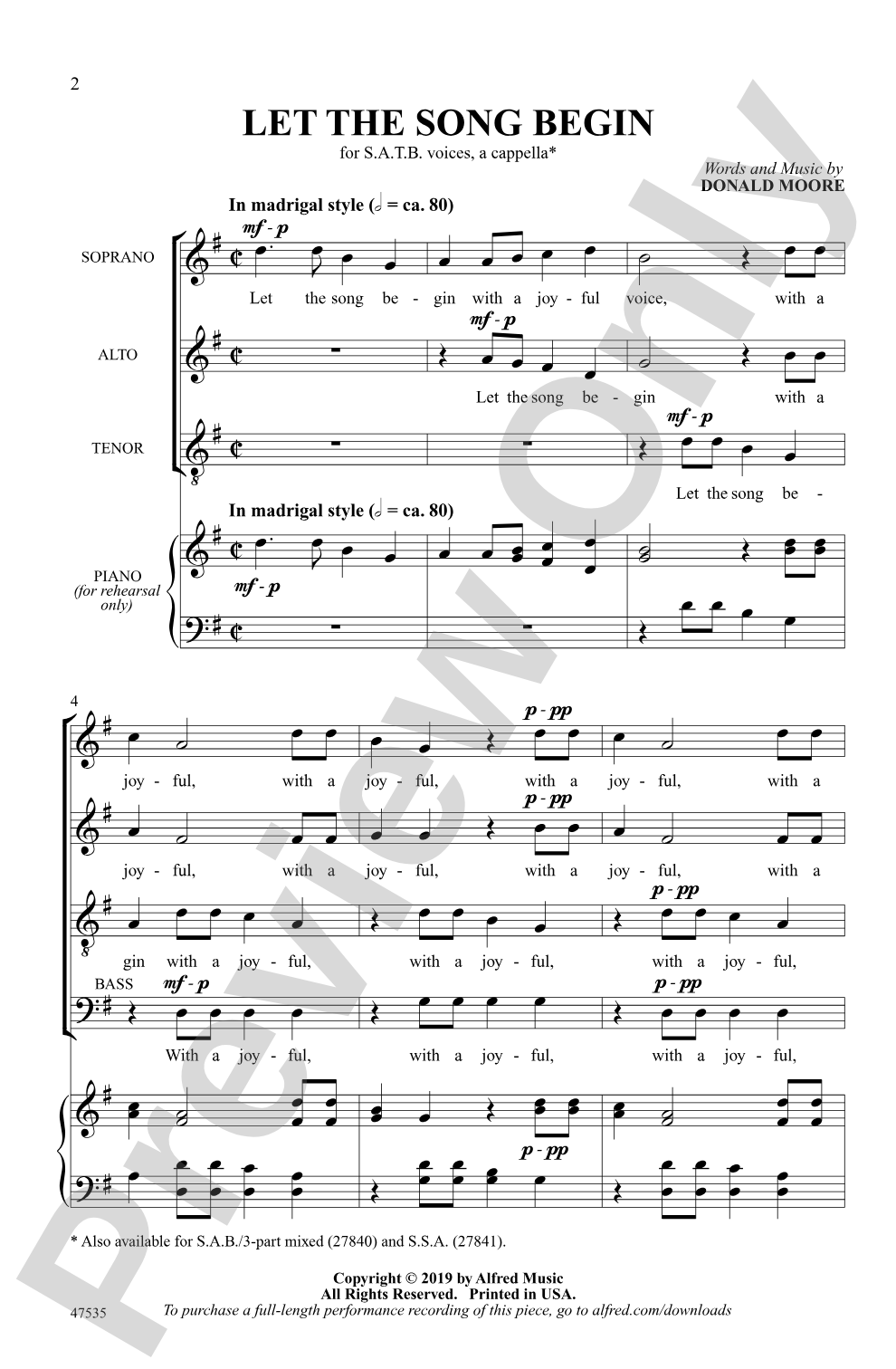
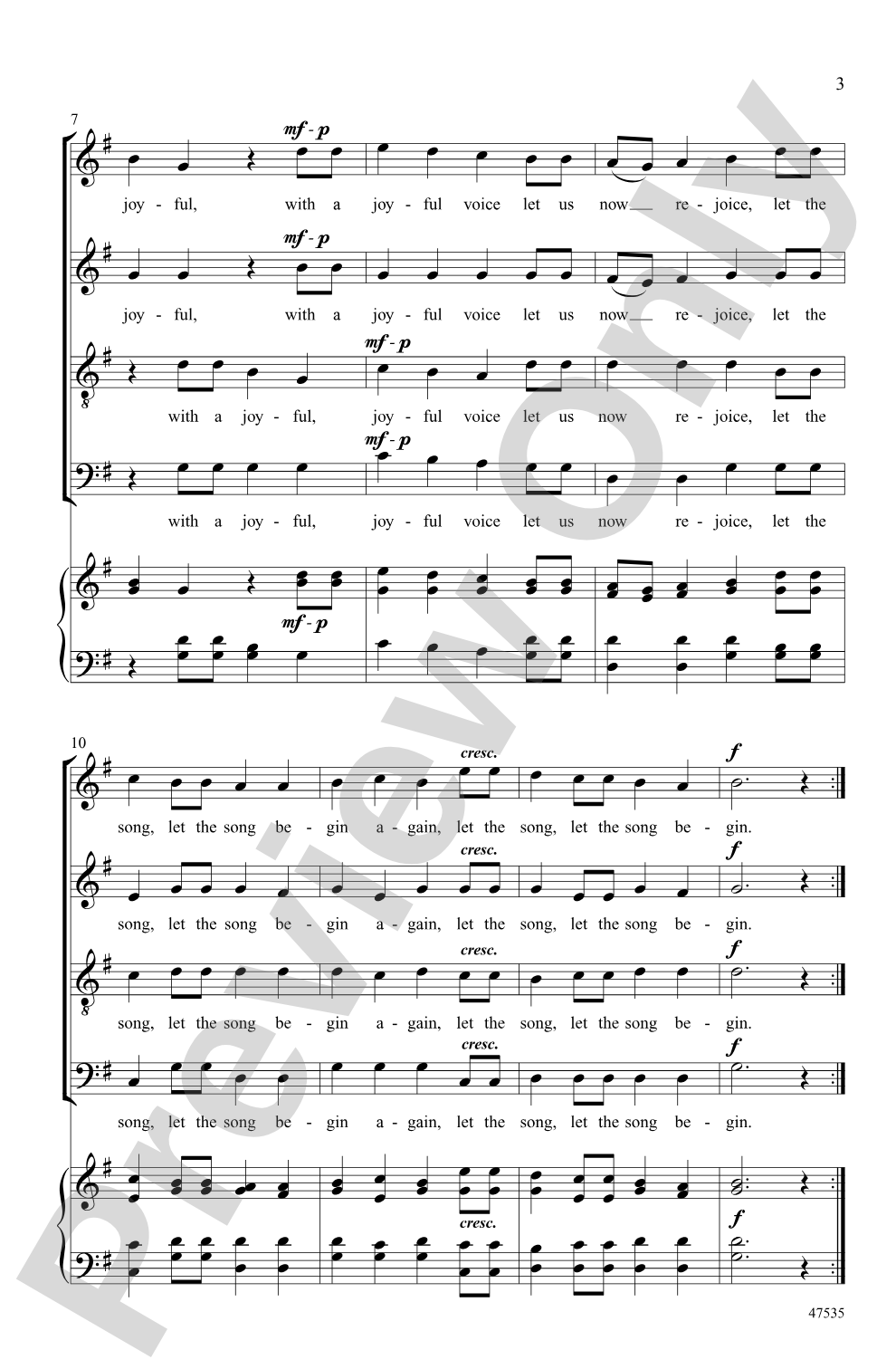

Let the Song Begin: SATB, a cappella Choral Octavo
Words and music by Donald Moore
Item: 00-PO-0005916
$2.05
Minimum order quantity: 20 copies
Pickup currently not available
Related Items
Let the Song Begin: 3-Part / SAB, a cappella Choral Octavo |
$2.05
|
View | |
Let the Song Begin: SSA, a cappella Choral Octavo |
$2.25
|
View | |
Let the Song Begin: SATB, a cappella Choral Octavo |
$2.05
|
View | |
Let the Song Begin: 3-Part / SAB, a cappella Choral Octavo |
$2.05
|
View | |
Let the Song Begin: SSA, a cappella Choral Octavo |
$2.25
|
View |
Description
The ultimate original madrigal for any choir. Independent vocal lines, terraced dynamics, and a joyful "music" text create an ideal teaching piece that works well as a concert opener or an a cappella feature.


Let the Song Begin: SATB, a cappella Choral Octavo isn't in MakeMusic Cloud just yet...but it could be. Let us know you'd like to see it, and you'll help shape what comes next. In the meantime, start a free trial and dive into thousands of interactive titles your students can play along with today.
Request This Title
Tell us you want it.
Start Your Free Trial
Explore everything that's ready to play right now.
Sample Audio
1
Audio File
--:--
0:00
0:00
Sample Video
Additional Details
Series:
Alfred Choral Designs
Publisher:
Alfred Music
Page Count:
8
SKU:
00-PO-0005916
More about this title
About the Composer: Donald Moore
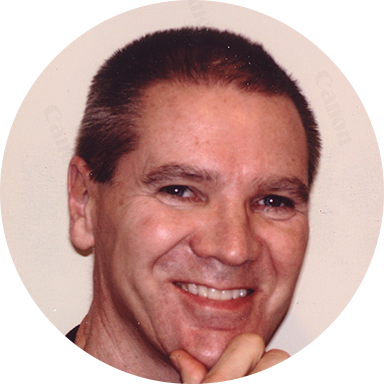
Donald Moore earned degrees in organ performance and music education from Kent State University and has established himself as one of the most prolific voices in American choral writing. As Organist-Choirmaster at Pilgrim United Church of Christ in Ohio, he has created over 500 published compositions across sacred, secular, and educational genres for choral, organ, and piano media. His works appear regularly at state and national festivals, and he has received seventeen ASCAP Composers Standard Awards throughout his career.
The American Choral Directors Association recognized Moore among 400 historically significant composers in American choral music. His catalog spans multiple publishers including Alfred Music, Hal Leonard, Heritage Music Press, and others, establishing him as a trusted source for repertoire that serves both educational and performance contexts.
Why we love this
Moore crafts madrigal writing that actually teaches. The independent lines develop vocal independence without becoming fussy, the text setting celebrates the joy of singing itself, and the piece opens a concert with immediate energy rather than apologizing for being a cappella. Choirs leave rehearsal wanting to sing it again.
What to expect
Pure musical joy. The piece bubbles with the confidence of singers who know their parts and relish the texture of four independent lines locking together. There's a celebratory quality to the madrigal form here, both playful and musically substantive.
Who it's for
Choirs seeking an a cappella opener that demonstrates vocal maturity and independent part-singing. The piece works for intermediate to advanced high school choirs and collegiate ensembles preparing for concerts or competition.
How to get the most out of it
- Establish each voice part's rhythmic independence before adding any blend. Have each section speak their text crisply, then layer in the pitch. This prevents a homogeneous wash and reveals Moore's voice writing.
- Shape the terraced dynamics as architectural moves rather than fades. Think of each dynamic change as a new room in the piece, not a volume knob turn.
- Balance the altos and tenors carefully in the middle voices. These lines carry harmonic and rhythmic responsibility that can disappear if sopranos and basses dominate.
- Let the text breathe. The piece celebrates singing itself, so diction should be clear and energized without becoming rushed.
How to use it
Open your concert with this. It establishes that your choir sings with independence and clarity, sets an upbeat tone, and gives the audience immediate confidence in what they're about to hear. It also works as a festival or contest a cappella feature when you need something that sings beautifully and stands on its own.
Skills your students will build
- Singing independent melodic lines within a four-part harmonic framework
- Executing terraced dynamics as structural elements
- Blending four distinct vocal parts while maintaining line clarity
- Madrigal-style text expression and vocal shaping
- A cappella balance and tuning without instrumental support