
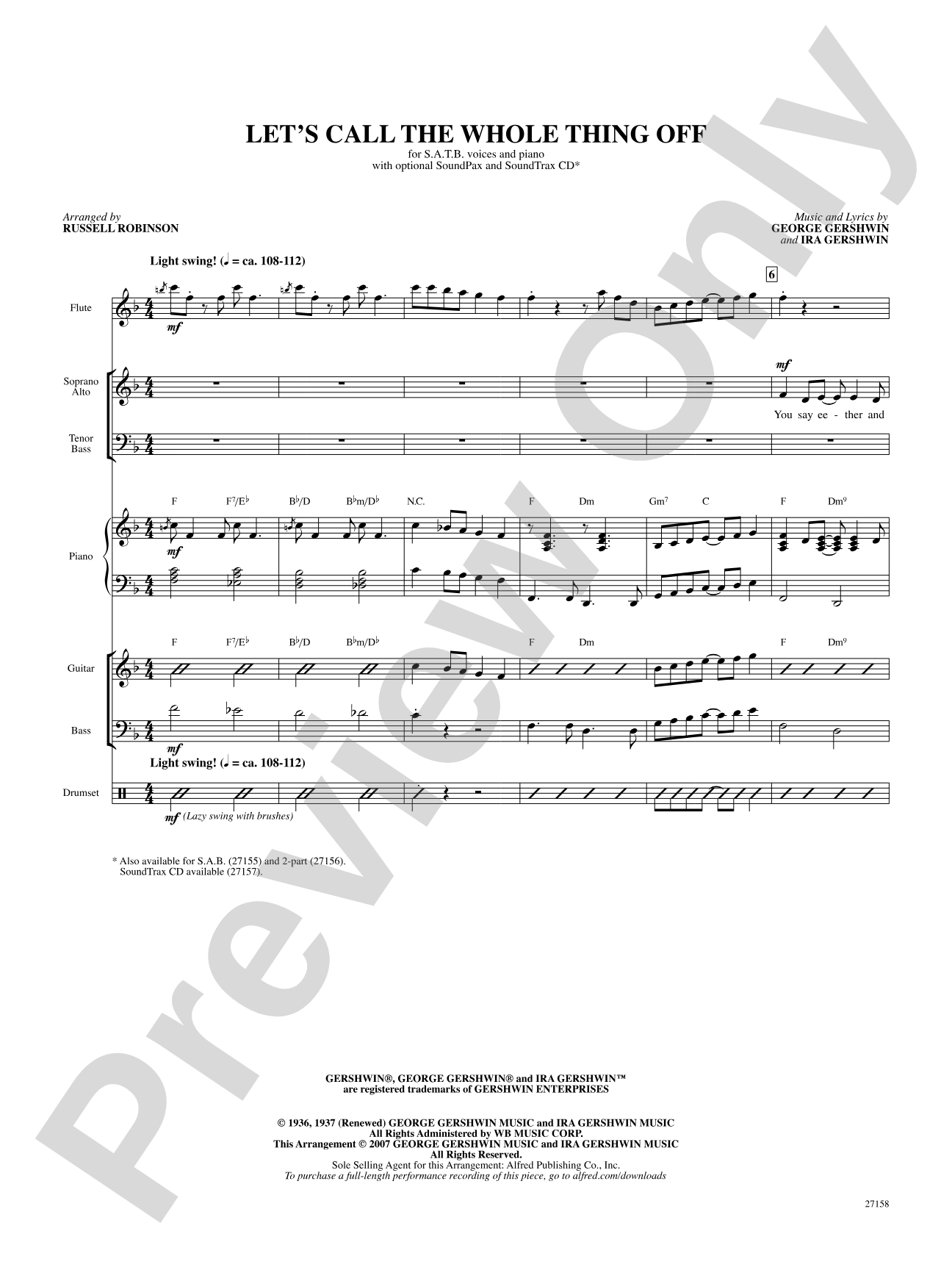
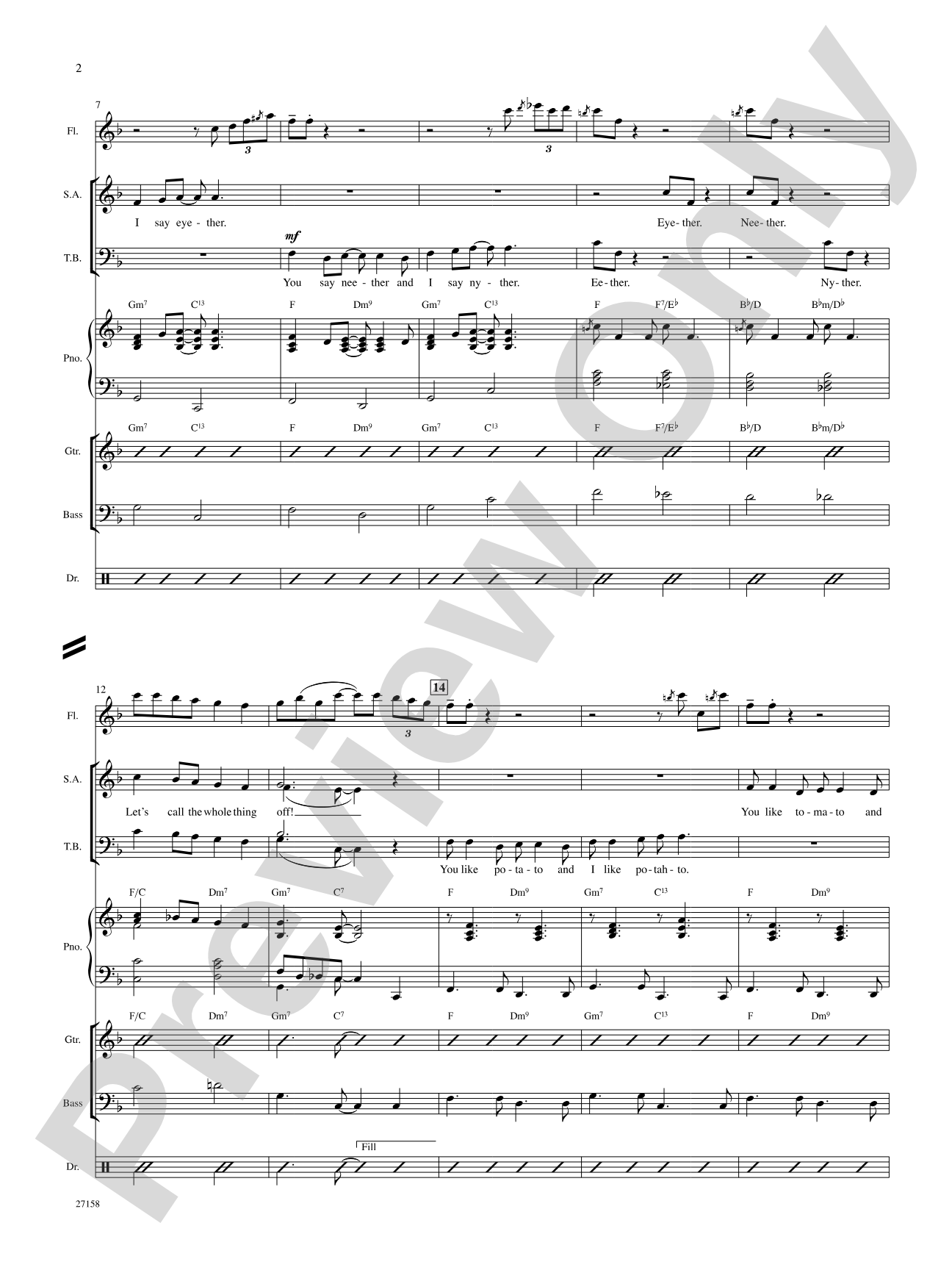
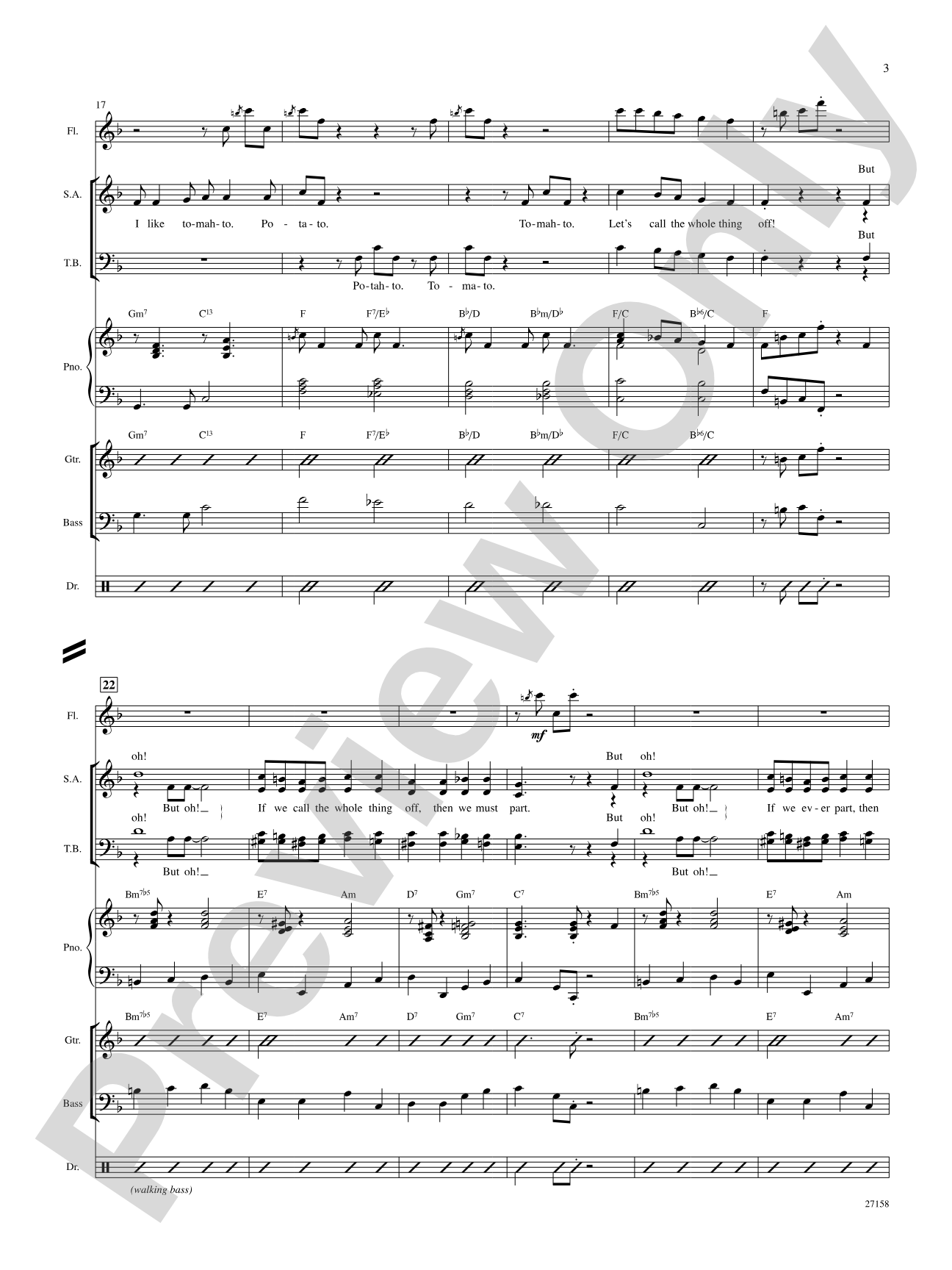
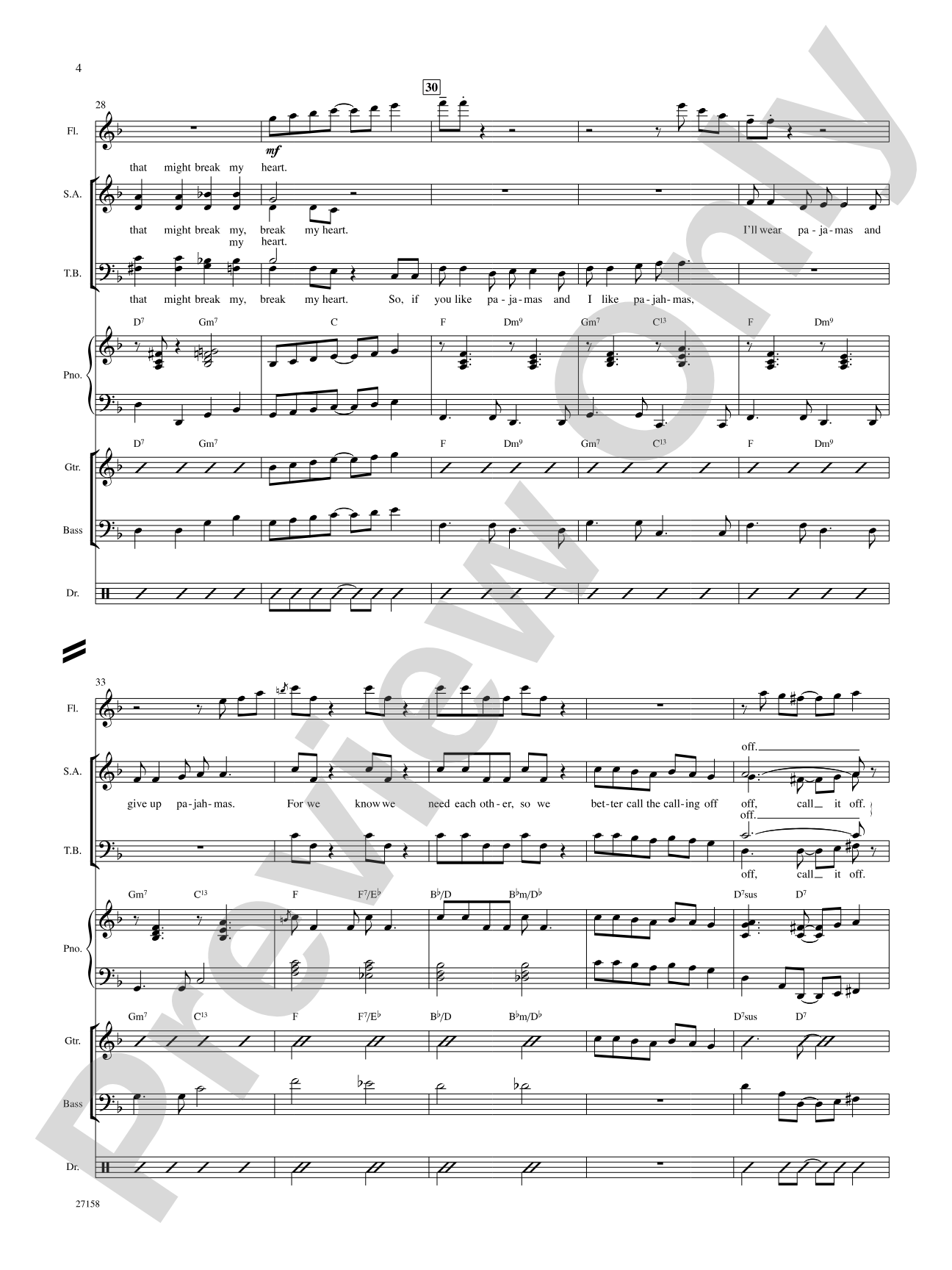

Let's Call the Whole Thing Off: Choral SoundPax
Music and lyrics by George Gershwin and Ira Gershwin / arr. Russell Robinson
Item: 00-PK-0001300

$25.00
One moment…
Related Items
Let's Call the Whole Thing Off: SoundTrax Digital Audio Download |
$27.99
|
View | |
Let's Call the Whole Thing Off: SATB Choral Octavo |
$2.25
|
View | |
Let's Call the Whole Thing Off: SAB Choral Octavo |
$2.25
|
View | |
Let's Call the Whole Thing Off: 2-Part Choral Octavo |
$2.25
|
View | |
Let's Call the Whole Thing Off: SATB Choral Octavo |
$2.25
|
View | |
Let's Call the Whole Thing Off: SAB Choral Octavo |
$2.25
|
View | |
Let's Call the Whole Thing Off: 2-Part Choral Octavo |
$2.25
|
View | |
Let's Call the Whole Thing Off: Choral Octavo SoundTrax CD |
$27.99
|
View | |
Let's Call the Whole Thing Off: Choral SoundPax |
$25.00
|
View |
Description
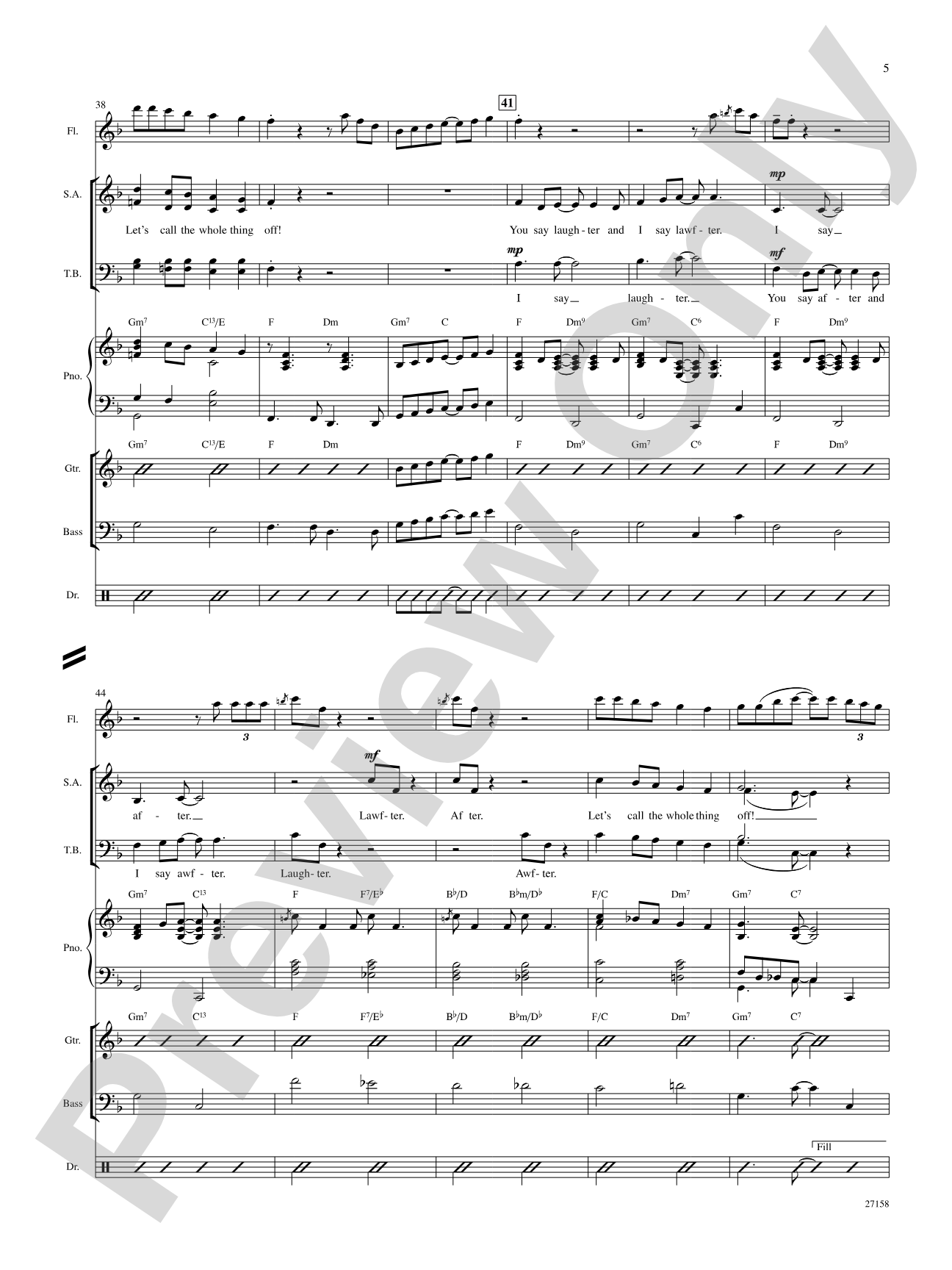
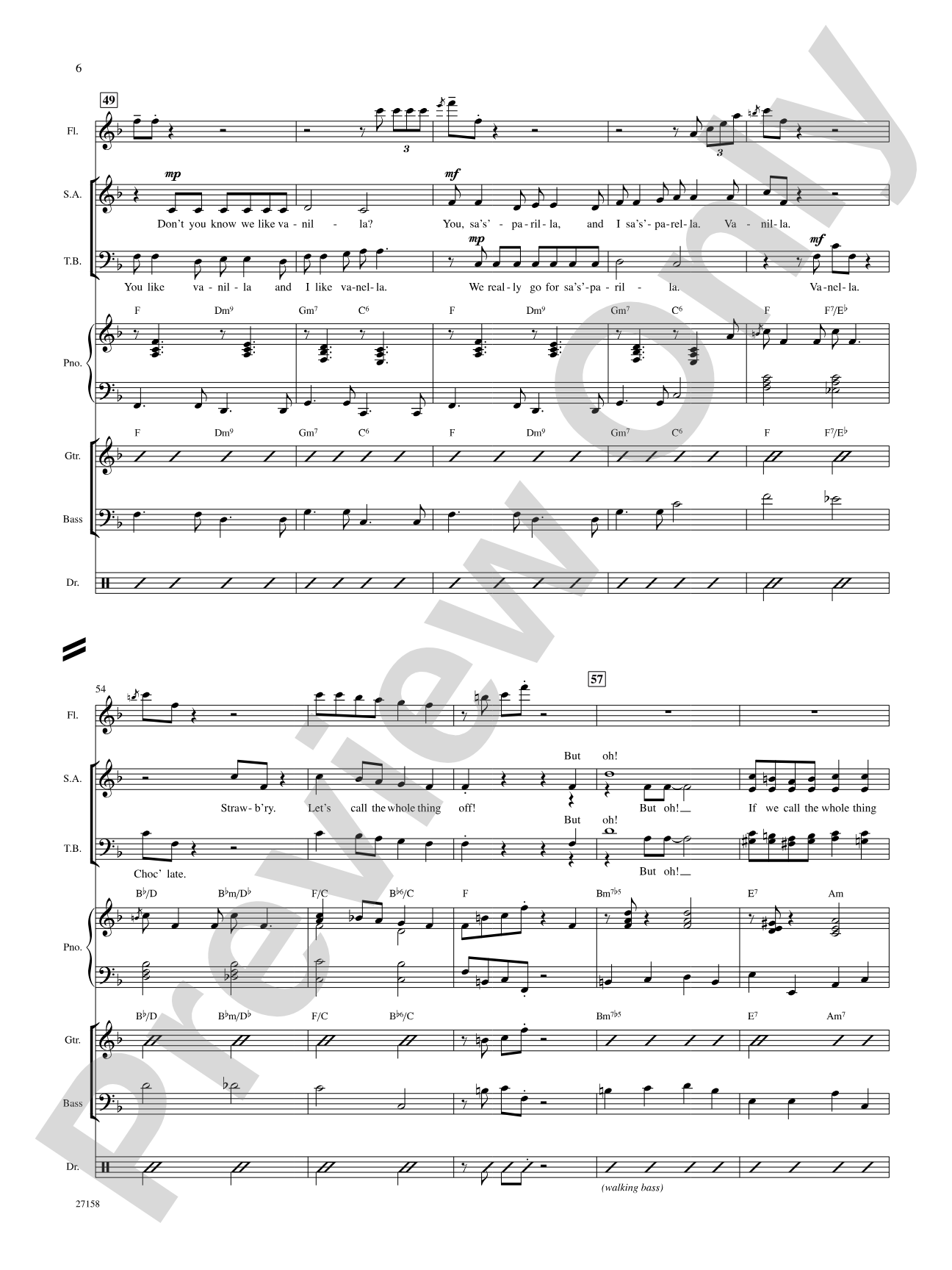
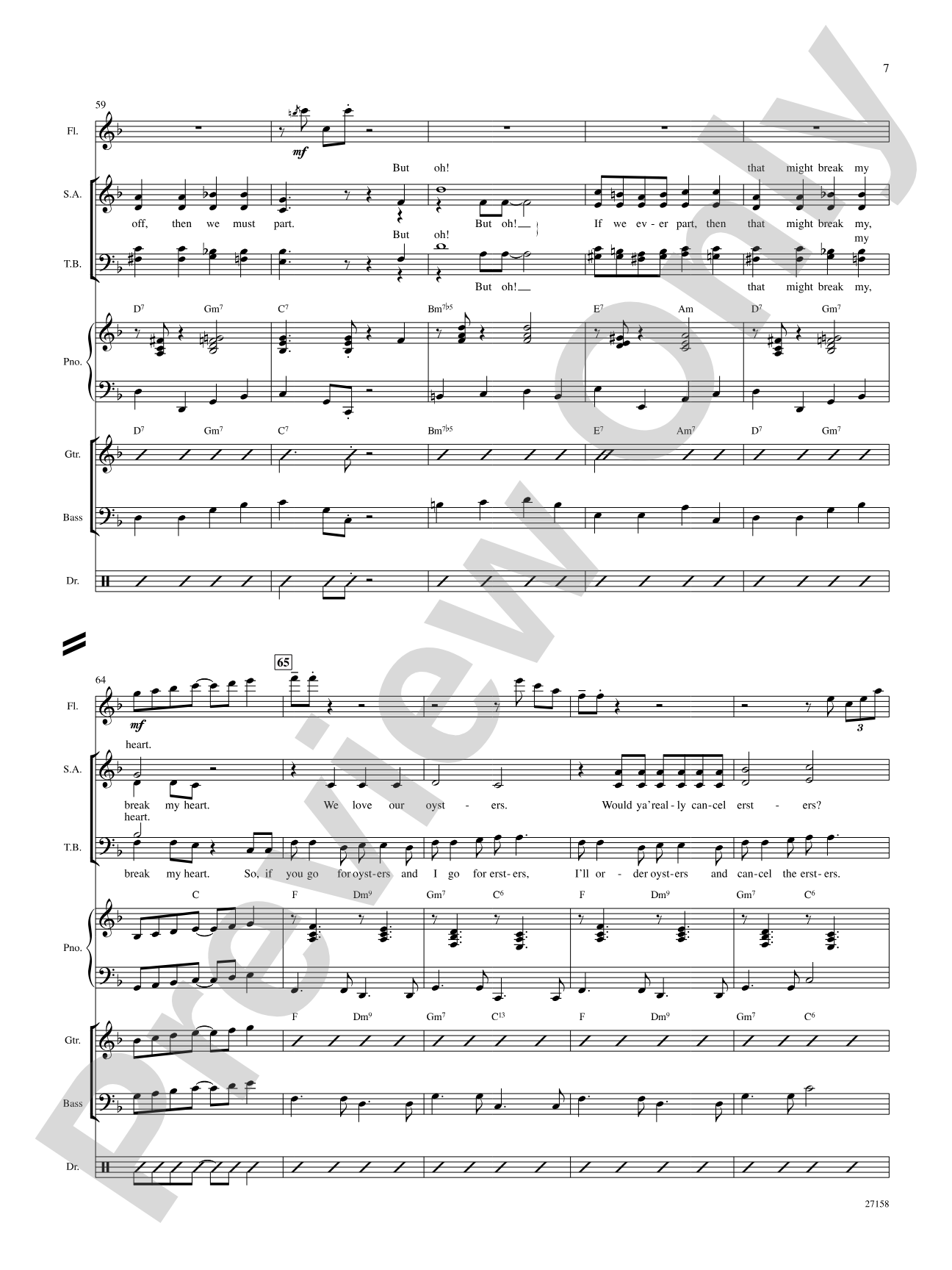
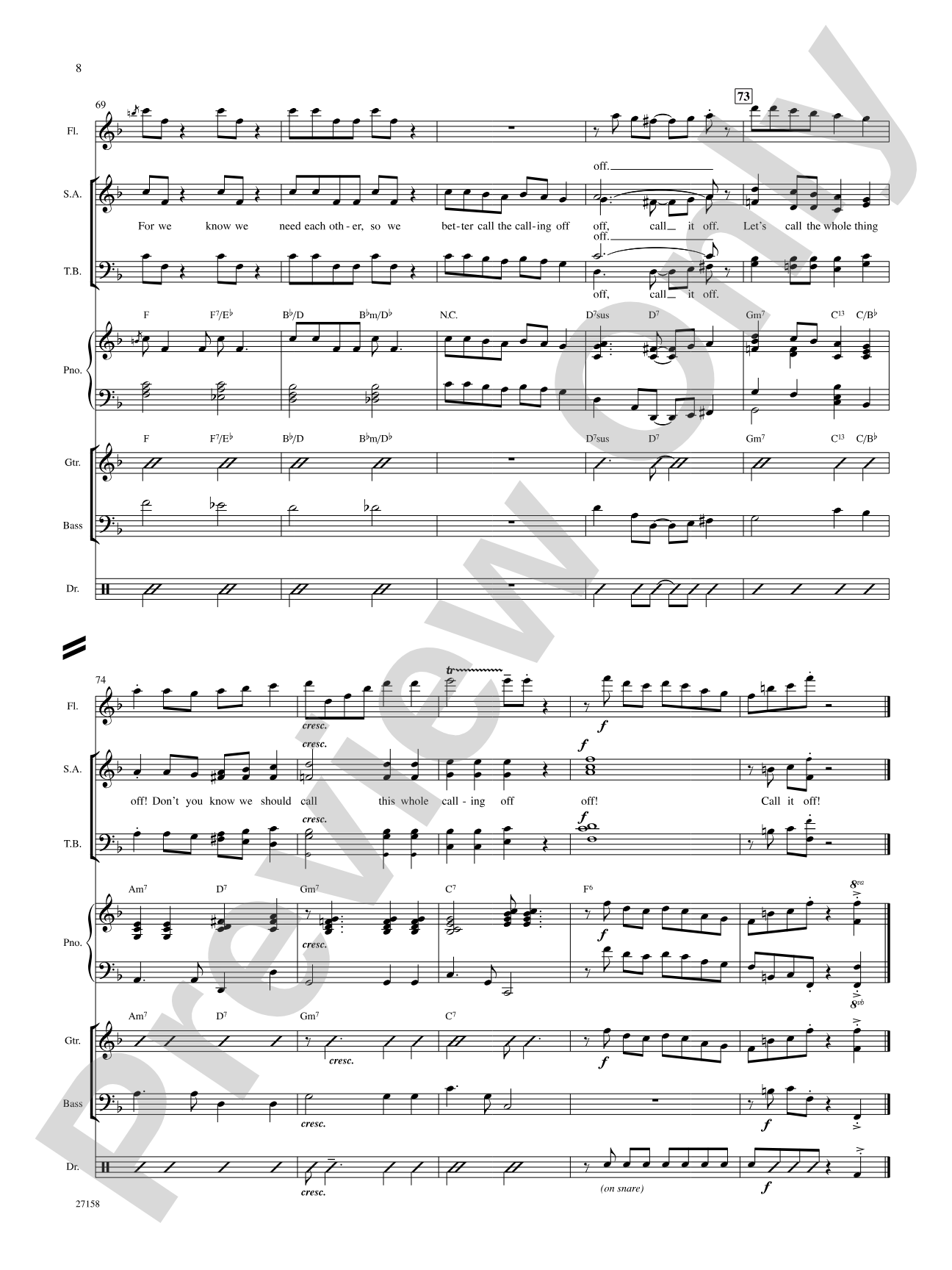
Here's a light, swinging arrangement of a cute George and Ira Gershwin song that's ideal for any age choir. High school groups can sink their teeth into it, middle school groups can really make music with it, and elementary groups can just have fun with it. The clever lyrics ("you say ee-ther and I say eye-ther") are the focus of this piece. Great for jazz/pop groups, too.


Don't just read it, hear it, play along with it, and watch your students grow with it. In MakeMusic Cloud, Let's Call the Whole Thing Off: Choral SoundPax comes alive with professional accompaniment, adjustable tempo, and built-in practice tools that turn solo practice into real progress.
Open in the Player
Jump straight in and assign it today.
Start Your Free Trial
Open this title and explore the full library in minutes.
Sample Audio
1
Audio File
--:--
0:00
0:00
Sample Video
No sample videos found.
Additional Details
Series:
Alfred Pop Choral Series
Publisher:
Alfred Music
Page Count:
16
SKU:
00-PK-0001300
Instrumentation:
SoundPax
More about this title
About the Composer: George Gershwin
George Gershwin (1898-1937) bridged classical composition and American popular music in ways few composers have managed. His ability to write melodies that feel both sophisticated and immediately memorable made him a defining voice of the jazz age, influencing generations of composers who followed.
Gershwin's gift for storytelling through song shaped the Great American Songbook. Working alongside his lyricist brother Ira, he created music that captures the energy and optimism of early twentieth-century America. His pieces remain central to music education because they prove that accessibility and artistic depth are not opposites.
Why we love this
Russell L. Robinson's arrangement keeps the wit and charm of this Gershwin standard front and center while making it genuinely singable across ability levels. The swinging feel and those clever, conversation-driven lyrics give singers something to sink their teeth into beyond just hitting notes, and audiences respond immediately to the humor and personality in the music.
What to expect
The piece bounces with the energy of a good-natured argument between friends. There's swing, brightness, and playfulness throughout, with moments of musical sophistication that belie how approachable it all feels. The overall effect is buoyant and warm, never condescending.
Who it's for
This arrangement serves choirs at every level from elementary through high school and beyond. Younger singers appreciate the fun and accessibility; older singers find the jazz vocabulary and smart lyrical content genuinely engaging. Jazz and pop-focused vocal ensembles will find this a natural fit for their repertoire.
How to get the most out of it
- Lean into the comedic timing of the "ee-ther" versus "eye-ther" dialogue. The lyrics should land with clarity and character; this isn't a ballad where legit phrasing takes priority.
- Shape the phrases with the natural speech rhythms of the text. Let the sung conversation feel conversational, not metrically rigid.
- Use the recorded accompaniment to lock in the groove and swing feel. This arrangement depends on that rhythmic pocket to swing properly.
- Encourage singers to listen to each other across voice parts. The interplay between sections mirrors the playful back-and-forth of the lyrics.
How to use it
Slot this into a concert where you want to shift the mood to something lighter and more contemporary. It pairs well with other Great American Songbook standards or with a broader jazz-influenced set. The comedic strength and audience recognition make it especially effective as an intermission piece or closer on a program that mixes classical and popular repertoire.
Skills your students will build
- Jazz phrasing and swing articulation
- Rhythmic precision in conversational, syncopated passages
- Lyrical clarity and comic timing
- Part independence in homophonic textures
- Blend and balance in ensemble singing with jazz vocabulary