
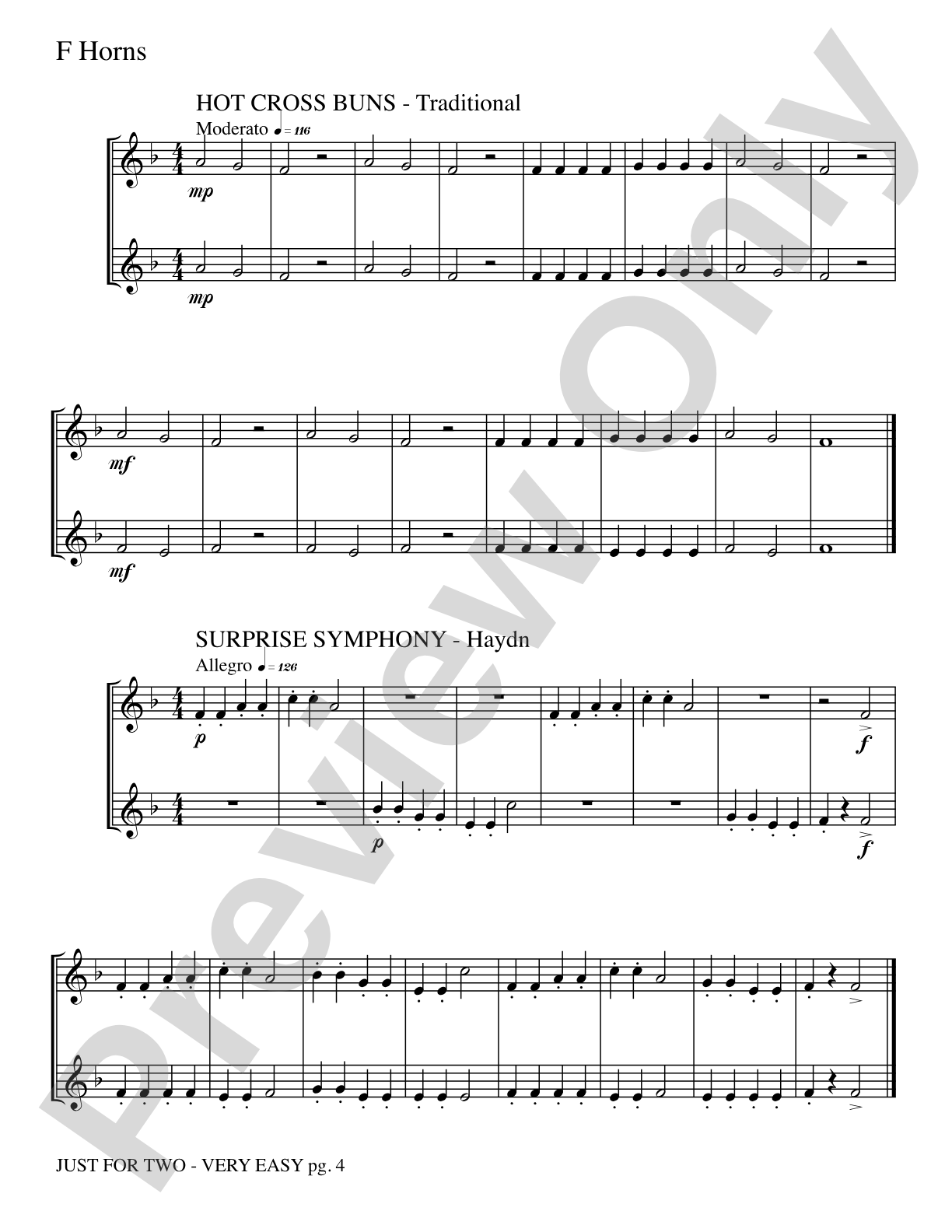
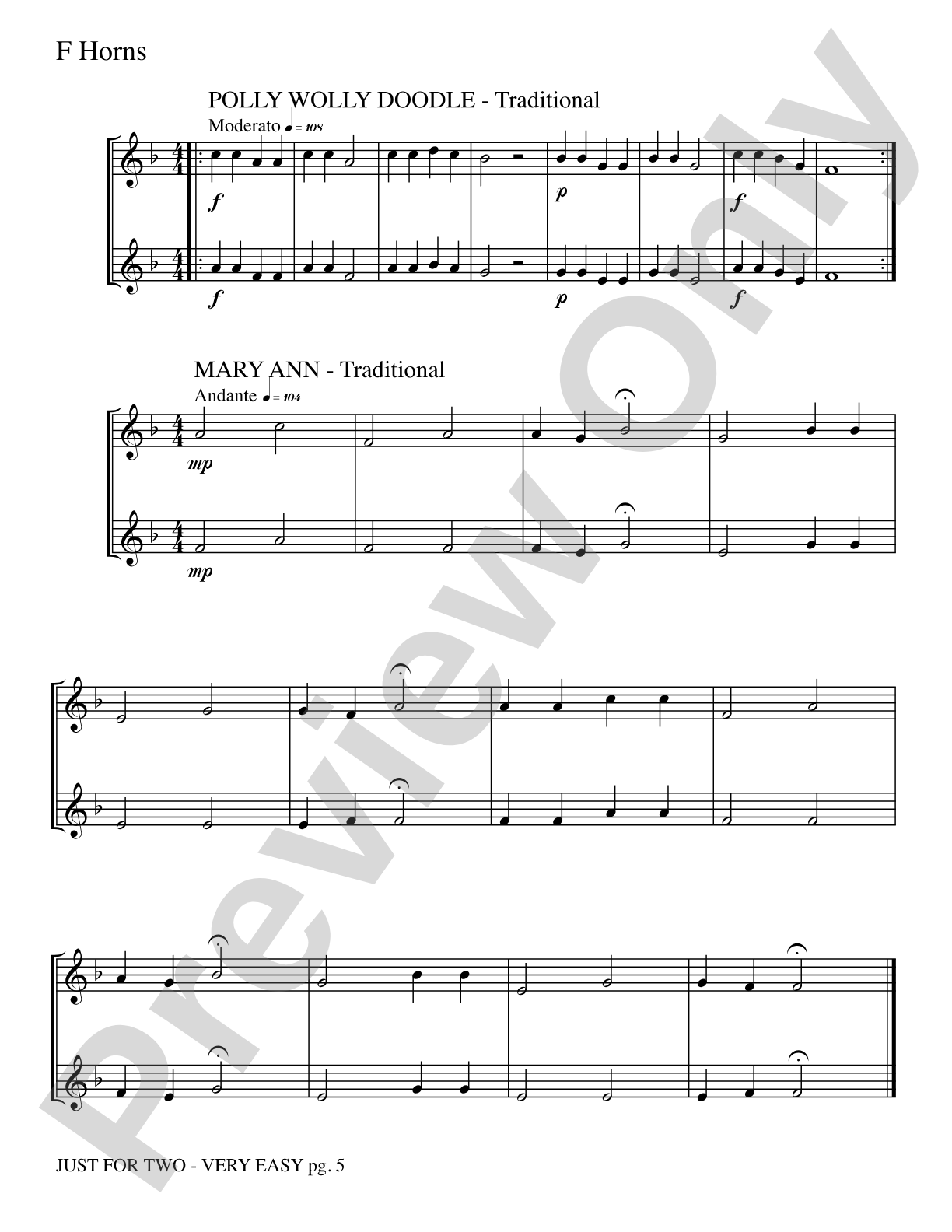
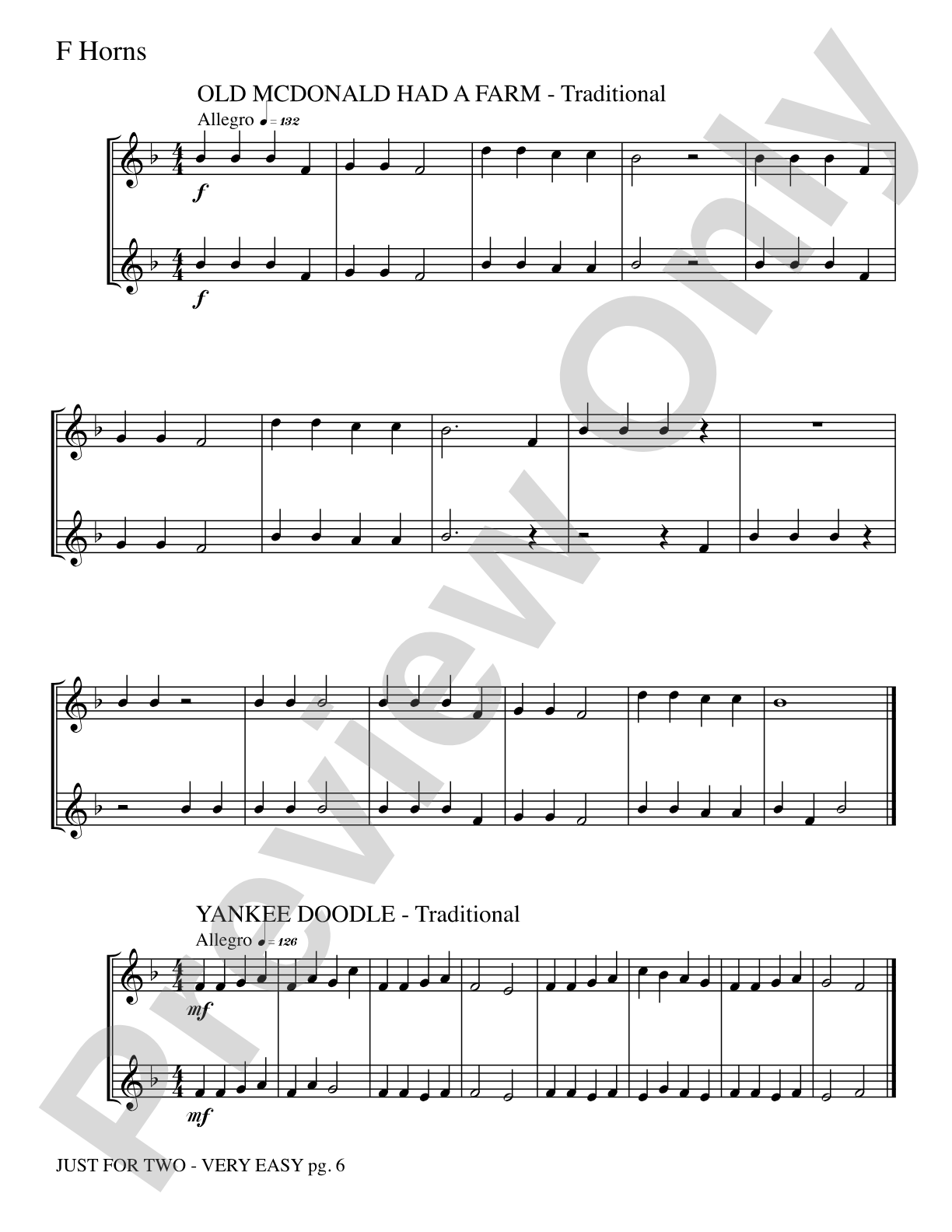
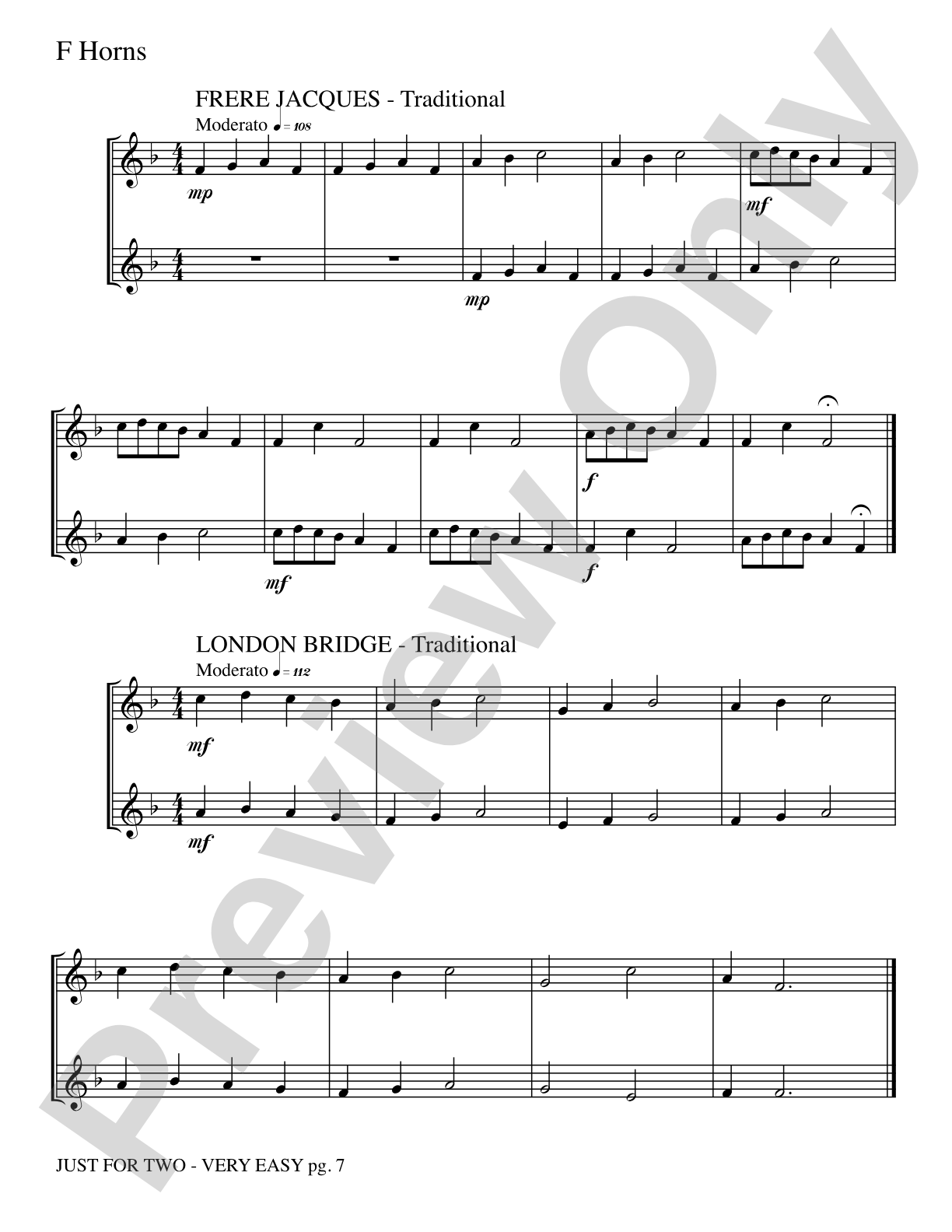
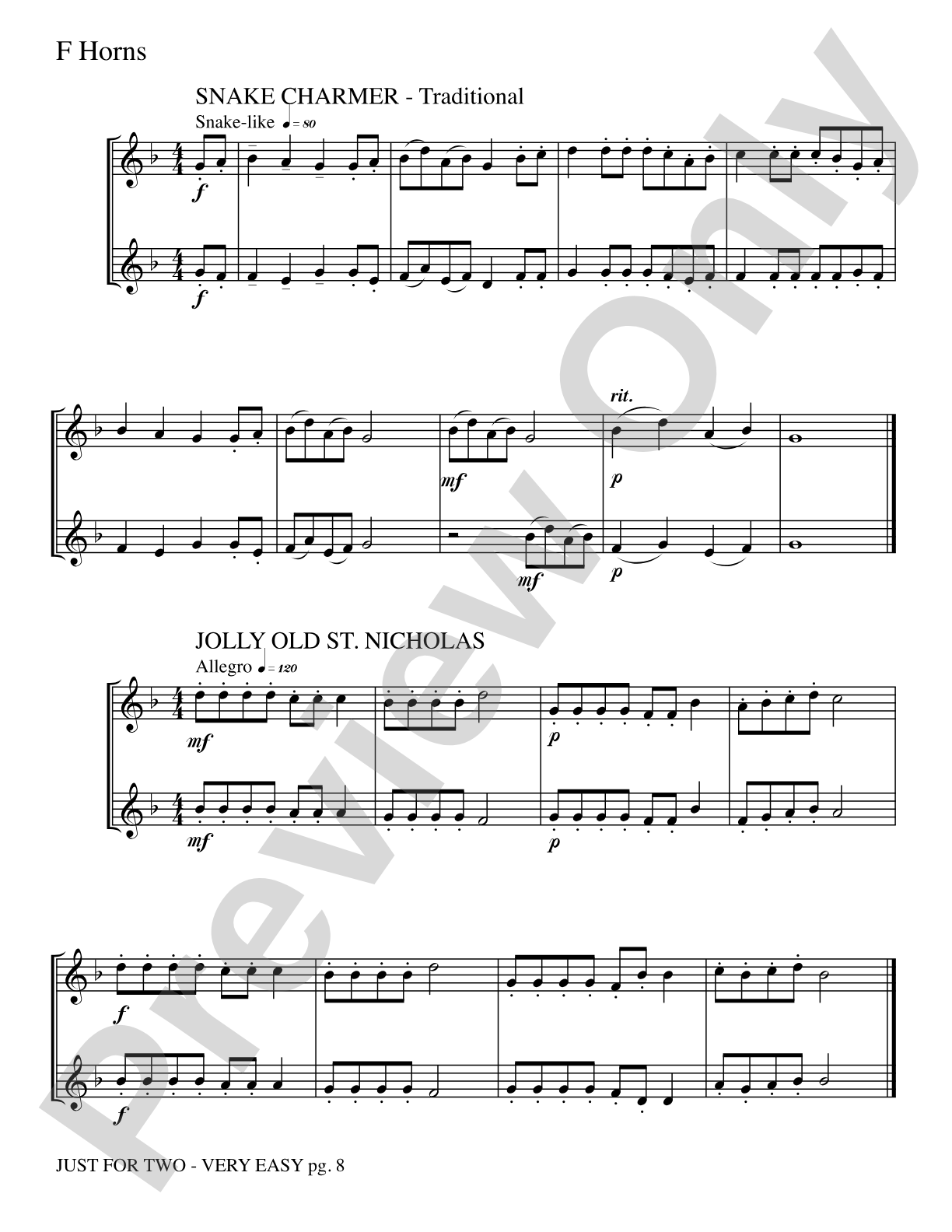
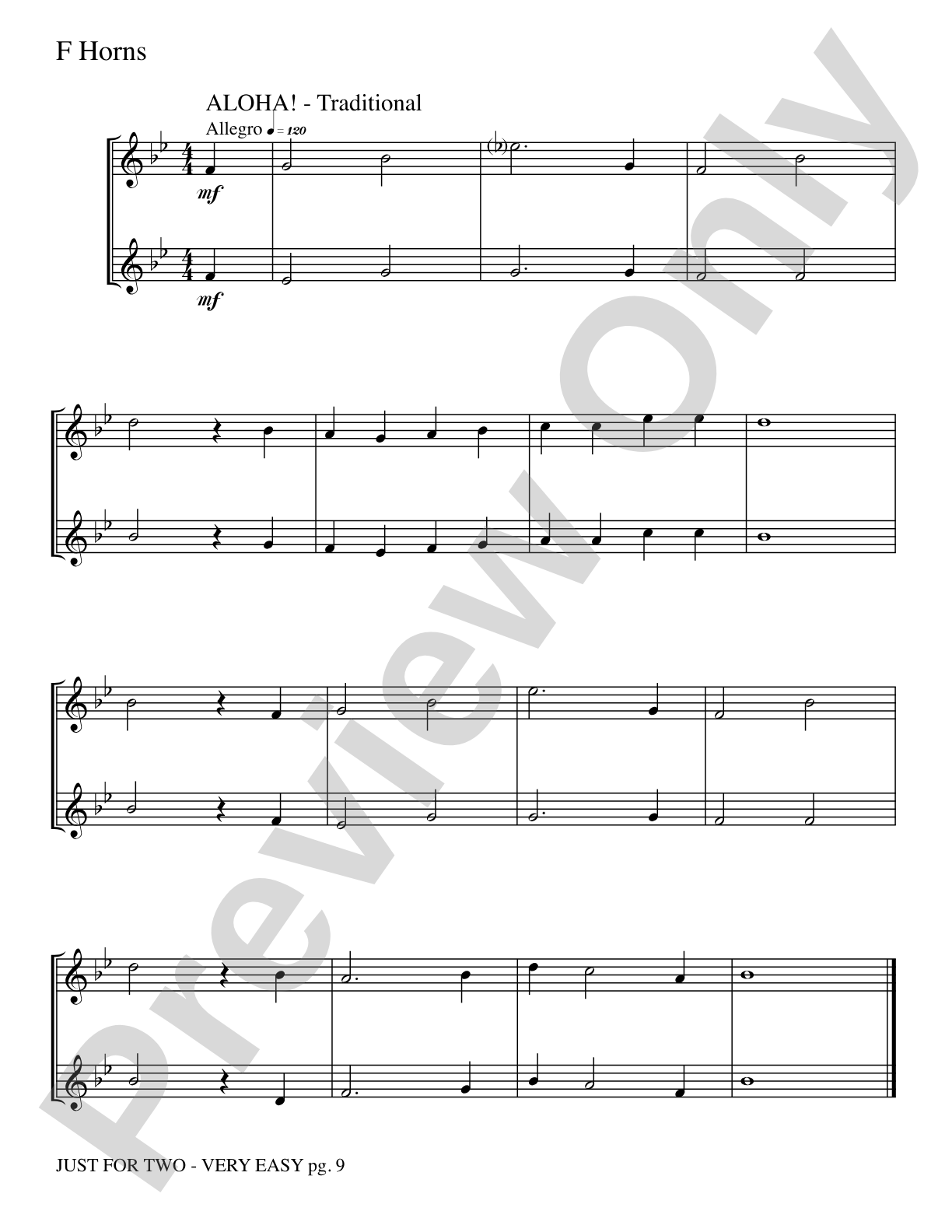
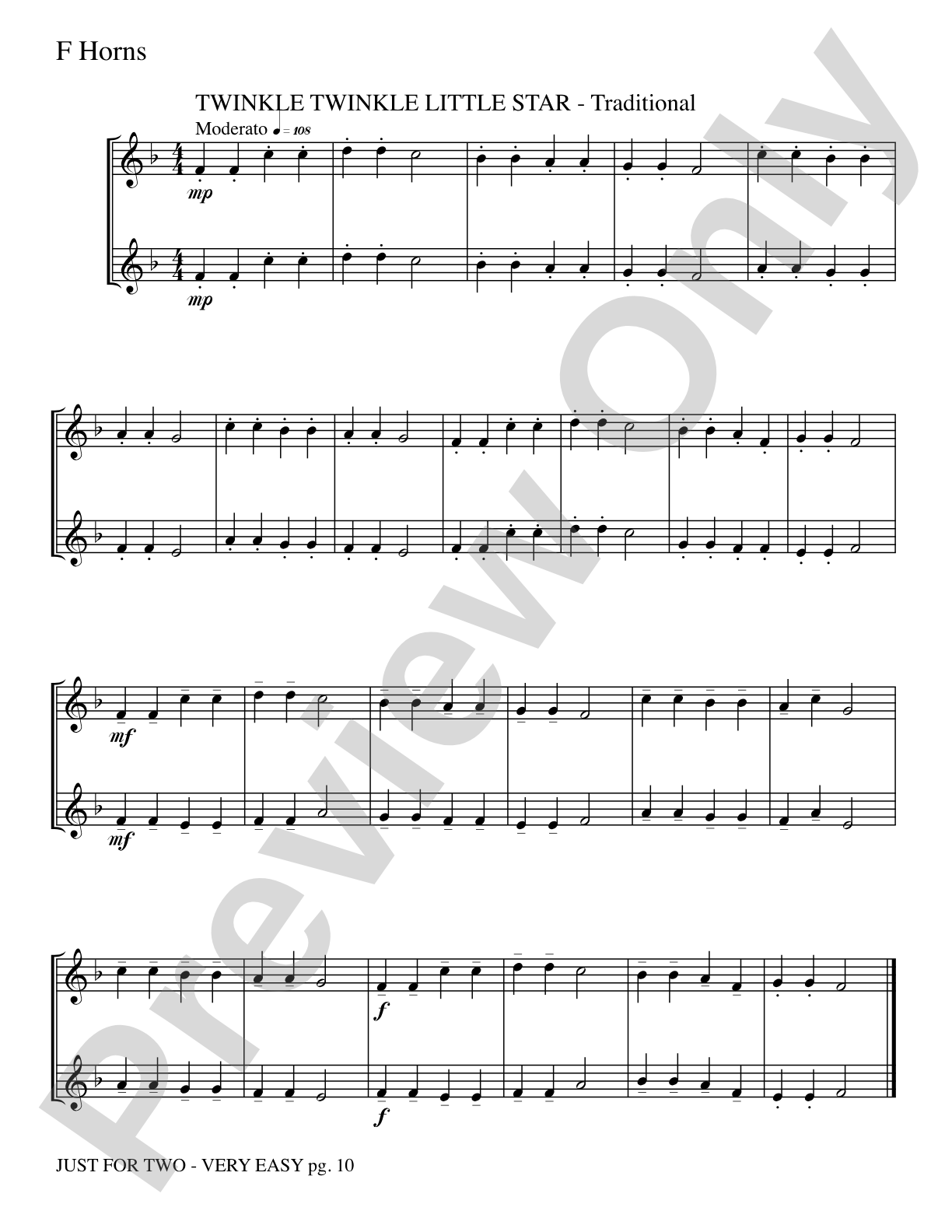
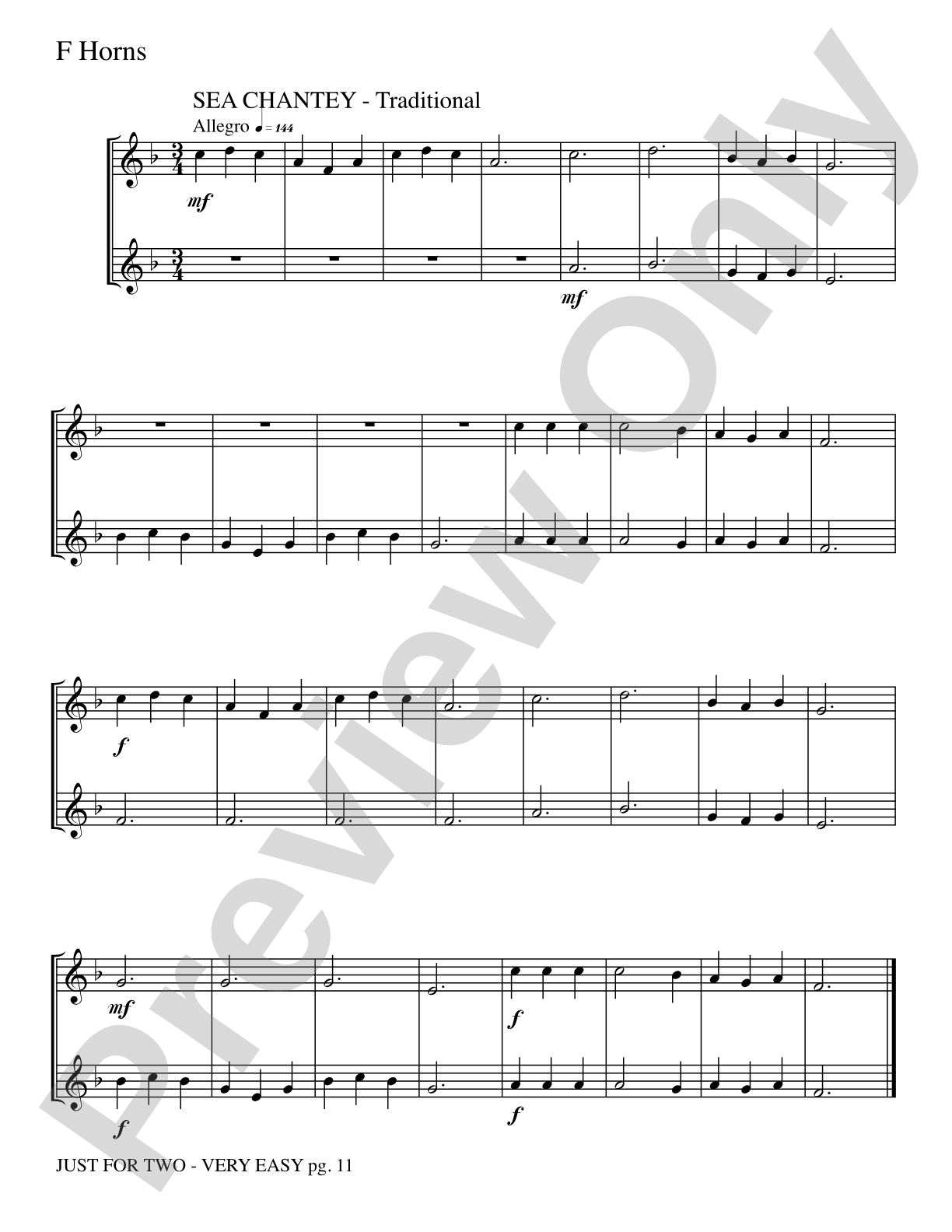



Just for Two: 2 F Horns Part(s)
Various / arr. Elburz Sorkhabi
Level: Very Easy
Item: 81-PK-0000031
$10.00
One moment…
Related Items
Just for Two: 2 Flutes Part(s) |
$10.00
|
View | |
Just for Two: 2 Clarinets Part(s) |
$10.00
|
View | |
Just for Two: 2 Alto Saxophones Part(s) |
$10.00
|
View | |
Just for Two: 2 Trumpets Part(s) |
$10.00
|
View | |
Just for Two: 2 Trombones Part(s) |
$10.00
|
View | |
Just for Two: 2 Tubas Part(s) |
$10.00
|
View | |
Just for Two Very Easy: 2 Flutes Part(s) |
$10.00
|
View | |
Just for Two Very Easy: 2 Clarinets Part(s) |
$10.00
|
View | |
Just for Two Very Easy: 2 Alto Saxophones Part(s) |
$10.00
|
View | |
Just for Two Very Easy: 2 Tenor Saxophones Part(s) |
$10.00
|
View | |
Just for Two Very Easy: 2 Trumpets Part(s) |
$10.00
|
View | |
Just for Two Very Easy: 2 F Horns Part(s) |
$10.00
|
View | |
Just for Two Very Easy: 2 Trombones Part(s) |
$10.00
|
View | |
Just for Two Very Easy: 2 Tubas Part(s) |
$10.00
|
View |
Description
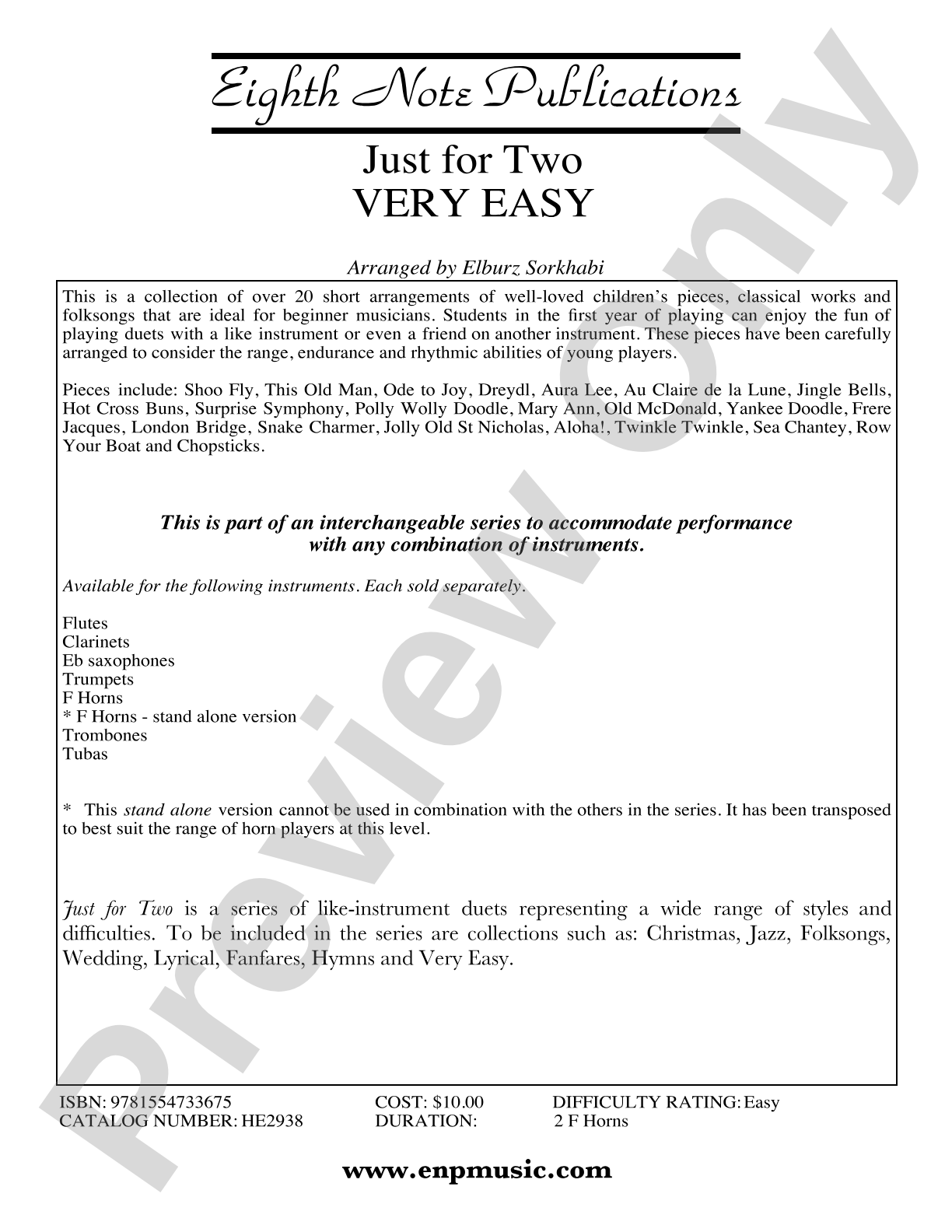
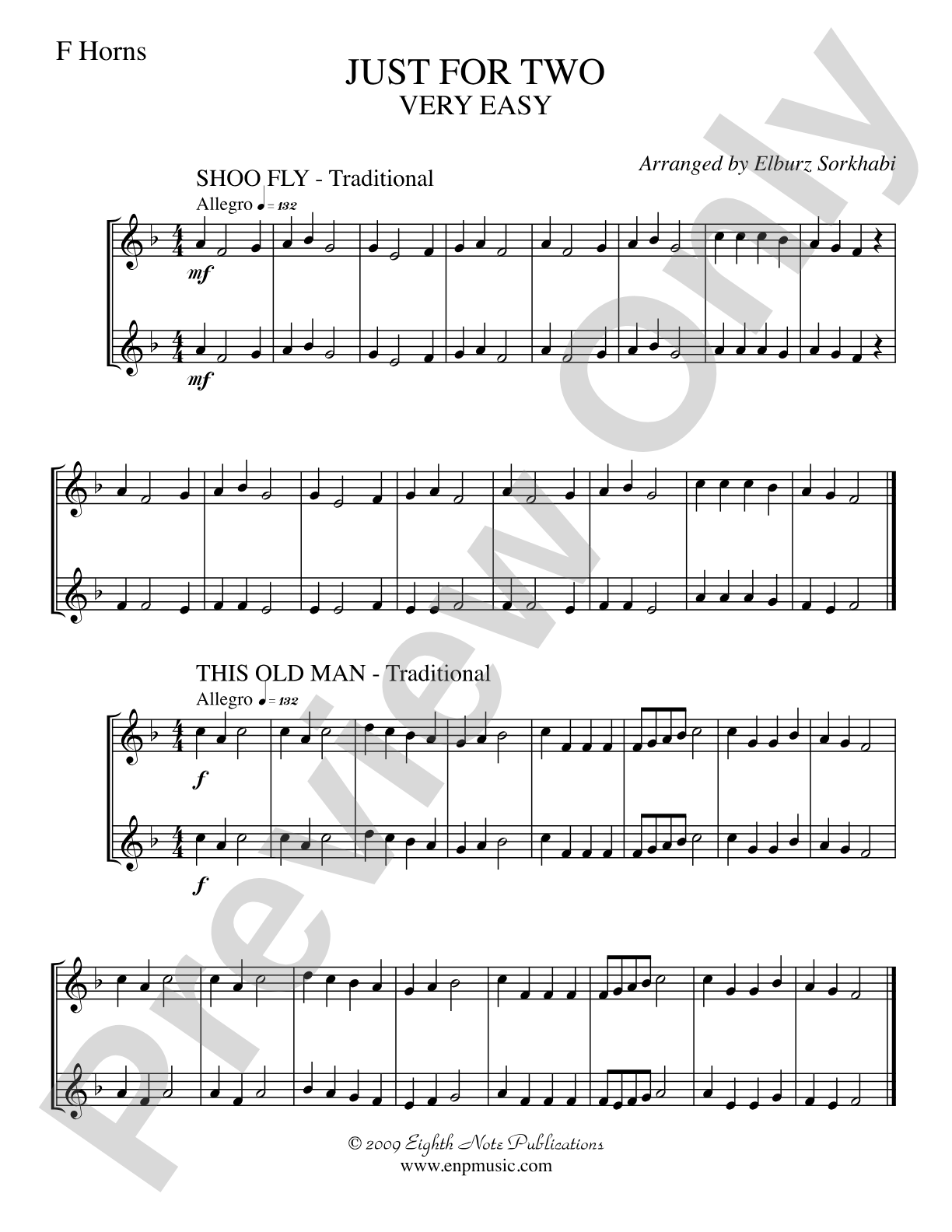
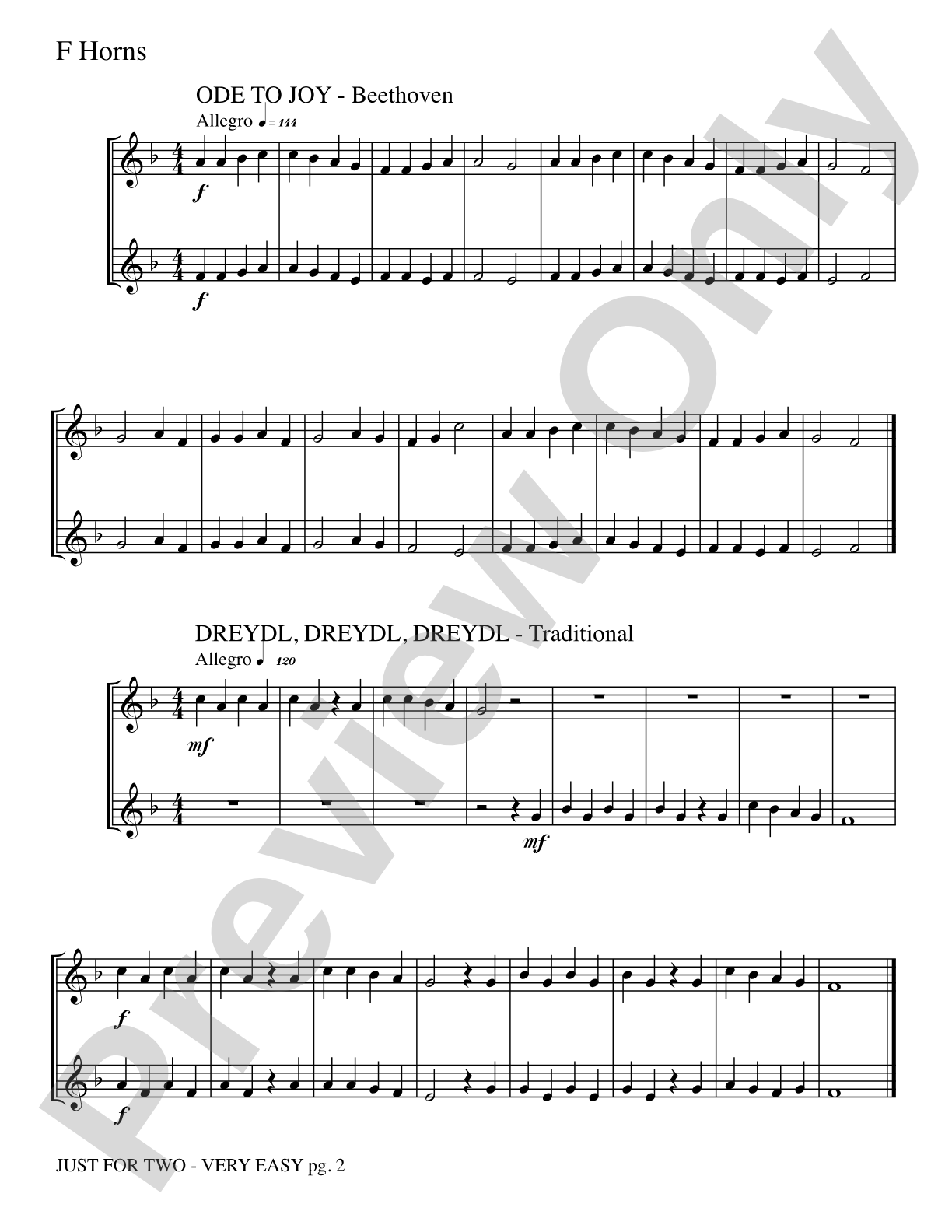
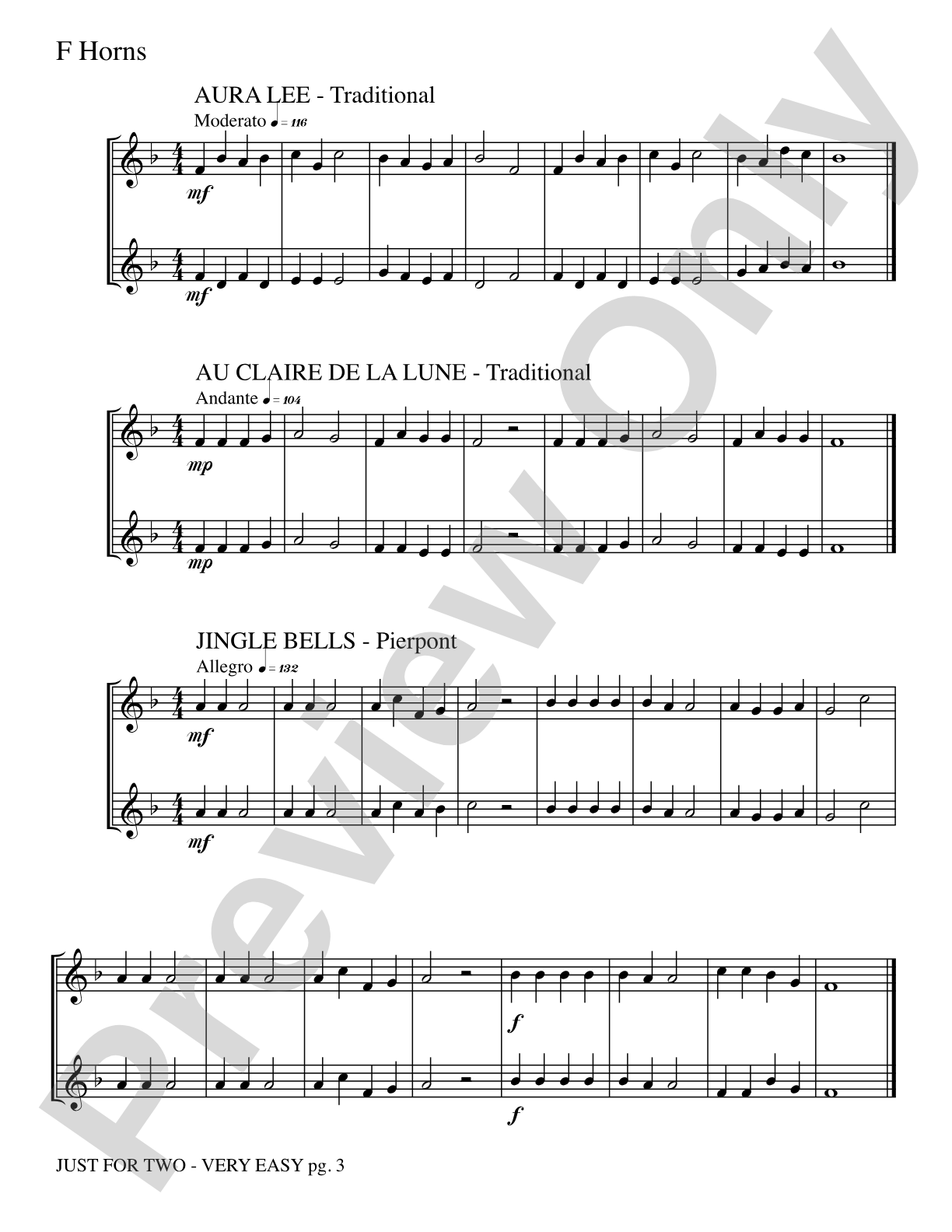
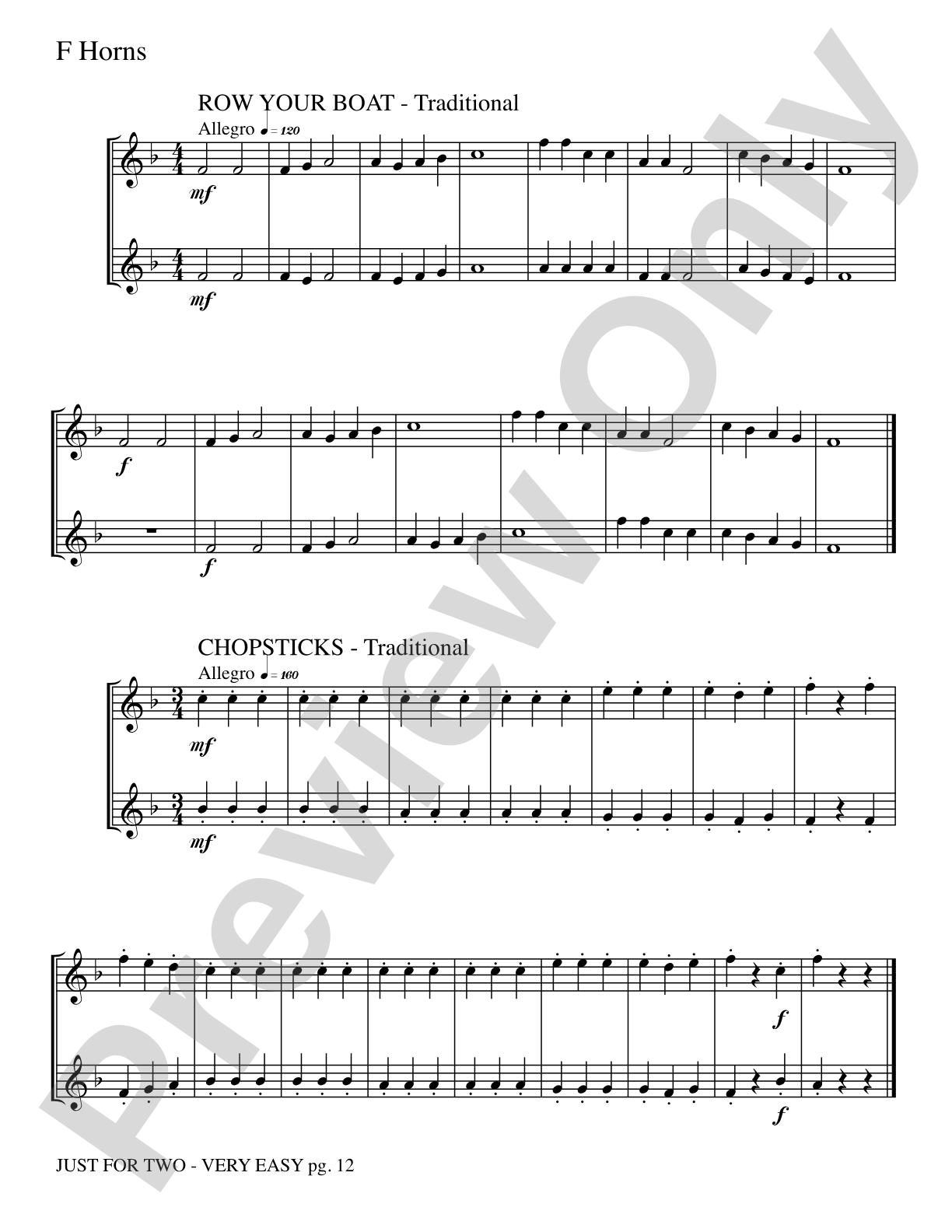
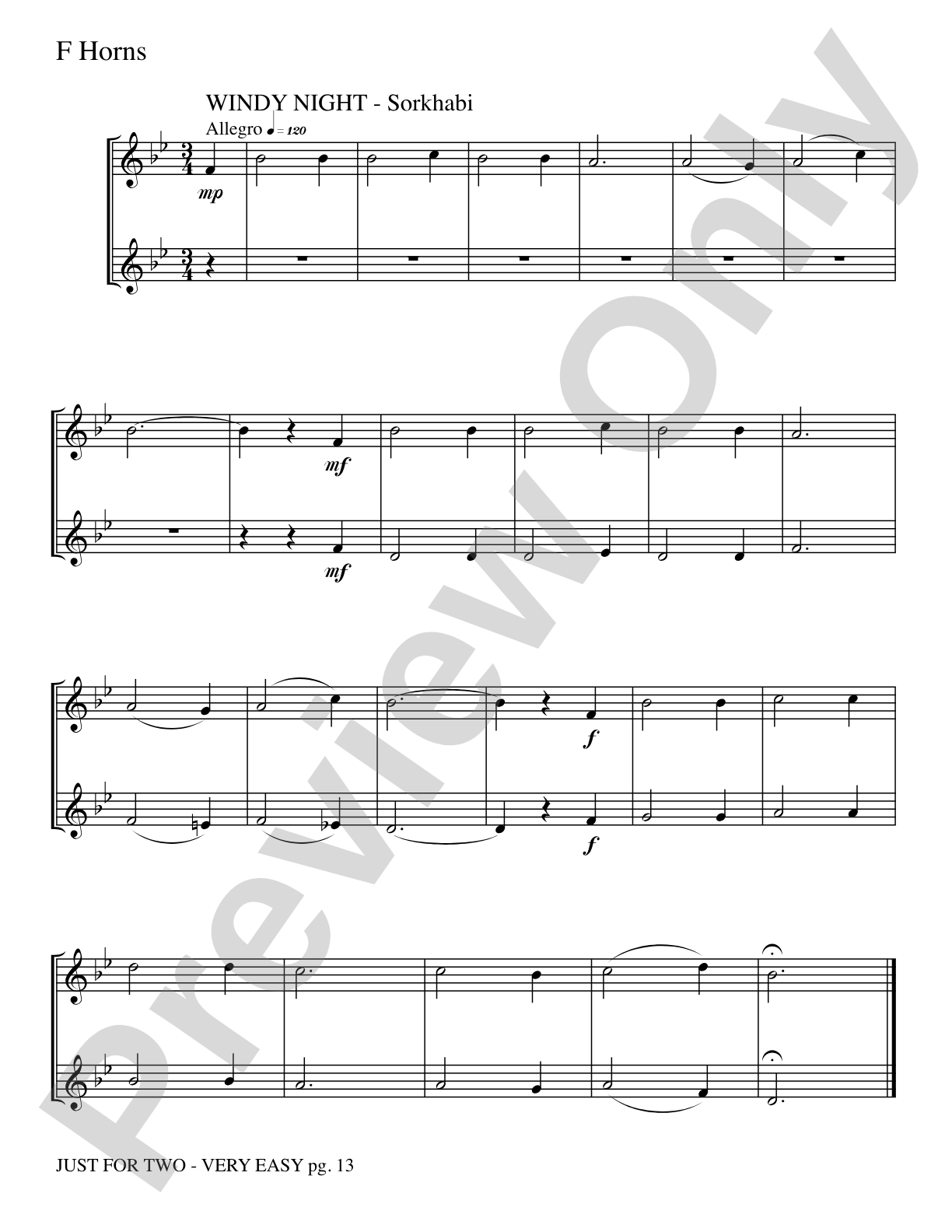
This is a collection of over 20 short arrangements of well-loved children's pieces, classical works, and folk songs that are ideal for beginner musicians. Students in the first year of playing can enjoy the fun of playing duets with another like-instrument. Pieces include: Shoo Fly * This Old Man * Ode to Joy * Dreydl * Aura Lee * Au Claire de la Lune * Jingle Bells * Hot Cross Buns * Surprise Symphony * Polly Wolly Doodle * Mary Ann * Old McDonald * Yankee Doodle * Frere Jacques* *London Bridge * Snake Charmer * Jolly Old St. Nicholas * Aloha! * Twinkle, Twinkle * Sea Chantey * Row Your Boat * Chopsticks.


Just for Two: 2 F Horns Part(s) isn't in MakeMusic Cloud just yet...but it could be. Let us know you'd like to see it, and you'll help shape what comes next. In the meantime, start a free trial and dive into thousands of interactive titles your students can play along with today.
Request This Title
Tell us you want it.
Start Your Free Trial
Explore everything that's ready to play right now.
Sample Audio
1
Aloha
--:--
2
Au Claire de la Lune
--:--
3
Aura Lee
--:--
4
Chopsticks
--:--
5
Dreydl
--:--
6
Frere Jacques
--:--
7
Hot Cross Buns
--:--
8
Jingle Bells
--:--
9
Jolly Old St Nicholas
--:--
10
London Bridge
--:--
11
Mary Ann
--:--
12
Ode to Joy
--:--
13
Old McDonald
--:--
14
Polly Wolly Doodle
--:--
15
Row Your Boat
--:--
16
Sea Chantey
--:--
17
Shoo Fly
--:--
18
Snake Charmer
--:--
19
Surprise Symphony
--:--
20
This Old Man
--:--
21
Twinkle Twinkle
--:--
22
Windy Night
--:--
23
Yankee Doodle
--:--
Aloha
0:00
0:00
Sample Video
No sample videos found.
Additional Details
Series:
Eighth Note Publications
Publisher:
Eighth Note Publications
Page Count:
16
SKU:
81-PK-0000031
Instrumentation:
2 F Horns
More about this title
Why we love this
Sorkhabi understands what beginning horn students need: accessible arrangements that sound musical without requiring advanced technique. The collection spans recognizable melodies across multiple genres, so students stay engaged whether they're playing nursery rhymes, holiday favorites, or gateway classical pieces. Each duet is genuinely playable from day one, which means your students actually finish pieces rather than abandoning them halfway through.
What to expect
These arrangements capture the warmth of familiar melodies without adding complexity that would overwhelm beginning brass players. There's genuine pleasure in discovering how "Twinkle, Twinkle" or "Jingle Bells" comes alive with two voices, even when those voices are still finding their confidence on the instrument. The duet format creates a partnership rather than a spotlight moment, which often reduces performance anxiety for younger musicians.
Who it's for
First-year horn students who benefit from the social and musical reward of playing duets with a peer. Because both parts remain in first-year range, a section of beginning hornists can play in pairs without waiting for more advanced students to join them. This collection is equally suitable for private studio instruction, where a teacher might use one part while the student plays the other.
How to get the most out of it
- Balance the two parts by having students adjust their dynamic levels during rehearsal. The primo (top) part doesn't automatically deserve the louder voice; listen and adjust so both players blend equally.
- Mark the breathing points clearly in both parts before the first rehearsal. Coordinated breath breaks prevent one player from holding over while the other gasps.
- Record a simple piano accompaniment or use a metronome during early rehearsals. The external reference keeps both players locked together while their internal pulse is still developing.
- Rotate parts between rehearsals so each student plays both primo and secondo. This builds awareness of how duet parts interact and prevents students from becoming locked into one role.
How to use it
Use these duets as concert openers or interludes, where the innocent charm of the melodies offers a relaxing moment for the audience and low-stakes performance practice for your students. Sprinkle them throughout the school year as sight-reading repertoire during sectionals, or assign pairs to learn one duet per month as a low-pressure alternative to solo recital requirements.
Skills your students will build
- Reading and performing duet parts with rhythmic and melodic independence
- Listening to a second player while maintaining individual tuning and intonation
- Sustaining longer phrases across multiple measures
- Understanding how two melodic lines complement each other in arrangement
- Building confidence through ensemble playing without the pressure of a large group