



Just for Two: 2 Flutes Part(s)
Various / arr. Elburz Sorkhabi
Level: Very Easy
Item: 81-PK-0000028
$10.00
One moment…
Related Items
Just for Two: 2 Clarinets Part(s) |
$10.00
|
View | |
Just for Two: 2 Alto Saxophones Part(s) |
$10.00
|
View | |
Just for Two: 2 Trumpets Part(s) |
$10.00
|
View | |
Just for Two: 2 F Horns Part(s) |
$10.00
|
View | |
Just for Two: 2 Trombones Part(s) |
$10.00
|
View | |
Just for Two: 2 Tubas Part(s) |
$10.00
|
View | |
Just for Two Very Easy: 2 Flutes Part(s) |
$10.00
|
View | |
Just for Two Very Easy: 2 Clarinets Part(s) |
$10.00
|
View | |
Just for Two Very Easy: 2 Alto Saxophones Part(s) |
$10.00
|
View | |
Just for Two Very Easy: 2 Tenor Saxophones Part(s) |
$10.00
|
View | |
Just for Two Very Easy: 2 Trumpets Part(s) |
$10.00
|
View | |
Just for Two Very Easy: 2 F Horns Part(s) |
$10.00
|
View | |
Just for Two Very Easy: 2 Trombones Part(s) |
$10.00
|
View | |
Just for Two Very Easy: 2 Tubas Part(s) |
$10.00
|
View |
Description
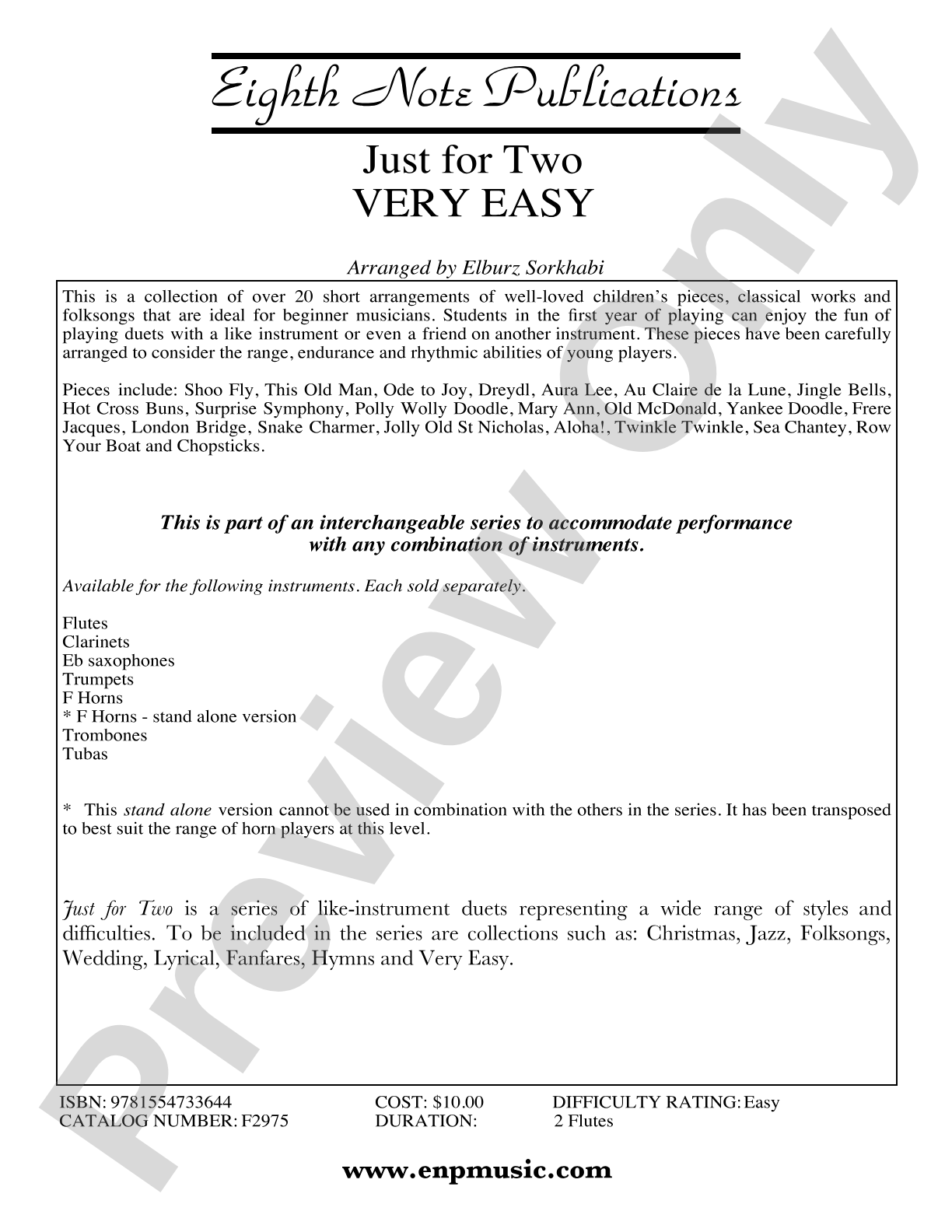
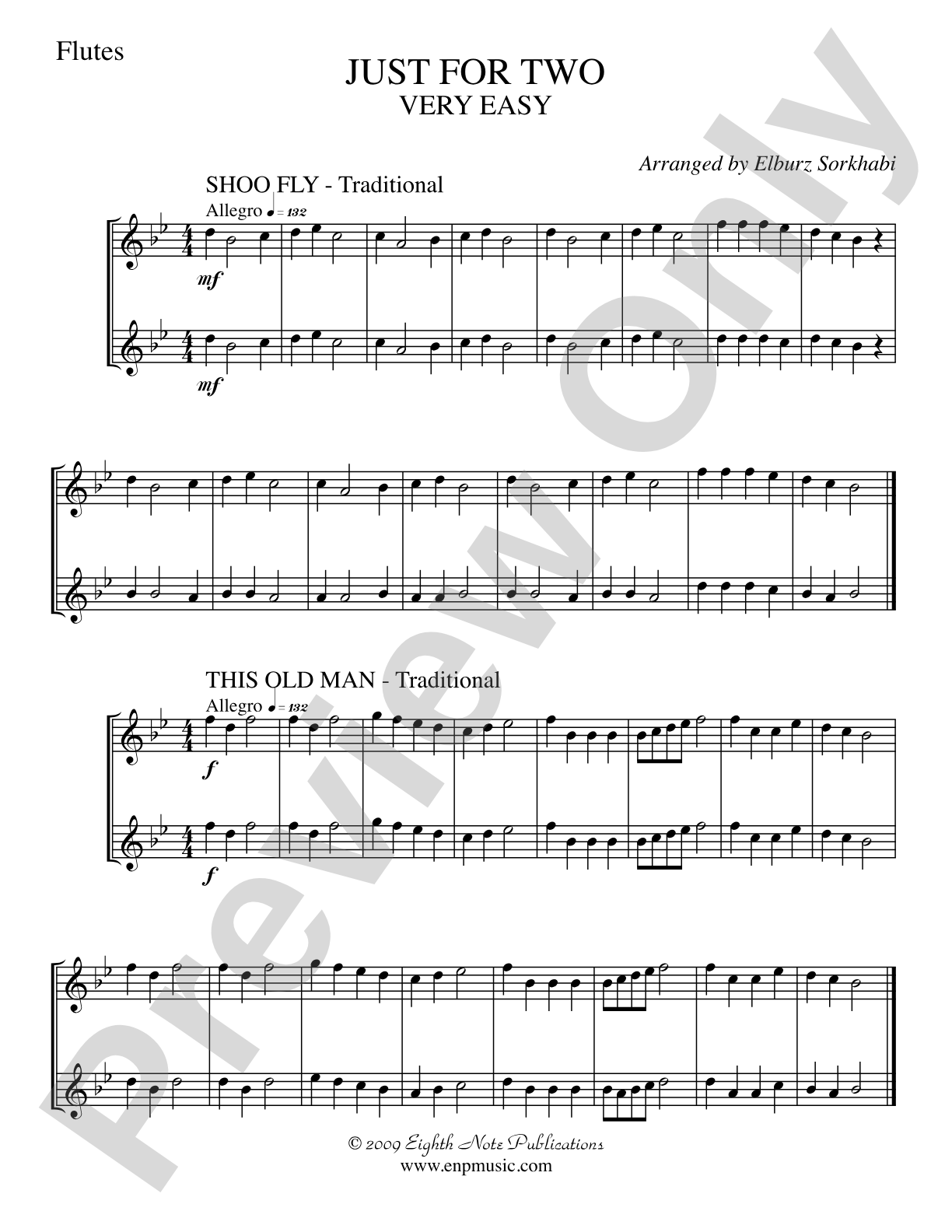
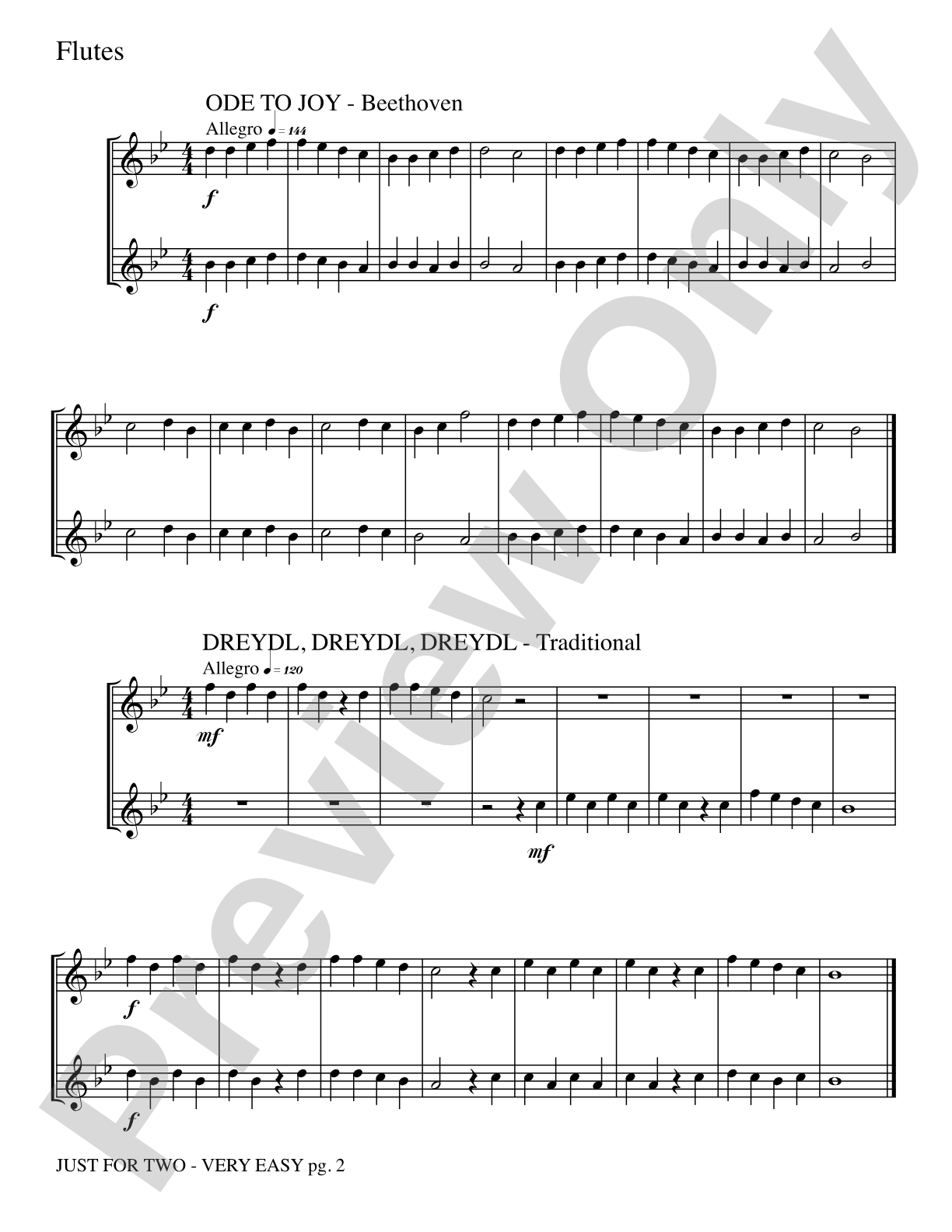
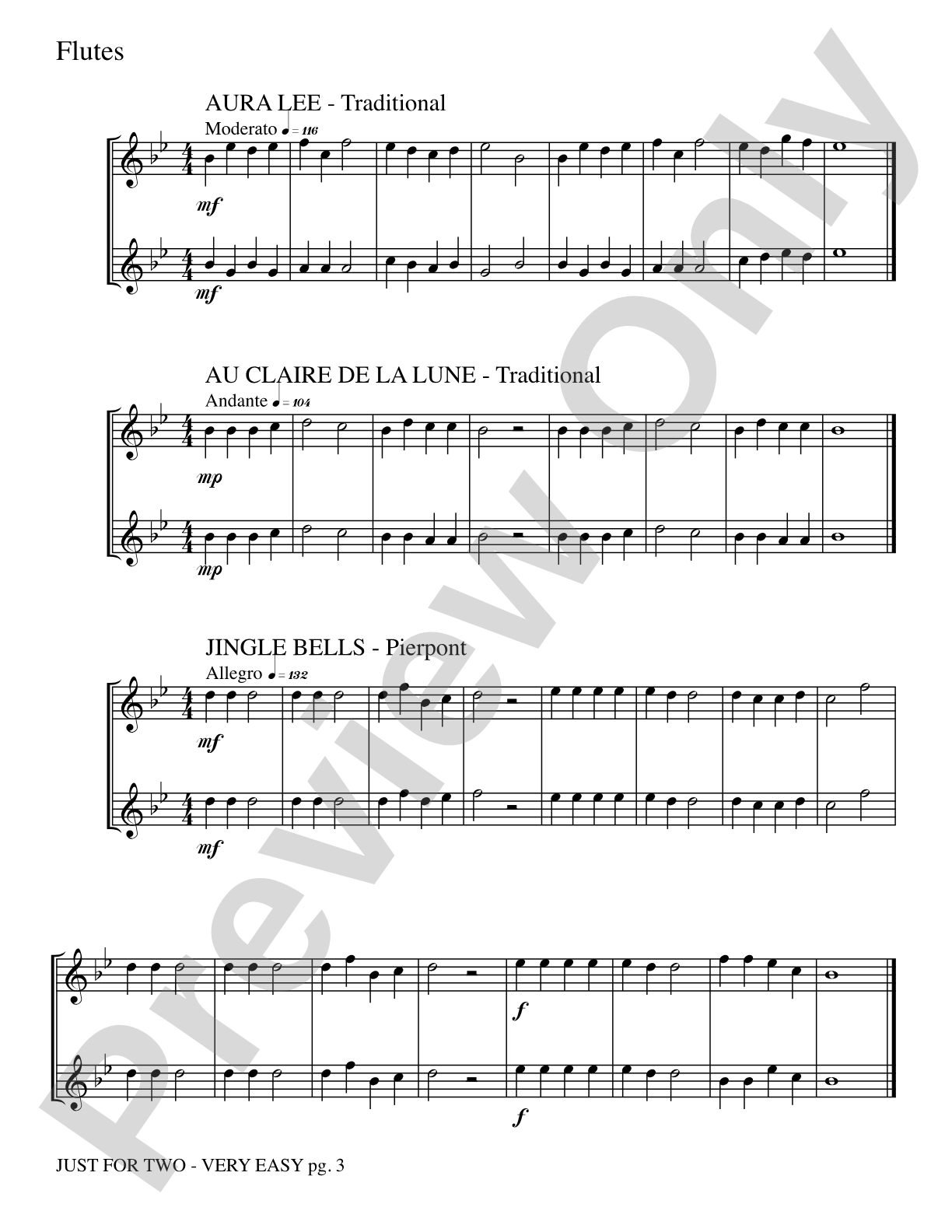
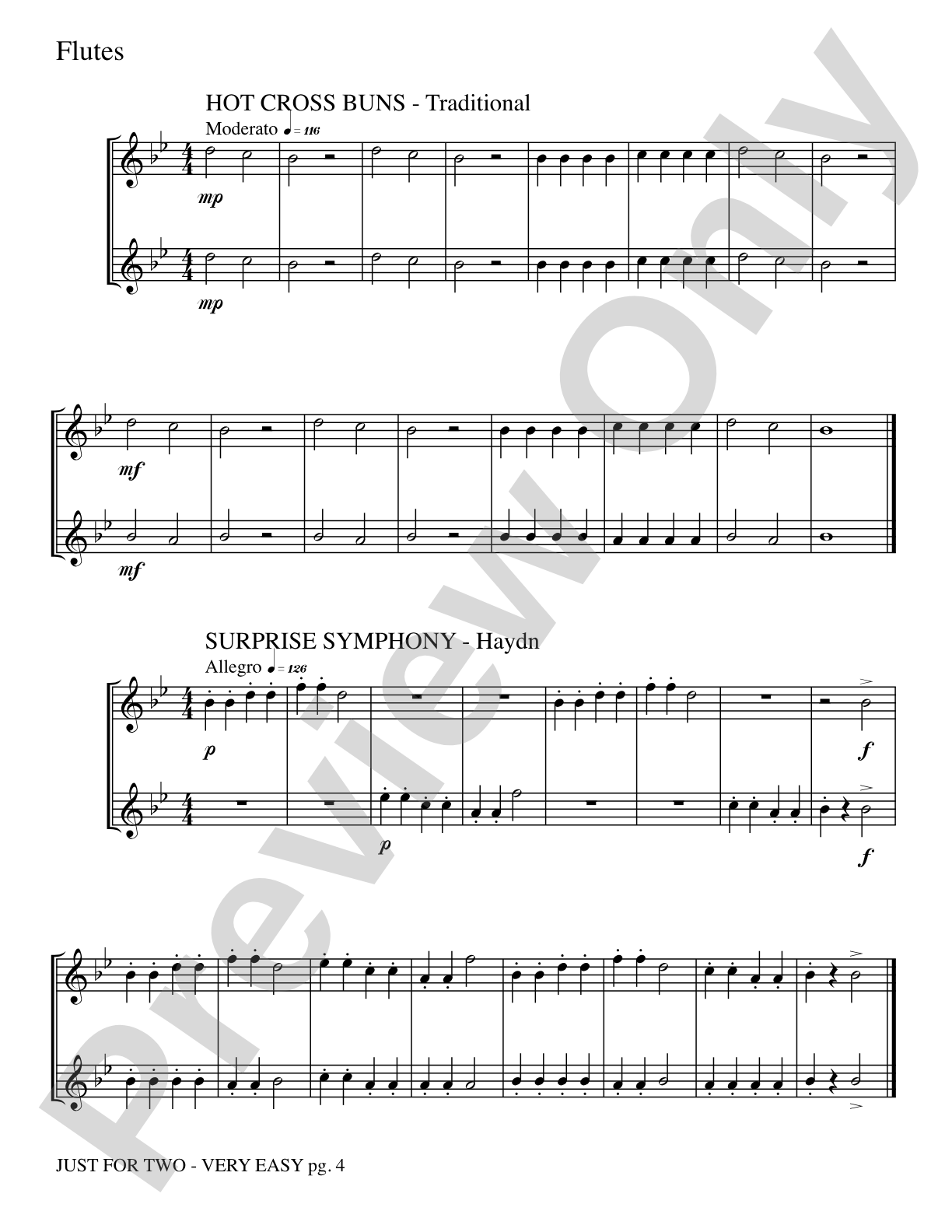
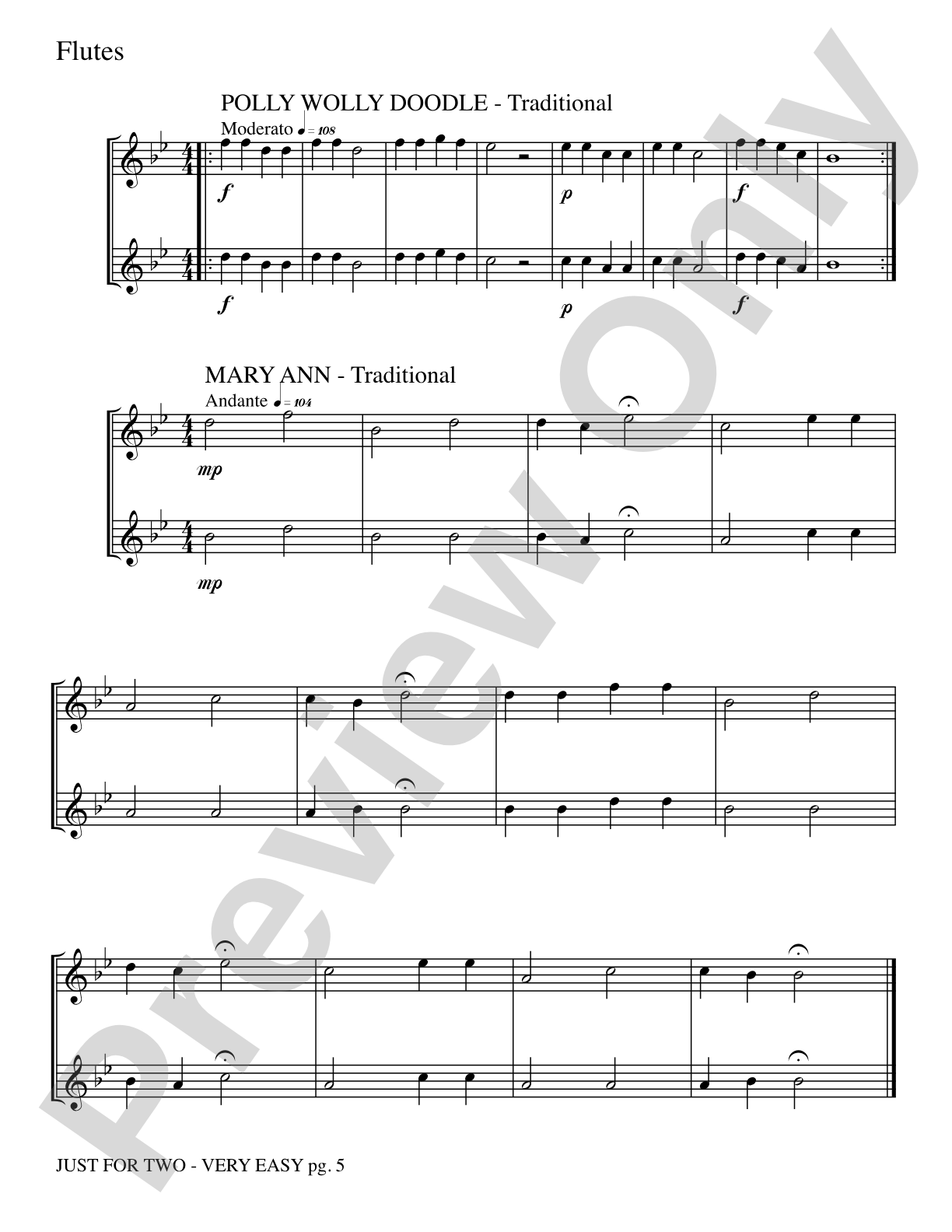
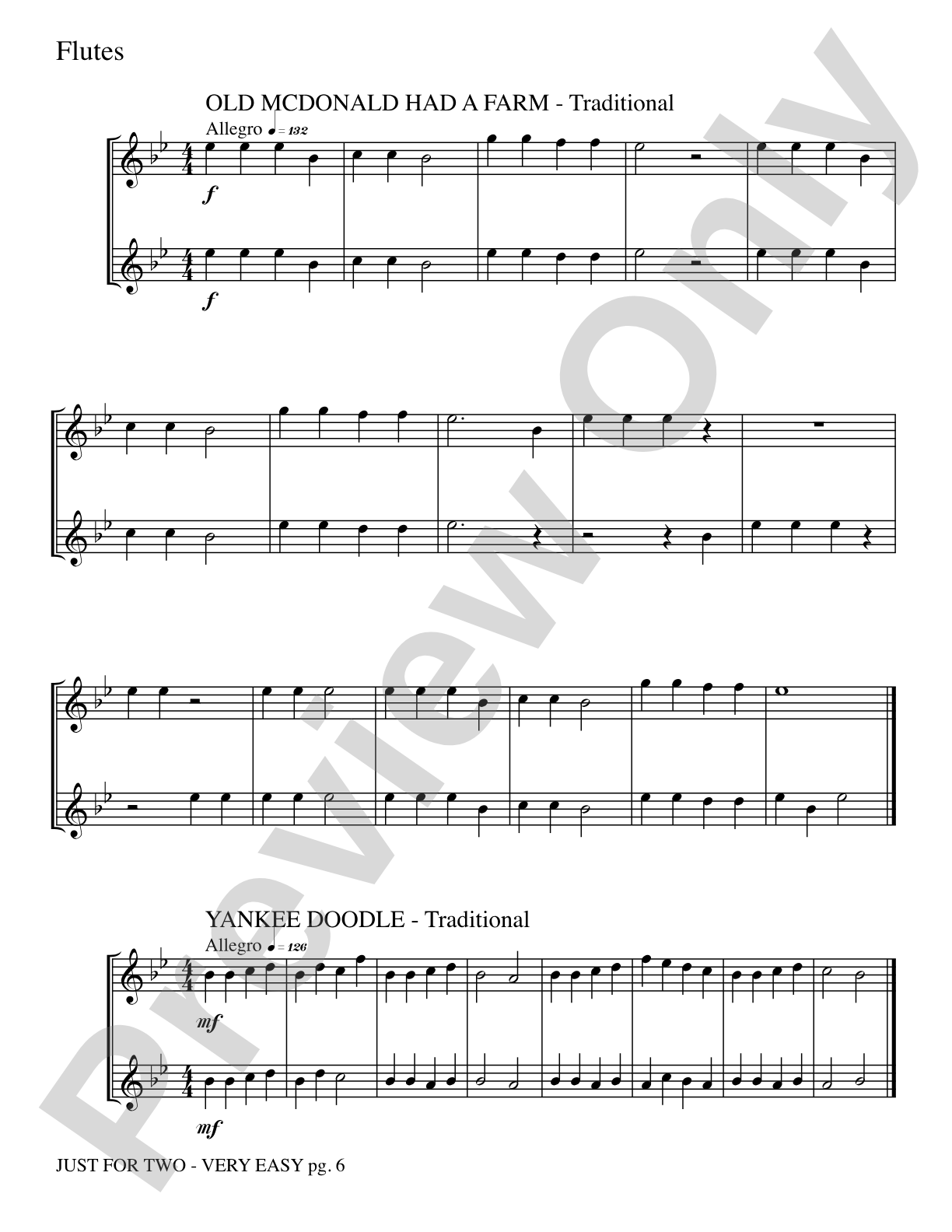
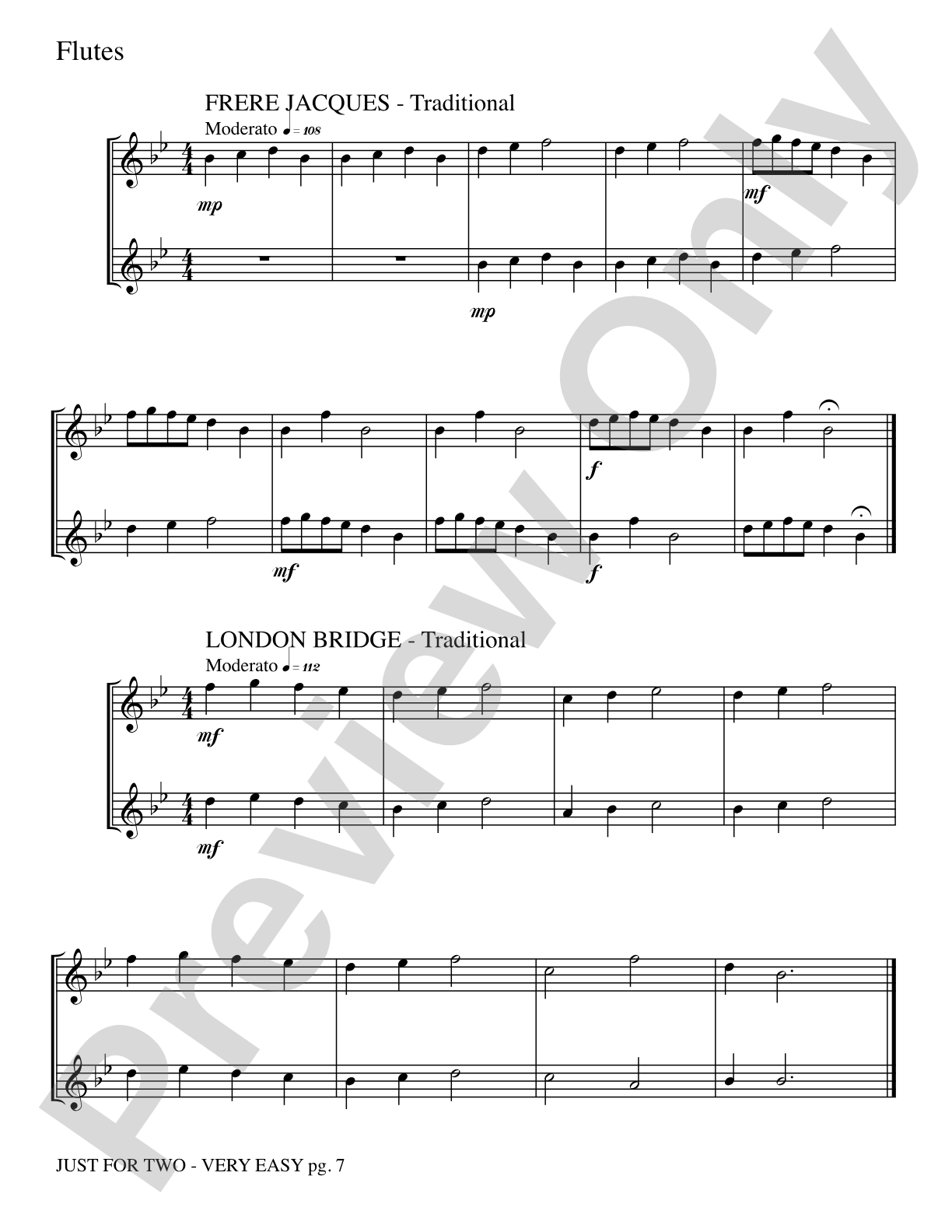
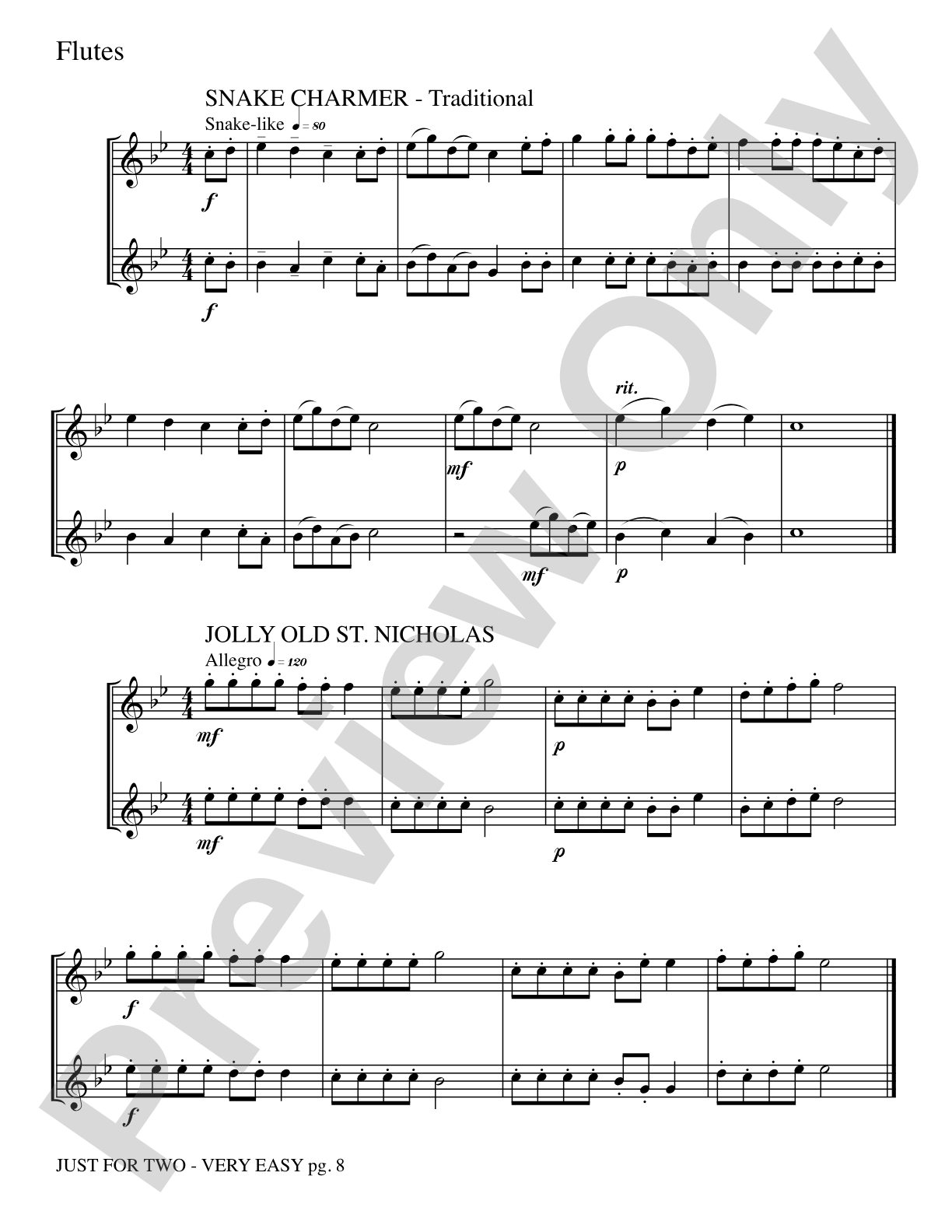
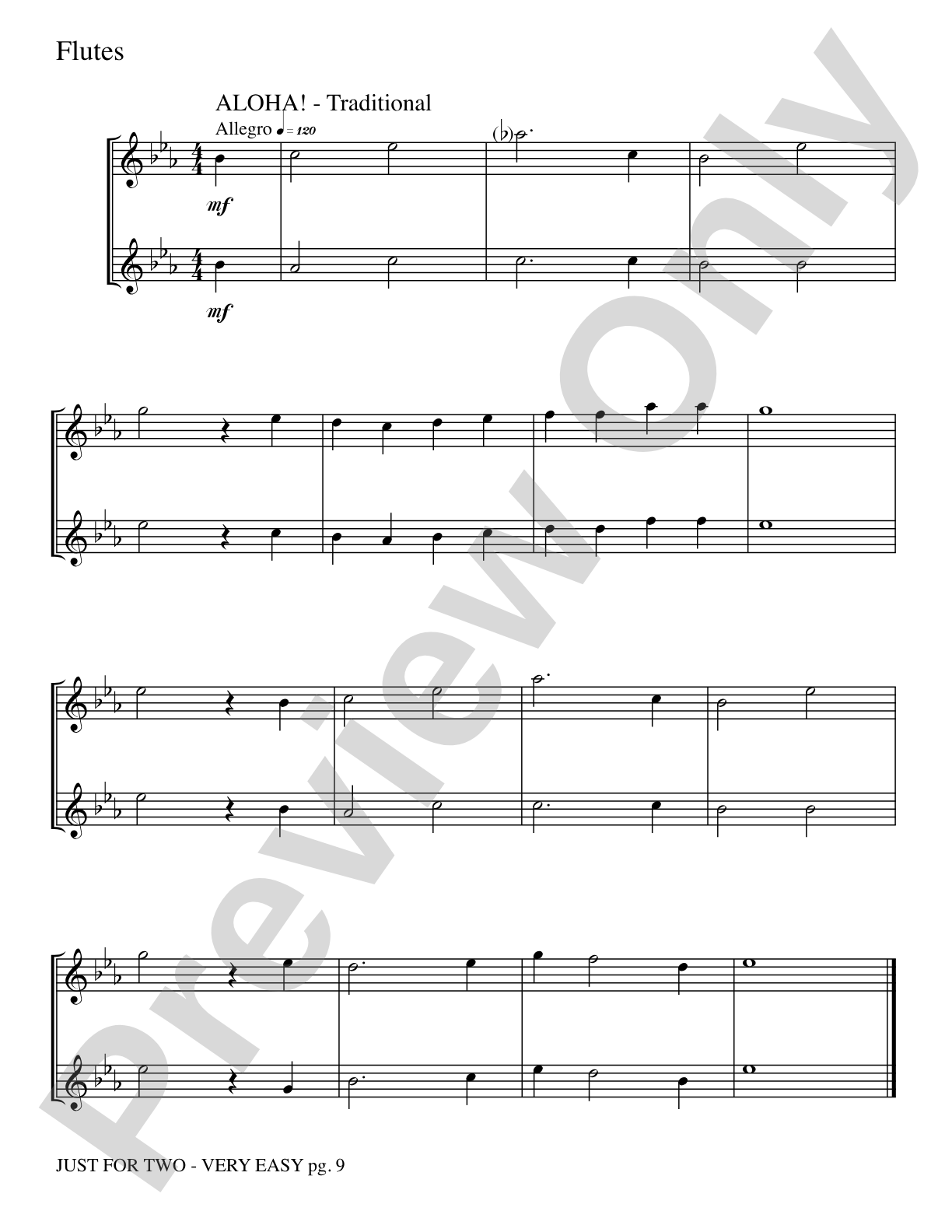
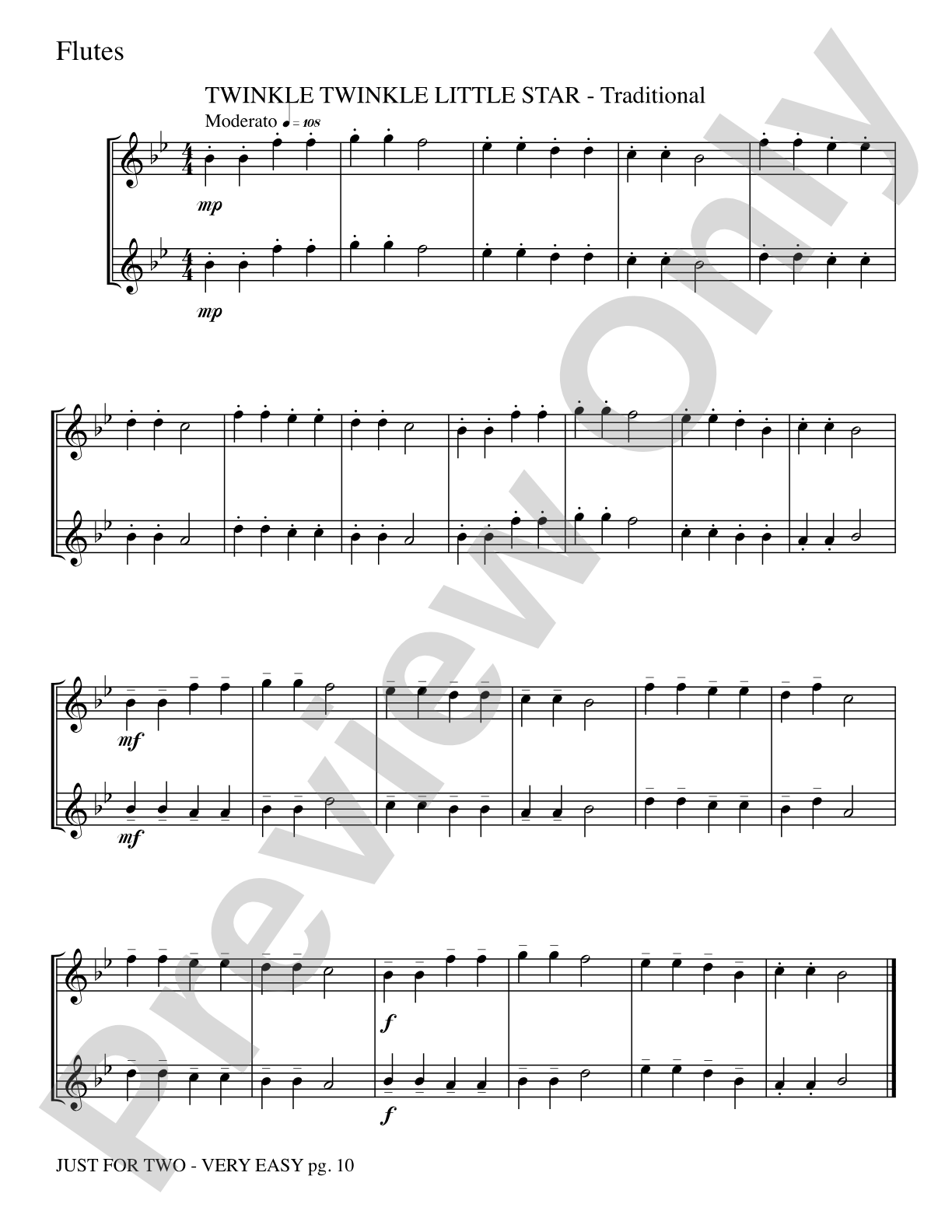
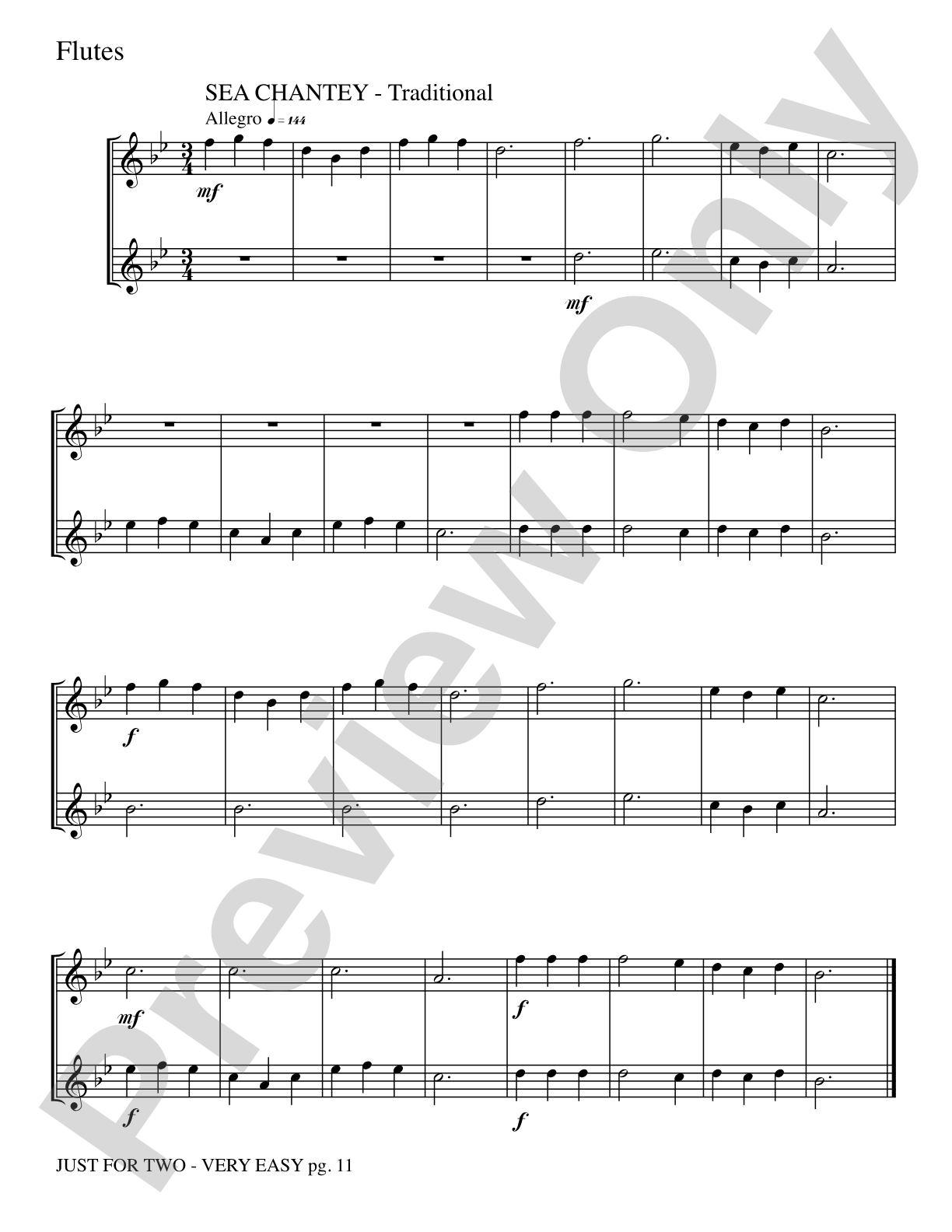
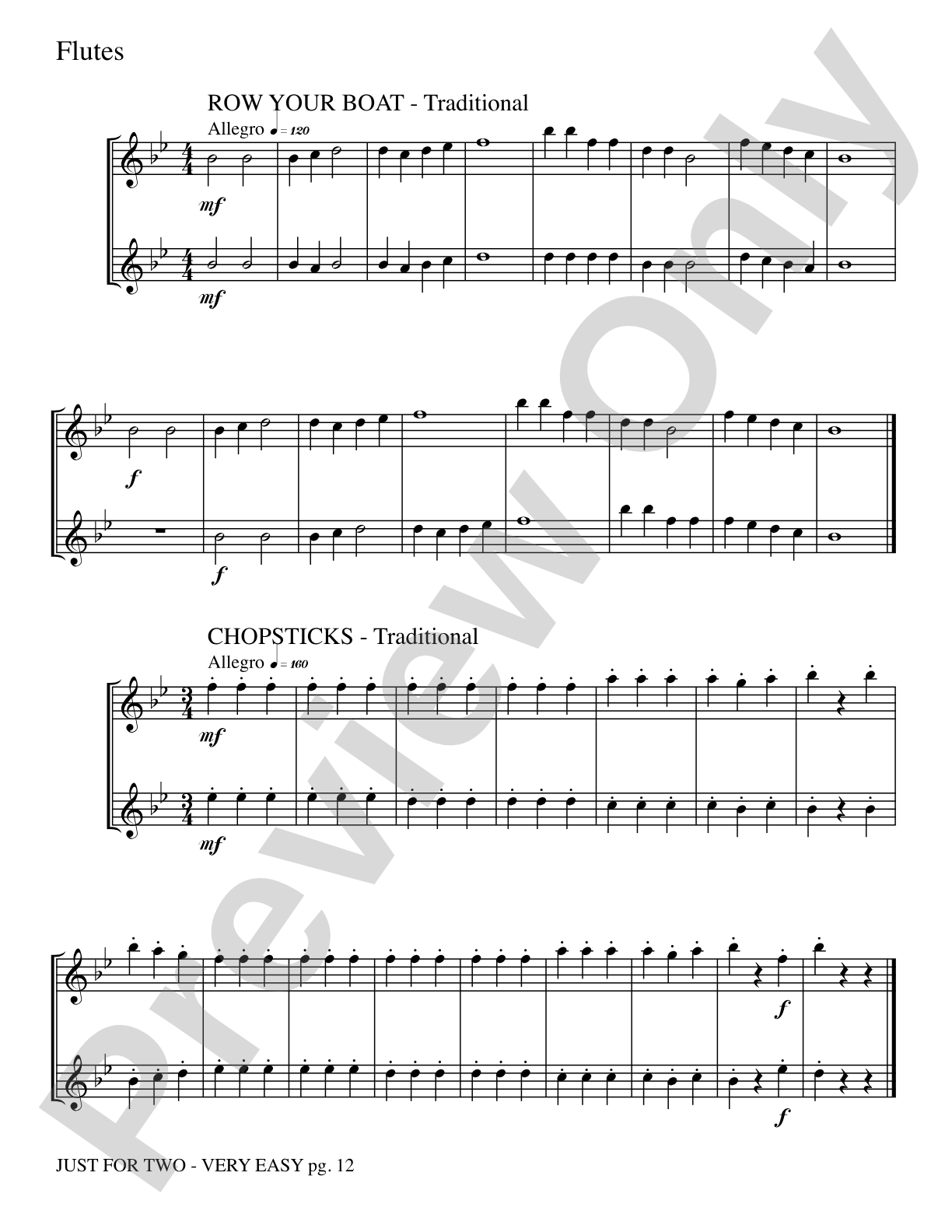
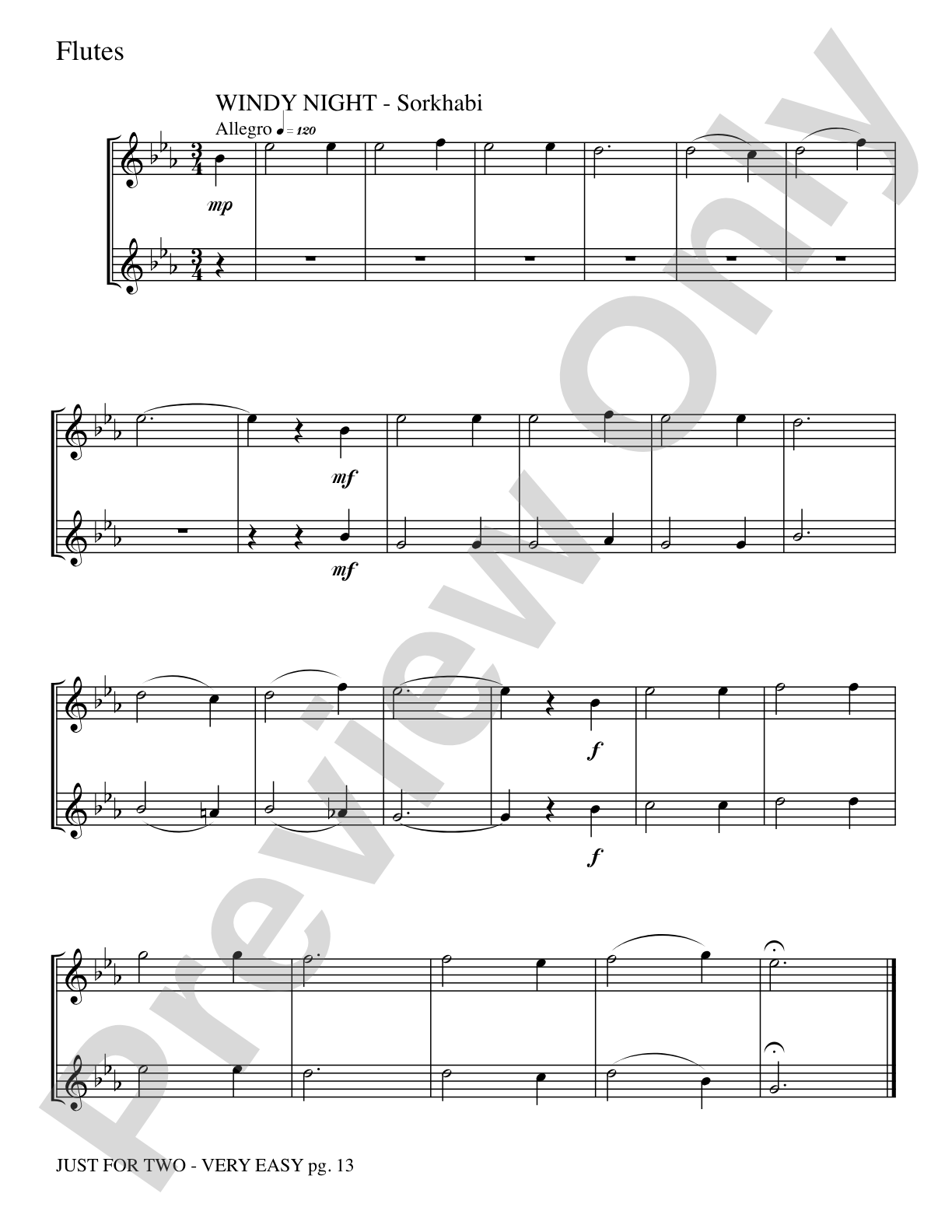
This is a collection of over 20 short arrangements of well-loved children's pieces, classical works, and folk songs that are ideal for beginner musicians. Students in the first year of playing can enjoy the fun of playing duets with another like-instrument. Pieces include: Shoo Fly * This Old Man * Ode to Joy * Dreydl * Aura Lee * Au Claire de la Lune * Jingle Bells * Hot Cross Buns * Surprise Symphony * Polly Wolly Doodle * Mary Ann * Old McDonald * Yankee Doodle * Frere Jacques* *London Bridge * Snake Charmer * Jolly Old St. Nicholas * Aloha! * Twinkle, Twinkle * Sea Chantey * Row Your Boat * Chopsticks.


Just for Two: 2 Flutes Part(s) isn't in MakeMusic Cloud just yet...but it could be. Let us know you'd like to see it, and you'll help shape what comes next. In the meantime, start a free trial and dive into thousands of interactive titles your students can play along with today.
Request This Title
Tell us you want it.
Start Your Free Trial
Explore everything that's ready to play right now.
Sample Audio
1
Aloha
--:--
2
Aura Lee
--:--
3
Chopsticks
--:--
4
Claire de la Lune
--:--
5
Dreydl
--:--
6
Frere Jacques
--:--
7
Hot Cross Buns
--:--
8
Jingle Bells
--:--
9
Jolly Old St Nicholas
--:--
10
London Bridge
--:--
11
Mary Ann
--:--
12
Ode to Joy
--:--
13
Old McDonald
--:--
14
Polly Wolly Doodle
--:--
15
Row Your Boat
--:--
16
Sea Chantey
--:--
17
Shoo Fly
--:--
18
Snake Charmer
--:--
19
Surprise Symphony
--:--
20
This Old Man
--:--
21
Twinkle Twinkle
--:--
22
Windy Night
--:--
23
Yankee Doodle
--:--
Aloha
0:00
0:00
Sample Video
No sample videos found.
Additional Details
Series:
Eighth Note Publications
Publisher:
Eighth Note Publications
Page Count:
16
SKU:
81-PK-0000028
Instrumentation:
2 Flutes
More about this title
About the Arranger: Elburz Sorkhabi
Elburz Sorkhabi is an arranger and composer whose work centers on making music accessible to young learners. His arrangements prioritize clear voicing and thoughtful difficulty control, allowing beginning musicians to experience the joy of ensemble playing without overwhelming technical demands.
Why we love this
Sorkhabi's arrangements respect the melodic integrity of each piece while keeping the technical demands genuinely minimal, allowing beginning flutists to experience the satisfaction of ensemble playing without struggling through complex fingerings or rhythmic independence. The collection spans enough repertoire variety that students stay engaged across multiple rehearsals, and the duet format naturally builds listening skills and rhythmic cohesion that solo study cannot achieve.
What to expect
Familiar melodies in transparent voicings create an immediate sense of accomplishment. The arrangements strike a balance between supporting security (simple rhythms, predictable patterns) and musical reward, allowing young players to feel like ensemble musicians rather than just practitioners of technique.
Who it's for
First-year flutists who have mastered basic fingerings and can read simple melodies confidently. This collection is also ideal for studio teachers seeking duet material that keeps motivation high during the early stages of study, when solo practice can feel isolating.
How to get the most out of it
- Establish a steady tempo by having both players tap their feet together before starting; this eliminates the common problem of one flutist rushing while the other drags.
- Record yourselves playing and listen back as a pair. Hearing the blend and balance through playback often reveals intonation issues and rhythmic misalignments that feel imperceptible in the moment.
- Rotate which player takes the melody and which plays harmony across different pieces. This builds comfort with both roles and ensures both students develop secure fundamentals rather than relying on the other flutist to anchor the line.
- Mark dynamics and breathing points in pencil during your first read-through together. Agreeing on breath placement early prevents awkward staggered entrances in phrases.
How to use it
Slot individual pieces into student recitals or informal school performances as confidence-building duets that showcase ensemble musicianship without requiring months of rehearsal. You might also use contrasting pieces from this collection as part of a concert theme (holiday duets in December, folk songs in a spring cultural celebration) to demonstrate how the same instruments can carry multiple musical personalities.
Skills your students will build
- Playing in rhythmic alignment with another musician at a steady tempo
- Balancing tone and volume between melody and harmony parts
- Listening actively to another flutist's intonation and adjusting their own pitch
- Reading simpler notation while maintaining musical phrasing
- Building confidence and musicality through ensemble experience early in study