
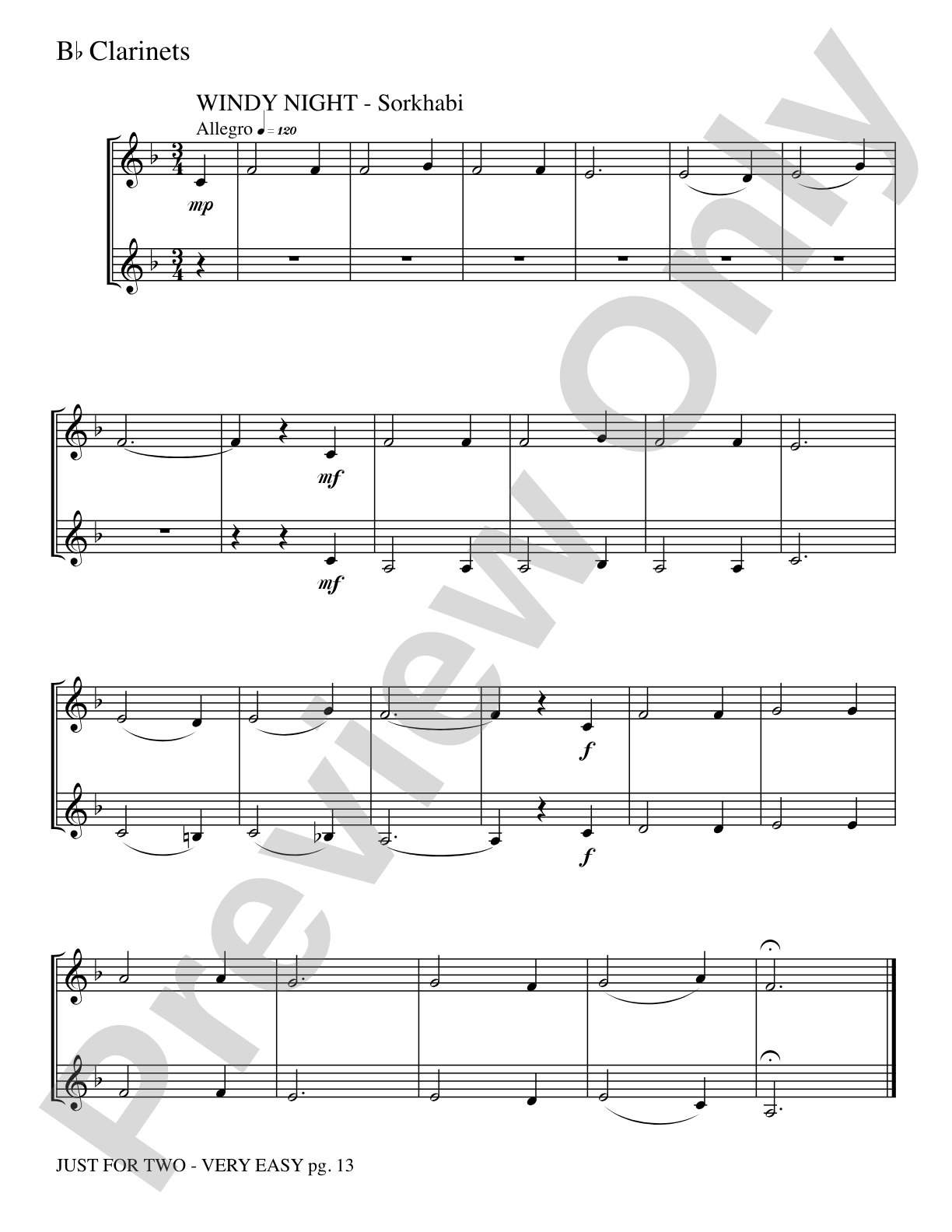

Just for Two: 2 Clarinets Part(s)
Various / arr. Elburz Sorkhabi
Level: Very Easy
Item: 81-PK-0000026
$10.00
One moment…
Related Items
Just for Two: 2 Flutes Part(s) |
$10.00
|
View | |
Just for Two: 2 Alto Saxophones Part(s) |
$10.00
|
View | |
Just for Two: 2 Trumpets Part(s) |
$10.00
|
View | |
Just for Two: 2 F Horns Part(s) |
$10.00
|
View | |
Just for Two: 2 Trombones Part(s) |
$10.00
|
View | |
Just for Two: 2 Tubas Part(s) |
$10.00
|
View | |
Just for Two Very Easy: 2 Flutes Part(s) |
$10.00
|
View | |
Just for Two Very Easy: 2 Clarinets Part(s) |
$10.00
|
View | |
Just for Two Very Easy: 2 Alto Saxophones Part(s) |
$10.00
|
View | |
Just for Two Very Easy: 2 Tenor Saxophones Part(s) |
$10.00
|
View | |
Just for Two Very Easy: 2 Trumpets Part(s) |
$10.00
|
View | |
Just for Two Very Easy: 2 F Horns Part(s) |
$10.00
|
View | |
Just for Two Very Easy: 2 Trombones Part(s) |
$10.00
|
View | |
Just for Two Very Easy: 2 Tubas Part(s) |
$10.00
|
View |
Description
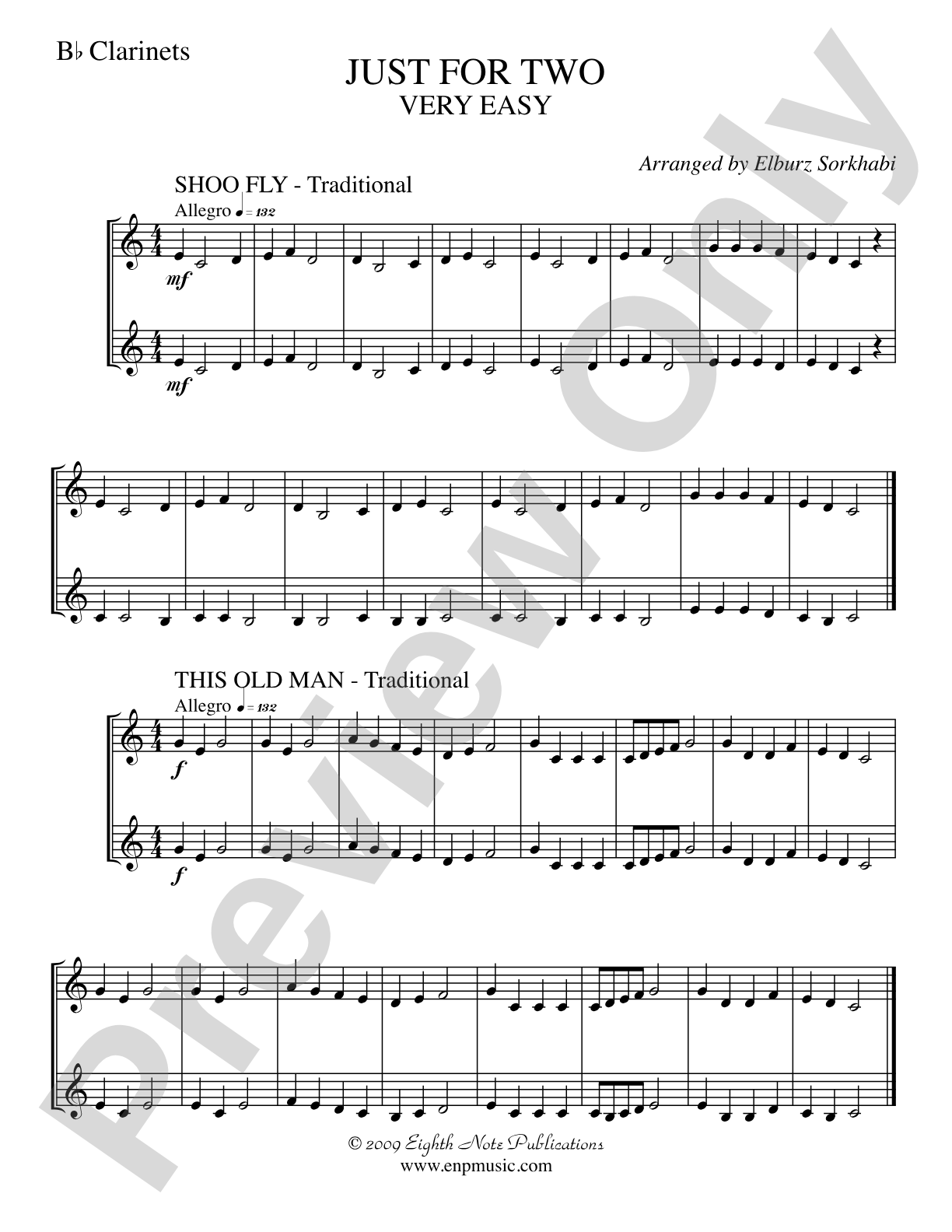
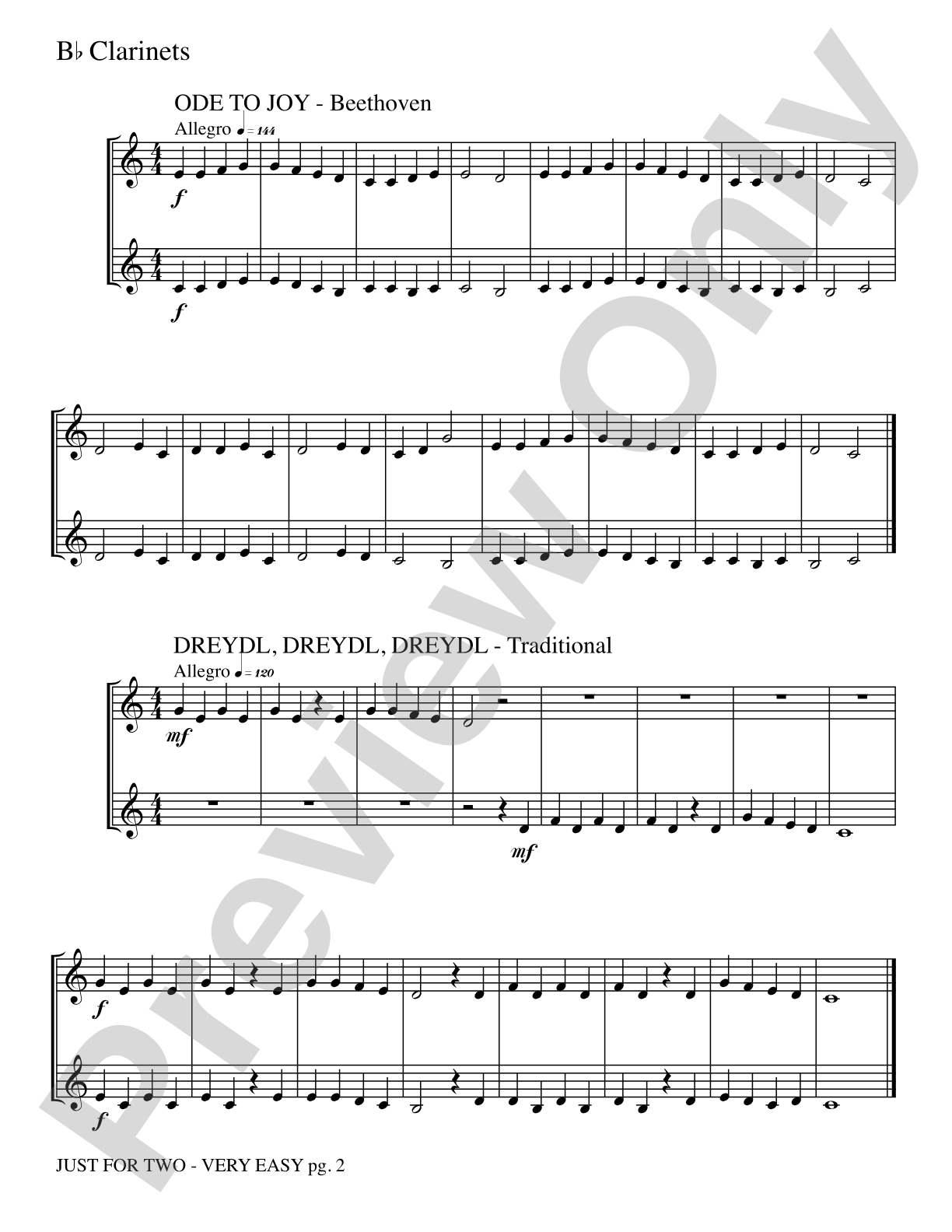
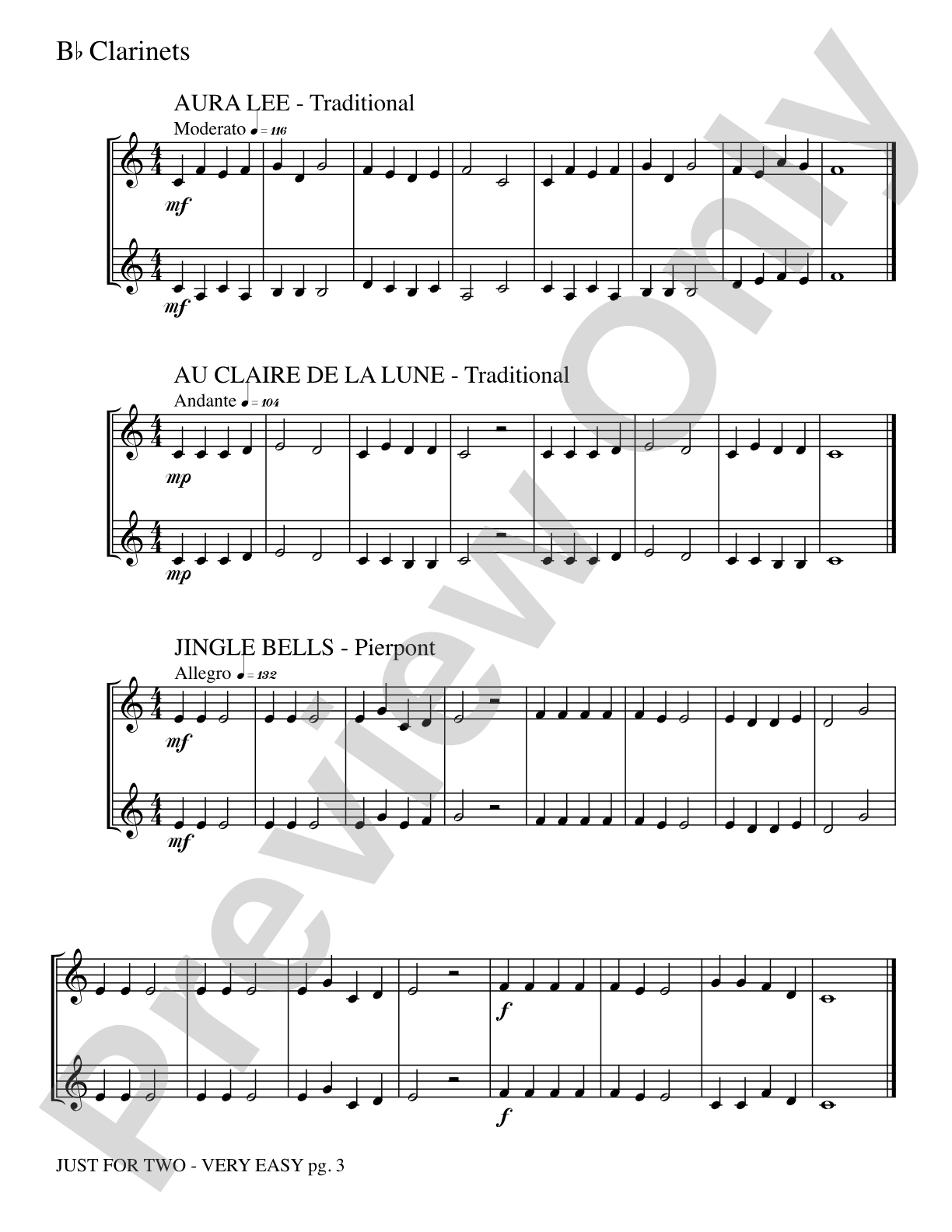
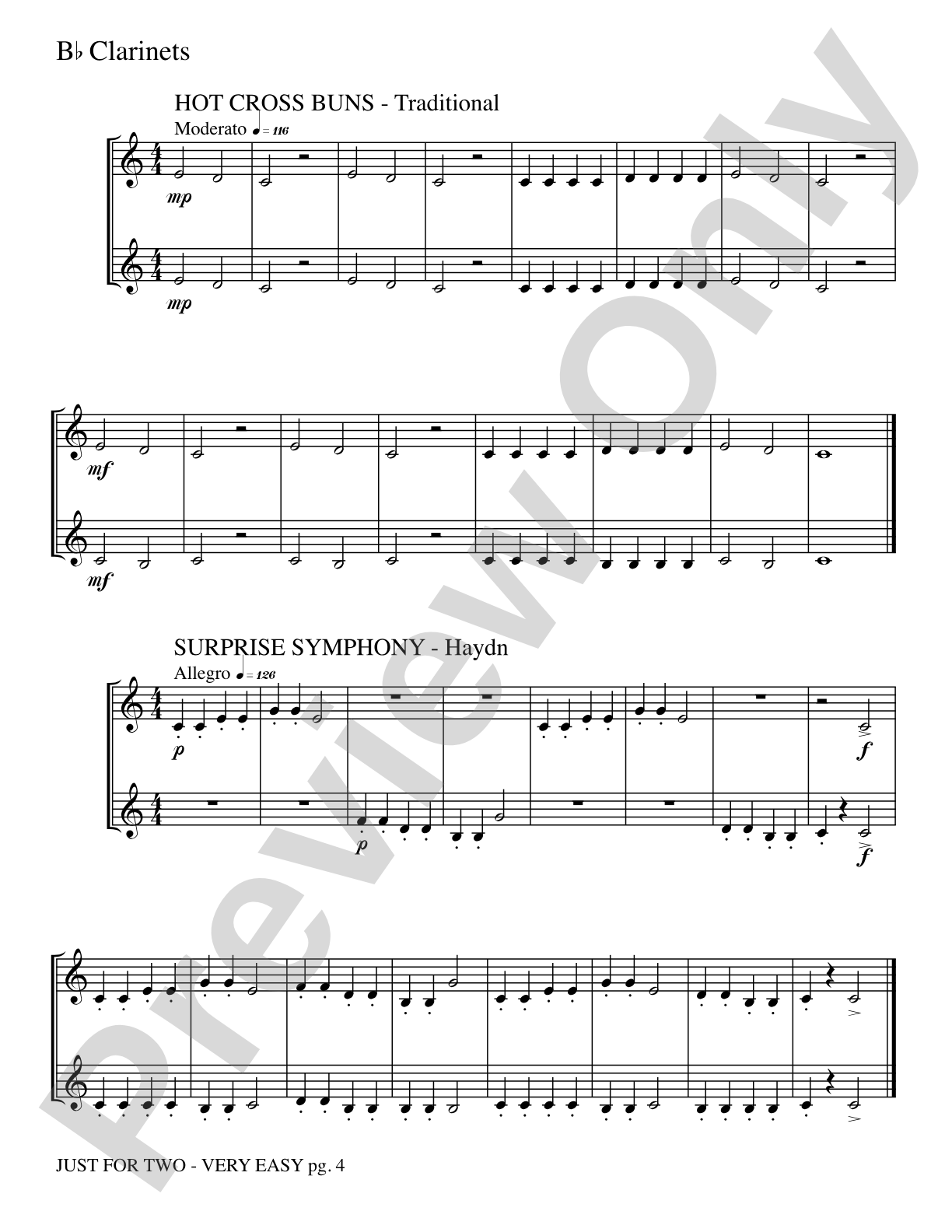
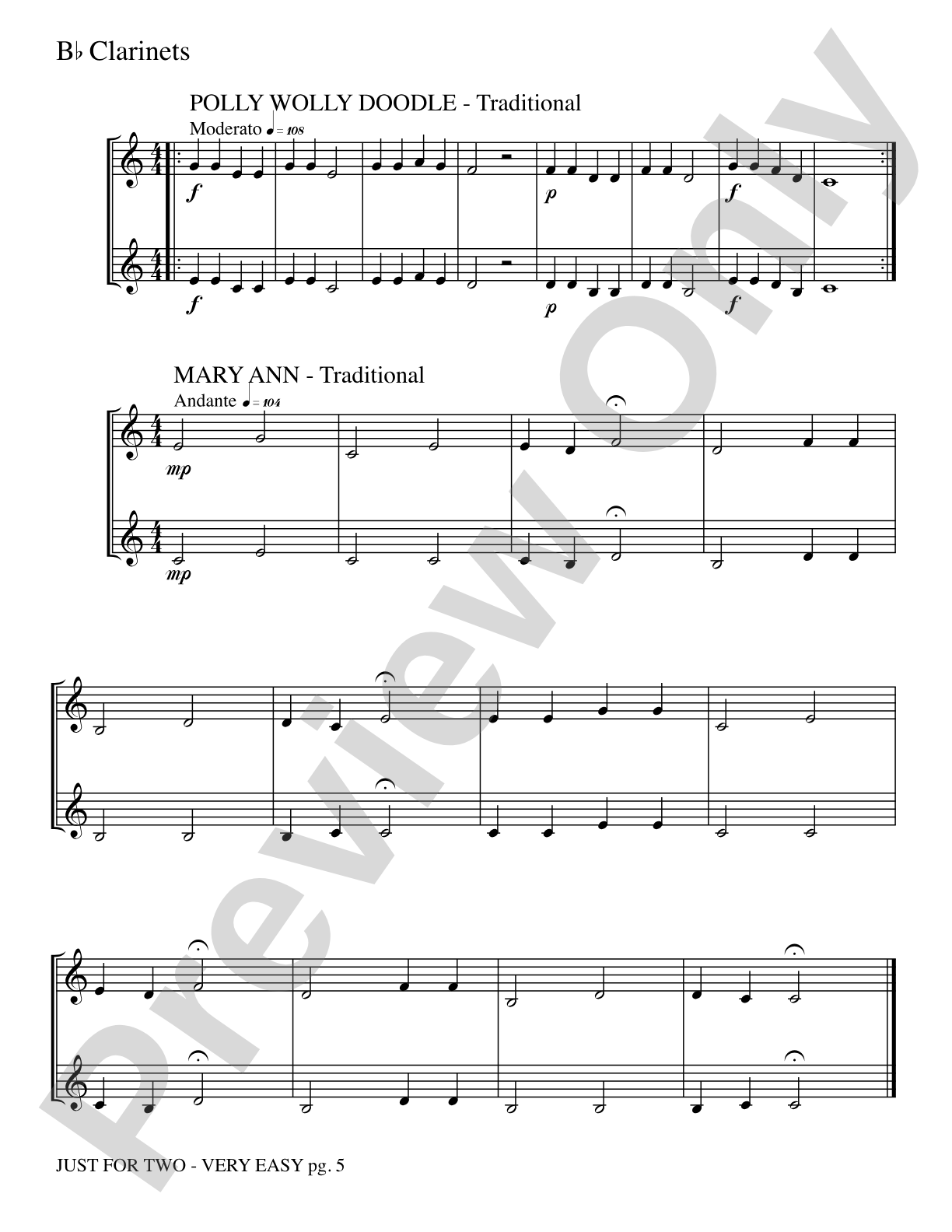
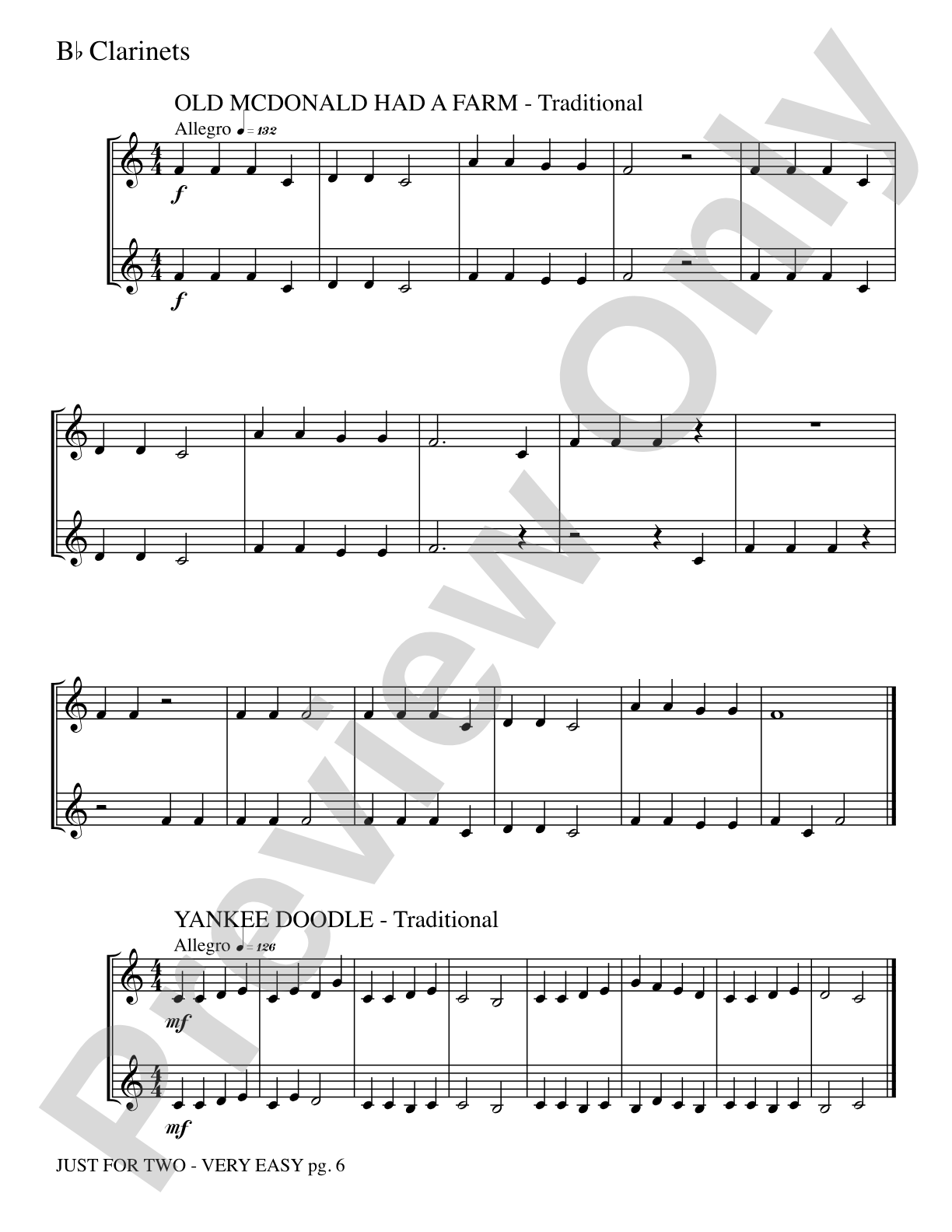
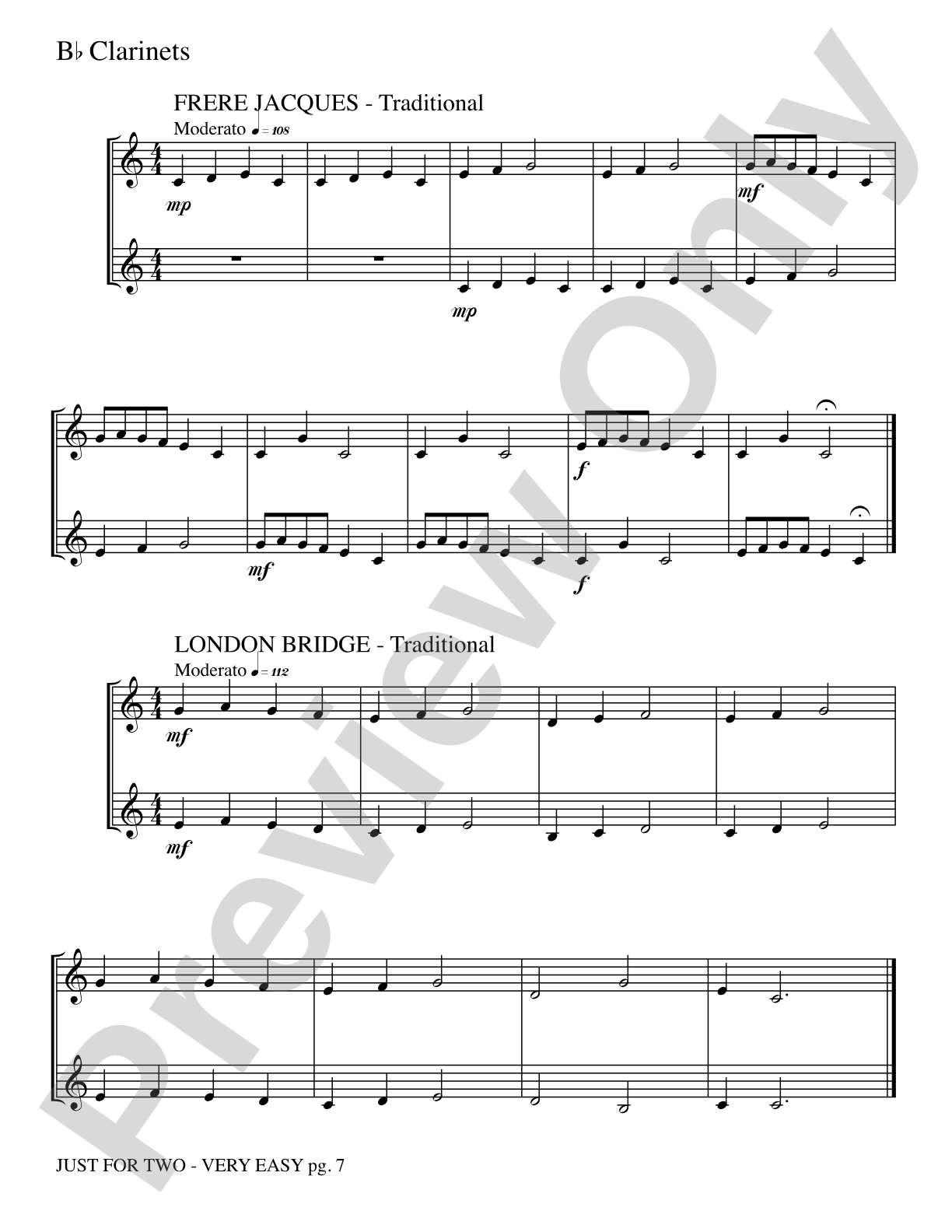
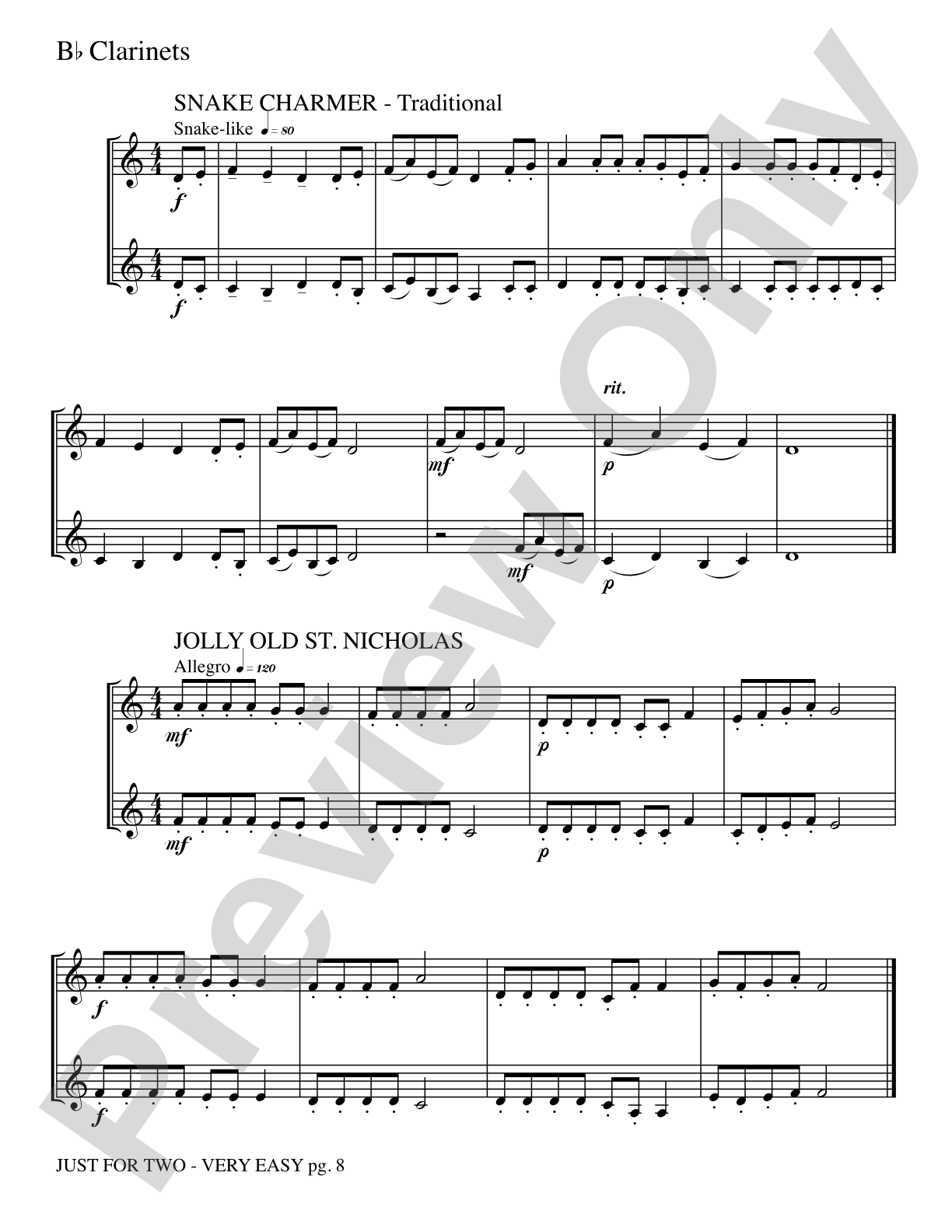
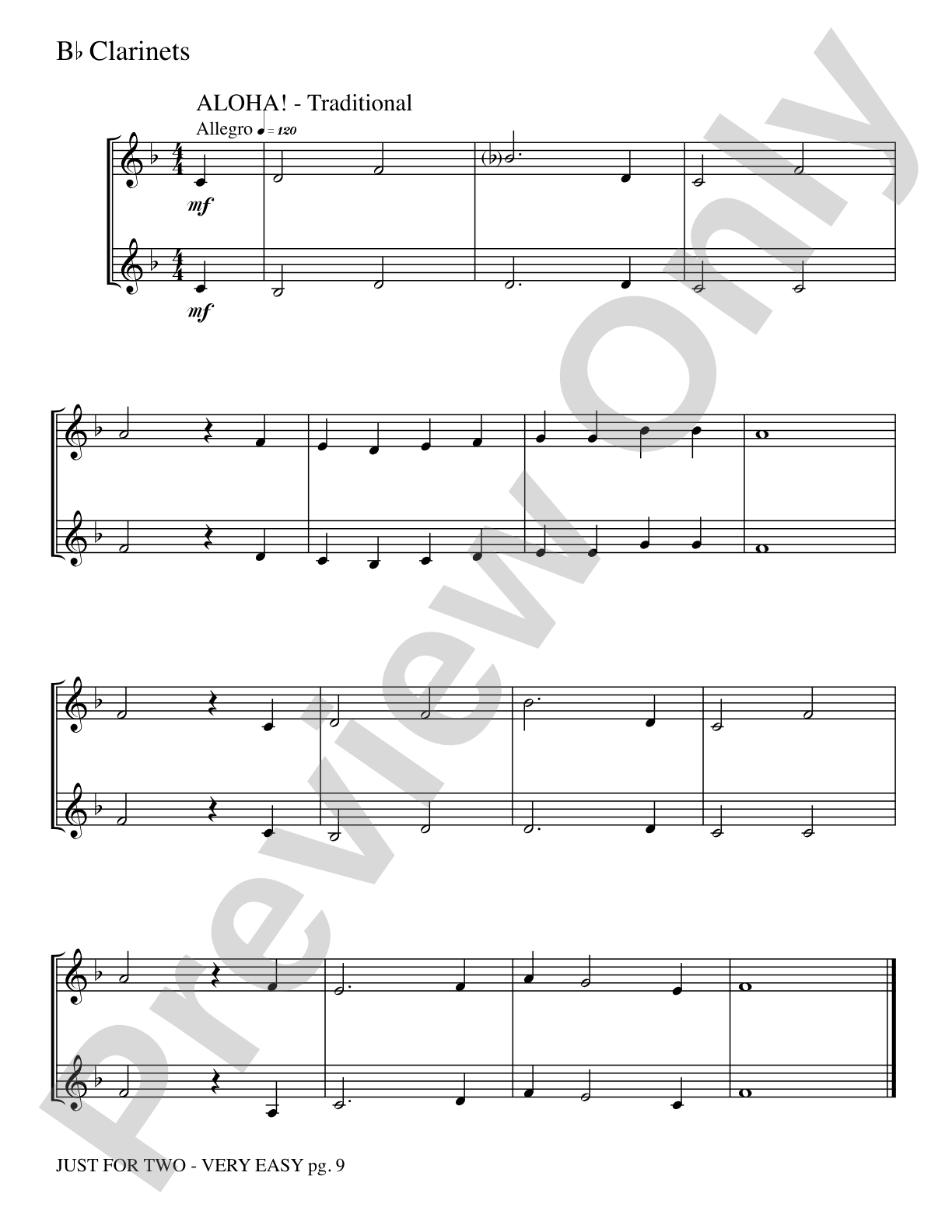
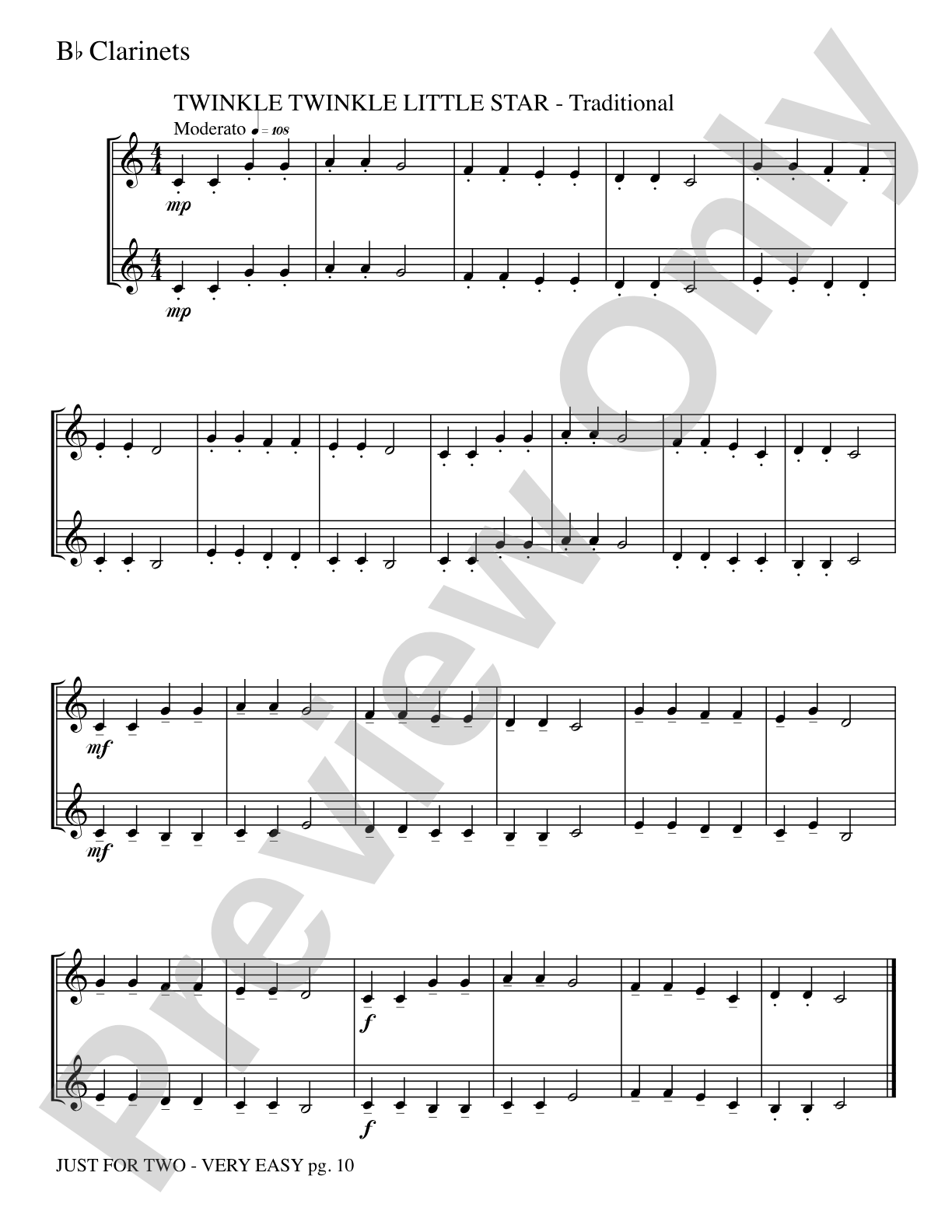
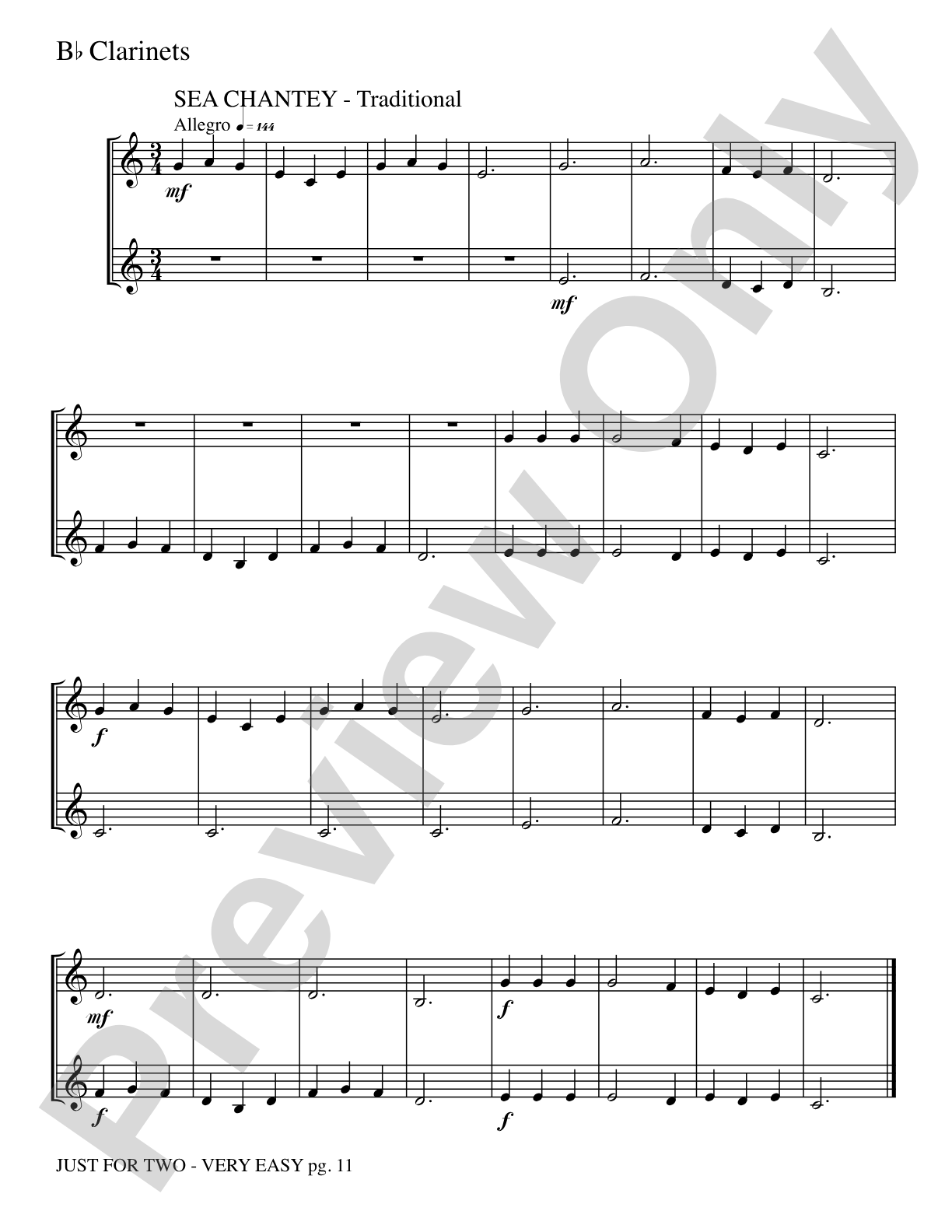
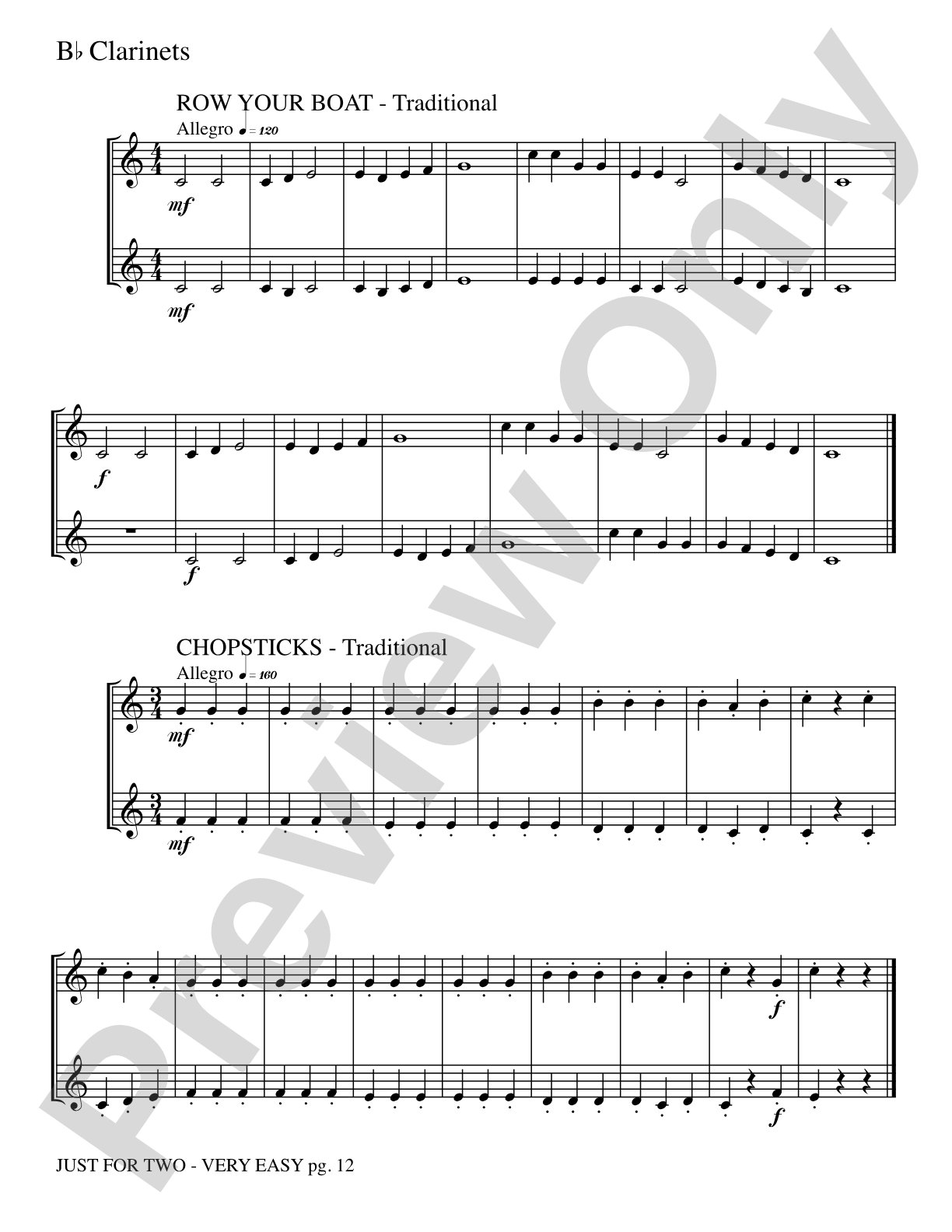
This is a collection of over 20 short arrangements of well-loved children's pieces, classical works, and folk songs that are ideal for beginner musicians. Students in the first year of playing can enjoy the fun of playing duets with another like-instrument. Pieces include: Shoo Fly * This Old Man * Ode to Joy * Dreydl * Aura Lee * Au Claire de la Lune * Jingle Bells * Hot Cross Buns * Surprise Symphony * Polly Wolly Doodle * Mary Ann * Old McDonald * Yankee Doodle * Frere Jacques* *London Bridge * Snake Charmer * Jolly Old St. Nicholas * Aloha! * Twinkle, Twinkle * Sea Chantey * Row Your Boat * Chopsticks.


Just for Two: 2 Clarinets Part(s) isn't in MakeMusic Cloud just yet...but it could be. Let us know you'd like to see it, and you'll help shape what comes next. In the meantime, start a free trial and dive into thousands of interactive titles your students can play along with today.
Request This Title
Tell us you want it.
Start Your Free Trial
Explore everything that's ready to play right now.
Sample Audio
1
Aloha
--:--
2
Aura Lee
--:--
3
Chopsticks
--:--
4
Claire de la Lune
--:--
5
Dreydl
--:--
6
Frere Jacques
--:--
7
Hot Cross Buns
--:--
8
Jingle Bells
--:--
9
Jolly Old St Nicholas
--:--
10
London Bridge
--:--
11
Mary Ann
--:--
12
Ode to Joy
--:--
13
Old McDonald
--:--
14
Polly Wolly Doodle
--:--
15
Row Your Boat
--:--
16
Sea Chantey
--:--
17
Shoo Fly
--:--
18
Snake Charmer
--:--
19
Surprise Symphony
--:--
20
This Old Man
--:--
21
Twinkle Twinkle
--:--
22
Windy Night
--:--
23
Yankee Doodle
--:--
Aloha
0:00
0:00
Sample Video
No sample videos found.
Additional Details
Series:
Eighth Note Publications
Publisher:
Eighth Note Publications
Page Count:
16
SKU:
81-PK-0000026
Instrumentation:
2 Clarinets
More about this title
About the Arranger: Elburz Sorkhabi
Elburz Sorkhabi has built a career creating accessible arrangements that help young musicians discover the joy of ensemble playing. His work with Eighth Note Publications focuses on removing barriers to duet repertoire, pairing familiar melodies with writing that respects the technical reality of first-year players.
Why we love this
These arrangements respect the integrity of beloved melodies while keeping the technical demands honest for first-year players. The collection spans enough musical styles and eras that students encounter real variety without needing advanced technique, making it easy to program duets throughout the year without repetition.
What to expect
Straightforward and satisfying. Whether you're moving through a lilting folk melody like Frere Jacques or the triumphant simplicity of Ode to Joy, every piece feels complete and musical despite its accessibility. There's real pleasure in making harmony with another player at this stage.
Who it's for
First-year clarinetists who are ready to experience the collaborative joy of duet playing. This collection gives beginning students immediate access to dozens of recognizable melodies arranged at their technical level, eliminating the frustration of waiting years to play interesting music together.
How to get the most out of it
- Balance the parts by having each player listen carefully to the other; mark dynamics in your part if the arrangement doesn't specify them, and adjust based on what you hear from your stand partner.
- Lock in rhythmic unison passages by counting together before you play; slight hesitations between parts will stand out immediately in a duet setting.
- Work through each piece slowly first to establish secure intonation, then gradually increase tempo once both players feel secure.
How to use it
Integrate these duets into sectional rehearsals as a reward for focused work, assign them as partner assignments during the school year, or feature a few in a concert that celebrates ensemble growth. The recognizable material also works well for family performances or informal demonstrations of student progress.
Skills your students will build
- Reading two-part notation simultaneously
- Listening and blending with a stand partner
- Maintaining independent rhythmic lines
- Intonation matching in unison and harmony
- Sight-reading across a diverse repertoire of melodies