Just a Single Voice Cover Image

Just a Single Voice: Choral Octavo SoundTrax CD

$27.99 USD
Sale price  $27.99 USD Regular price 
Skip to product information
Just a Single Voice Cover Image

Just a Single Voice: Choral Octavo SoundTrax CD

Music by Sally K. Albrecht and Jay Althouse

Item: 00-19255

$27.99
Shipped

One moment…

Description
This outstanding work has a multitude of uses: Music in our Schools Month, music advocacy, graduation, concert opener. But you might sing it simply because it's a beautiful "music" song that will touch your singers. It opens with two optional solos ("It starts with just a single voice, one you barely hear."), and develops into a strong statement for music ("When voices come together, the message can be strong."). Perfect for vocal groups of any age, or for combined choral concerts.

Just a Single Voice: Choral Octavo SoundTrax CD isn't in MakeMusic Cloud just yet...but it could be. Let us know you'd like to see it, and you'll help shape what comes next. In the meantime, start a free trial and dive into thousands of interactive titles your students can play along with today.

Sample Pages

No sample pages found.

Sample Audio
0:00
0:00
Sample Video
Additional Details
Series: Alfred Choral Designs
Publisher: Alfred Music
UPC: 038081179001
SKU: 00-19255

More about this title

About the Composer: Sally K. Albrecht
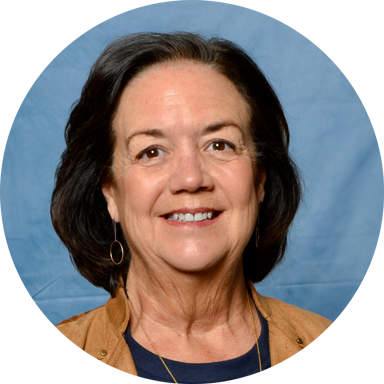
Sally K. Albrecht

Sally K. Albrecht has shaped American choral music for decades as a composer, conductor, and clinician with particular expertise in choral movement. Since 1987, she has received annual ASCAP Special Music Awards and maintains over 600 published choral works in print alongside 75 larger works for stage and concert. Her conducting credits span major venues including Lincoln Center, Carnegie Hall, and The Kennedy Center, where she has led honor choirs and festivals nationwide. She spent more than 30 years directing school choral, vocal, and elementary publications for major educational publishers, most recently at Alfred Music.

Albrecht holds degrees from Rollins College (B.A. in Music and Theater, 1976), the University of Miami (M.A. in Drama, 1977, and M.M. in Accompanying, 1979), and has taught at Oakland University, Jersey City State College, and Meredith College. Recognized with the Distinguished Alumna Award from both the University of Miami Frost School of Music and Rollins College, where she serves on the Board of Trustees, she brings both theoretical depth and practical classroom experience to her compositions. She lives in Wake Forest, North Carolina, and collaborates frequently with her husband, composer and arranger Jay Althouse.

Why we love this

Albrecht and Althouse have crafted a piece that speaks directly to why music education matters. The solos at the opening give singers a chance to shine individually before the choir swells behind them, creating a tangible metaphor that your singers will understand and feel deeply. It works equally well as a concert statement, a graduation moment, or a Music in Our Schools Month advocate, which means you're investing in a piece that earns its place in your repertoire year after year.

What to expect

The piece begins with intimacy and introspection, inviting listeners into a quiet moment before building into something communal and powerful. You'll feel the shift as individual voices join together, creating that satisfying moment when ensemble sound becomes greater than its parts, which is why it resonates so deeply in graduation contexts and music advocacy settings.

Who it's for

This piece suits any choir from middle school through adult, regardless of voicing flexibility or performance experience. It works particularly well for programs built around themes of unity, advocacy, or celebration, and stands strong as a concert opener or closing number that leaves audiences thinking about music's value.

How to get the most out of it

  • Shape the opening solos with clarity and vulnerability; even though they're optional, they set the emotional foundation for everything that follows.
  • Let the dynamic build from those first quiet voices to the full ensemble feel organic and earned, resisting the temptation to jump to full volume too quickly.
  • Balance the accompaniment so it supports rather than overwhelms the text, especially in the opening phrases where the message needs to land.
  • Consider simple, unified staging or minimal movement to reinforce the "voices coming together" concept without overshadowing the singing.

How to use it

Open a concert with this piece to immediately establish that you're not just performing music, you're celebrating what music does. It pairs beautifully with advocacy events, Music in Our Schools Month programs, or as a closing statement at graduations. You might also nest it within a thematic concert exploring how individual voices shape community.

Skills your students will build

  • Singing exposed solos with confidence and musicality
  • Listening to blend as ensemble voices layer over individual lines
  • Interpreting lyrics that have programmatic meaning beyond the notes
  • Understanding dynamic contrast and how to build intensity over time
  • Balancing solo presence with ensemble participation

You May Also Like