Just a Single Voice Cover Image

Just a Single Voice: SATB Choral Octavo

$2.25 USD
Sale price  $2.25 USD Regular price 
Skip to product information
Just a Single Voice Cover Image

Just a Single Voice: SATB Choral Octavo

Music by Sally K. Albrecht and Jay Althouse

Item: 00-19252

makemusic Cloud badge

Need it now?

Buy Digital Version
$2.25
Shipped

One moment…

Description
This outstanding work has a multitude of uses: Music in our Schools Month, music advocacy, graduation, concert opener. But you might sing it simply because it's a beautiful "music" song that will touch your singers. It opens with two optional solos ("It starts with just a single voice, one you barely hear."), and develops into a strong statement for music ("When voices come together, the message can be strong."). Perfect for vocal groups of any age, or for combined choral concerts.

Don't just read it, hear it, play along with it, and watch your students grow with it. In MakeMusic Cloud, Just a Single Voice: SATB Choral Octavo comes alive with professional accompaniment, adjustable tempo, and built-in practice tools that turn solo practice into real progress.

Sample Pages

Sample Audio
0:00
0:00
Sample Video
Additional Details
Series: Alfred Archive Edition: Alfred Choral Designs
Publisher: Alfred Music
Page Count: 12
UPC: 038081178974
SKU: 00-19252

More about this title

About the Composer: Sally K. Albrecht
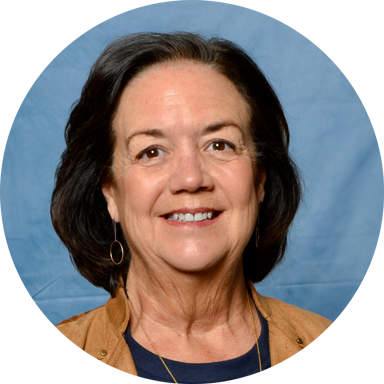
Sally K. Albrecht

Sally K. Albrecht has shaped American choral music for over thirty years as a composer, conductor, and clinician with particular expertise in choral movement. Since 1987, she has received annual ASCAP Special Music Awards, and her catalog includes more than 600 choral works alongside 75 large-scale musicals and songbooks. She has directed honor choirs at major venues including Lincoln Center, Carnegie Hall, and The Kennedy Center, and spent three decades leading school choral and vocal publishing initiatives at Alfred Music and other major educational publishers.

Albrecht earned her B.A. in Music and Theater from Rollins College (1976), then pursued graduate studies at the University of Miami, where she received an M.A. in Drama (1977) and an M.M. in Accompanying (1979). She has taught in music departments at Oakland University, Jersey City State College, and Meredith College. A distinguished alumna of both the University of Miami Frost School of Music and Rollins College (where she serves on the Board of Trustees), Albrecht has been recognized with Rollins' Distinguished Alumna Award and ODK's Pillar of Leadership Award. She lives in Wake Forest, North Carolina with her husband, composer and arranger Jay Althouse.

Why we love this

This piece speaks directly to why music matters, making it an ideal choice for advocacy concerts, music education celebrations, and moments when you want your singers to feel the power of what they're building together. The optional solos create natural engagement while the full ensemble passage about unity delivers genuine emotional impact without sentimentality. It's the kind of song that reminds both performers and audiences why choral music exists.

What to expect

The piece unfolds from intimate vulnerability to collective strength. Those opening solos feel almost like whispered confessions, then the choir arrives like a gathered community finding its voice. The harmonic language is warm and contemporary without being dated, creating a sense of sincerity that will resonate with audiences who hear themselves in the text.

Who it's for

This octavo works for choirs of any age, from middle school through community ensembles, because its message transcends experience level while remaining technically accessible. Soloists can be drawn from your stronger singers, but the ensemble writing itself doesn't demand advanced technique. It's equally effective as a concert opener, graduation finale, or standalone advocacy statement.

How to get the most out of it

  • Balance the opening solos carefully; they should feel intimate and conversational before the choir enters, so consider staging them downstage or with reduced accompaniment volume to establish that 'barely heard' quality.
  • Mark the moment where voices combine as a genuine shift in energy and dynamics. The text promises strength in unity, so let the transition feel deliberate and earned.
  • Use the optional recorded accompaniment to support intonation during rehearsal, especially if your singers are less experienced with modern harmonic language.

How to use it

Open a concert with this piece to set a reflective, purposeful tone before moving into other repertoire, or close with it to leave audiences with a statement about music's value. It works beautifully in Music in Our Schools Month programming or at graduation ceremonies where you want to honor both the occasion and the role music played in it. You might also pair it with other advocacy or inspirational pieces to create a thematic set.

Skills your students will build

  • Blending voices within a unified ensemble sound after establishing individual identity
  • Shaping dynamic arcs that support textual meaning
  • Singing contemporary harmonic language with confidence and intonation
  • Connecting emotional content to vocal performance
  • Balance between solo and ensemble textures

You May Also Like
