Just a Single Voice Cover Image

Just a Single Voice: 2-Part Choral Octavo

$2.25 USD
Sale price  $2.25 USD Regular price 
Skip to product information
Just a Single Voice Cover Image

Just a Single Voice: 2-Part Choral Octavo

Music by Sally K. Albrecht and Jay Althouse

Item: 00-19254

makemusic Cloud badge

Need it now?

Buy Digital Version
$2.25
Shipped

One moment…

Description
This outstanding work has a multitude of uses: Music in our Schools Month, music advocacy, graduation, concert opener. But you might sing it simply because it's a beautiful "music" song that will touch your singers. It opens with two optional solos ("It starts with just a single voice, one you barely hear."), and develops into a strong statement for music ("When voices come together, the message can be strong."). Perfect for vocal groups of any age, or for combined choral concerts.

Don't just read it, hear it, play along with it, and watch your students grow with it. In MakeMusic Cloud, Just a Single Voice: 2-Part Choral Octavo comes alive with professional accompaniment, adjustable tempo, and built-in practice tools that turn solo practice into real progress.

Sample Pages

Sample Audio
0:00
0:00
Sample Video
Additional Details
Series: Alfred Archive Edition: Alfred Choral Designs
Publisher: Alfred Music
Page Count: 12
UPC: 038081178998
SKU: 00-19254

More about this title

About the Composer: Sally K. Albrecht
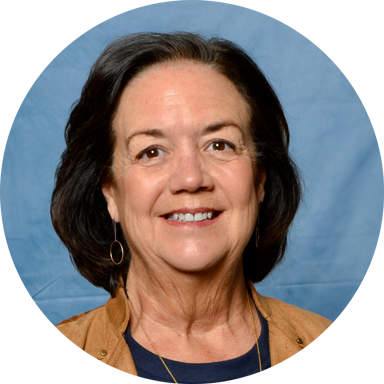
Sally K. Albrecht

Sally K. Albrecht has shaped choral music education for over thirty years, both as a prolific composer and as a leader in publishing. Since 1987, she has received the ASCAP Special Music Award annually and maintains more than 600 published choral works in addition to numerous larger ensemble pieces and musicals. Her conducting has taken her across the country to honor choir festivals at major venues including Lincoln Center, Carnegie Hall, and The Kennedy Center.

Albrecht's academic background spans music and drama; she earned degrees from Rollins College, the University of Miami (where she studied drama and accompanying), and taught in music departments at Oakland University, Jersey City State College, and Meredith College. Recognized for her leadership beyond composition, she has chaired the Board of Trustees for Omicron Delta Kappa and received the Distinguished Alumna Award from both the University of Miami Frost School of Music and Rollins College in 2021. She collaborates frequently with her husband, composer and arranger Jay Althouse, and resides in North Carolina.

Why we love this

This piece captures something essential about music advocacy without ever feeling preachy. The opening solos draw listeners in with an intimate image ('It starts with just a single voice'), then the arrangement expands to show what collective singing achieves. It works equally well as a concert opener, a Music in Our Schools Month feature, or a meaningful graduation moment because the message resonates genuinely rather than as a slogan.

What to expect

The opening feels intimate and reflective, with a single voice or two voices floating above sparse accompaniment. As more singers enter, the arrangement swells with warmth and purpose, building toward an uplifting declaration about the power of unified singing. By the end, what started as hesitant becomes confident and strong.

Who it's for

This octavo suits any choir looking for a piece with genuine emotional weight and thematic purpose. Whether you're working with treble choir, mixed voices, or a youth ensemble at any level of experience, the two-part writing makes it accessible while remaining musically satisfying.

How to get the most out of it

  • Shape the opening solos with conversational warmth. These lines invite the audience in, so encourage your singers to think of them as speaking directly rather than performing for applause.
  • Balance the transition carefully as voices join in. The solo passages need enough presence that the ensemble entrance feels like an actual gathering, not just adding volume.
  • Use the recorded accompaniment during rehearsals to anchor the harmonic development, especially as the piece builds toward its final statement.
  • Consider how your singers physically relate to one another during the ensemble sections. Even subtle awareness of ensemble members can reinforce the theme of voices coming together.

How to use it

Open a concert with this piece to set a meaningful tone and establish that your program celebrates music itself. It also serves as a natural fit for graduation ceremonies, where its message about individual and collective strength resonates with the occasion. For advocacy events and Music in Our Schools Month programs, it delivers a clear statement about why choral music matters without relying on cliché.

Skills your students will build

  • Balancing solo and ensemble singing within a single piece
  • Entering ensemble parts expressively while maintaining pitch and blend
  • Following thematic development and text painting across an extended form
  • Shaping phrasing to support emotional storytelling in music with advocacy themes

You May Also Like
