

Just a Single Voice: 2-Part Choral Octavo
Music by Sally K. Albrecht and Jay Althouse
Item: 00-PO-0002868
$2.25
Minimum order quantity: 20 copies
Pickup currently not available
Related Items
Just a Single Voice: SATB Choral Octavo |
$2.25
|
View | |
Just a Single Voice: 3-Part Mixed Choral Octavo |
$2.25
|
View | |
Just a Single Voice: SATB Choral Octavo |
$2.25
|
View | |
Just a Single Voice: 3-Part Mixed Choral Octavo |
$2.25
|
View | |
Just a Single Voice: 2-Part Choral Octavo |
$2.25
|
View | |
Just a Single Voice: Choral Octavo SoundTrax CD |
$27.99
|
View |
Description
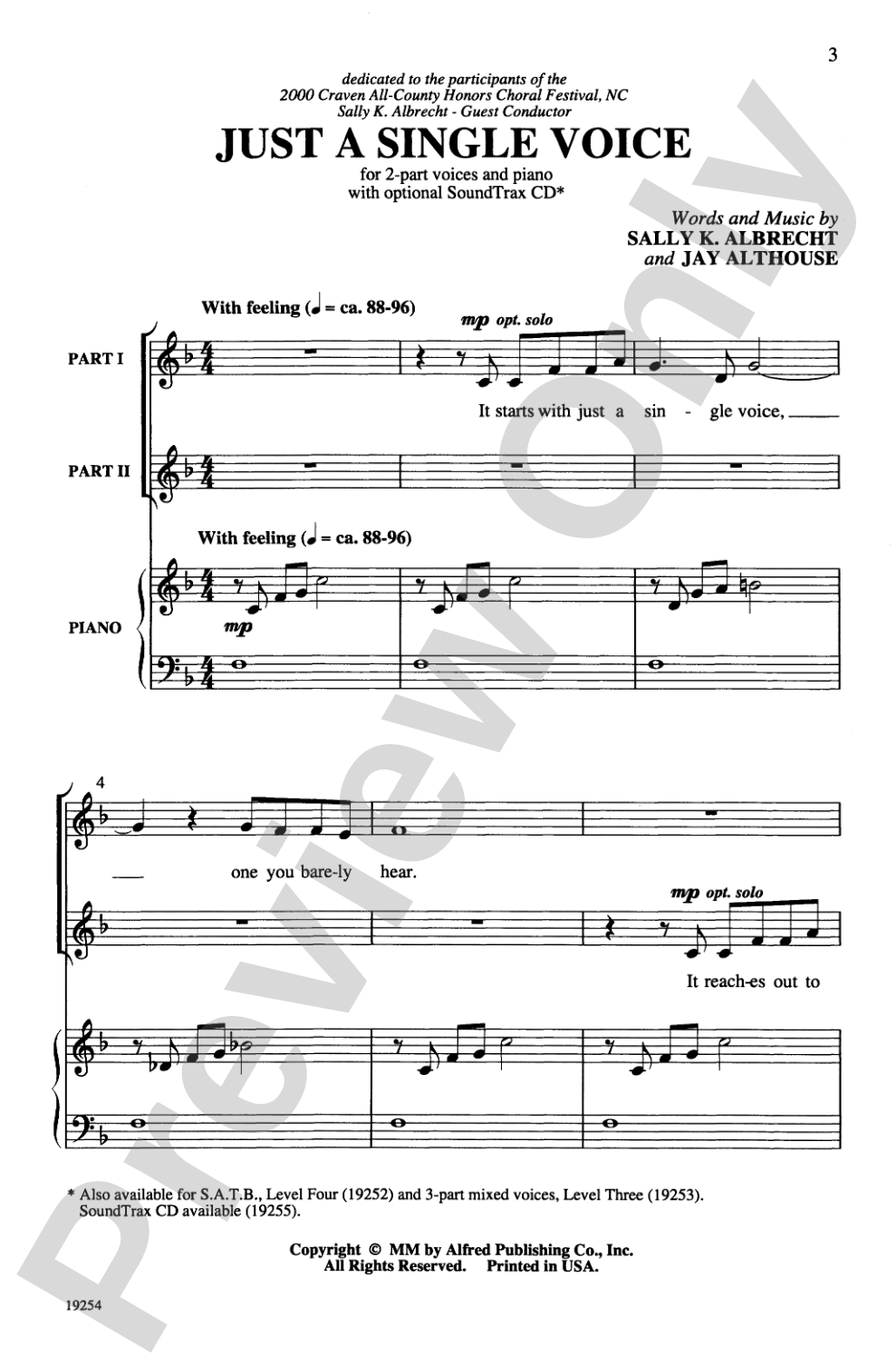
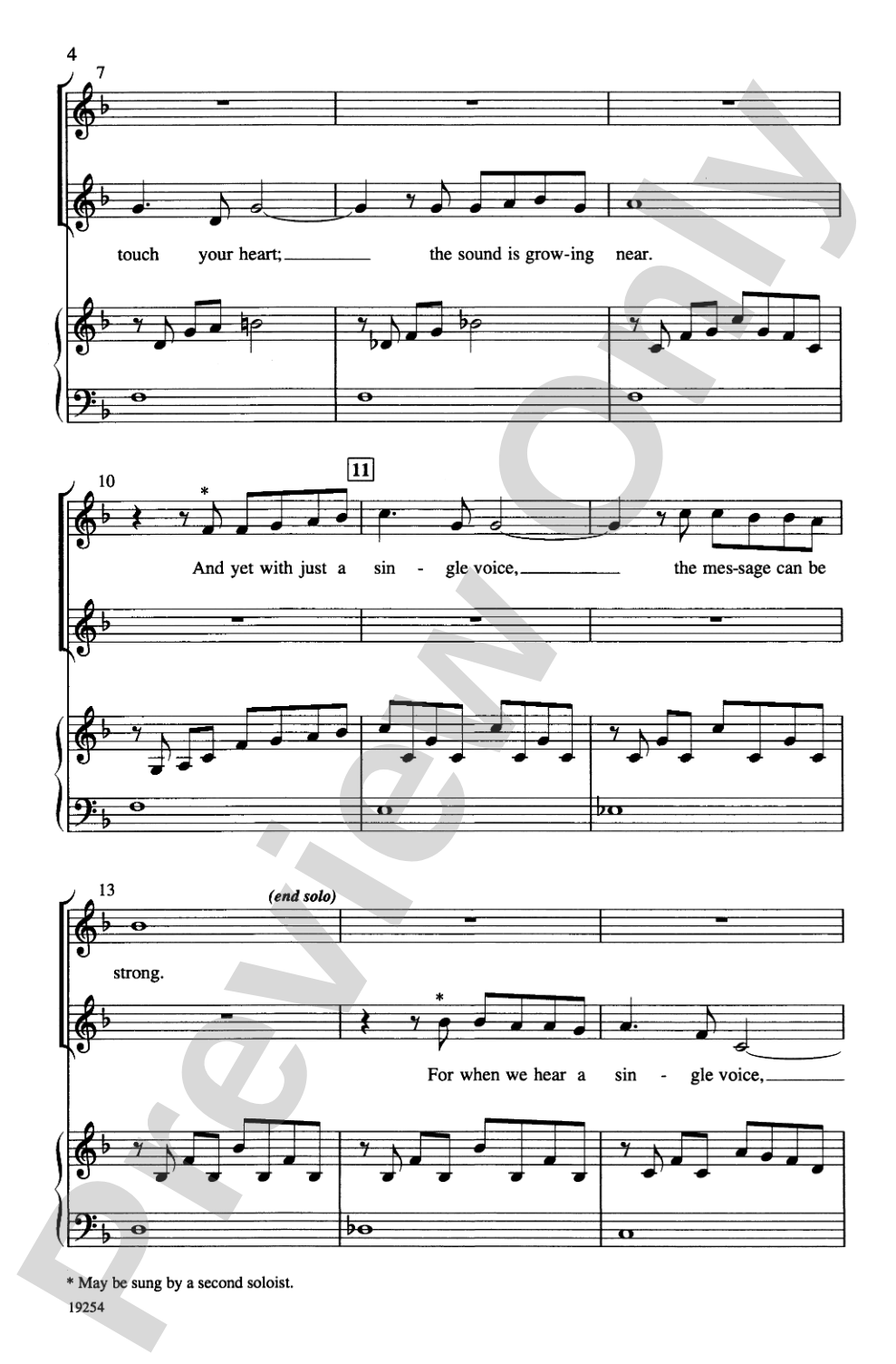
This outstanding work has a multitude of uses: Music in our Schools Month, music advocacy, graduation, concert opener. But you might sing it simply because it's a beautiful "music" song that will touch your singers. It opens with two optional solos ("It starts with just a single voice, one you barely hear."), and develops into a strong statement for music ("When voices come together, the message can be strong."). Perfect for vocal groups of any age, or for combined choral concerts.


Just a Single Voice: 2-Part Choral Octavo isn't in MakeMusic Cloud just yet...but it could be. Let us know you'd like to see it, and you'll help shape what comes next. In the meantime, start a free trial and dive into thousands of interactive titles your students can play along with today.
Request This Title
Tell us you want it.
Start Your Free Trial
Explore everything that's ready to play right now.
Sample Audio
1
Audio File
--:--
0:00
0:00
Sample Video
No sample videos found.
Additional Details
Series:
Alfred Archive Edition: Alfred Choral Designs
Publisher:
Alfred Music
Page Count:
12
SKU:
00-PO-0002868
More about this title
About the Composer: Sally K. Albrecht
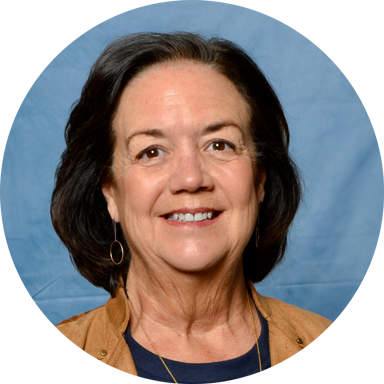
Sally K. Albrecht has shaped American choral music for over three decades as a composer, conductor, and clinician whose work emphasizes the integration of movement with vocal performance. Her catalog includes more than 600 choral publications and 75 larger works for stage, complemented by consistent recognition from ASCAP since 1987. She has led honor choirs at major venues including Lincoln Center, Carnegie Hall, and The Kennedy Center, and served as Director of School Choral, Vocal, and Elementary Publications for Alfred Music and other leading educational publishers.
Albrecht holds degrees from Rollins College (B.A. in Music and Theater, 1976), the University of Miami (M.A. in Drama, 1977; M.M. in Accompanying, 1979), and has taught at Oakland University, Jersey City State College, and Meredith College. She was named Distinguished Alumna by both the University of Miami Frost School of Music and Rollins College, where she serves on the Board of Trustees. She lives in Wake Forest, North Carolina, with her husband Jay Althouse, a composer and arranger in his own right.
Why we love this
Albrecht and Althouse have written a piece that does genuine work for your program without feeling like a sermon. The two optional opening solos set an intimate stage, then the music builds to a statement about collective power that resonates whether you're singing it for Music in Our Schools Month, a graduation, or simply because your singers need to feel why they're here. It's accessible enough for younger choirs but substantive enough that high school ensembles will sing it with conviction.
What to expect
The piece opens as intimate and almost hesitant, with those solo lines suggesting vulnerability and self-doubt. As more voices enter, the texture grows warmer and more assured, building toward a moment where individual singers recognize their own voice as part of something larger and more powerful than themselves. It's fundamentally hopeful without being naive.
Who it's for
This piece works beautifully with treble or mixed choirs at any age level, from middle school through adult community ensembles. Its accessibility in two-part voicing means directors can build a meaningful performance quickly, while the emotional weight ensures singers understand why they're learning it.
How to get the most out of it
- Allow the optional solos to breathe and land with transparency. If singers are reluctant to step forward, consider having two singers share each solo line rather than assigning one voice per part.
- Shape the dynamic arc carefully through the middle section so the final statement feels earned rather than imposed. Let the text guide your tempo and weight.
- Pay attention to the two-part writing at moments where voices might naturally want to drift into unison. The harmony matters even when the texture feels simple.
How to use it
Open a concert with this piece to set a reflective, purposeful tone before moving into other repertoire. It also serves as a natural choice for music advocacy events, graduation ceremonies, or any program where you want to remind both your singers and your audience why music matters. The recorded accompaniment option lets you program it flexibly, whether as a stand-alone moment or alongside other works.
Skills your students will build
- Reading and sustaining two-part harmony independently
- Blending in small vocal groups (for the optional solos)
- Controlling dynamic contrast and building climactic moments
- Connecting text meaning to musical shape and phrasing