
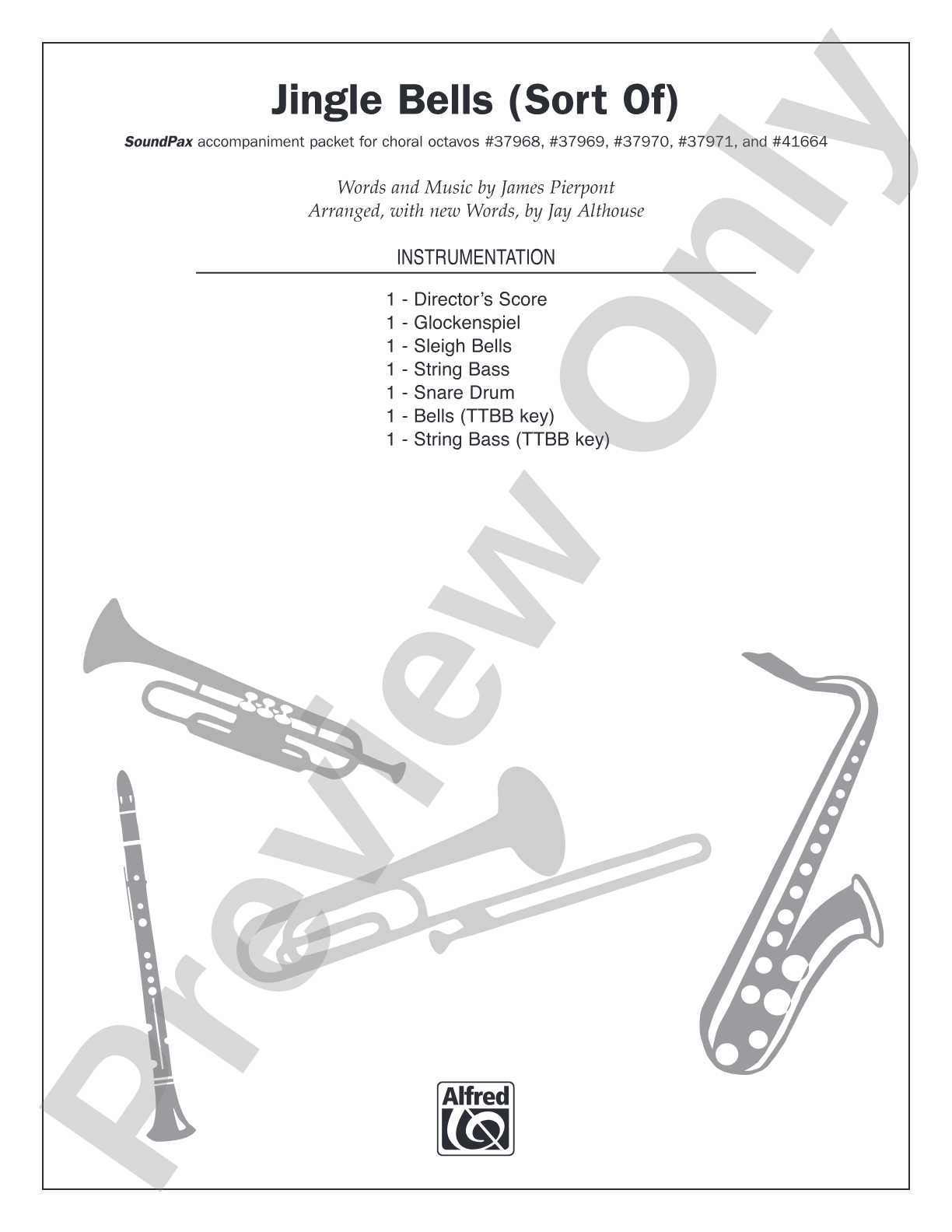

Jingle Bells (Sort Of): Choral SoundPax
Words and music by James Pierpont / arr., with new words, by Jay Althouse
Item: 00-PK-0005117

$25.00
Pickup currently not available
Buy Extra Parts (Digital PDF Download)
Parts Added to Cart!
Related Items
Jingle Bells (Sort Of): SoundTrax Digital Audio Download |
$27.99
|
View | |
Jingle Bells (Sort Of): SATB Choral Octavo |
$2.05
|
View | |
Jingle Bells (Sort Of): 3-Part Mixed (with Opt. Baritone) Choral Octavo |
$2.05
|
View | |
Jingle Bells (Sort Of): SSA Choral Octavo |
$2.05
|
View | |
Jingle Bells (Sort Of): TTBB Choral Octavo |
$1.85
|
View | |
Jingle Bells (Sort Of): 2-Part Choral Octavo |
$2.05
|
View | |
Jingle Bells (Sort Of): SATB Choral Octavo |
$2.05
|
View | |
Jingle Bells (Sort Of): 3-Part Mixed (with Opt. Baritone) Choral Octavo |
$2.05
|
View | |
Jingle Bells (Sort Of): SSA Choral Octavo |
$2.05
|
View | |
Jingle Bells (Sort Of): TTBB Choral Octavo |
$1.85
|
View | |
Jingle Bells (Sort Of): 2-Part Choral Octavo |
$2.05
|
View | |
Jingle Bells (Sort Of): Choral Octavo SoundTrax CD |
$27.99
|
View | |
Jingle Bells (Sort Of): Choral SoundPax |
$25.00
|
View |
Description
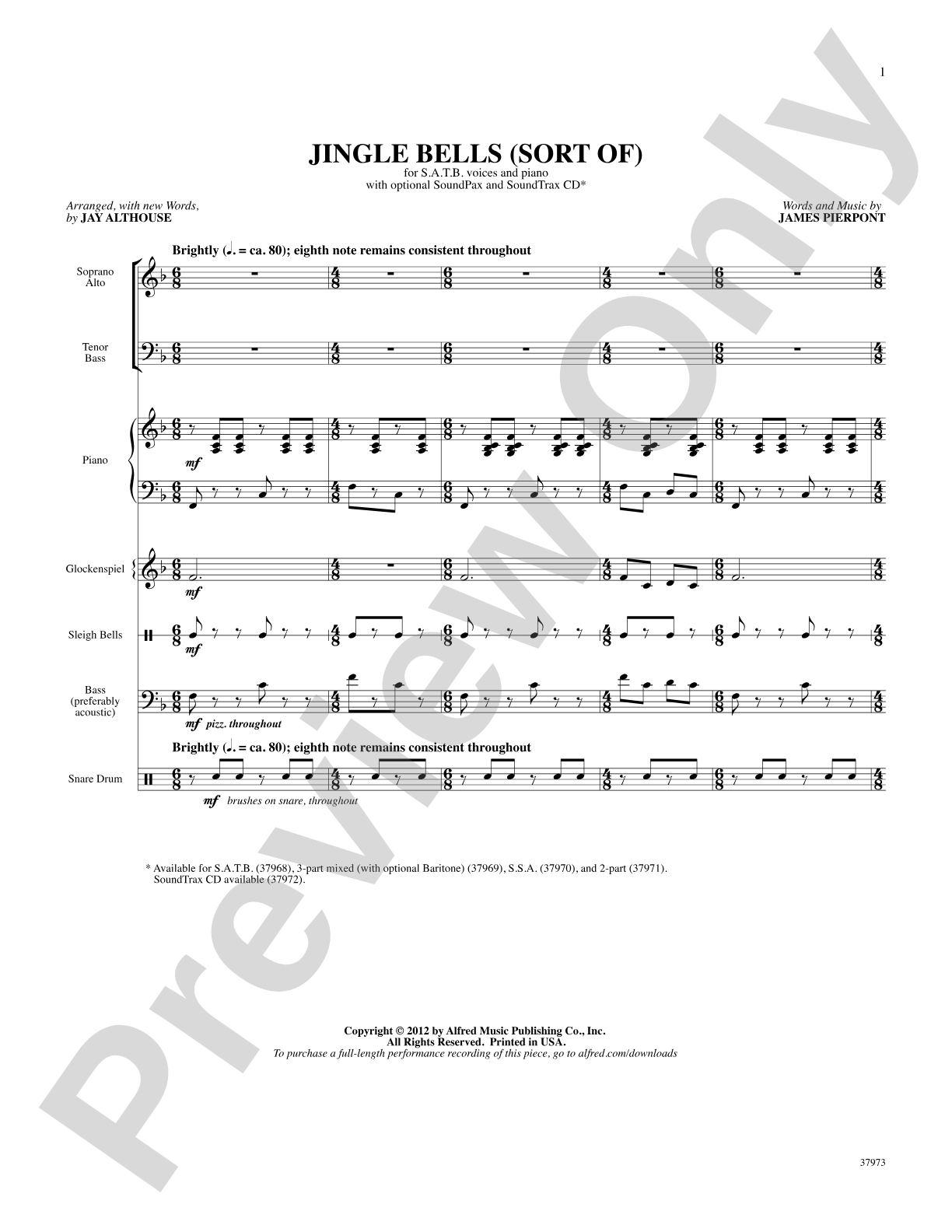
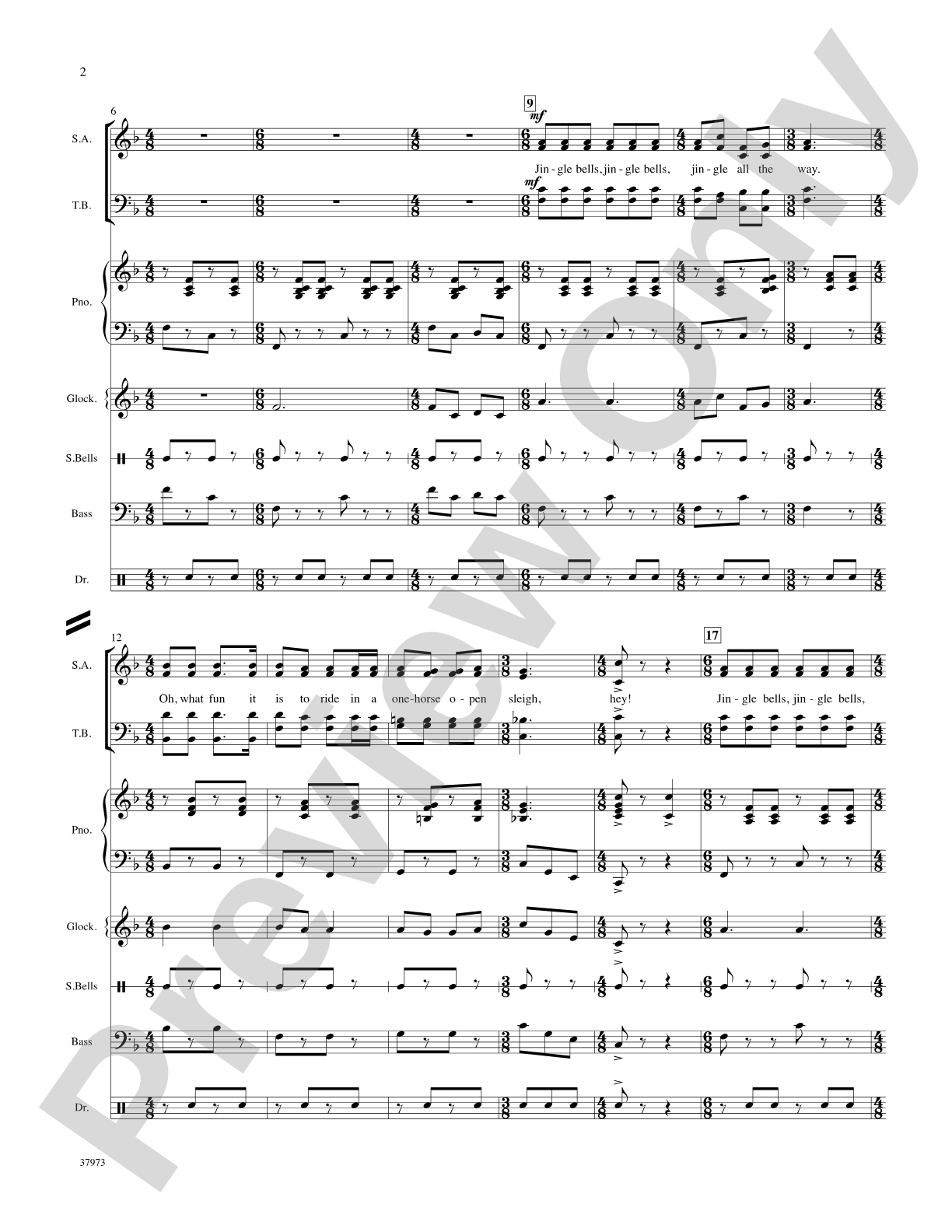
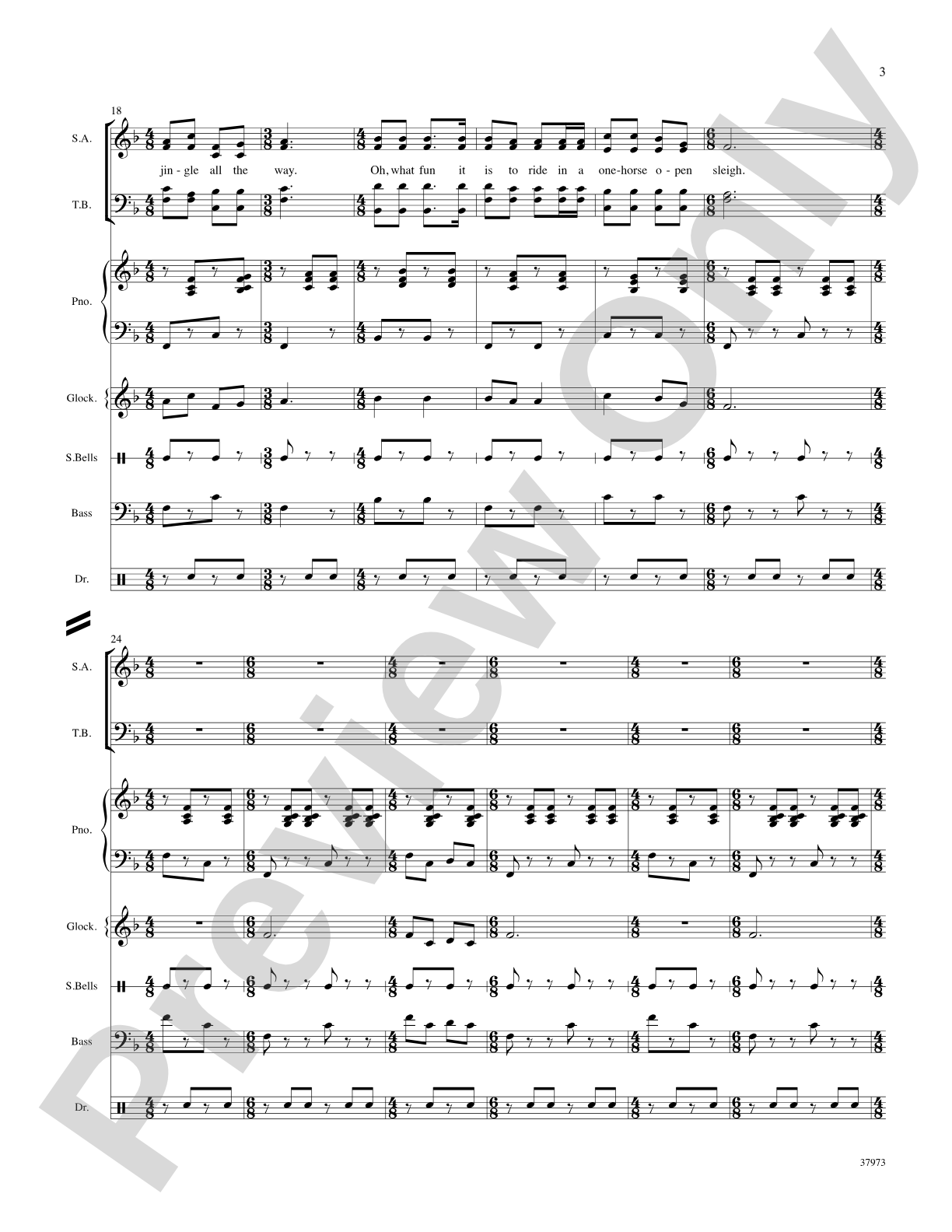
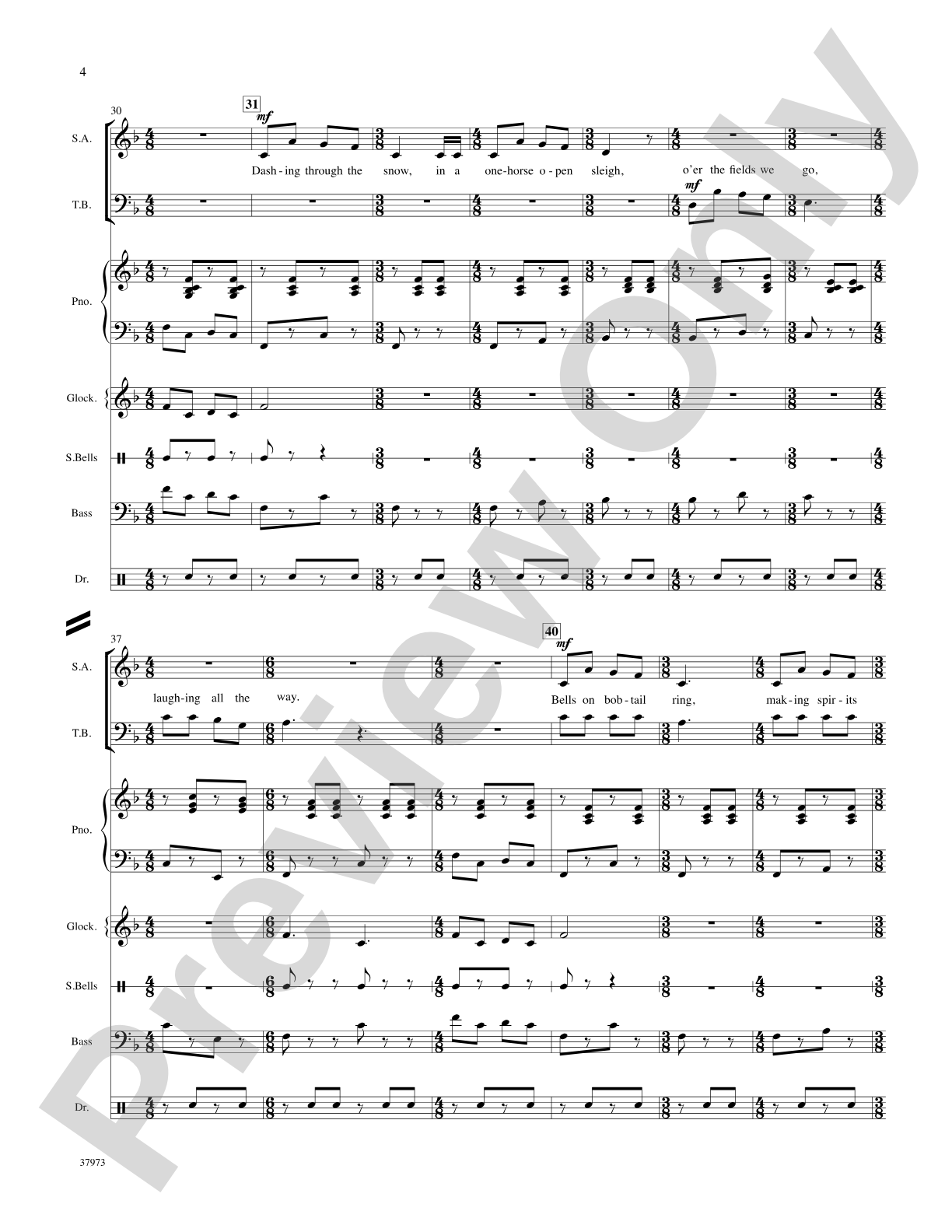
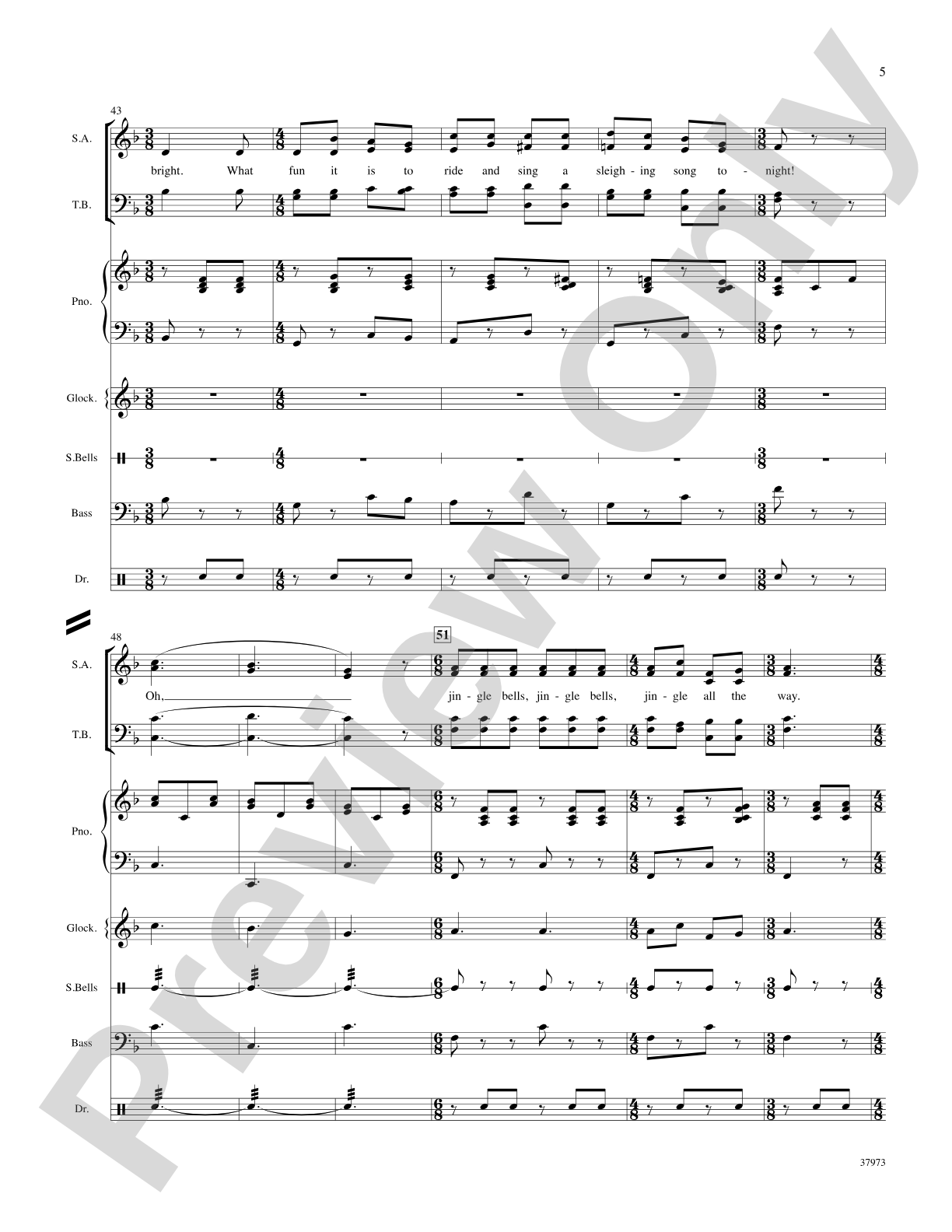
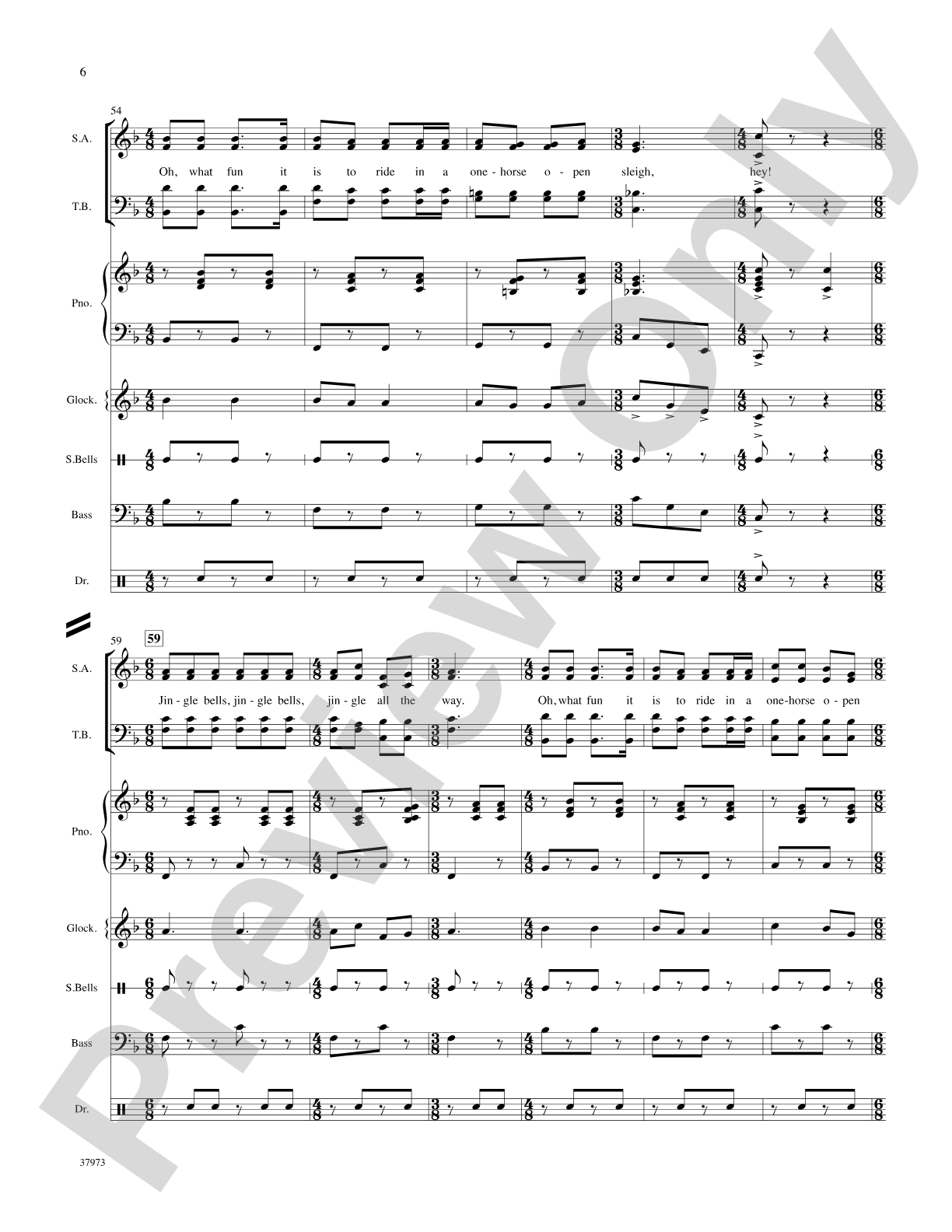
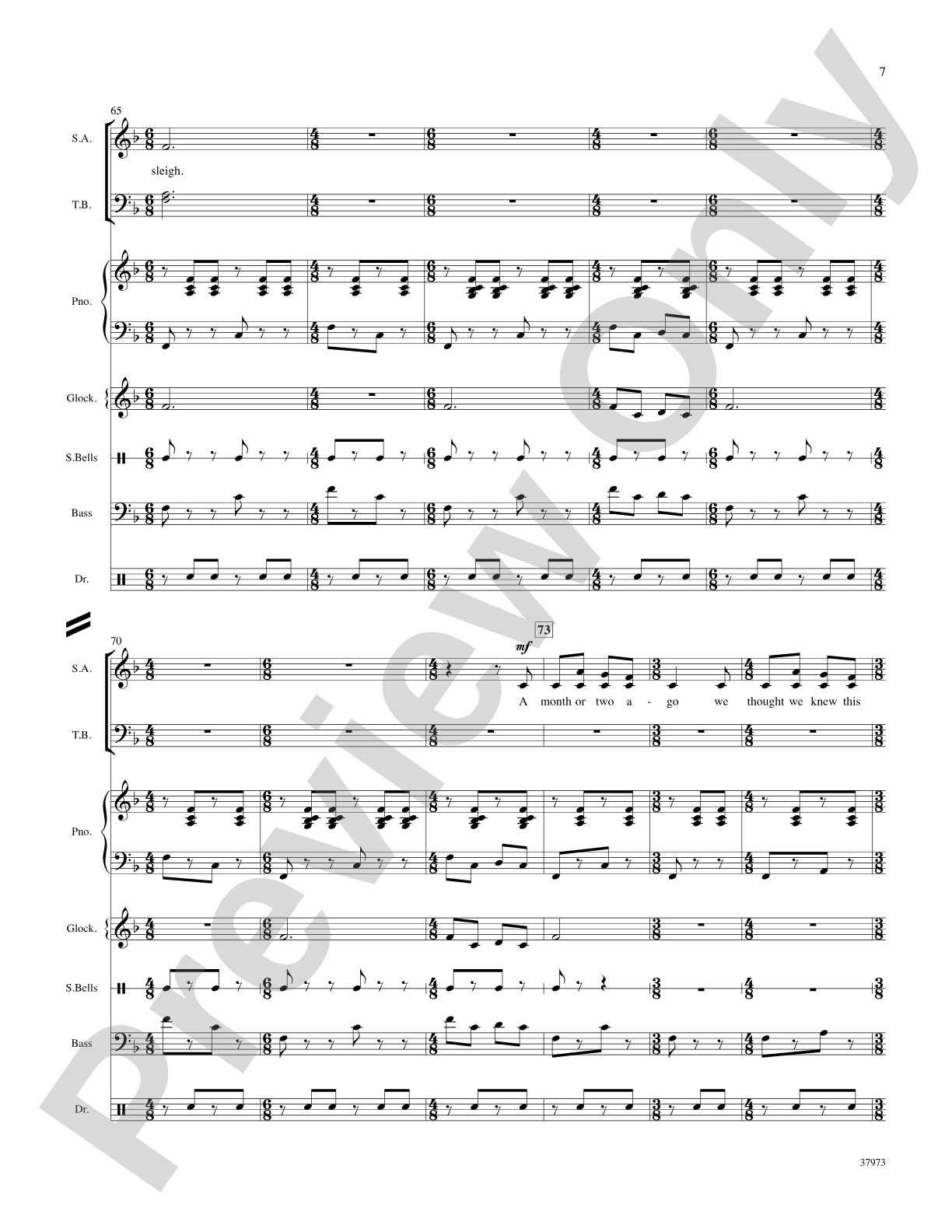
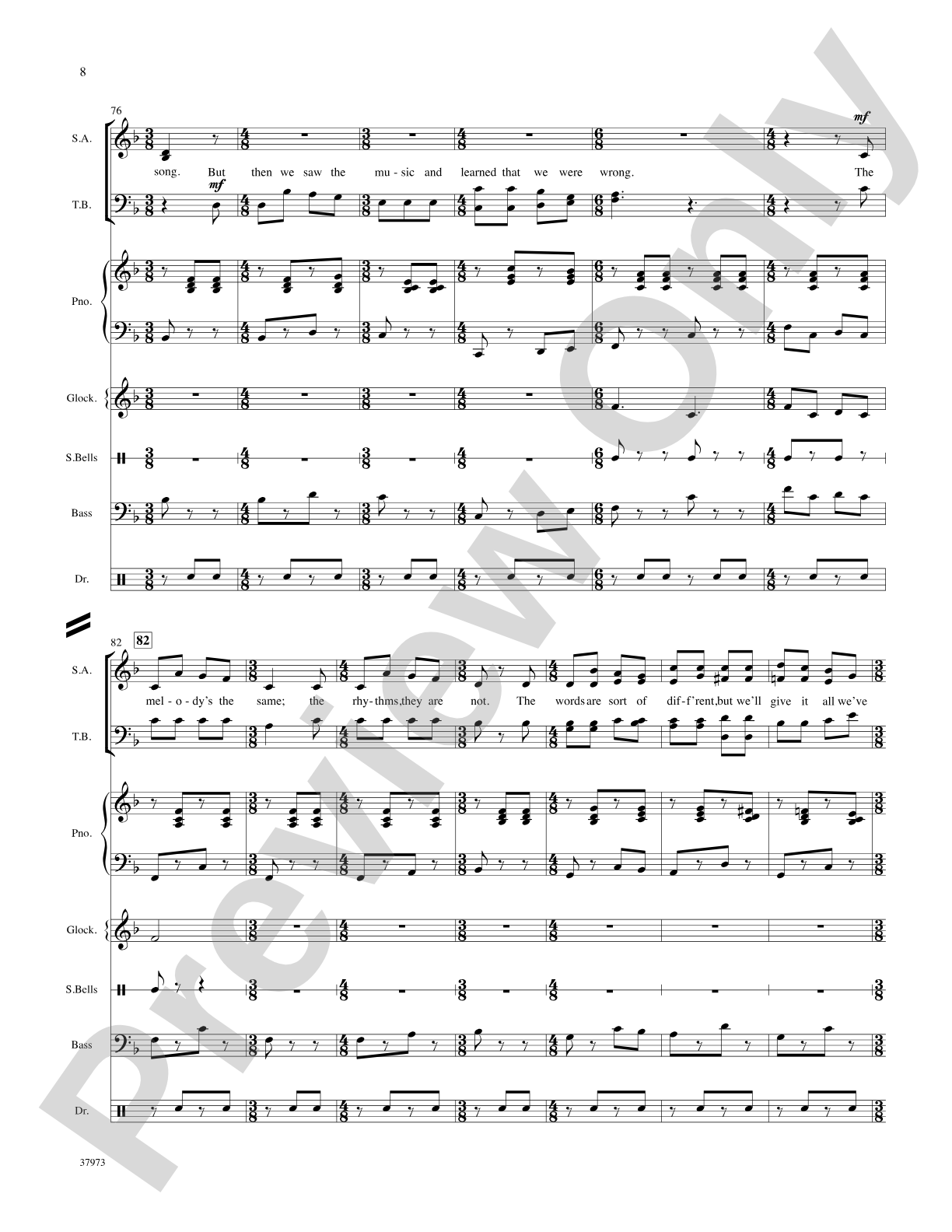
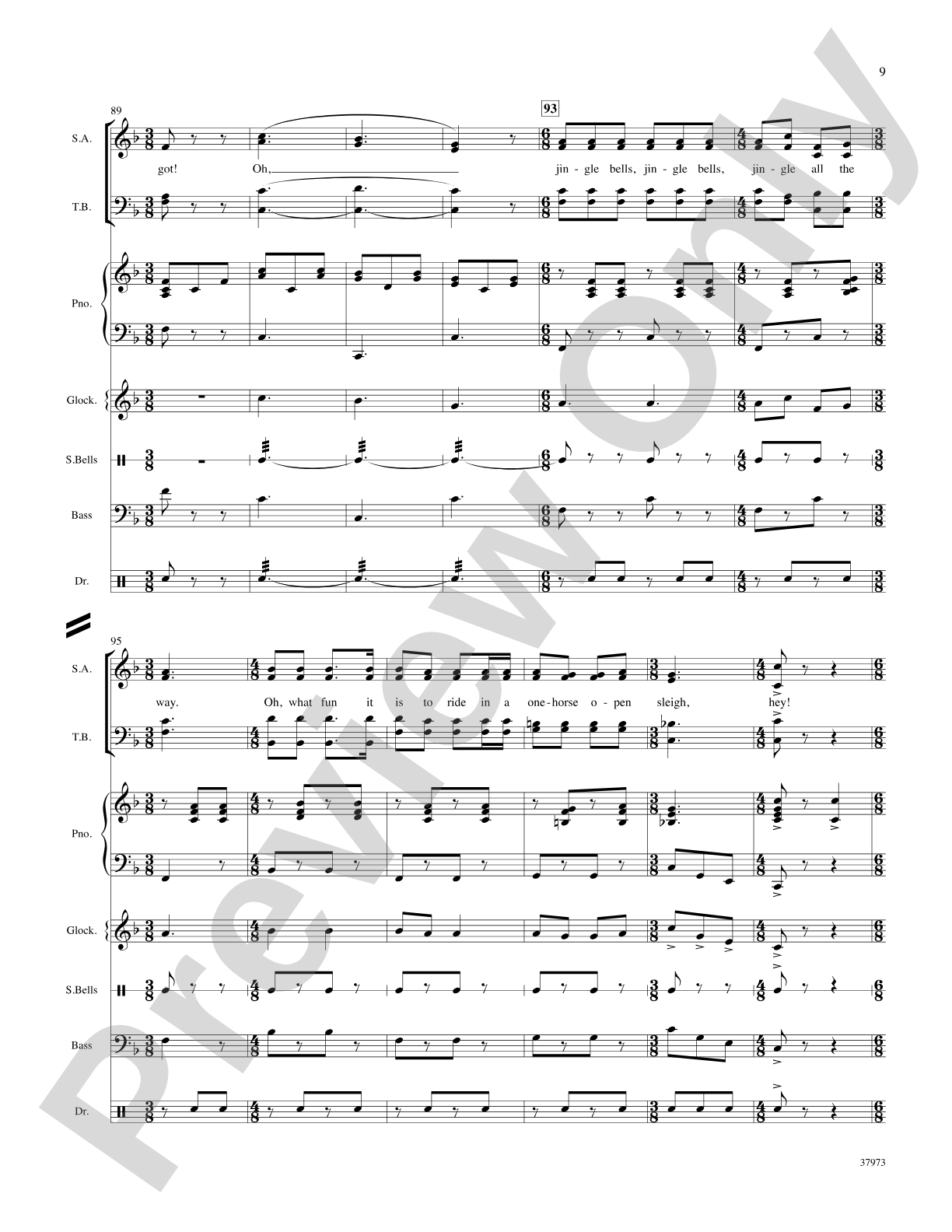
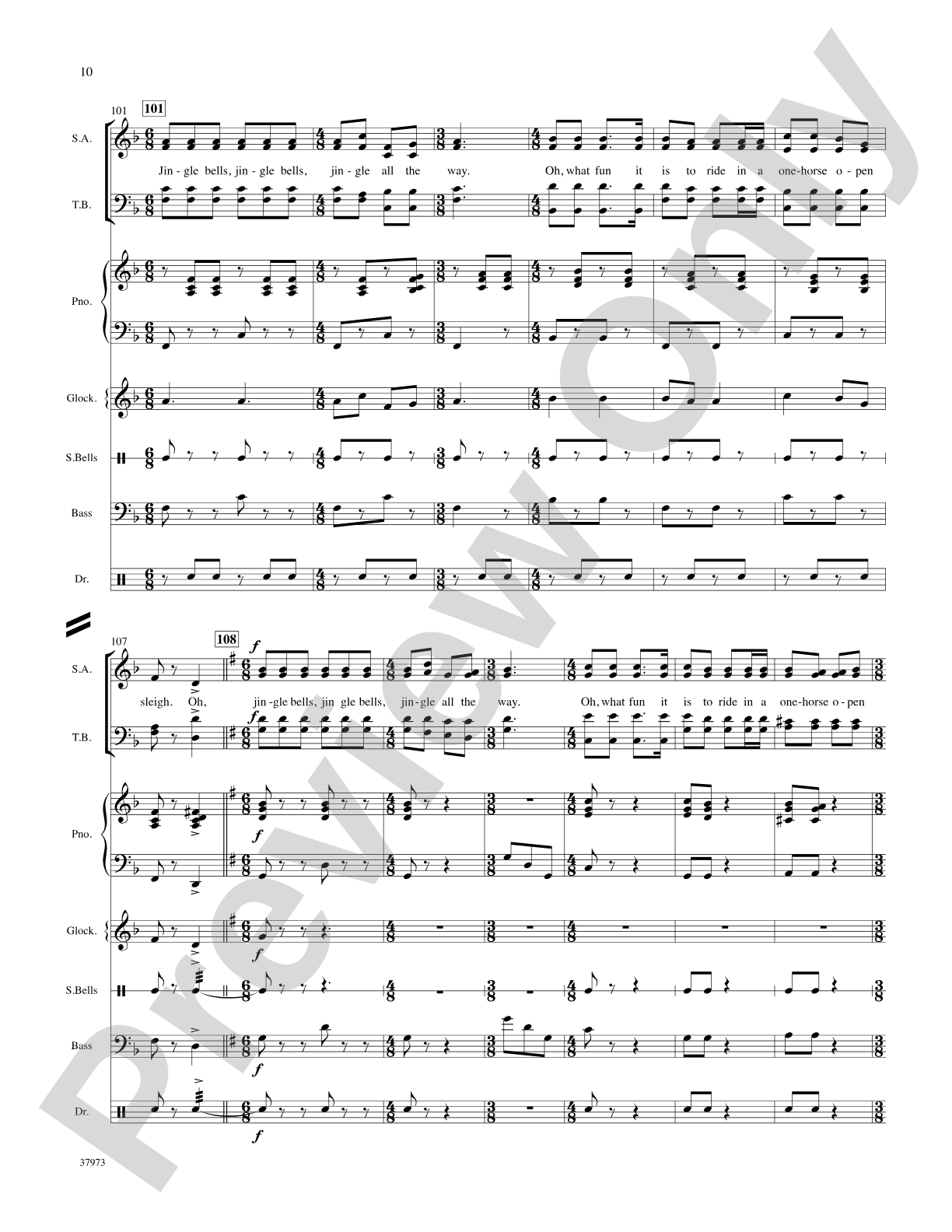
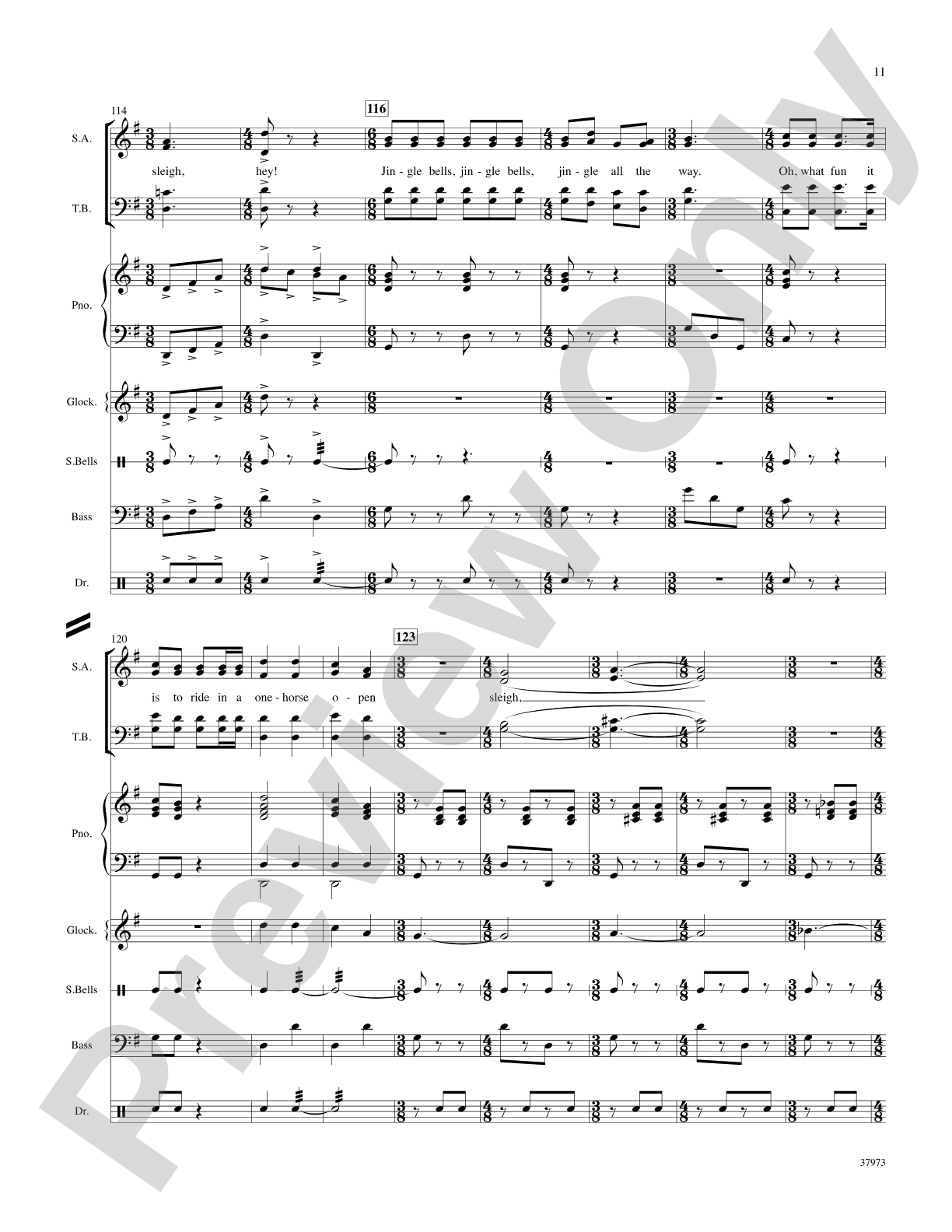
What a mixed-up, mixed meter, crazy and fun arrangement of "Jingle Bells!" As the lyric states, "The melody's the same; the rhythms, they are not."


Don't just read it, hear it, play along with it, and watch your students grow with it. In MakeMusic Cloud, Jingle Bells (Sort Of): Choral SoundPax comes alive with professional accompaniment, adjustable tempo, and built-in practice tools that turn solo practice into real progress.
Open in the Player
Jump straight in and assign it today.
Start Your Free Trial
Open this title and explore the full library in minutes.
Sample Audio
1
Audio File
--:--
0:00
0:00
Sample Video
No sample videos found.
Additional Details
Series:
Alfred Choral Designs
Publisher:
Alfred Music
Page Count:
16
SKU:
00-PK-0005117
Instrumentation:
SoundPax
More about this title
About the Composer: James Pierpont
James Pierpont (1822–1893) composed one of the most enduring melodies in American music. Originally published in 1857 as "One Horse Open Sleigh," the piece was later retitled "Jingle Bells" and has become synonymous with winter celebration across generations. Pierpont's gift for memorable, singable melody made his work ideal for arrangement and variation, a quality that continues to inspire musicians and educators today.
For music educators, Pierpont's original melody serves as a perfect foundation for creative exploration. The simplicity and accessibility of "Jingle Bells" allow arrangers and composers to build complexity around a familiar anchor, making it an excellent teaching vehicle for rhythm, form, and musical creativity.
Why we love this
Jay Althouse's reharmonization and rhythmic reimagining breathes new energy into a tune students know by heart, making it an ideal closer for holiday programs or a novelty number that lands reliably with audiences. The mixed meter construction delivers genuine musical surprise while the SoundPax format keeps ensemble preparation manageable. Directors appreciate arrangements that honor the source material while challenging singers to think rhythmically and stay engaged with familiar music.
What to expect
The music is playful and slightly off-balance in the most deliberate way. Just when the ear settles into one rhythmic groove, the meter shifts, creating a sense of musical whimsy that matches the mischievous energy of the lyric. It feels fresh and modern, yet anchored in the melody everyone recognizes.
Who it's for
This arrangement works best with high school choirs and above, where singers have the rhythmic flexibility and musical maturity to navigate mixed meters without losing their part. It suits ensembles comfortable reading contemporary notation and ready to embrace a comedic, energetic performance style. School and community choirs preparing holiday programs will find this piece engaging and distinctly different from traditional seasonal fare.
How to get the most out of it
- Establish a strong beat reference with your rhythm section before rehearsing with the full choir. The meter shifts will feel natural once the pulse is locked in.
- Isolate each rhythmic phrase by singing it on a neutral syllable ("ta" or "da") before adding text. This builds security in the unfamiliar rhythmic patterns.
- Use the recorded accompaniment during early rehearsals to anchor the ensemble's rhythmic confidence. Once comfortable, rehearse without it to develop independence.
- Highlight the humor in performance. A slightly playful energy honors the novelty spirit of the arrangement and keeps the audience engaged with the rhythmic twists.
How to use it
Program this as an opener or second piece to set a lighter, more contemporary tone early in your concert. It works well alongside other novelty arrangements or as a palate-cleansing contrast between serious choral works. The SoundPax format makes it manageable as a late-addition feature if you need something quick and reliable for December programming.
Skills your students will build
- Reading and performing mixed meter transitions (primarily 4/4 and 3/4)
- Maintaining rhythmic independence when the ensemble shifts meters
- Lyrical clarity and text delivery in rhythmically complex settings
- Sight-reading contemporary choral notation
- Responding to accompaniment cues and rhythmic anchors