Jazz Vocal Solos with Combo Accompaniment Cover Image

Jazz Vocal Solos with Combo Accompaniment: B-flat Tenor Saxophone Book

$8.95 USD
Sale price  $8.95 USD Regular price 
Skip to product information
Jazz Vocal Solos with Combo Accompaniment Cover Image

Jazz Vocal Solos with Combo Accompaniment: B-flat Tenor Saxophone Book

Arr. Dave Wolpe

Level: Intermediate Plus

Item: 00-SPVM03004

$8.95
Shipped

One moment…

Description
Titles are: Do Nothin' Till You Hear from Me * Embraceable You * How Long Has This Been Going On? * The Lady Is a Tramp * Love Is Here to Stay * The Man I Love * Moonlight in Vermont * Nice Work If You Can Get It * Summertime (from Porgy and Bess) * You Do Something to Me.

Jazz Vocal Solos with Combo Accompaniment: B-flat Tenor Saxophone Book isn't in MakeMusic Cloud just yet...but it could be. Let us know you'd like to see it, and you'll help shape what comes next. In the meantime, start a free trial and dive into thousands of interactive titles your students can play along with today.

Sample Pages

No sample pages found.

Sample Audio
No sample audio found.
Sample Video
Additional Details
Publisher: Alfred Music
Page Count: 24
ISBN10: 0-7579-1230-3
ISBN13: 978-0-7579-1230-6
UPC: 654979058151
SKU: 00-SPVM03004
Instrumentation: B-flat Tenor Saxophone

More about this title

About the Arranger: Dave Wolpe
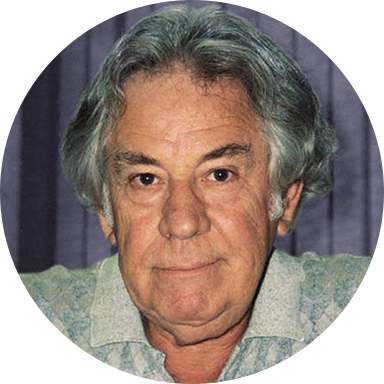
Dave Wolpe

Dave Wolpe has been arranging music professionally since 1965, bringing decades of experience in both big band and ensemble writing. His work with the Glenn Miller Orchestra spans dozens of arrangements, and he shares co-arranger credit on the platinum-selling recording In the Christmas Mood. Throughout his career, he has supplied arrangements to bandleaders Ray Anthony, Lawrence Welk, and Les Brown, establishing himself as a trusted voice in traditional jazz and swing contexts.

Why we love this

Wolpe's voicings honor the harmonic sophistication of these standards while writing saxophone parts that sit naturally in the intermediate-plus range. The combo accompaniment stays lean and responsive, letting the tenor saxophone breathe as the primary voice without overwhelming it. This collection proves that jazz education repertoire doesn't have to sacrifice musicality or authenticity.

What to expect

These are timeless songs with real melodic personality, arranged with the kind of understated elegance that lets the tune and the player do the talking. The combo accompaniment feels like a small group sitting in, not a backing track; the saxophone soloist is genuinely in conversation with piano, bass, and drums. There's warmth here, not showiness.

Who it's for

Intermediate-plus tenor saxophonists ready to tackle jazz standards with a working understanding of swing style and chord changes. Jazz ensembles looking for accessible, authentic-sounding repertoire that develops soloing skills without requiring advanced harmonic or technical work. Programs seeking single-solo vehicles that let one player shine while keeping the ensemble engaged.

How to get the most out of it

  • Listen to classic tenor recordings of these tunes (Dexter Gordon, John Coltrane, Sonny Rollins) to understand the stylistic phrasing and vibrato that shapes authentic jazz interpretation.
  • Work the rhythm section into rehearsal early so the saxophone soloist can hear the groove and trading feel of the accompaniment rather than learning parts in isolation.
  • Mark breath points and phrase endings clearly in your part; these standards reward singers and horn players who understand lyrical storytelling, not just technical accuracy.
  • Pay attention to the swing eighth-note feel and articulation style that Wolpe indicates; sloppy rhythm section time will expose unevenness in the soloist's sound.

How to use it

Feature one or two of these in a jazz concert to let your most developed tenor soloist demonstrate interpretive maturity. You might pair them with a blues or bebop head arrangement to show range across the jazz repertoire, or use them as a recital vehicle for an advanced student who's ready for standards-based performance. These also work beautifully in small-combo settings outside the big band context.

Skills your students will build

  • Swing eighth-note phrasing and articulation
  • Reading jazz chord changes and understanding harmonic movement
  • Soloing over standards and trading phrases with a rhythm section
  • Interpretation of rubato and lyrical phrasing in jazz contexts
  • Listening and responding to ensemble time and groove

You May Also Like