Jazz Vocal Solos with Combo Accompaniment Cover Image

Jazz Vocal Solos with Combo Accompaniment: Vocal Soloist Book

$8.95 USD
Sale price  $8.95 USD Regular price 
Skip to product information
Jazz Vocal Solos with Combo Accompaniment Cover Image

Jazz Vocal Solos with Combo Accompaniment: Vocal Soloist Book

Arr. Dave Wolpe

Level: Intermediate Plus

Item: 00-SPVM03001

$8.95
Shipped

One moment…

Description
Titles are: Do Nothin' Till You Hear from Me * Embraceable You * How Long Has This Been Going On? * The Lady Is a Tramp * Love Is Here to Stay * The Man I Love * Moonlight in Vermont * Nice Work If You Can Get It * Summertime (from Porgy and Bess) * You Do Something to Me.

Jazz Vocal Solos with Combo Accompaniment: Vocal Soloist Book isn't in MakeMusic Cloud just yet...but it could be. Let us know you'd like to see it, and you'll help shape what comes next. In the meantime, start a free trial and dive into thousands of interactive titles your students can play along with today.

Sample Pages

No sample pages found.

Sample Audio
No sample audio found.
Sample Video
Additional Details
Publisher: Alfred Music
Page Count: 24
ISBN10: 0-7579-1227-3
ISBN13: 978-0-7579-1227-6
UPC: 654979058120
SKU: 00-SPVM03001

More about this title

About the Arranger: Dave Wolpe
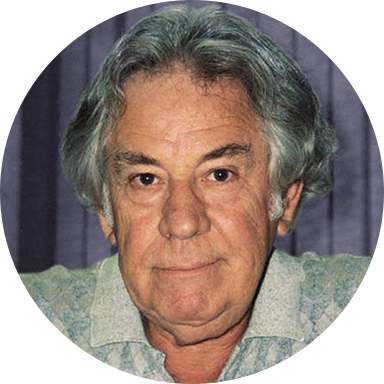
Dave Wolpe

Dave Wolpe has been arranging music professionally since 1965, bringing decades of experience to his work with some of jazz's most celebrated ensembles. His arrangements have been featured with the Glenn Miller Orchestra, and he served as co-arranger on the platinum-selling CD In the Christmas Mood. Throughout his career, he has created arrangements for orchestras led by Ray Anthony, Lawrence Welk, and Les Brown, establishing himself as a trusted voice in the big band and jazz arrangement community.

Why we love this

Wolpe's arrangements capture the sophistication of these standards while remaining genuinely singable for intermediate-plus vocalists. The combo voicings offer enough harmonic interest to keep jazz musicians engaged without overwhelming the soloist, and the selection of tunes covers everything from swinging uptempo numbers to intimate ballads, giving directors real variety for a concert or recital.

What to expect

These arrangements land in the heart of classic American songwriting, where elegance and swing naturally coexist. Whether navigating the sophistication of 'Embraceable You' or the upbeat charm of 'Nice Work If You Can Get It,' the soloist is supported by accompaniment that honors the songs' timeless appeal while maintaining the flexibility jazz performance demands.

Who it's for

Jazz ensembles with an intermediate-plus vocalist looking to expand their recital or concert repertoire with well-crafted, historically grounded standards. Directors working with singers who have solid jazz phrasing skills and ensemble experience will find these arrangements both rewarding and accessible.

How to get the most out of it

  • Balance the vocal line above the combo; the accompaniment should support, not compete. Work with your rhythm section to dial back the density during the melody statements.
  • Treat these arrangements as conversational. The soloist and combo are trading energy, so encourage dynamic phrasing rather than static delivery throughout each tune.
  • Lock the time feel early in rehearsals. Jazz vocal phrasing depends on a rock-solid rhythmic foundation from bass and drums, so nail that pocket first.
  • Shape the lyrical content. These standards carry emotional weight; mining the storytelling in tunes like 'The Man I Love' or 'Moonlight in Vermont' will elevate the arrangement's impact.

How to use it

Feature these as a full jazz vocal recital, or select individual tunes to anchor a mixed jazz concert that balances ensemble numbers with solo spotlights. The variety of tempos and moods makes it easy to program complementary pairs; for instance, pairing an uptempo swinger with a ballad creates natural programming momentum.

Skills your students will build

  • Jazz phrasing and breath placement within swing rhythm
  • Lyrical interpretation and emotional storytelling in standards
  • Ensemble listening and responding to combo accompaniment in real time
  • Improvisation within the form (if encouraged by the director)
  • Navigating harmonic sophistication and chord changes

You May Also Like