Jambo, Karibu Kwa Afrika Cover Image

Jambo, Karibu Kwa Afrika: Choral Octavo SoundTrax CD

$27.99 USD
Sale price  $27.99 USD Regular price 
Skip to product information
Jambo, Karibu Kwa Afrika Cover Image

Jambo, Karibu Kwa Afrika: Choral Octavo SoundTrax CD

Music by Patsy Ford Simms

Item: 00-20109

$27.99
Shipped

One moment…

Description
"Hello, welcome to Africa." Patsy Simms has crafted the piece in the traditional African style with brief joyous solos (or small groups) followed by responses from the choir. Much of the text is in English and the Swahili phrases are easy and fun to sing (pronunciation guide included). It's happy, jubilant, and repetition makes it easy to learn. Don't miss the "world music" SoundTrax CD.

Jambo, Karibu Kwa Afrika: Choral Octavo SoundTrax CD isn't in MakeMusic Cloud just yet...but it could be. Let us know you'd like to see it, and you'll help shape what comes next. In the meantime, start a free trial and dive into thousands of interactive titles your students can play along with today.

Sample Pages

No sample pages found.

Sample Audio
0:00
0:00
Sample Video
Additional Details
Series: Alfred Choral Designs
Publisher: Alfred Music
UPC: 038081186733
SKU: 00-20109

More about this title

About the Composer: Patsy Ford Simms
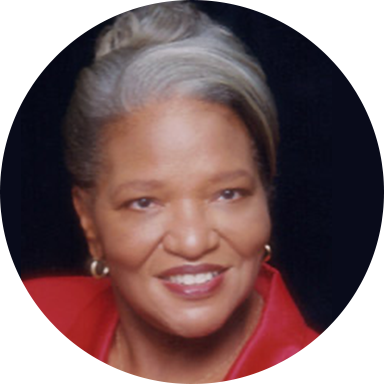
Patsy Ford Simms

Patsy Ford Simms began her publishing career in 1981 and has since composed and arranged over 300 songs across educational and church contexts. Her prolific output emerged from a direct teaching need: during her three decades in K-12 and at the Youth Performing Arts School, she found a shortage of quality choral octavos suited to junior high and middle school voices, so she created them herself. Her academic foundation includes a Bachelor of Science in Music Education from Knoxville College, a Master of Education from the University of Louisville, and a doctorate in Music Education from Columbia Pacific University.

Simms is recognized internationally as a composer, arranger, and clinician, having presented workshops in Italy and Africa and received commissions for concert works and musicals centered on African American history. Two of her compositions were selected for MENC World's Largest Concerts, and she has been honored multiple times with ASCAP Special Music Awards.

Why we love this

Simms writes from lived experience teaching this exact age group, which shows in the piece's design: solos and small group sections give singers individual moments while the call-and-response structure keeps ensemble engagement high. The blend of English text with accessible Swahili phrases (complete with pronunciation guide) opens students to world music without the intimidation factor, and the repetition-based structure means you can teach this efficiently without sacrificing joy.

What to expect

Walking into celebration. The piece radiates warmth and invitation through its call-and-response structure, where soloists and small groups reach out and the full choir answers with equal voice. Energy stays high because the repetition builds familiarity rather than monotony, and the Swahili phrases add color and rhythmic vitality that English alone cannot deliver.

Who it's for

Middle school and junior high choir directors who want to program accessible multicultural repertoire that builds confidence in younger singers. The mixture of English and Swahili text, combined with straightforward melodic writing, makes this ideal for choirs at the early intermediate level.

How to get the most out of it

  • Treat the solo and small group sections as genuine featured moments, not filler between choir responses. These parts often emerge from shy singers when they know they'll have the choir's full support behind them.
  • Use the SoundTrax CD to establish the authentic rhythmic feel and call-and-response timing before teaching parts. Playing it multiple times helps students internalize the African musical style without needing extensive explanation.
  • Have singers practice the Swahili phrases separately, emphasizing the rhythm and musicality alongside pronunciation. When students feel confident with these unfamiliar words, the whole piece gains energy.
  • Encourage bright, forward vowels and a lifted, resilient tone throughout. The jubilant character depends on singers staying energized even during repetitive sections.

How to use it

Pair this with other world music selections in a concert exploring African and diaspora music traditions, or use it as a standalone opener that sets an uplifting, welcoming tone for your program. Its infectious optimism and relatively quick rehearsal timeline make it a strong candidate for spring concerts or assemblies where community engagement and joy matter as much as technical polish.

Skills your students will build

  • Call-and-response singing and listening
  • Pronunciation and singing text in Swahili
  • Solo and small group confidence within a choral context
  • Rhythmic precision in repetitive melodic patterns
  • Awareness of African musical traditions and style conventions

You May Also Like