Jambo, Karibu Kwa Afrika Cover Image

Jambo, Karibu Kwa Afrika: 3-Part Mixed Choral Octavo

$2.25 USD
Sale price  $2.25 USD Regular price 
Skip to product information
Jambo, Karibu Kwa Afrika Cover Image

Jambo, Karibu Kwa Afrika: 3-Part Mixed Choral Octavo

Music by Patsy Ford Simms

Item: 00-20107

makemusic Cloud badge

Need it now?

Buy Digital Version
$2.25
Shipped

One moment…

Description
"Hello, welcome to Africa." Patsy Simms has crafted the piece in the traditional African style with brief joyous solos (or small groups) followed by responses from the choir. Much of the text is in English and the Swahili phrases are easy and fun to sing (pronunciation guide included). It's happy, jubilant, and repetition makes it easy to learn. Don't miss the "world music" SoundTrax CD.

Don't just read it, hear it, play along with it, and watch your students grow with it. In MakeMusic Cloud, Jambo, Karibu Kwa Afrika: 3-Part Mixed Choral Octavo comes alive with professional accompaniment, adjustable tempo, and built-in practice tools that turn solo practice into real progress.

Sample Pages

Sample Audio
0:00
0:00
Sample Video
Additional Details
Series: Alfred Archive Edition: Alfred Choral Designs
Publisher: Alfred Music
Page Count: 12
UPC: 038081186719
SKU: 00-20107

More about this title

About the Composer: Patsy Ford Simms
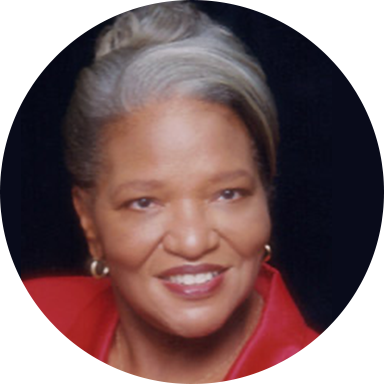
Patsy Ford Simms

Patsy Ford Simms began composing and arranging during her teaching career at the middle school level, responding to a genuine shortage of engaging choral repertoire for young voices. Her prolific output spans over 300 songs created for educational and church settings across multiple publishing houses, including Shawnee Press. She holds a Bachelor of Science in Music Education from Knoxville College, a Master of Education from the University of Louisville, and a doctorate in Music Education from Columbia Pacific University.

Simms spent three decades teaching K-12 students and faculty at the Youth Performing Arts School before retiring from full-time classroom work. Her arrangements and compositions have earned her recognition as a clinician and presenter internationally, with performances documented in Italy and Africa. Among her honors are selections for two MENC World's Largest Concerts and multiple ASCAP Special Music Awards. She has also composed short musicals centered on African American history and accepted commissioned works.

Why we love this

Simms builds real call-and-response music here, not just a catchy tune that happens to have solos. The alternation between brief joyous moments and full choir responses creates natural phrasing opportunities and keeps engagement high across rehearsals. SAB voicing paired with Swahili phrases and a pronunciation guide removes barriers for teachers working with students unfamiliar with world music traditions, making this genuinely accessible without feeling simplified.

What to expect

The music pulses with warmth and invitation. Swahili greetings unfold naturally alongside English text, and the back-and-forth between soloists and choir creates momentum that feels conversational and alive. This is music designed to lift spirits and build community through singing.

Who it's for

Middle school and high school choirs working with SAB or mixed three-part voicing. Directors looking for repertoire that celebrates multicultural traditions while honoring authentic musical style rather than relying on stereotypes. Any ensemble seeking material that energizes audiences and builds ensemble cohesion through call-and-response structures.

How to get the most out of it

  • Isolate the response sections first. Have the full choir master these repeated phrases until they land with rhythmic precision, then layer in the solo lines so contrasts feel intentional rather than choppy.
  • Lean into the jubilant character by encouraging lifted articulation on repeated text. The joy comes through clarity of diction and energy, not volume.
  • Shape each solo moment so it feels like a conversation starter, not a spotlight grab. Soloists should invite the choir response, not stand apart from it.
  • Use the recorded accompaniment to establish the African style and harmonic context early in rehearsal. Students will absorb phrasing and rhythmic feel faster with the full sound as reference.

How to use it

Program this as a concert opener or closer to set an uplifting tone. Its multicultural foundation and accessible joy make it an ideal pairing with other world music selections or as a standalone moment in a program exploring diverse traditions. The jubilant character and engaging structure also serve well in school assemblies and community events where inclusivity and accessibility matter.

Skills your students will build

  • Reading and performing Swahili pronunciation with accurate vowel sounds
  • Executing call-and-response structures with rhythmic precision and ensemble awareness
  • Balancing solo moments within a choral texture
  • Understanding and performing music grounded in African musical traditions
  • Sustaining repetitive material across multiple iterations without losing energy or focus

You May Also Like
