

I Got Rhythm: TTBB Choral Octavo
Words and music by George Gershwin and Ira Gershwin / arr. Mark Hayes
Item: 00-PO-0006460
$2.25
Minimum order quantity: 20 copies
One moment…
Related Items
I Got Rhythm: SoundTrax Digital Audio Download |
$29.99
|
View | |
I Got Rhythm: SoundTrax Digital Audio Download |
$22.95
|
View | |
I Got Rhythm: SATB Choral Octavo |
$2.95
|
View | |
I Got Rhythm: SSAB Choral Octavo |
$2.25
|
View | |
I Got Rhythm: SSA Choral Octavo |
$2.25
|
View | |
I Got Rhythm: Choral SoundPax |
$15.00
|
View | |
I Got Rhythm: SATB Choral Octavo |
$2.95
|
View | |
I Got Rhythm: SSAB Choral Octavo |
$2.25
|
View | |
I Got Rhythm: SSA Choral Octavo |
$2.25
|
View | |
I Got Rhythm: TTBB Choral Octavo |
$2.25
|
View | |
I Got Rhythm: Choral Octavo SoundTrax CD |
$27.99
|
View | |
I Got Rhythm: Choral SoundPax |
$15.00
|
View |
Description
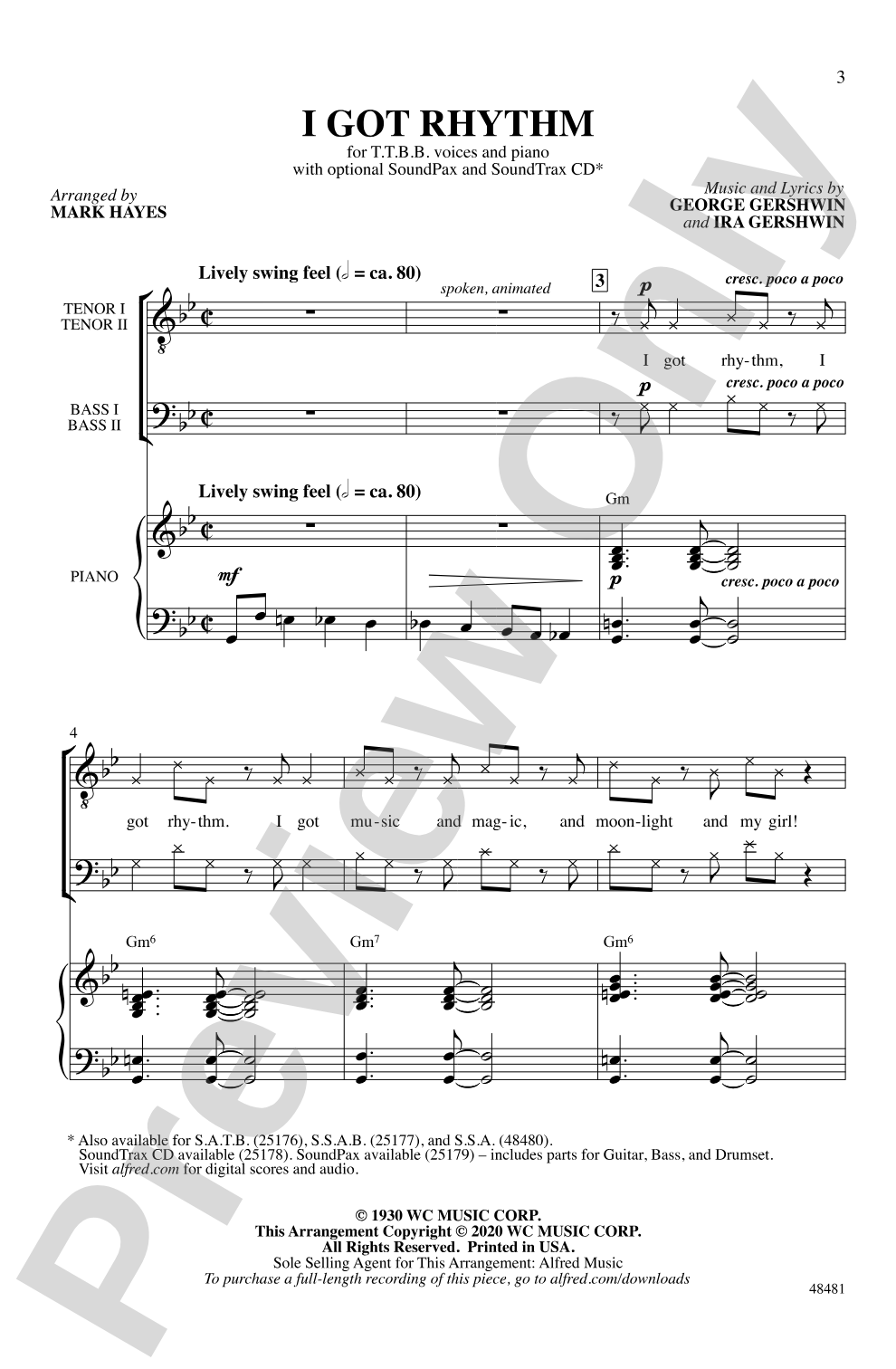
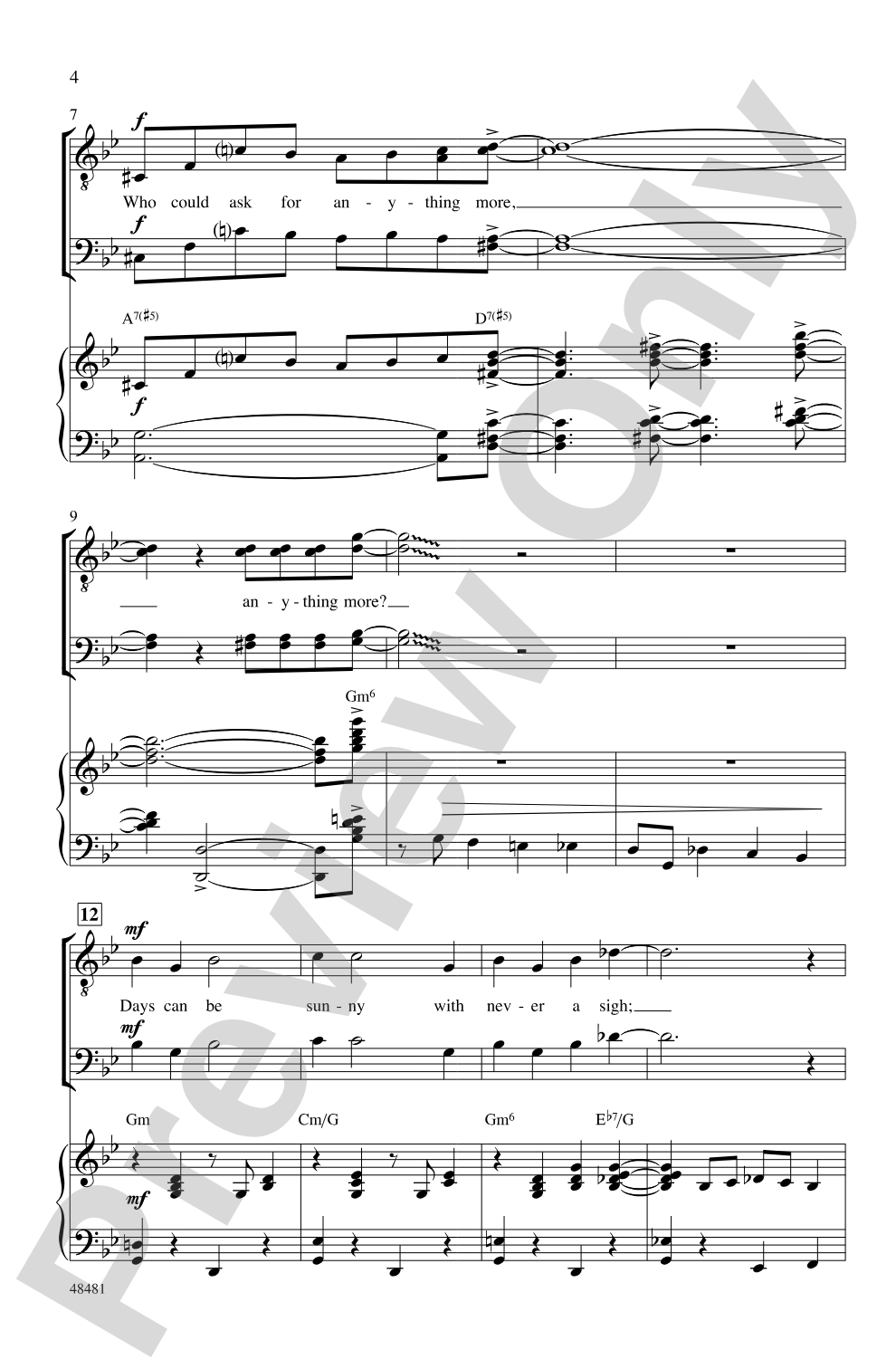
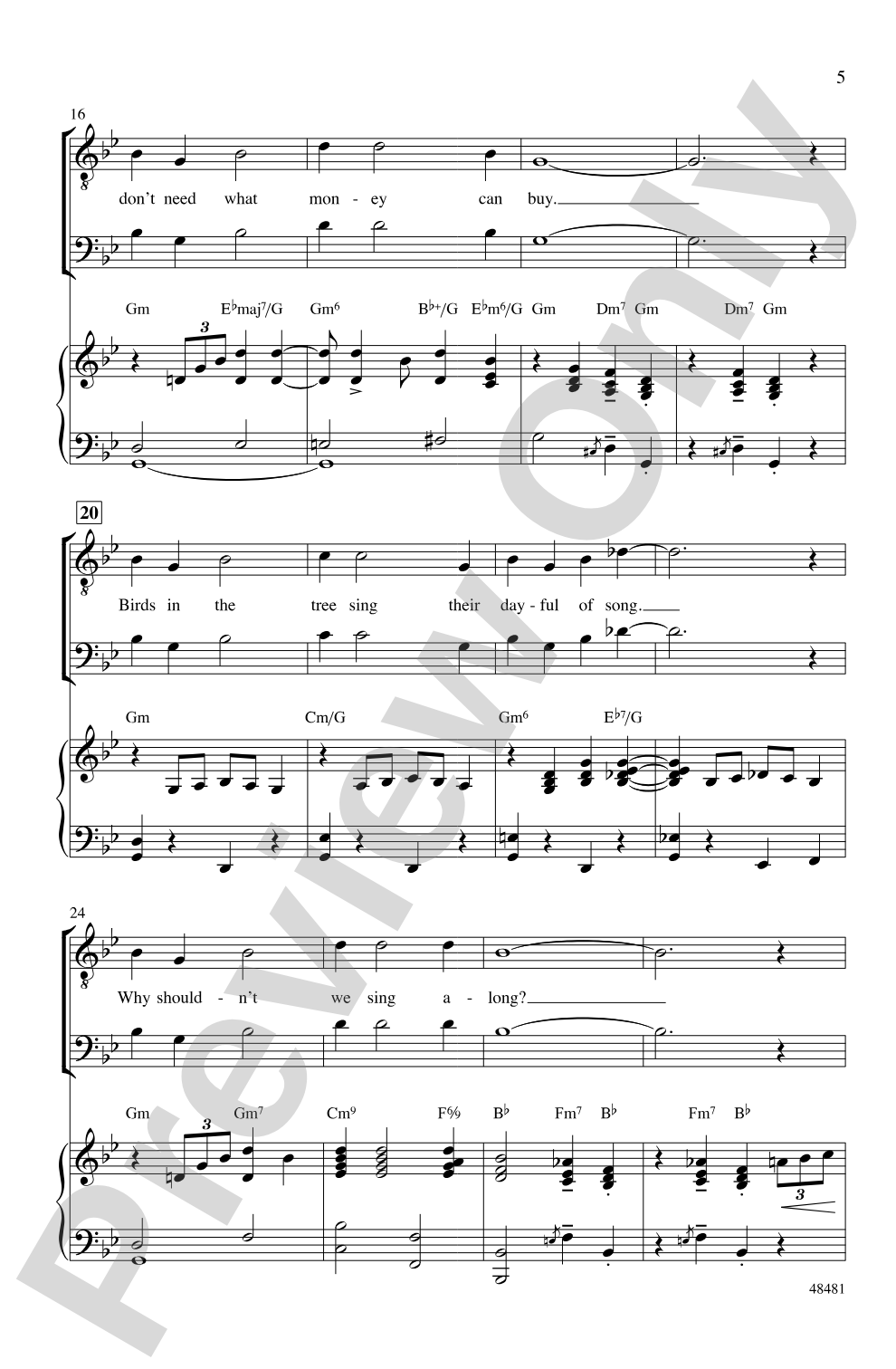
No one but Mark Hayes could take this Gershwin masterpiece and make it into an absolutely rip-roaring, no-holds-barred choral work. You want rhythm? You'll get it, in more ways than you can count in this outstanding arrangement of one of America's great songs. A classic, by any standard.


I Got Rhythm: TTBB Choral Octavo isn't in MakeMusic Cloud just yet...but it could be. Let us know you'd like to see it, and you'll help shape what comes next. In the meantime, start a free trial and dive into thousands of interactive titles your students can play along with today.
Request This Title
Tell us you want it.
Start Your Free Trial
Explore everything that's ready to play right now.
Sample Audio
1
Audio File
--:--
0:00
0:00
Sample Video
No sample videos found.
Additional Details
Series:
Alfred Pop Choral Series
Publisher:
Alfred Music
Page Count:
16
SKU:
00-PO-0006460
More about this title
About the Composer: George Gershwin
George Gershwin (1898-1937) bridged classical composition and American popular music with a fluency few composers have matched. His melodies became the soundtrack to twentieth-century American life, grounded in jazz idioms and blues inflections that he absorbed directly from the culture around him. For music educators, Gershwin's work offers students a direct entry into how "serious" composition and vernacular music inform each other.
Why we love this
Mark Hayes understands how to unlock the rhythmic DNA of a Gershwin standard without overshadowing the melody that made it immortal. The arrangement gives your men's voices genuine jazz vocabulary to work with, syncopation, scat syllables, and harmonic movement that feel authentic rather than gimmicky. Your singers will sound like they're having a conversation with one of America's greatest songs, not performing it from a distance.
What to expect
Propulsive and alive. The arrangement crackles with the kind of energy that made Gershwin's original so infectious, built on layers of syncopation and call-and-response that make you want to move. It swings hard while keeping the underlying melody close enough to recognize.
Who it's for
Men's choirs and mixed ensembles with solid rhythm readers and an appetite for jazz-inflected American standards. This works for groups beyond intermediate level who want to explore repertoire that feels contemporary in spirit despite its classic origins.
How to get the most out of it
- Attack the syncopated lines with precision; the rhythm is the point, so lock in as an ensemble before worrying about blend.
- Lean into the scat and rhythmic syllables Mark Hayes has written. These aren't decorative; they're the voice of the arrangement.
- Use the recorded accompaniment to internalize how the voices sit against the jazz piano and rhythm section, then gradually reduce dependence on it during rehearsals.
- Shape the classic melody when it returns so it lands with earned simplicity after all the rhythmic play around it.
How to use it
Pair this with other Great American Songbook arrangements to build a set that shows how jazz vocabulary has shaped American vocal music. It's also an excellent choice for a concert that includes classical and contemporary work, serving as a bridge that audiences recognize and enjoy immediately.
Skills your students will build
- Reading syncopated rhythms across multiple vocal lines simultaneously
- Jazz articulation and swing feel in a choral context
- Rhythmic independence while maintaining ensemble cohesion
- Scat singing and rhythmic syllables as compositional elements
- Balancing a catchy, memorable melody with complex harmonic movement